 0
0
 Language
  英语
英语 阿拉伯语
阿拉伯语 德语
德语
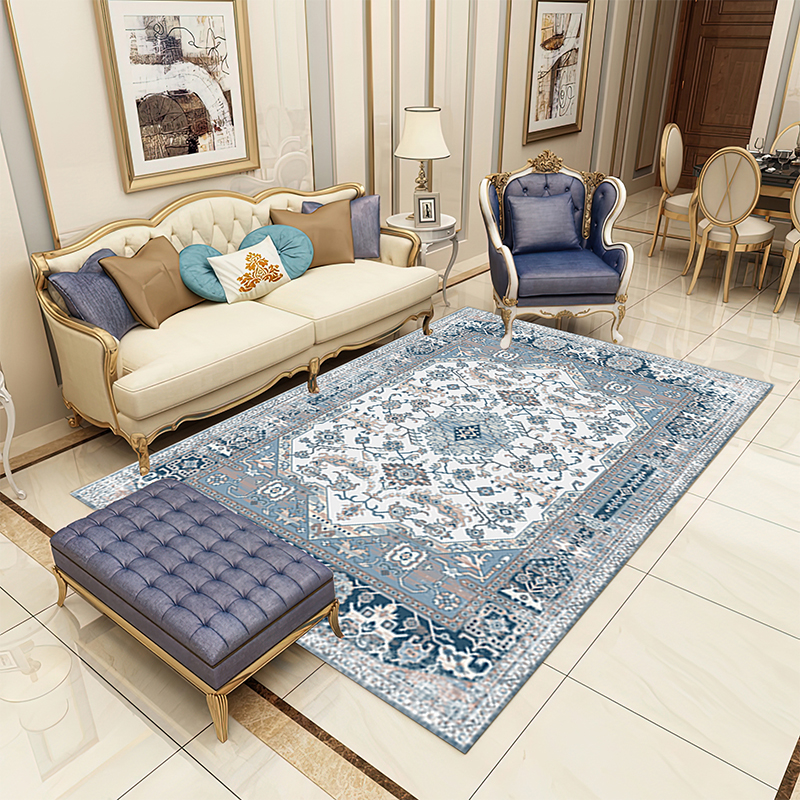
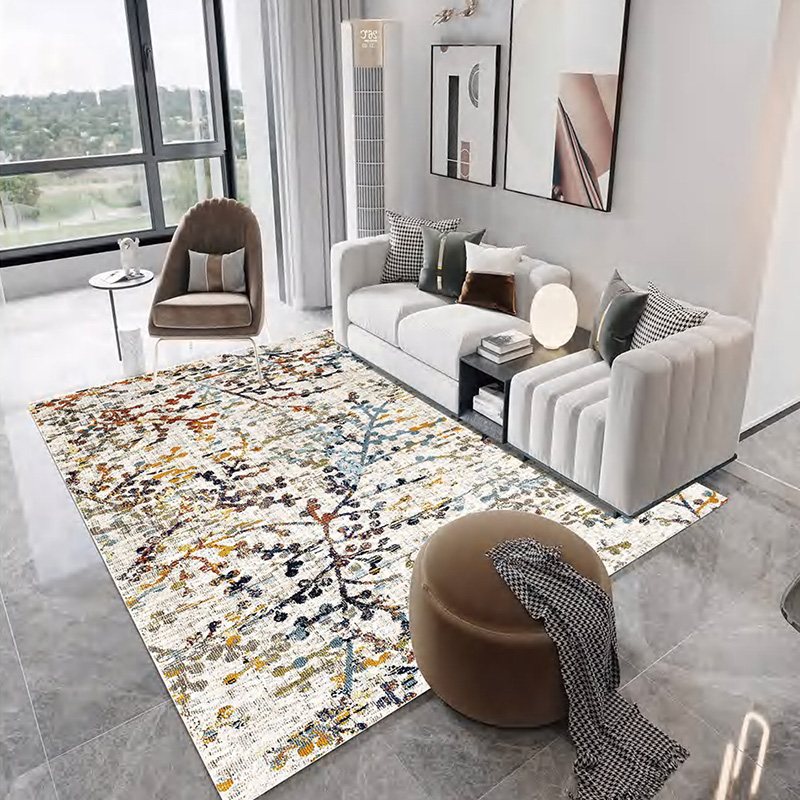
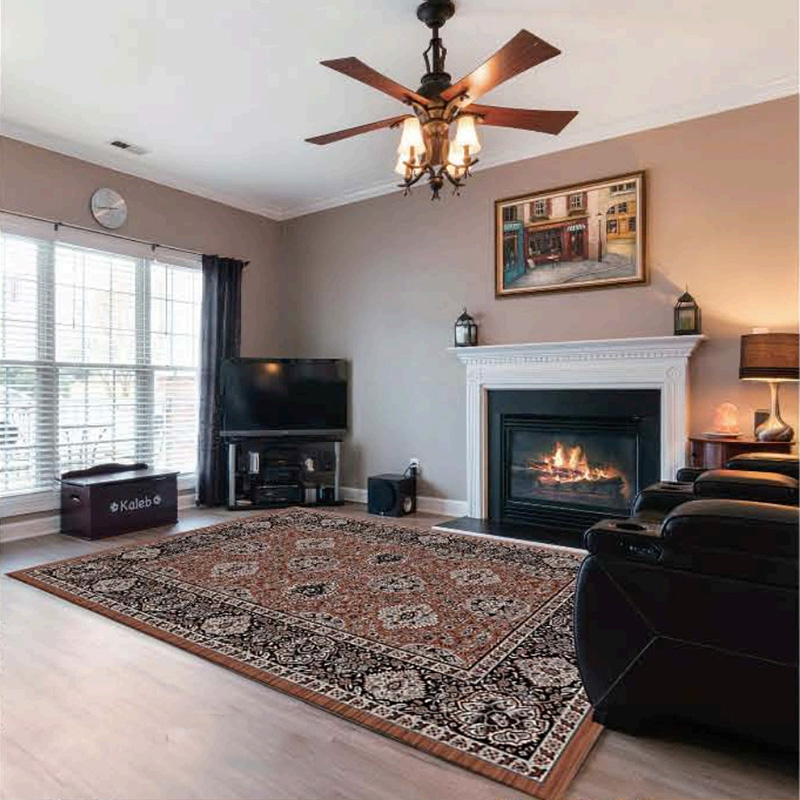
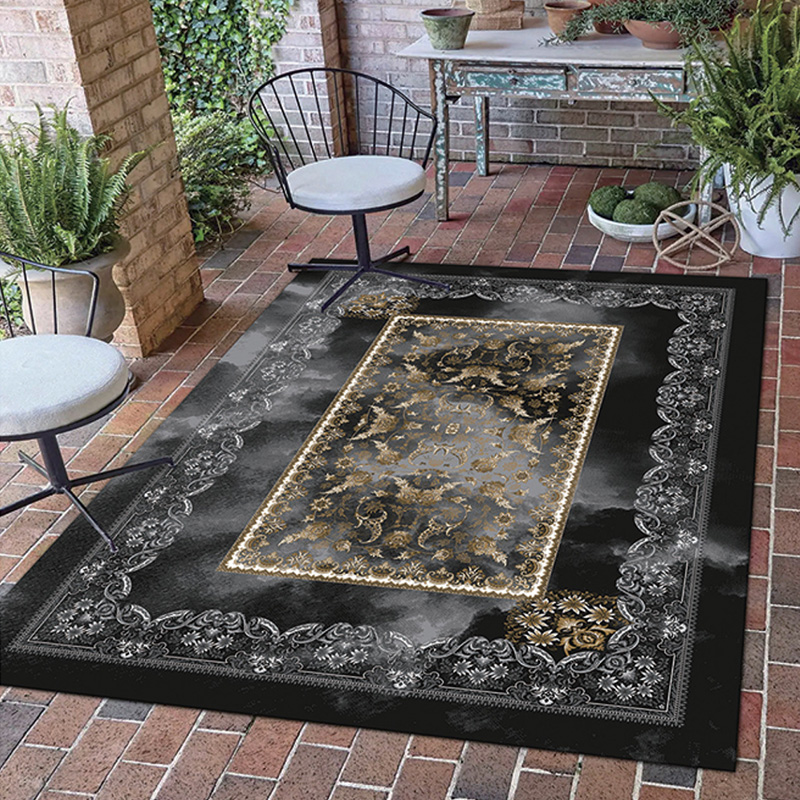
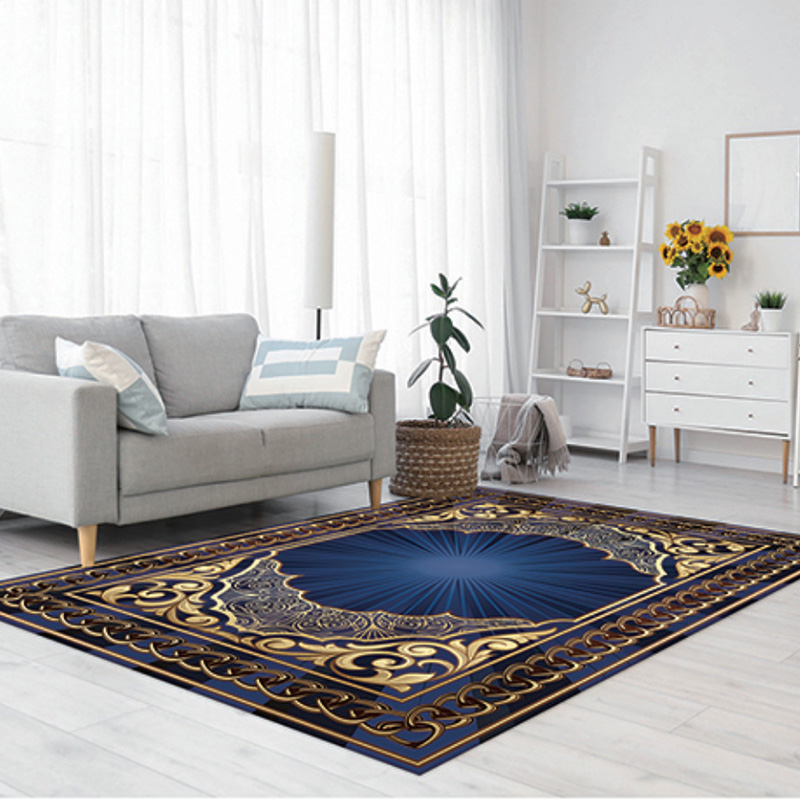
Floor coverings play a practical role in residential developments, hospitality projects, offices, and retail spaces. Among the available options, Large Area Rugs attract attention because they can define a seating area, connect furniture into a unified layout, or introduce a consistent design across a spacious interior.
Material Selection Influences Product Positioning
Rug materials affect texture, appearance, weight, and the way a product fits its intended market. Depending on the collection, manufacturers may offer wool, cotton, polyester, polypropylene, or blended fibers.
Wool rugs are often associated with a natural texture, while cotton options can provide a different surface feel and visual character. Synthetic fibers are used in many commercially distributed rug collections, with their characteristics depending on the fiber type, yarn construction, and manufacturing process.
For buyers sourcing Large Area Rugs, material selection should reflect the target customer and intended application. A home furnishings retailer may prioritize texture and design variety, while a hospitality project supplier may focus on specified dimensions, coordinated colors, and consistent product construction.
Material descriptions should remain precise. If a rug uses a fiber blend, the product information should identify the materials accurately rather than describing the item as a single-fiber product.
Construction and Dimensions Affect Logistics
Large rugs require more space during handling, storage, and transportation than smaller floor coverings. Their finished dimensions, thickness, backing, and packaging method can influence how products are packed and arranged for shipment.
Some rugs are folded for packaging, while others may be rolled, depending on their construction and the supplier's packing process. The selected method should suit the product's material, size, and packaging requirements.
Buyers sourcing Large Area Rugs in bulk should account for the relationship between product dimensions and shipment planning. Packaging specifications, carton dimensions, and the number of pieces packed together help purchasing teams estimate storage requirements and organize warehouse receiving.
Clear product identification also makes it easier to distinguish between similar patterns or sizes when multiple rug models are included in one order.
Customization Supports Different Sales Channels
A rug collection intended for online home furnishing stores may differ from one developed for hotels, furniture retailers, or interior project distributors. Some buyers need a broad assortment of designs, while others prefer a consistent pattern offered in several sizes.
Customization may include dimensions, colors, patterns, fiber combinations, backing options, labels, and packaging, depending on the manufacturer's capabilities. Buyers can provide reference images, drawings, color samples, or a product specification sheet to communicate their requirements.
For Large Area Rugs, it is useful to separate standard models from customized items in the product catalog. This distinction helps sales teams explain available options and reduces confusion when customers compare products with similar appearances but different specifications.
Private-label packaging and coordinated product naming can further help distributors establish a consistent presentation across their rug collections.
Matching Product Range with Market Demand
Successful bulk sourcing begins with a clear understanding of the intended market. Residential retailers may need varied patterns and dimensions, while hospitality suppliers may require coordinated designs for multiple rooms. Furniture distributors may prefer collections that combine several sizes and complementary colors.
Rather than selecting products based on appearance alone, buyers can organize their range around practical categories such as material, dimensions, pattern, application, and customization options.
A well-defined product assortment makes Large Area Rugs easier to present, compare, and source across different sales channels. By connecting product specifications with actual project or distribution requirements, businesses can build purchasing plans that are easier to communicate and manage.