 0
0
 Language
  英语
英语 阿拉伯语
阿拉伯语 德语
德语
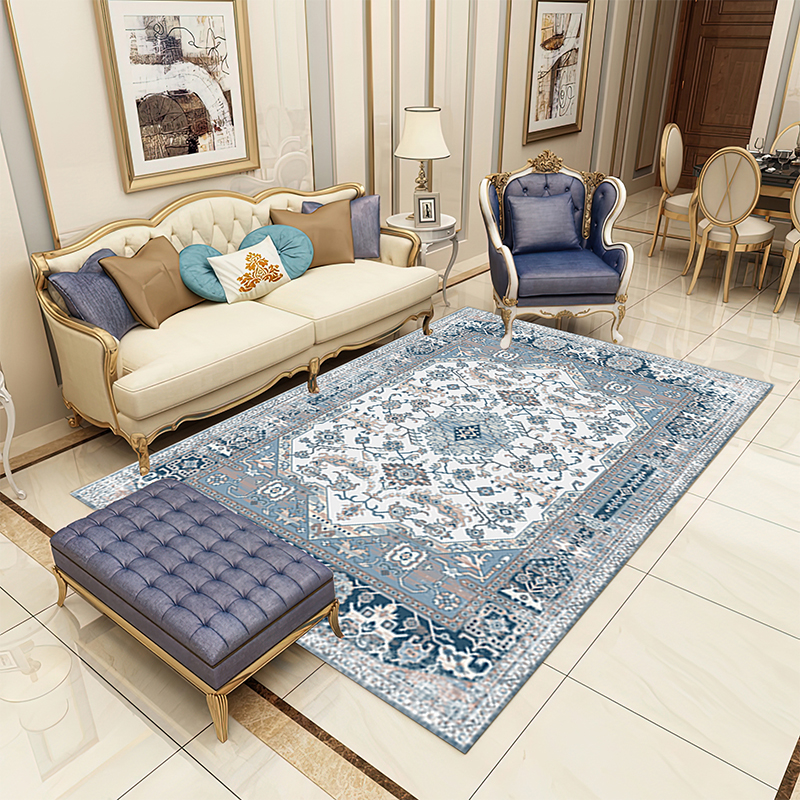
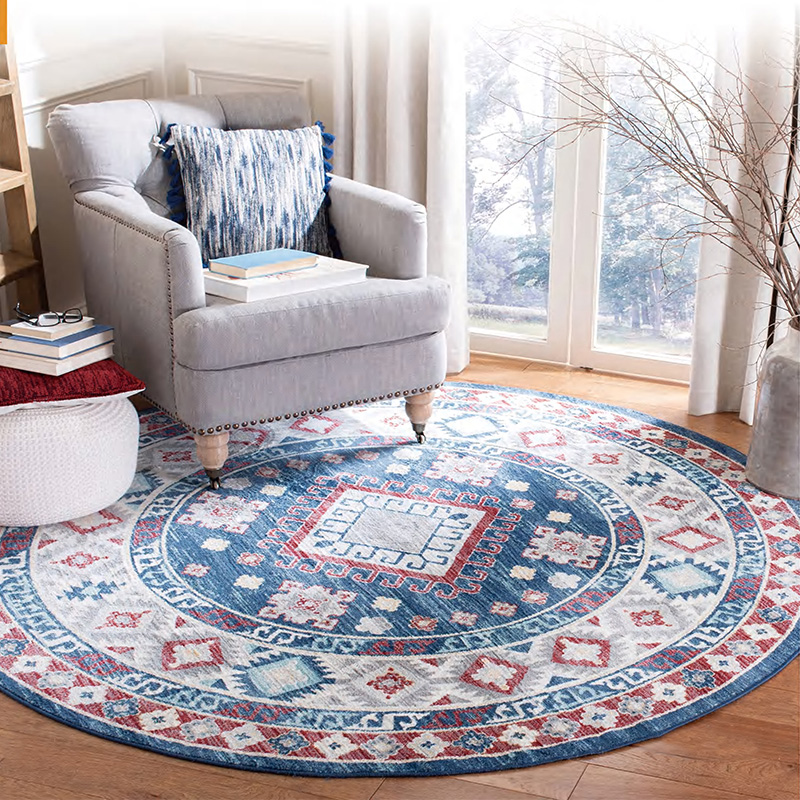
Oriental rugs have held a respected place in homes and cultural spaces for centuries, known for their intricate designs, craftsmanship, and historical significance. These rugs carry centuries of tradition in every knot and pattern, creating a visual and tactile connection to heritage that goes beyond mere decoration.
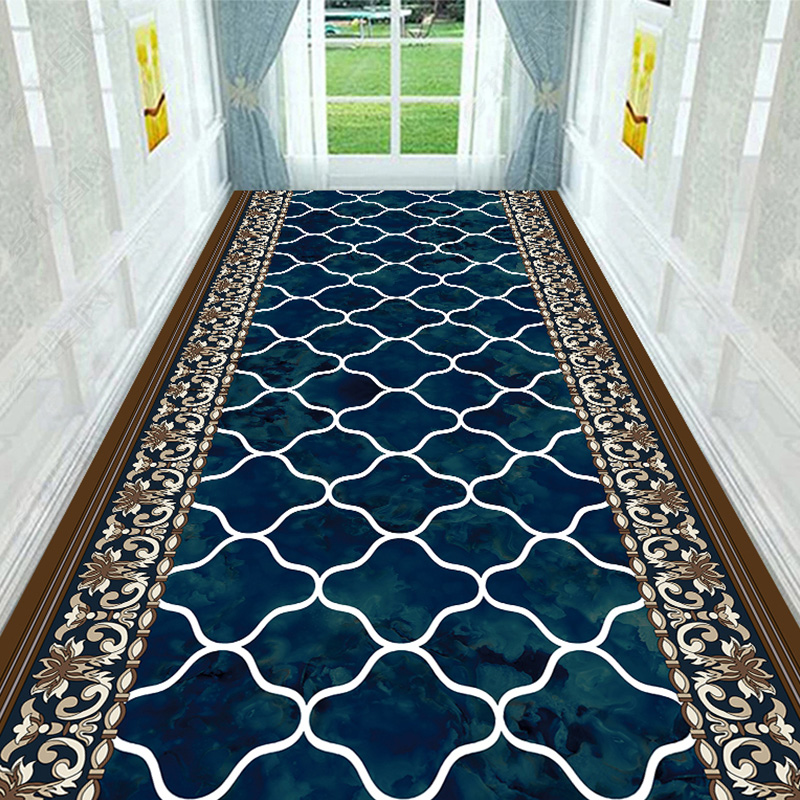
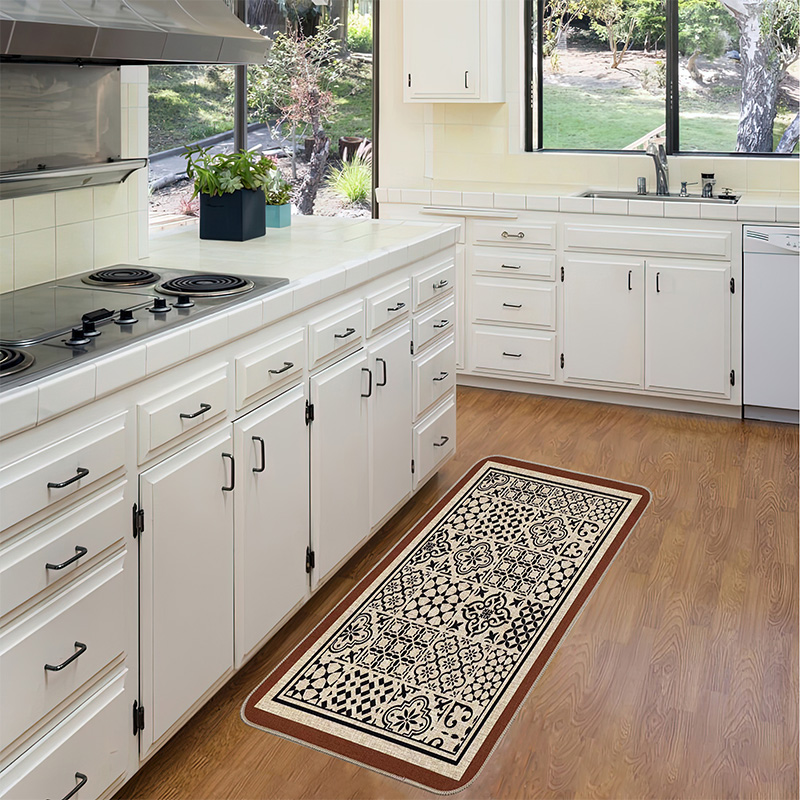
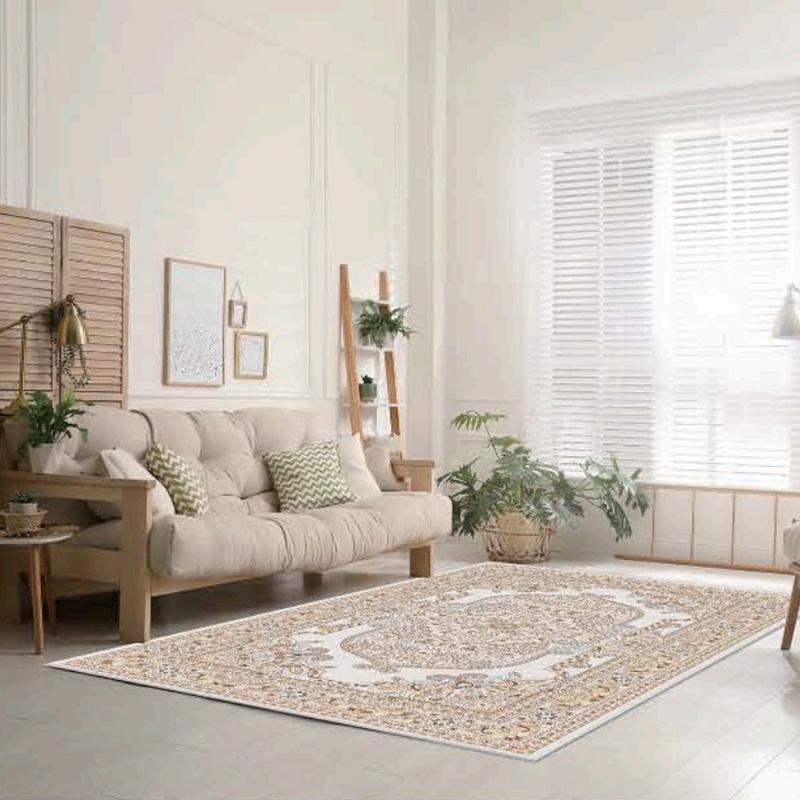
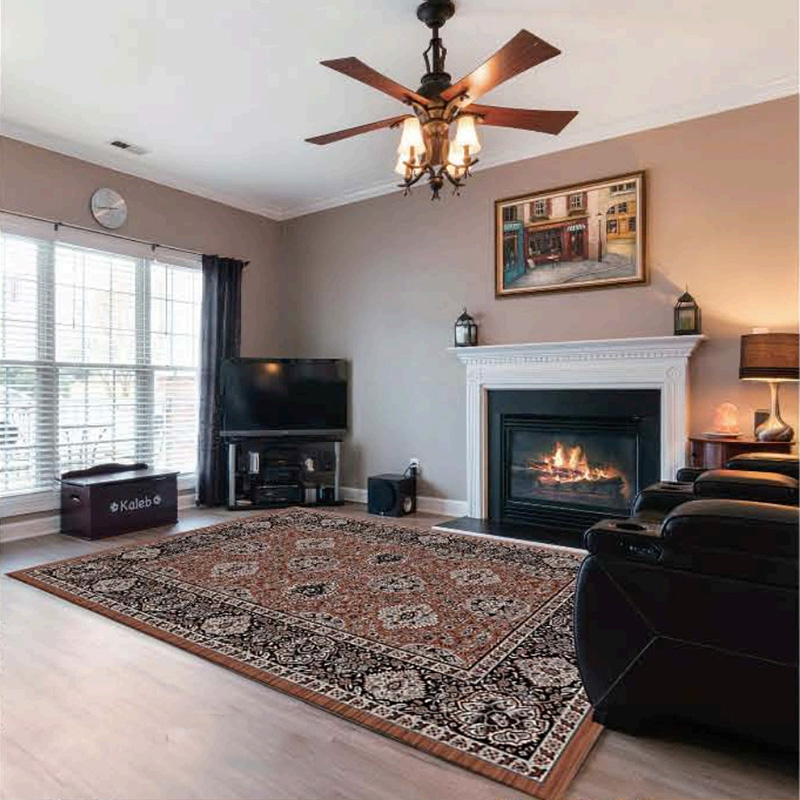
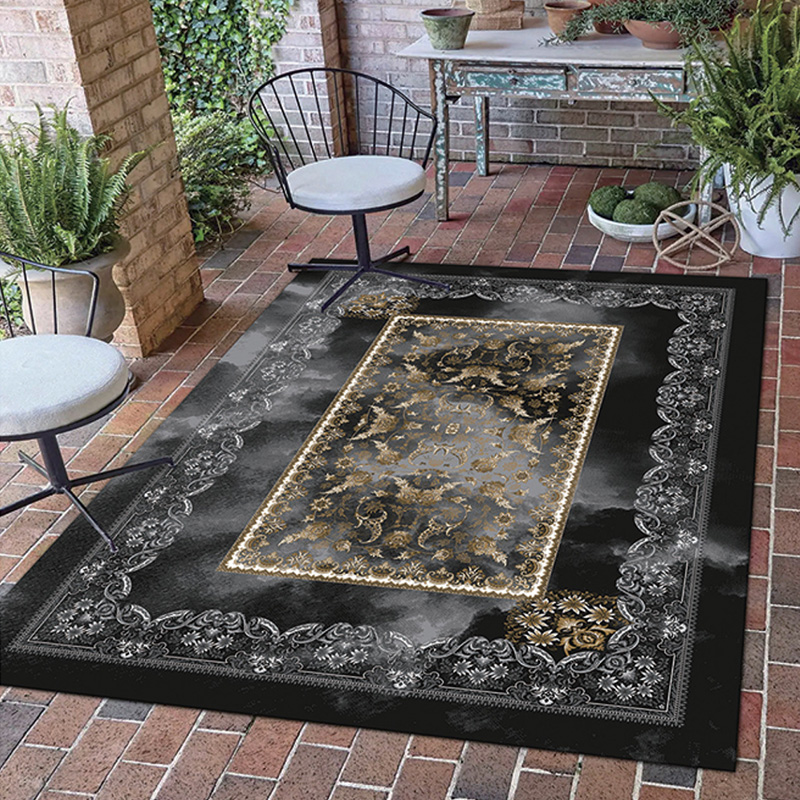
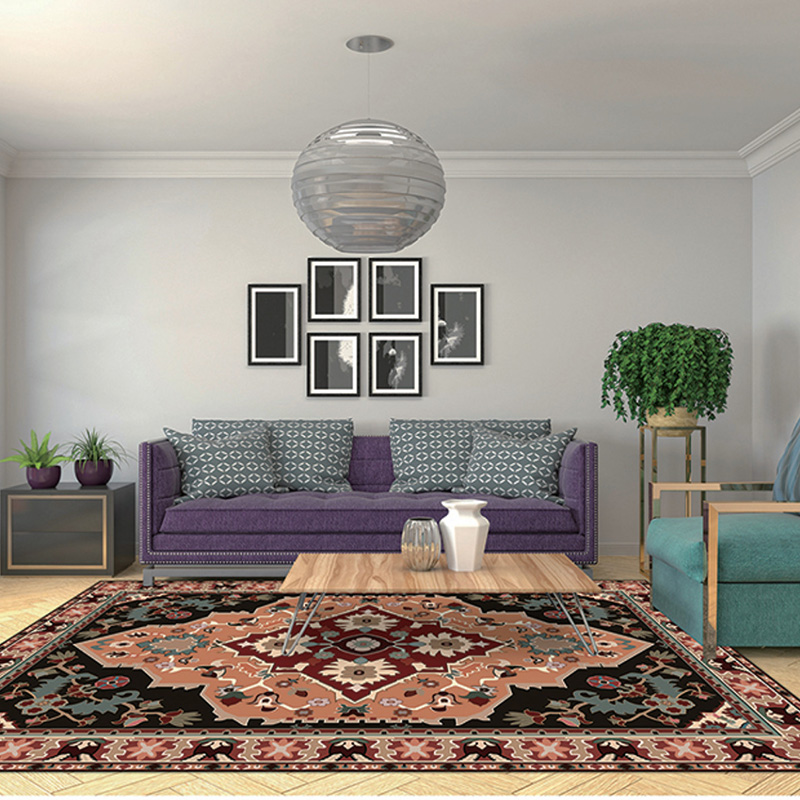
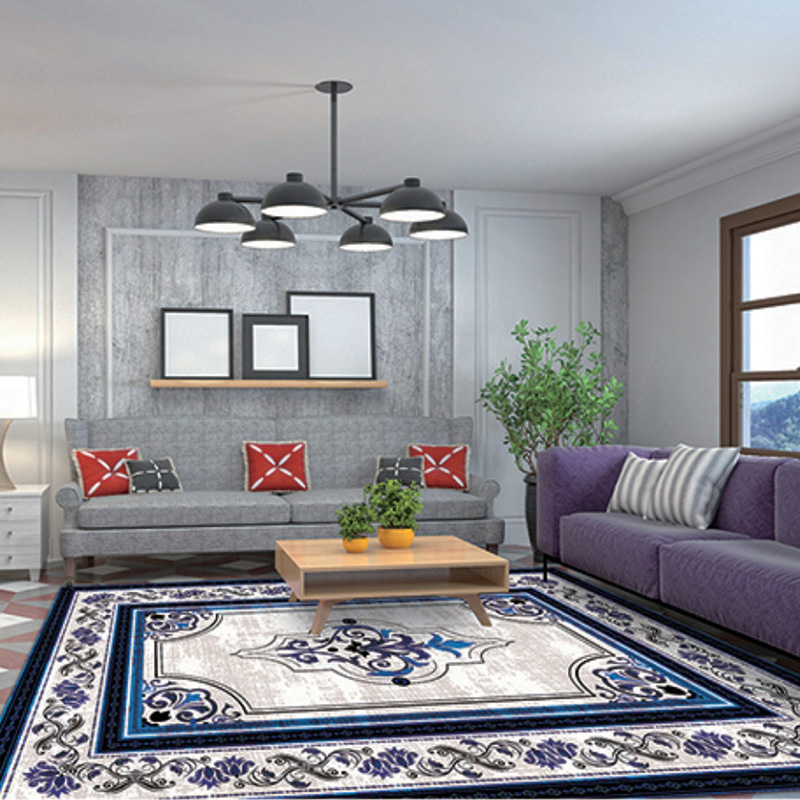
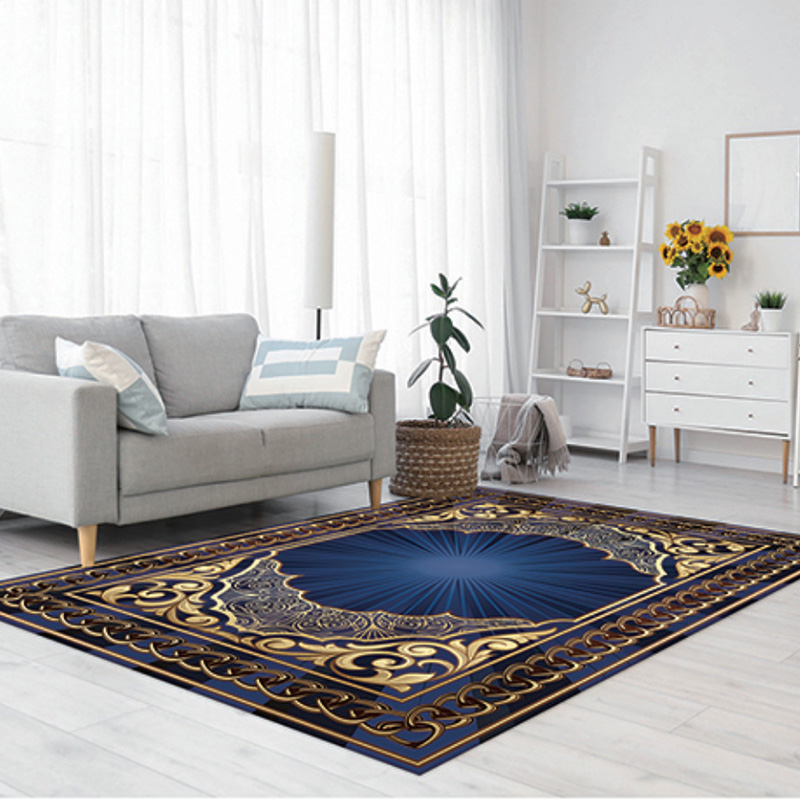
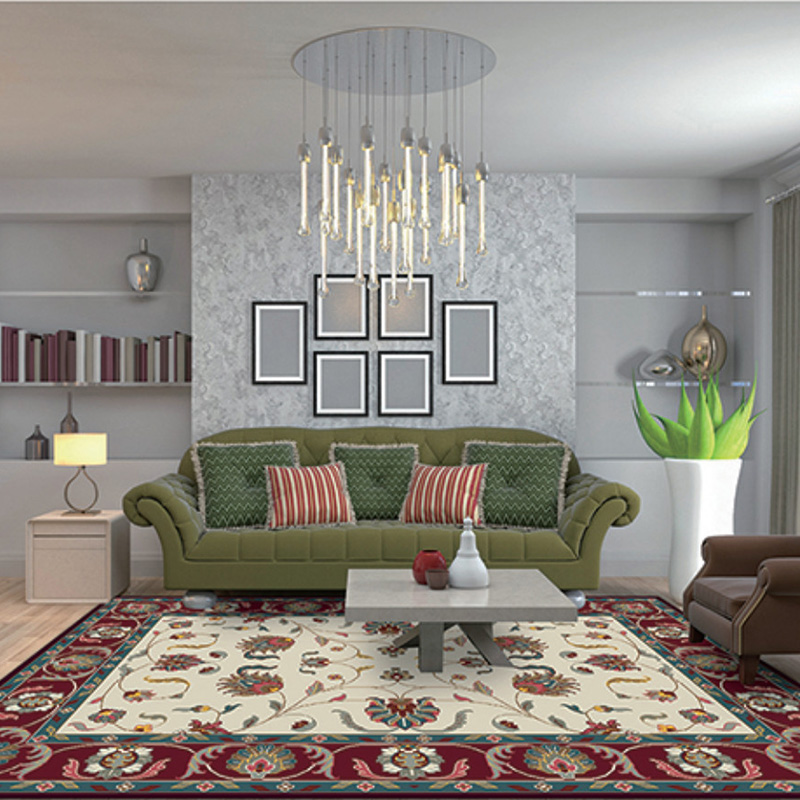
The production of Oriental rugs often involves time-intensive hand-knotting techniques. Each rug may contain hundreds of thousands of knots, depending on its size and intricacy. This craftsmanship allows for detailed patterns that include floral motifs, geometric designs, and symbolic imagery reflecting local history or cultural stories. Such attention to detail makes each rug a piece of art that can anchor the visual tone of a room.
Materials play a significant role in Oriental rug quality. Wool has been traditionally used due to its softness, resilience, and ability to retain dyes vividly. Silk is also valued for its sheen and fine texture, often reserved for smaller, delicate pieces or highlights within a larger design. Cotton foundations provide structural support, ensuring the rug maintains its shape over time. The combination of these materials contributes to both the aesthetic richness and durability of Oriental rugs, making them suitable for varied spaces from living rooms to galleries.
Oriental rugs also contribute to the sensory experience of a room. Beyond their visual appeal, their texture adds warmth and comfort underfoot, while the thickness and density can influence room acoustics and insulation. The subtle variations in color achieved through natural dyes can enhance lighting effects, creating a dynamic interplay between the rug and surrounding furnishings. These qualities make Oriental rugs not just decorative, but functional additions to home environments.
Cultural symbolism is another key aspect of Oriental rugs. Patterns often carry traditional meanings, representing prosperity, protection, or historical events. The choice of motifs and color schemes can reflect a collector’s interest in specific regions, periods, or artistic movements. Such symbolic depth allows Oriental rugs to serve as conversation starters, cultural artifacts, and sources of aesthetic enjoyment simultaneously, blending artistry with storytelling.
Maintaining Oriental rugs requires attention and care, yet this effort supports their longevity and continued visual impact. Regular cleaning, careful handling, and occasional professional restoration ensure the intricate fibers and dyes remain vibrant. The durable construction of these rugs often allows them to be passed down across generations, carrying personal and cultural narratives forward.
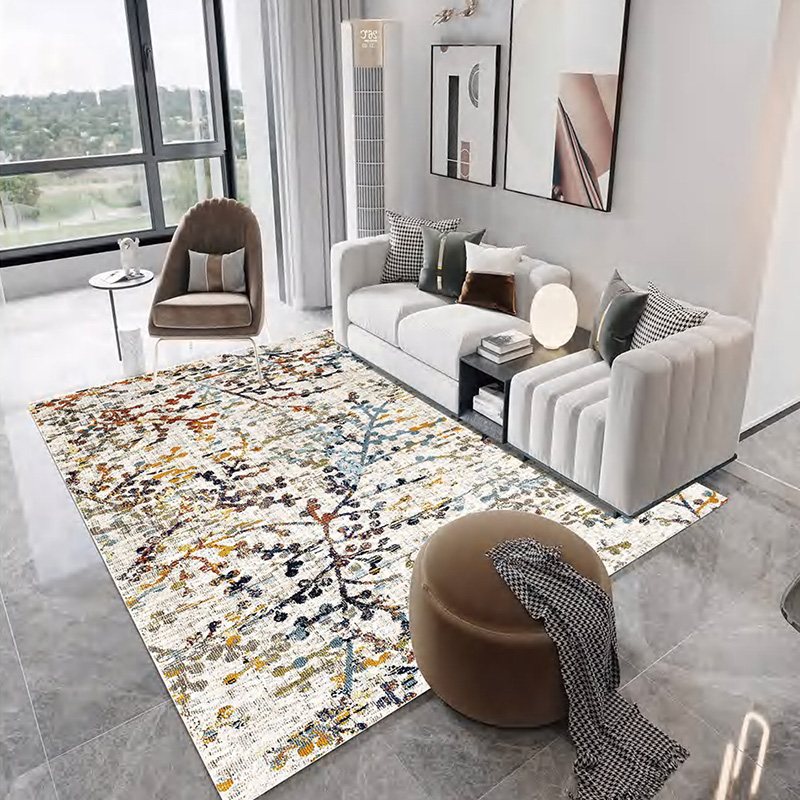
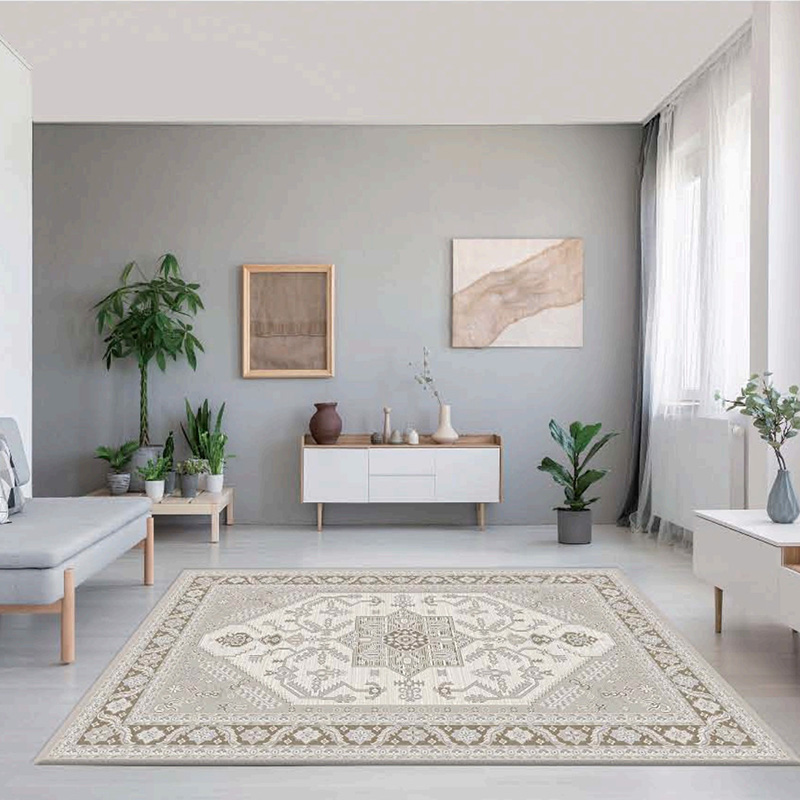
Modern interest in Oriental rugs has expanded because global trade and digital platforms make these designs available to more people. While retaining traditional techniques, contemporary adaptations explore new sizes, colors, and patterns suitable for current interior trends. This balance between heritage and modernity allows Oriental rugs to fit seamlessly into both classic and contemporary home settings.
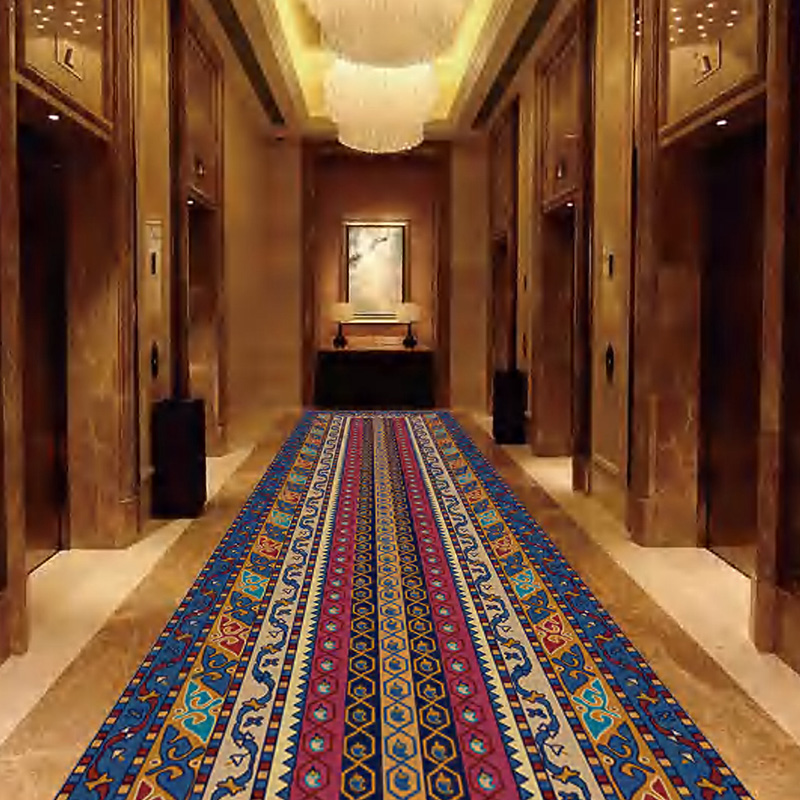
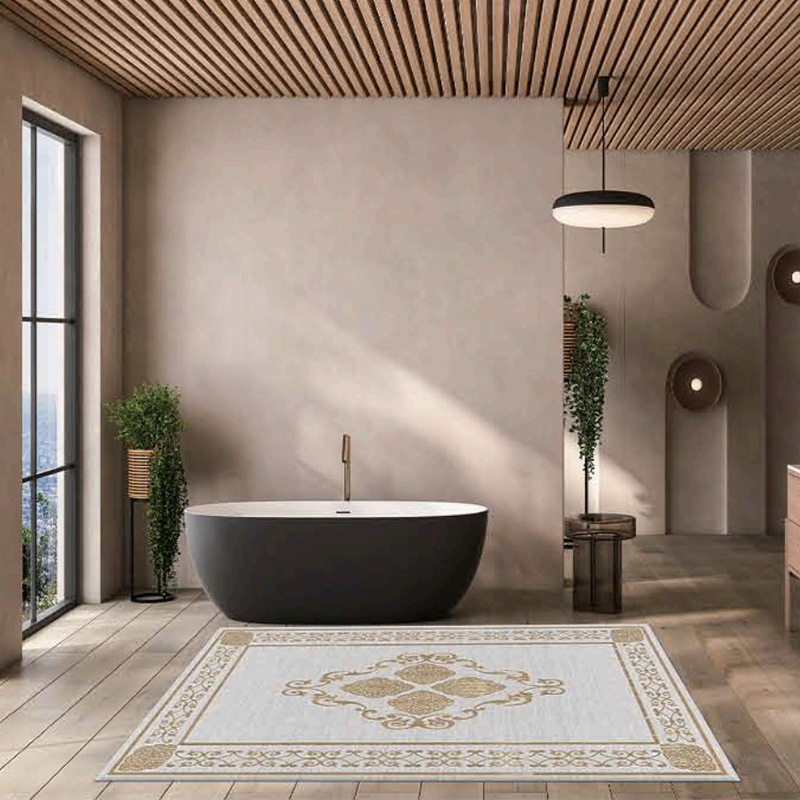
Oriental rugs are often chosen for public and professional spaces where aesthetic impression matters. Hotels, offices, and cultural centers utilize these rugs to convey sophistication and create welcoming atmospheres. The combination of traditional craftsmanship, visual appeal, and functional utility positions Oriental rugs as versatile pieces capable of enhancing a broad range of environments.
Oriental rugs continue to represent a meaningful intersection of art, culture, and interior design. Their rich history, detailed craftsmanship, and ability to complement contemporary interiors ensure they remain relevant and valued. For anyone seeking to enrich a space with both beauty and tradition, Oriental rugs offer a tangible connection to centuries of artistry and cultural expression.