 0
0
 Language
  英语
英语 阿拉伯语
阿拉伯语 德语
德语
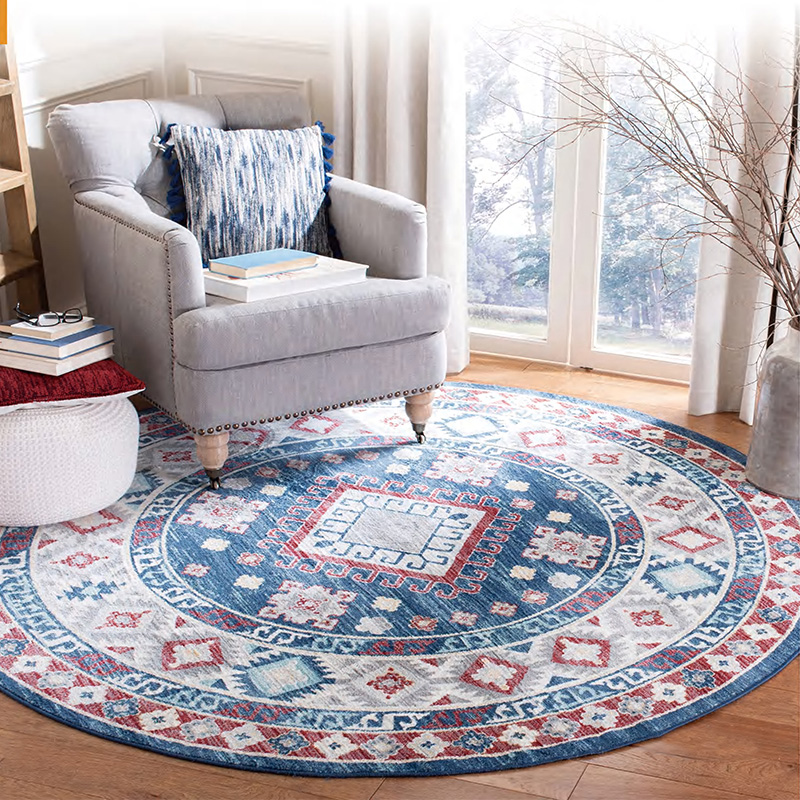
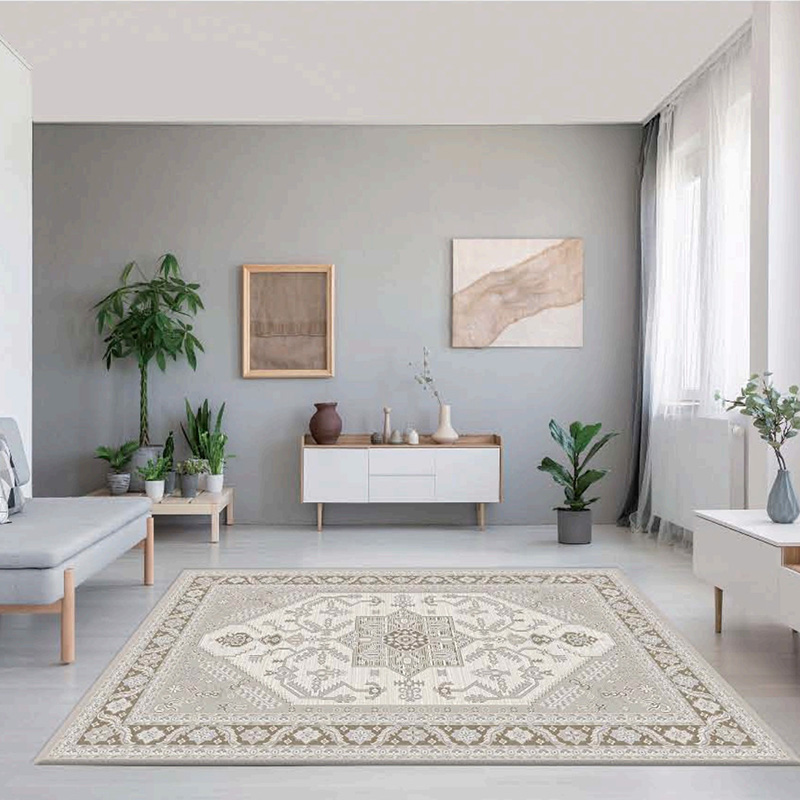
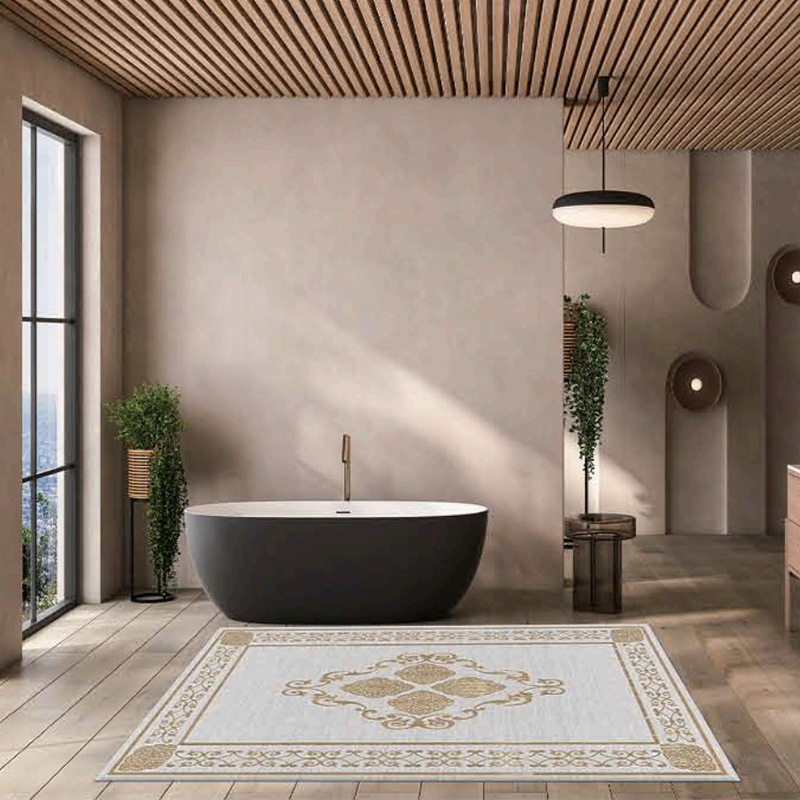
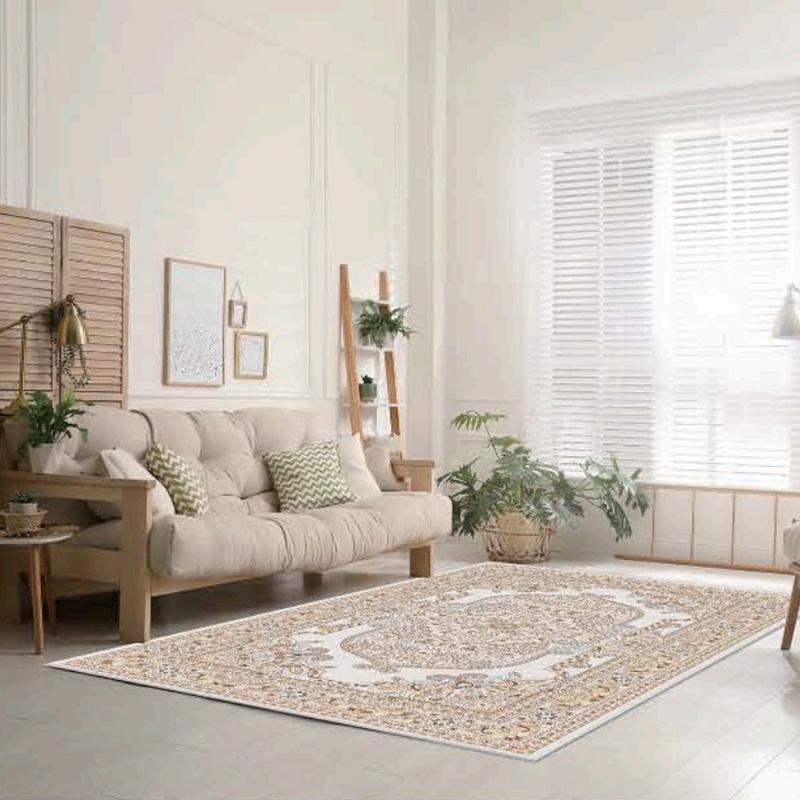
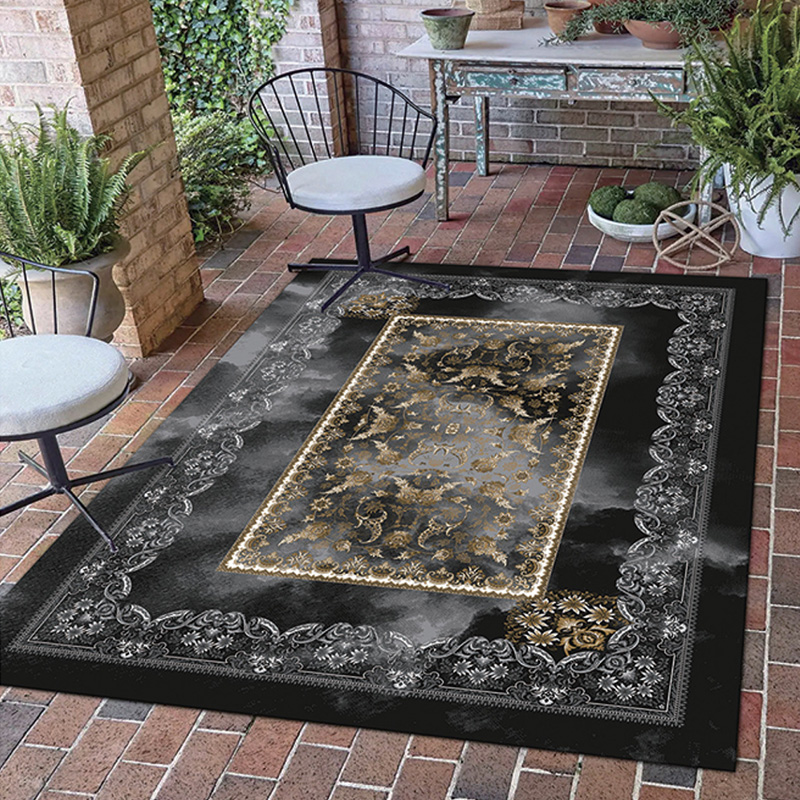
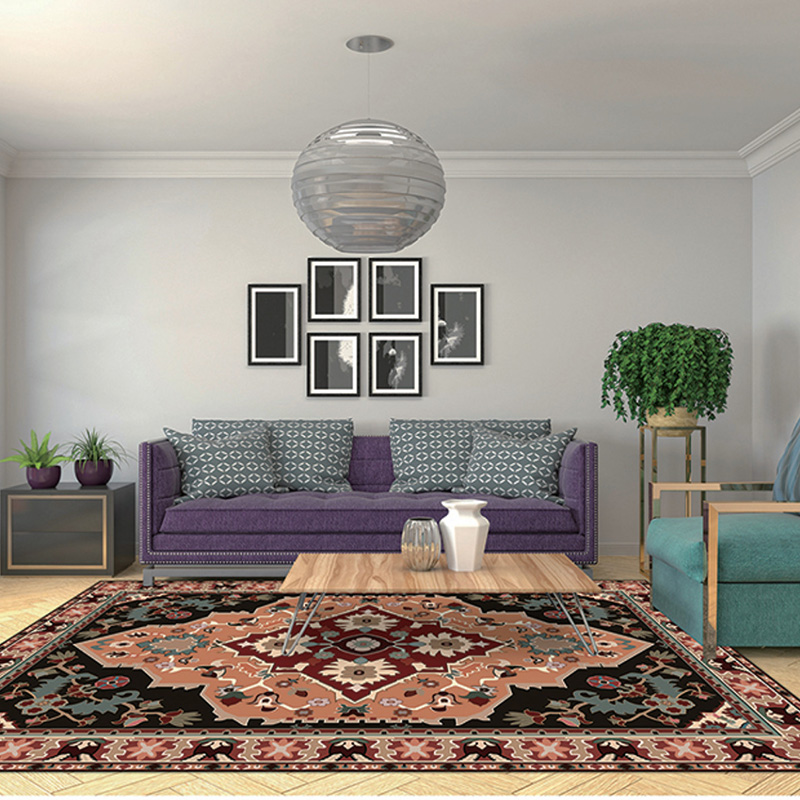
Vintage Rugs emerge from long-standing production methods that combine hand skill with regional material knowledge. Workshops across several areas refined knotting, dyeing, and finishing steps over decades. The resulting textiles show consistent structural choices that support both everyday floor use and specialized placements in larger interiors.
Production Methods and Loom Setup
Traditional workshops set up vertical or horizontal looms sized to the intended finished dimensions. Warp threads stretch tightly between beams while weavers sit or stand along the working edge. Each knot forms around a pair of warps and is locked in place by a weft shot. The process repeats row by row until the field is complete.
Vintage Rugs produced this way carry the rhythm of hand labor. Knot density is controlled by the spacing of the warps and the size of the yarn. Higher densities allow finer detail; lower densities speed production for larger formats. The choice depends on the intended application and the available labor time in the workshop.
Material Selection and Preparation
Wool remains the primary pile fiber because it accepts natural dyes evenly and recovers well after compression. Fleece is sorted by grade, washed, and spun into yarns of consistent thickness. Cotton often forms the foundation structure, providing a stable grid that holds the knots without excessive stretch.
Dye baths use plant extracts or mineral sources to achieve the characteristic color ranges. Multiple dips and careful temperature control produce the depth of tone visible in older pieces. After dyeing, yarns are dried and wound for the loom. These preparation steps directly influence the final surface texture and color fastness of Vintage Rugs.
Technical Construction Details
The foundation consists of warp and weft threads that create a grid. Pile knots stand perpendicular to this grid and form the visible surface. Two common knot styles appear across production centers: one that wraps symmetrically and another that creates a slight directional lean. Both lock the pile securely when the weft is beaten into place.
Side cords and end finishes protect the structure during handling and installation. Fringes may be left as extensions of the warp or reinforced with additional wrapping. These technical choices affect how the textile lies flat and how it responds to foot traffic. Vintage Rugs that retain their original edge treatments demonstrate the care taken during the final production stages.
Regional Production Variations
Workshops in different areas developed distinct approaches to scale and pattern. Some centers specialized in large medallion formats suited to spacious rooms. Others focused on repeating geometric fields that could be woven in continuous lengths and later cut to size. The loom width and the number of weavers working side by side determined the practical width.
Color sequences and motif libraries stayed consistent within each production group, allowing pieces from the same workshop to share recognizable traits. This continuity supports identification of origin even when exact dating remains approximate. The shared technical vocabulary across Vintage Rugs from a given region reflects decades of refined workshop practice.
Applications in Functional Settings
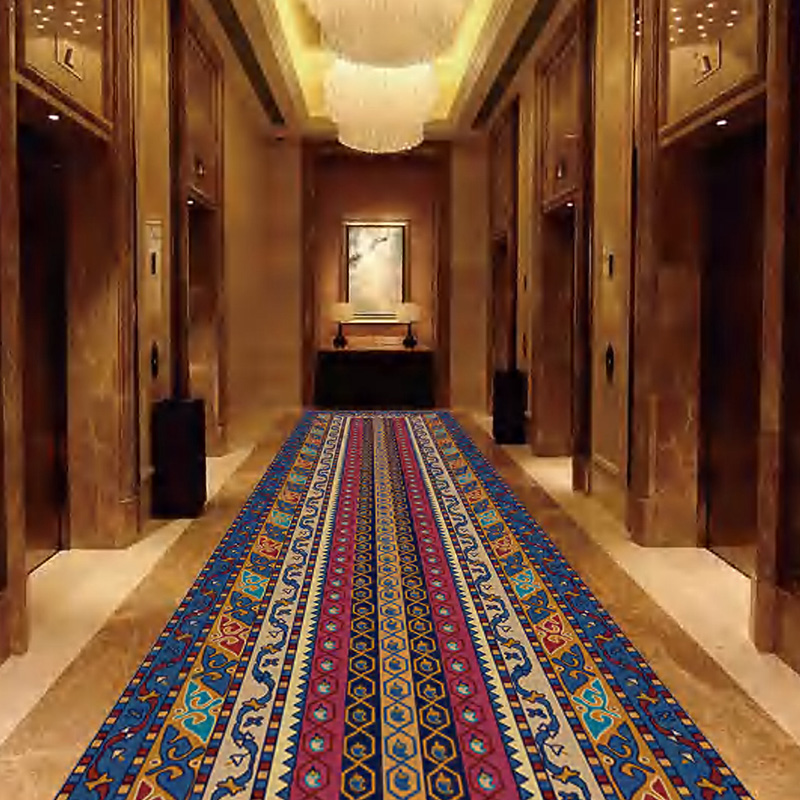
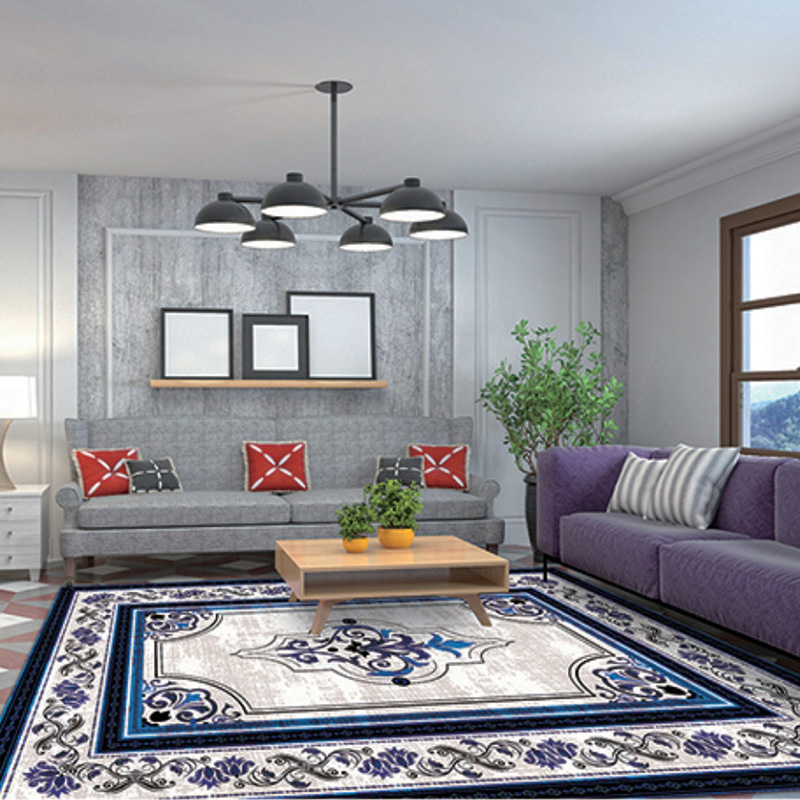
Completed textiles move into residential floors, commercial corridors, and institutional spaces where durable surface coverage is required. The dense pile and stable foundation handle repeated compression while the natural fiber content allows gradual recovery. In larger installations multiple pieces can be joined along carefully matched edges to cover extended areas.
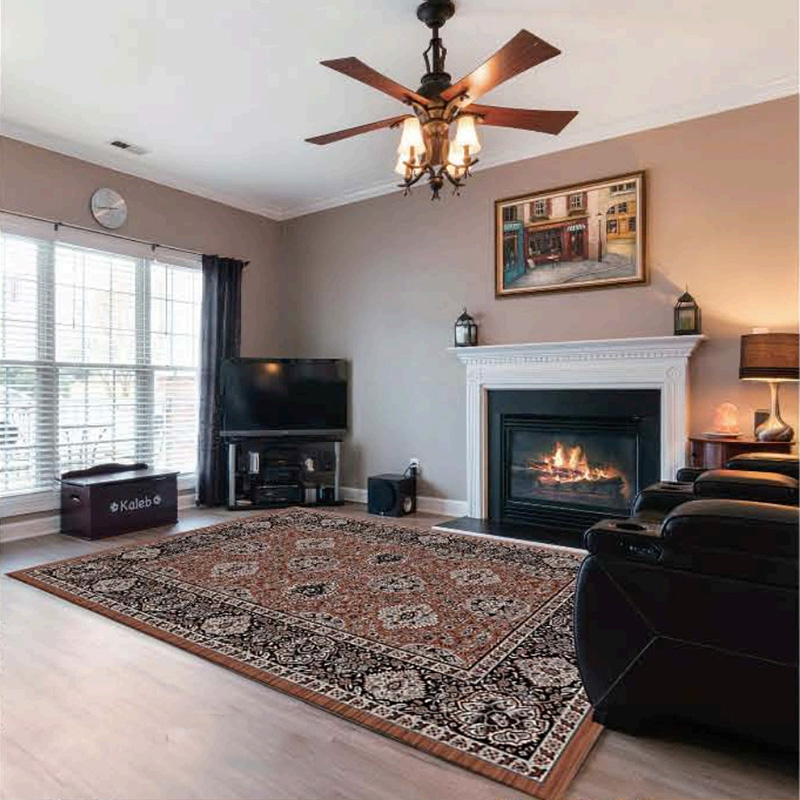
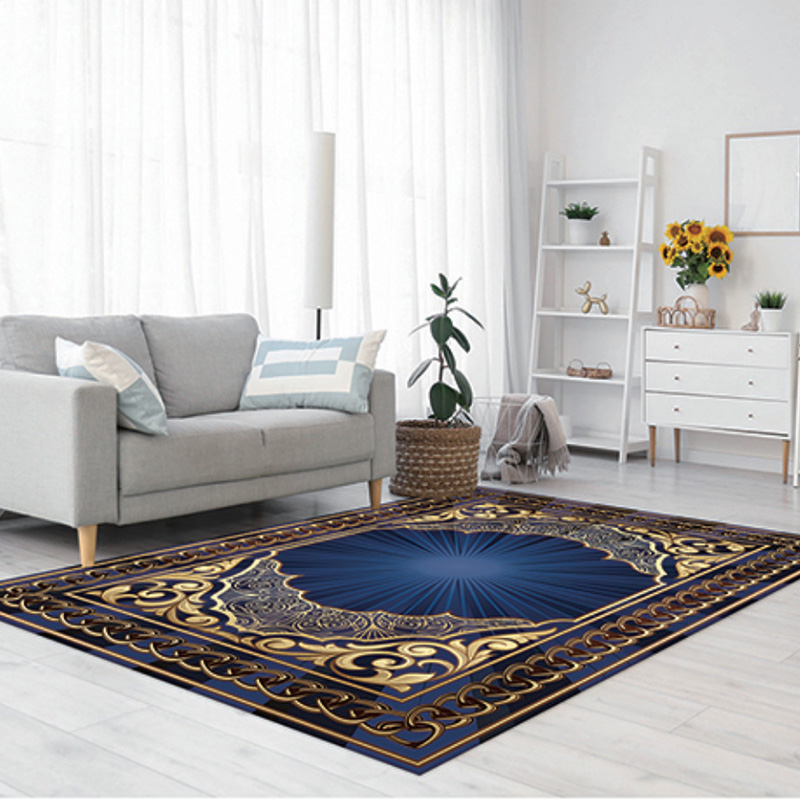
The structural integrity of Vintage Rugs supports placement under furniture and in high-traffic zones without immediate distortion of the pattern. Because the production methods prioritize even tension and secure knotting, the textiles maintain dimensional stability over extended periods of use. These practical qualities explain their continued presence in varied interior environments.