 0
0
 Language
  英语
英语 阿拉伯语
阿拉伯语 德语
德语
Setting Boundaries in an Open Layout
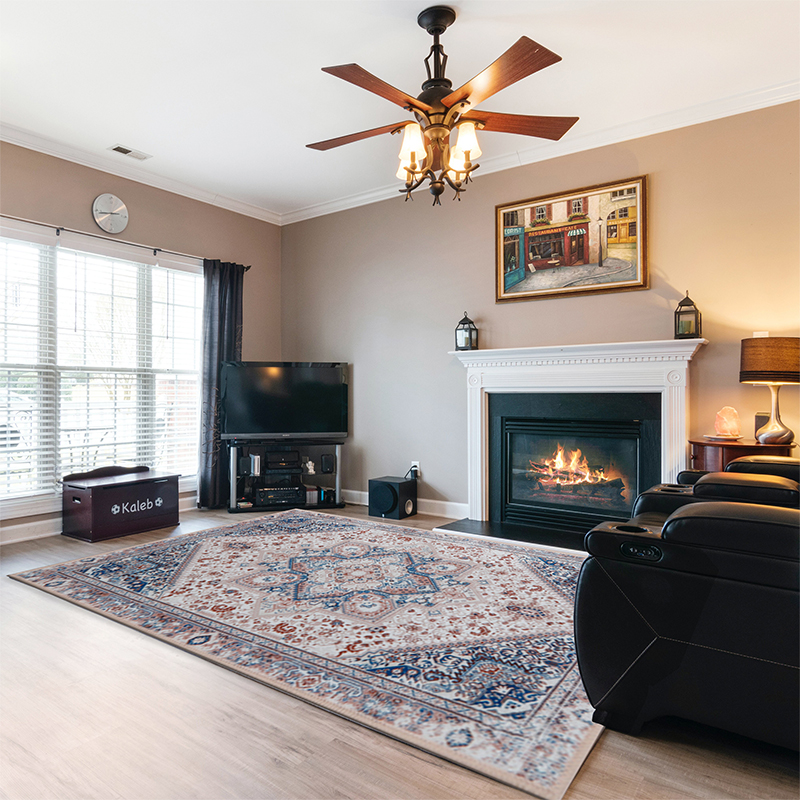
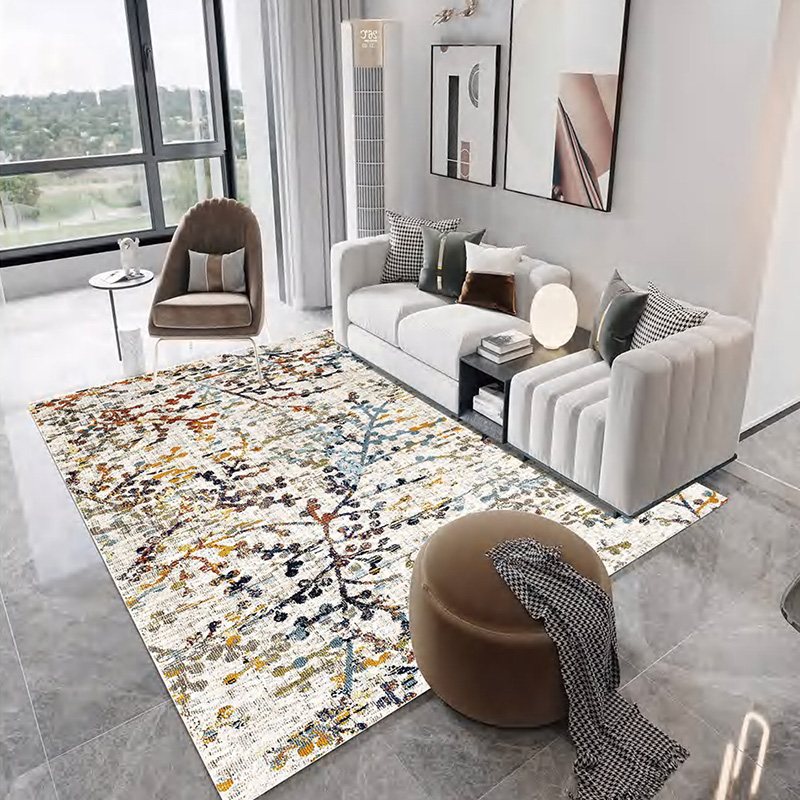
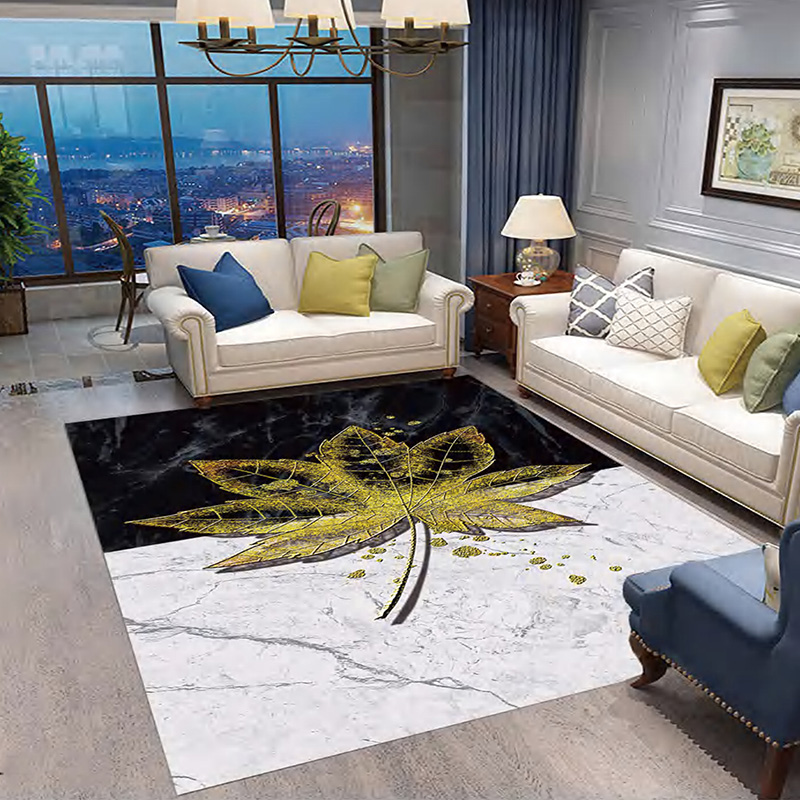
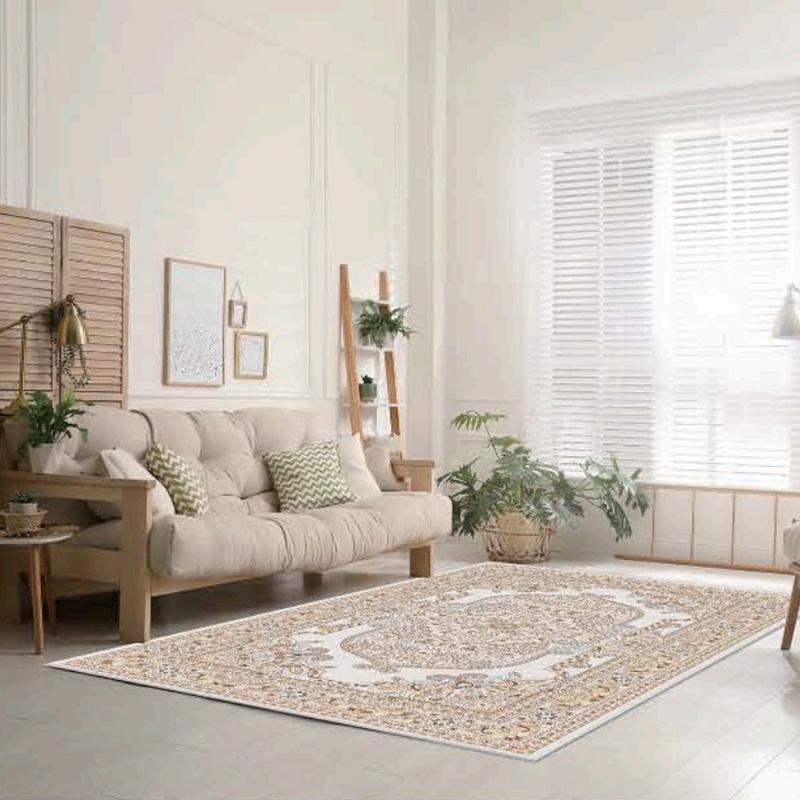
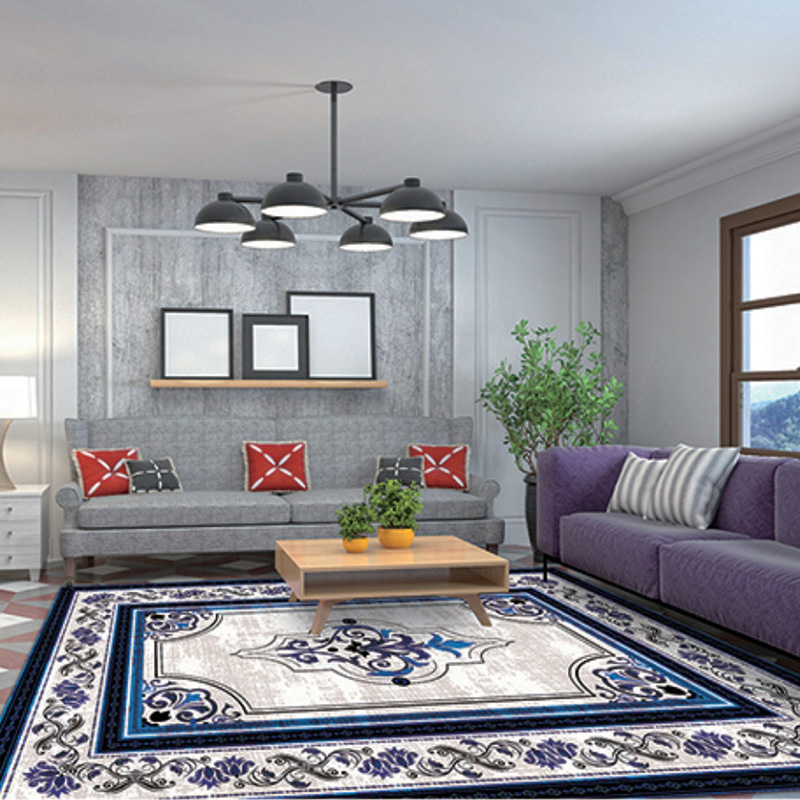
Many modern living rooms flow directly into dining areas or kitchens without walls to separate them. Living room rugs step in as the boundary marker instead. A rug placed under a sofa and coffee table signals, without a single wall or partition, that this section belongs to lounging rather than dining or cooking. This approach shows up across a wide range of floor plans, from compact apartments to sprawling open-concept homes, because it doesn't depend on architecture to do the work of dividing space.
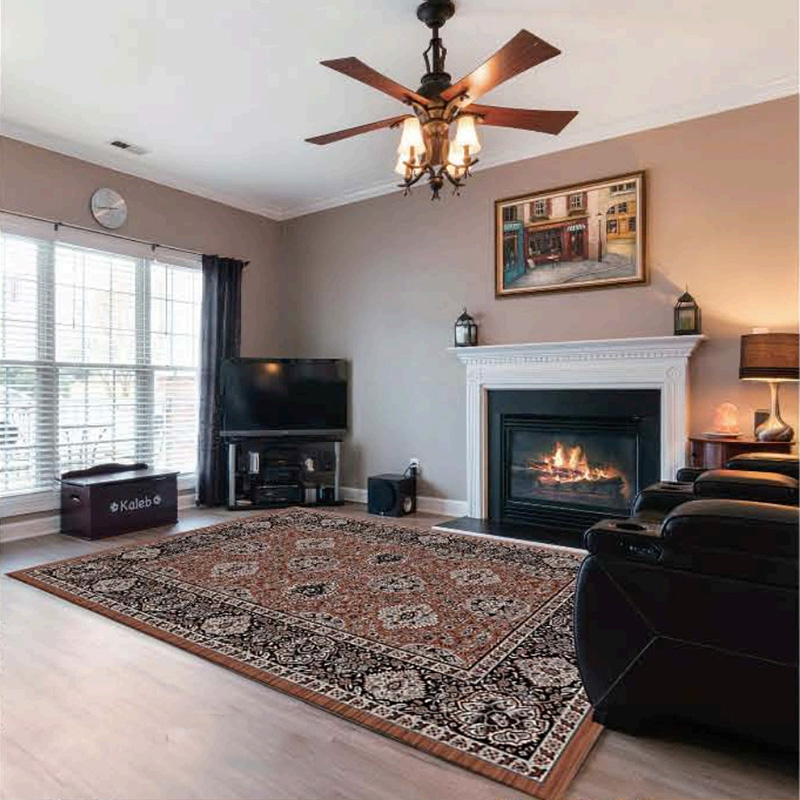
Scale matters in how this plays out. A rug sized too small for the seating group tends to make the whole arrangement look like it's floating rather than grounded, while a rug that extends generously under the furniture reads as a deliberate, unified zone.
Texture and Acoustic Effect
Hard flooring — hardwood, tile, polished concrete — looks sharp but carries sound differently than a softened surface. Living room rugs change that acoustic profile noticeably. Footsteps quiet down, and conversations in the room feel less echoey. Material plays into this too: wool rugs tend to absorb sound and hold their shape under regular use, while flatweave cotton or jute options offer a thinner profile with a more casual, breathable feel.
Pile height shifts the experience as well. A high-pile shag rug behaves very differently underfoot and acoustically than a low, tightly woven flatweave, and rooms with hardwood floors often lean toward one or the other depending on how much sound dampening the space needs.
Color and Pattern as Design Tools
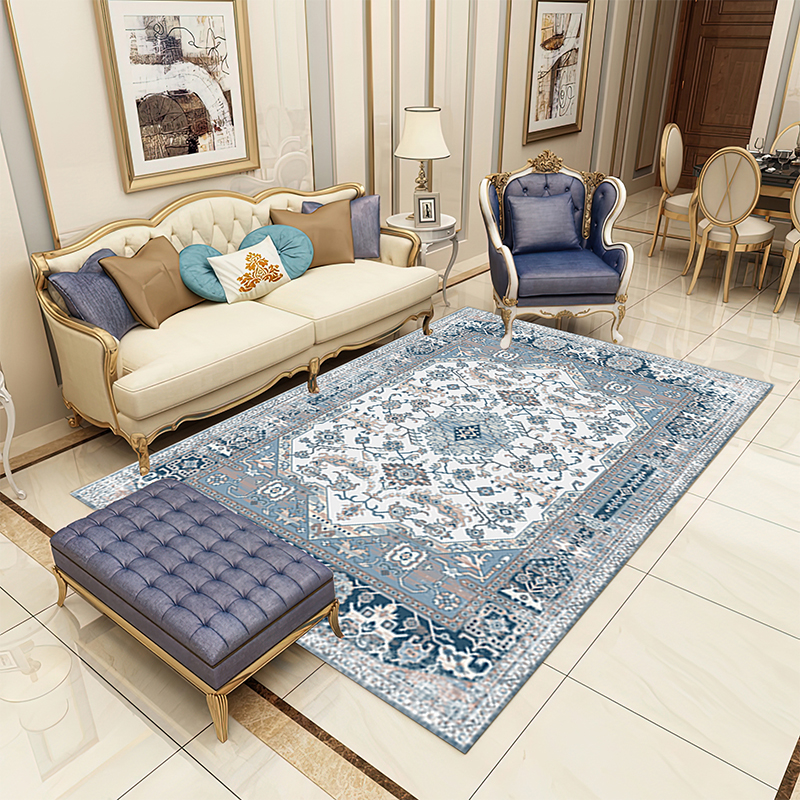
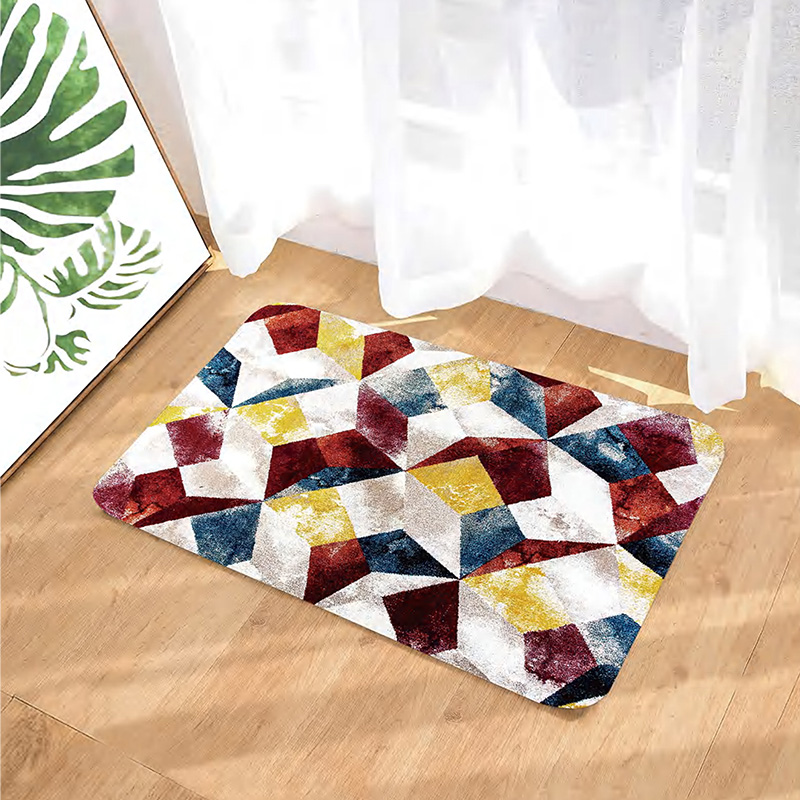
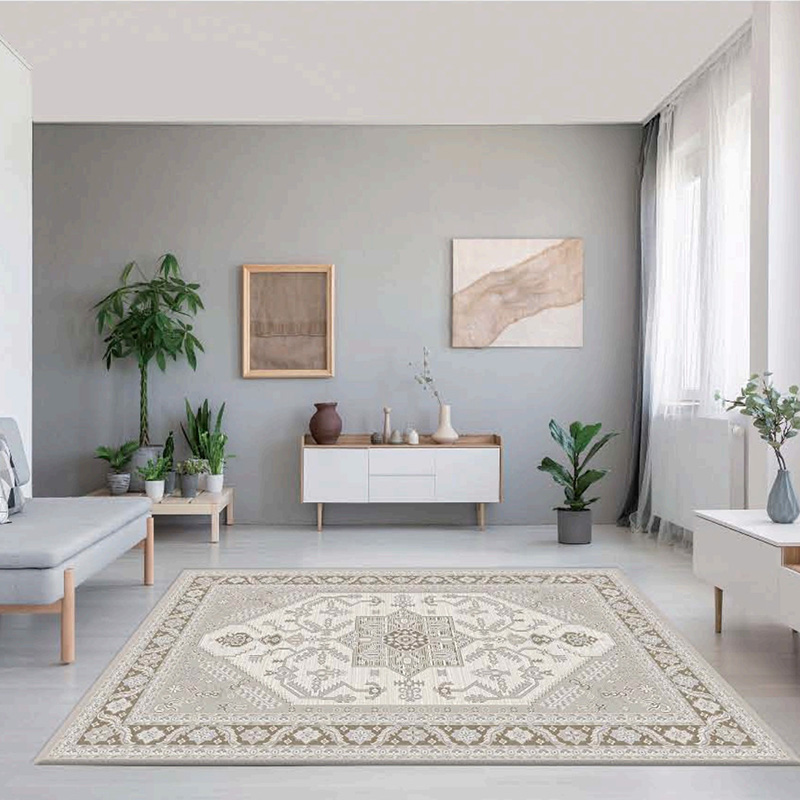
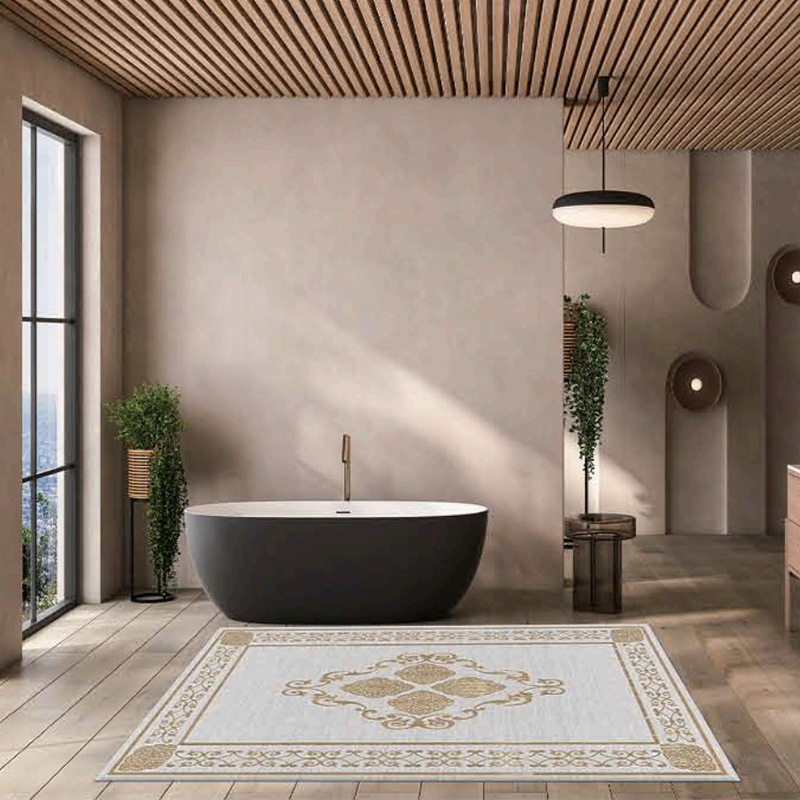
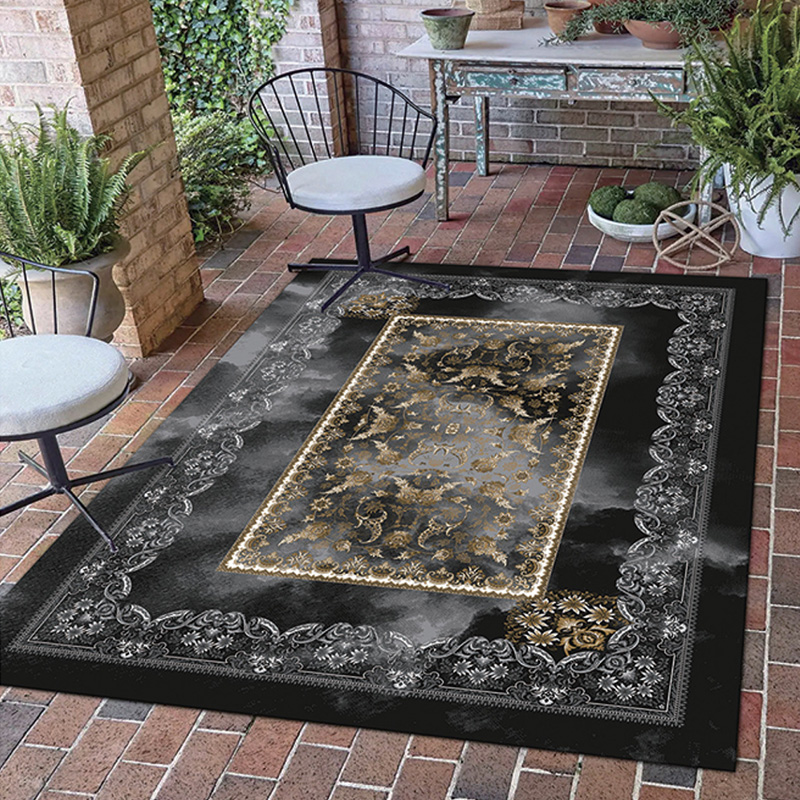
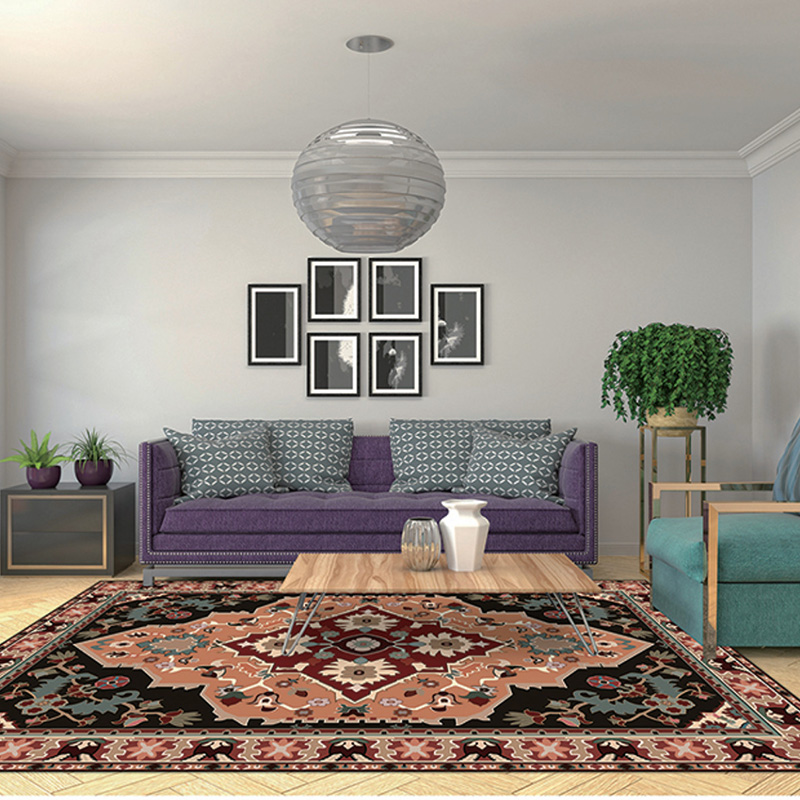
Living room rugs carry a lot of visual weight in a room, often more than a single piece of furniture does. A patterned rug can introduce color into a space that otherwise leans neutral, while a solid-toned rug can settle down a room that already has busy wallpaper, art, or upholstery competing for attention. Designers often treat the rug as either the anchor pattern in a room or the quiet backdrop that lets other elements stand out.
Layering has become a common technique in recent interior work — placing a smaller patterned rug over a larger neutral one adds depth and texture without overwhelming the room, giving designers a way to experiment with contrast without a full commitment to one dominant pattern.
Matching Rug Shape to Room Geometry
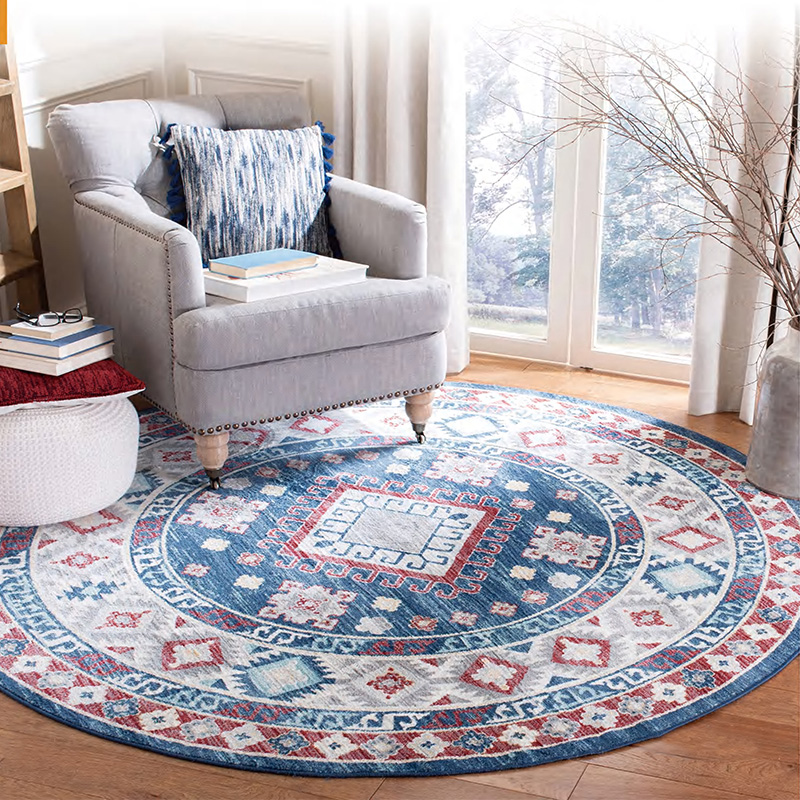
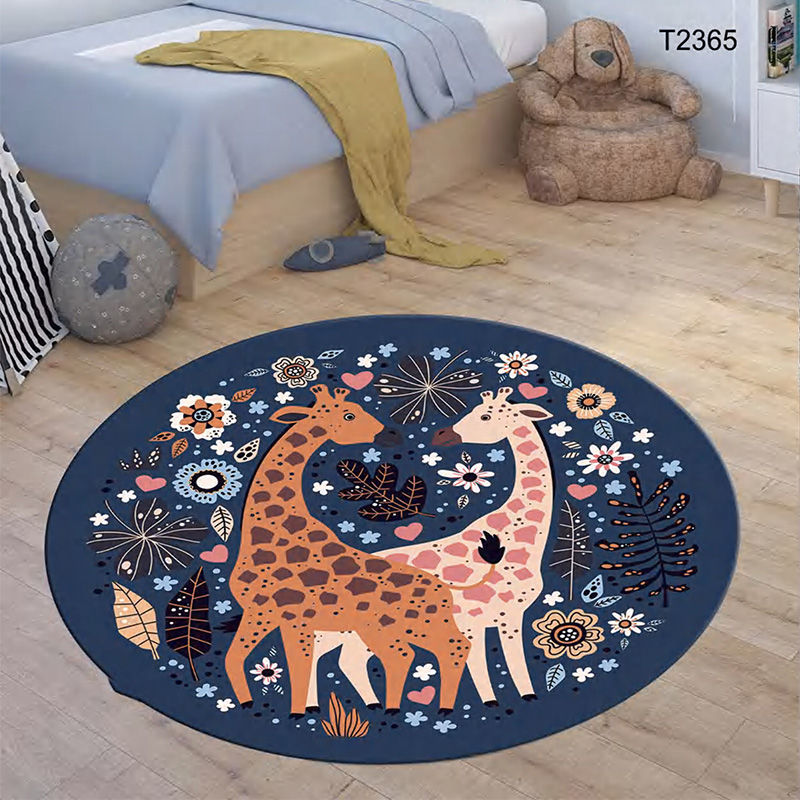
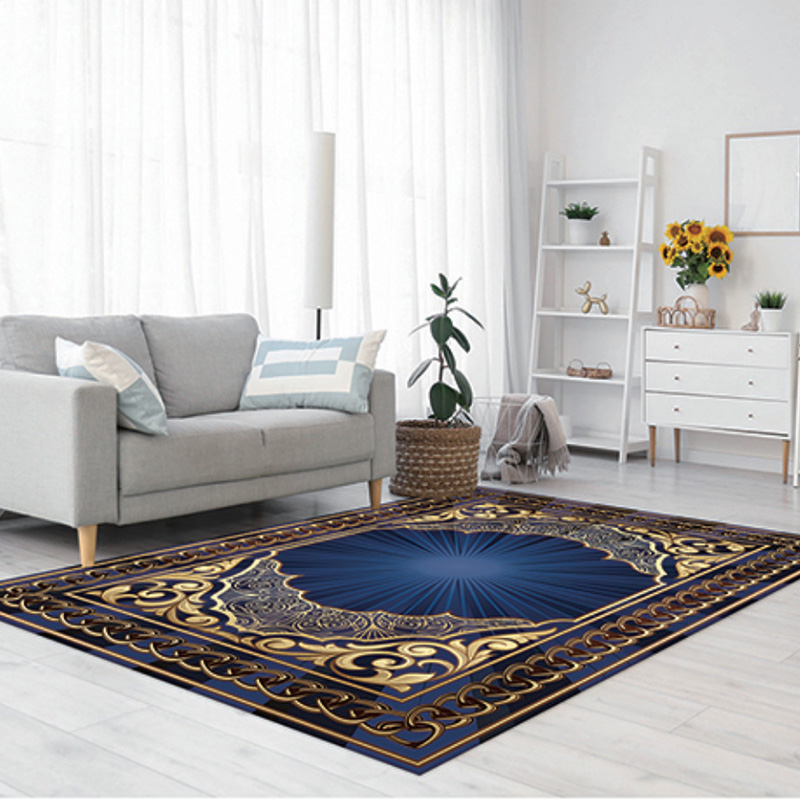
Rectangular living room rugs align naturally with rectangular seating arrangements, which describes a large share of standard sofa-and-loveseat layouts. Round rugs tend to appear under circular coffee tables or within reading nooks, where a softer geometry breaks up a room otherwise dominated by straight lines. Irregularly shaped rooms occasionally call for custom-cut or asymmetrical rug shapes, a less conventional but increasingly visible choice in contemporary interior projects.
How Placement Shapes Perceived Space
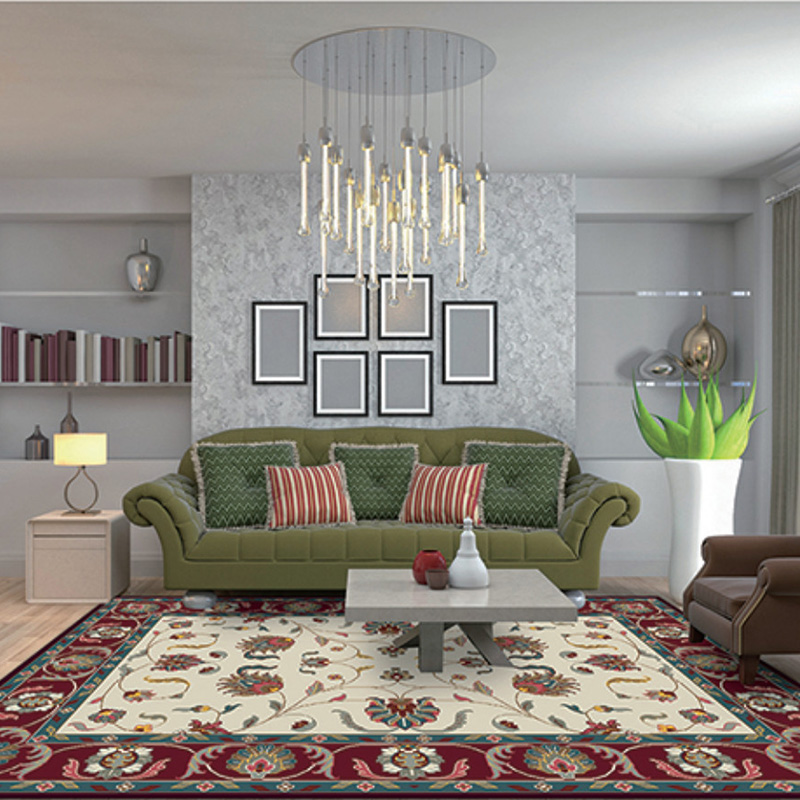
A recurring point of discussion around living room rugs is how much furniture should rest directly on the rug. Some layouts place every leg of every seating piece on the rug, creating one fully unified zone. Others rest only the front legs on the rug's edge, an approach that suits smaller rooms where full coverage isn't practical. Both arrangements appear frequently in professionally styled spaces, and the choice tends to come down to proportion — how the rug's footprint relates to the furniture grouped on top of it, rather than any fixed rule.