 0
0
 Language
  英语
英语 阿拉伯语
阿拉伯语 德语
德语
More Than a Decorative Surface
Walk into a rug showroom and it is easy to notice color first. Look a little closer, however, and a different story appears. Repeated motifs, border arrangements, fiber choices, weaving methods, and regional design traditions all contribute to how a rug looks and feels.
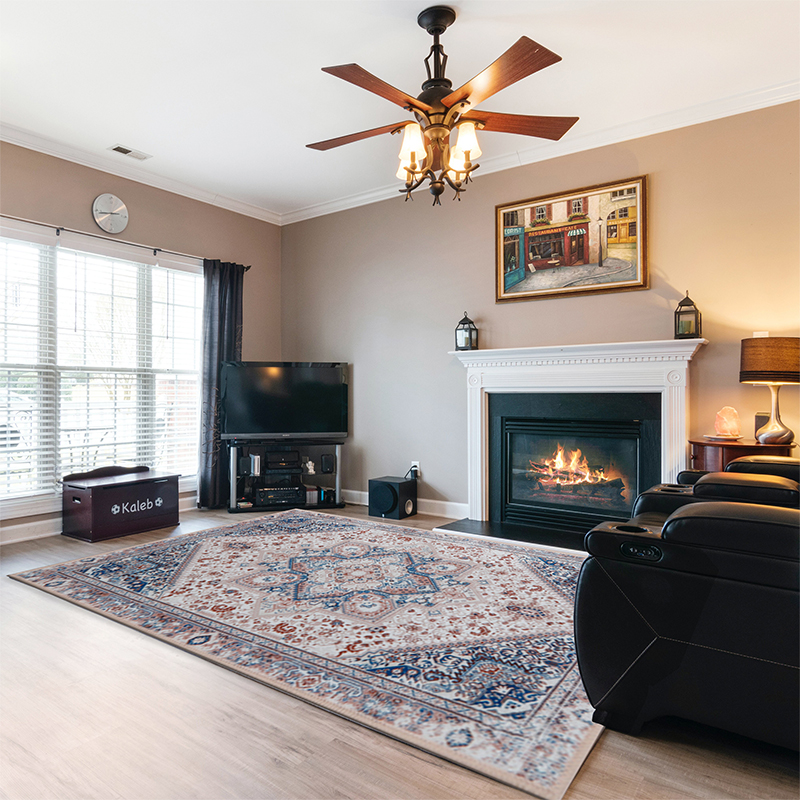
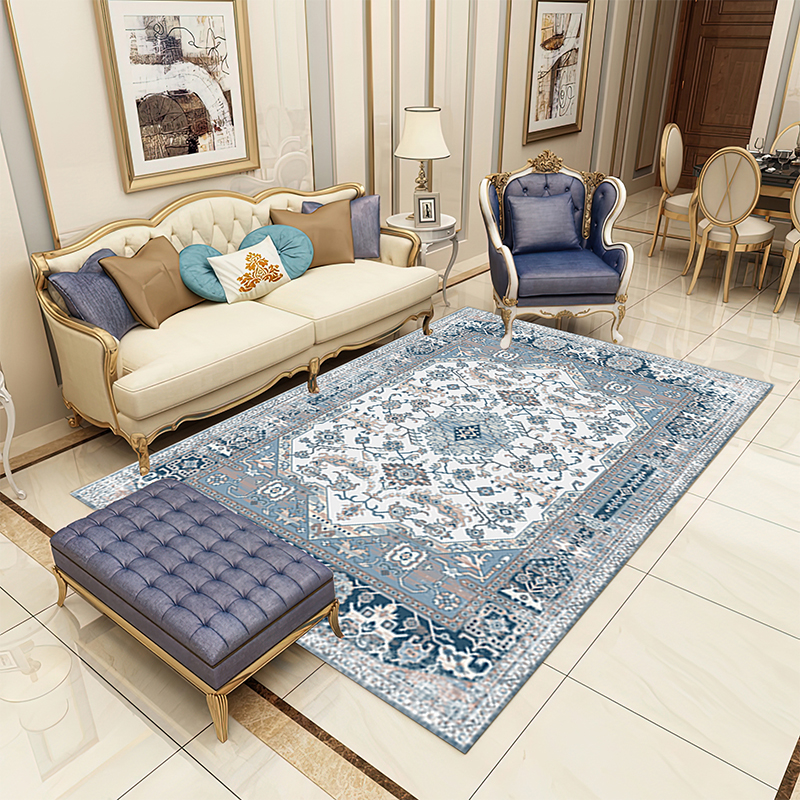
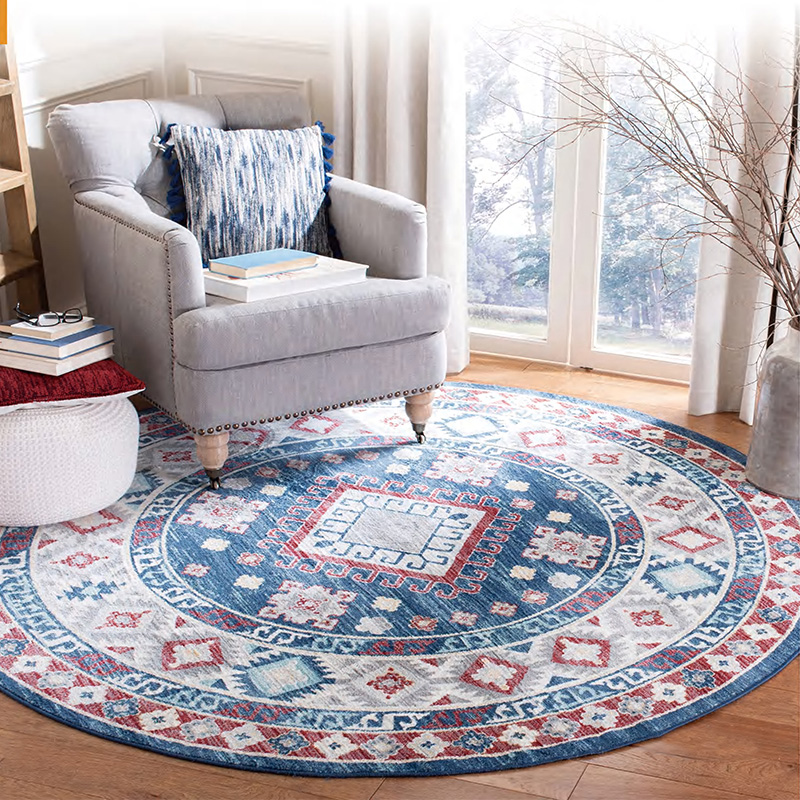
Oriental Rugs are particularly interesting because the term covers a broad family of woven and knotted rugs associated with regions across Asia and nearby cultural areas. Designs can differ significantly from one production center to another, giving wholesalers, interior suppliers, and rug retailers a wide range of styles to consider.
Rather than treating every rug as a similar decorative item, professional buyers often examine construction details alongside visual characteristics.
Pattern Is Part of the Product
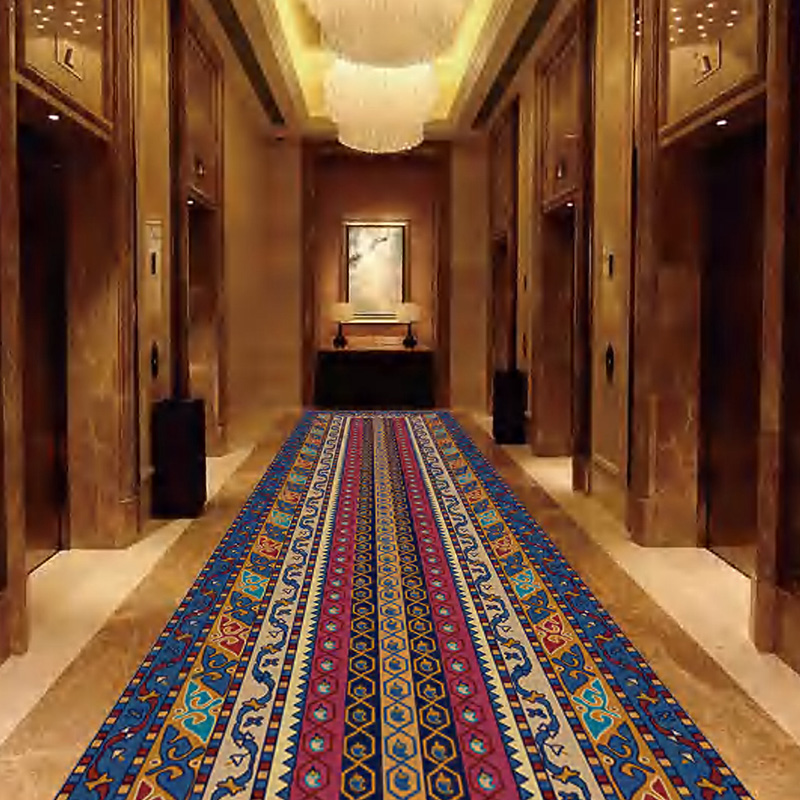
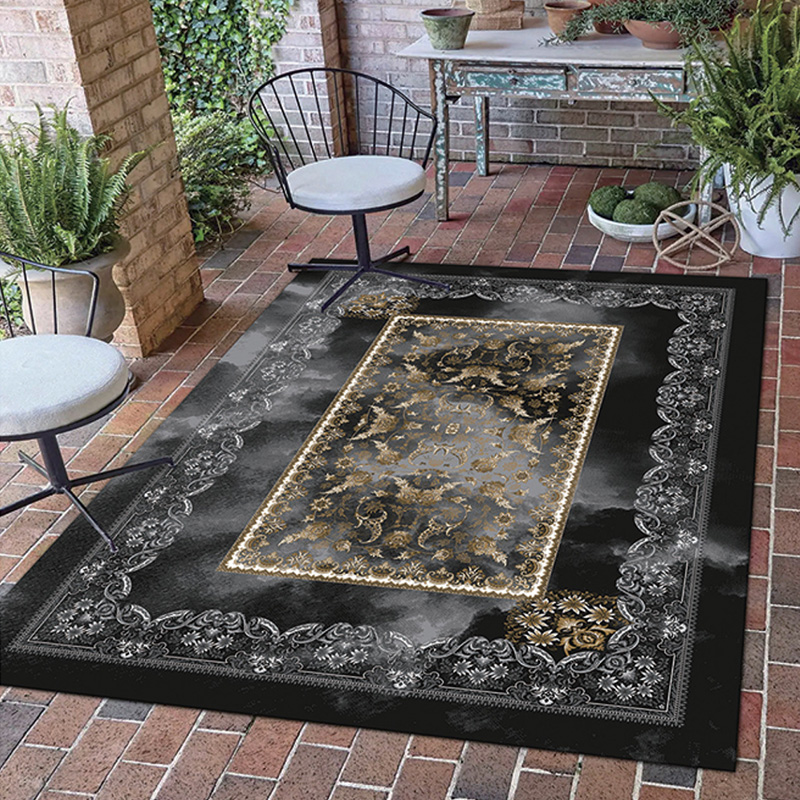
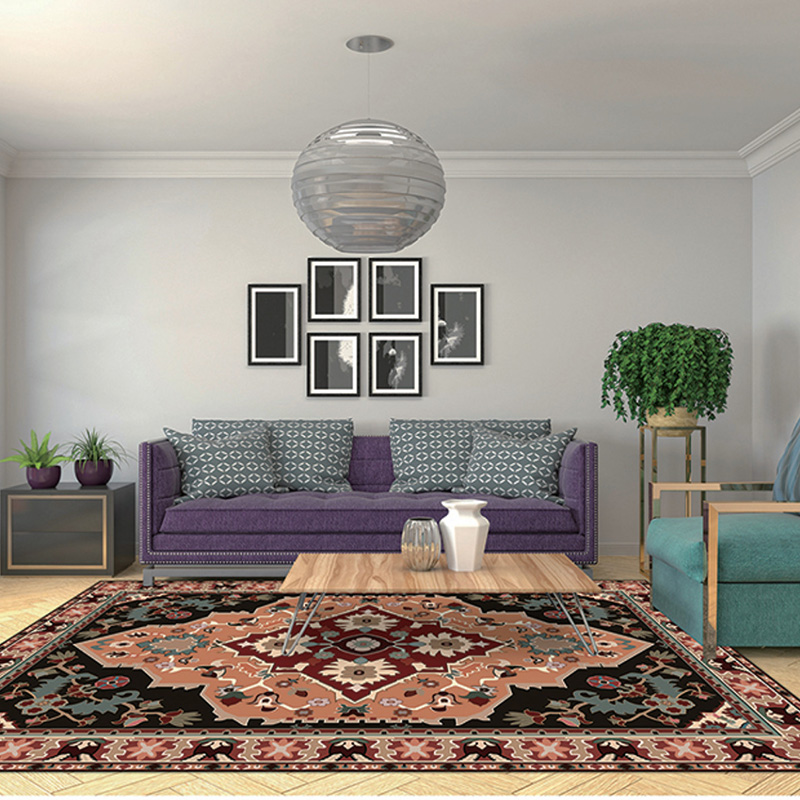
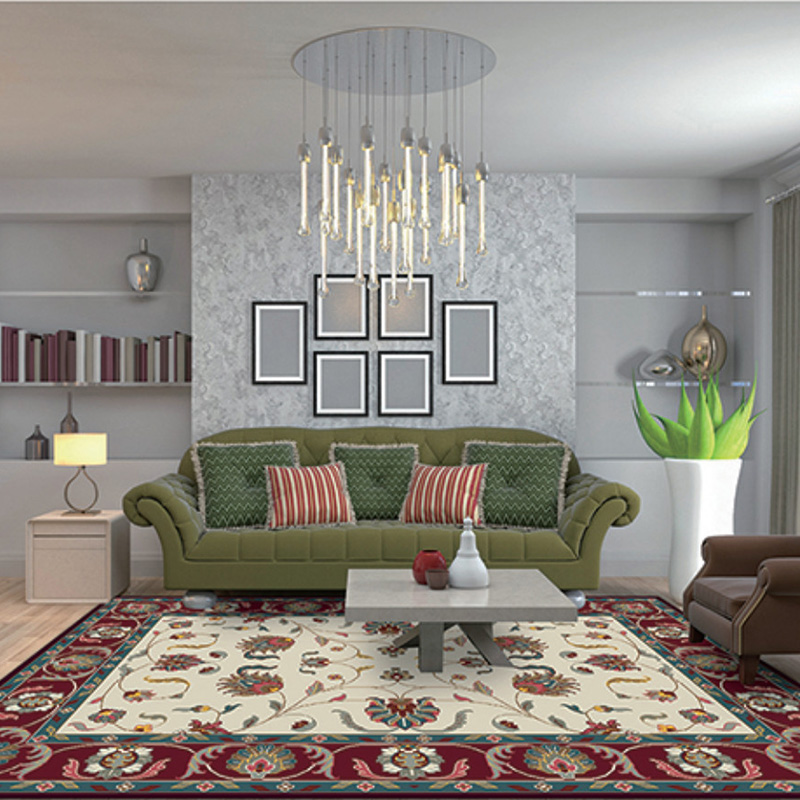
Pattern plays an important role in the identity of Oriental Rugs. Floral elements, geometric shapes, medallions, repeating borders, vines, and smaller symbolic motifs can be arranged in many different ways.
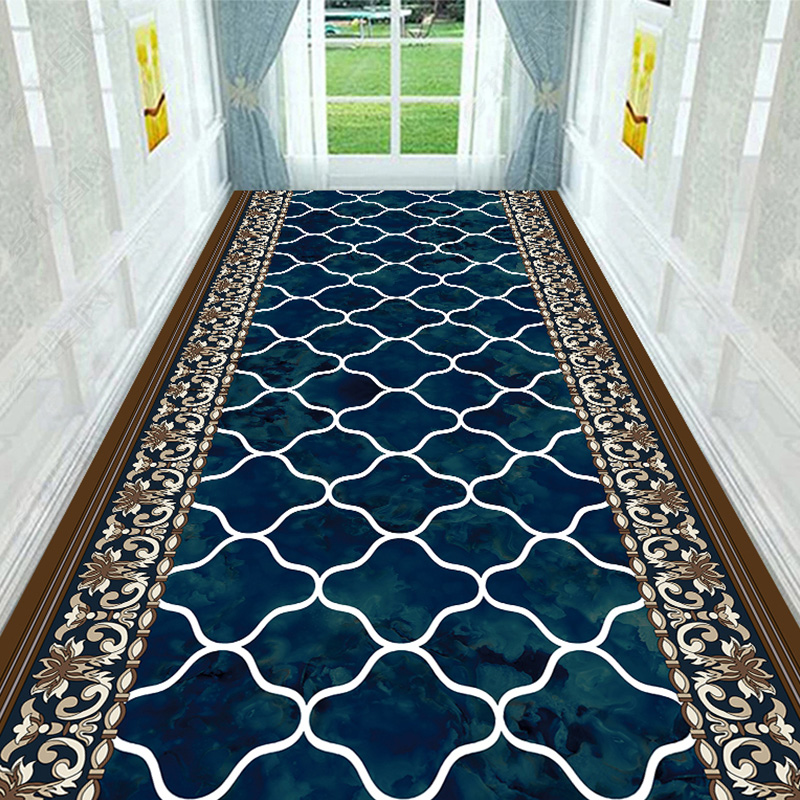
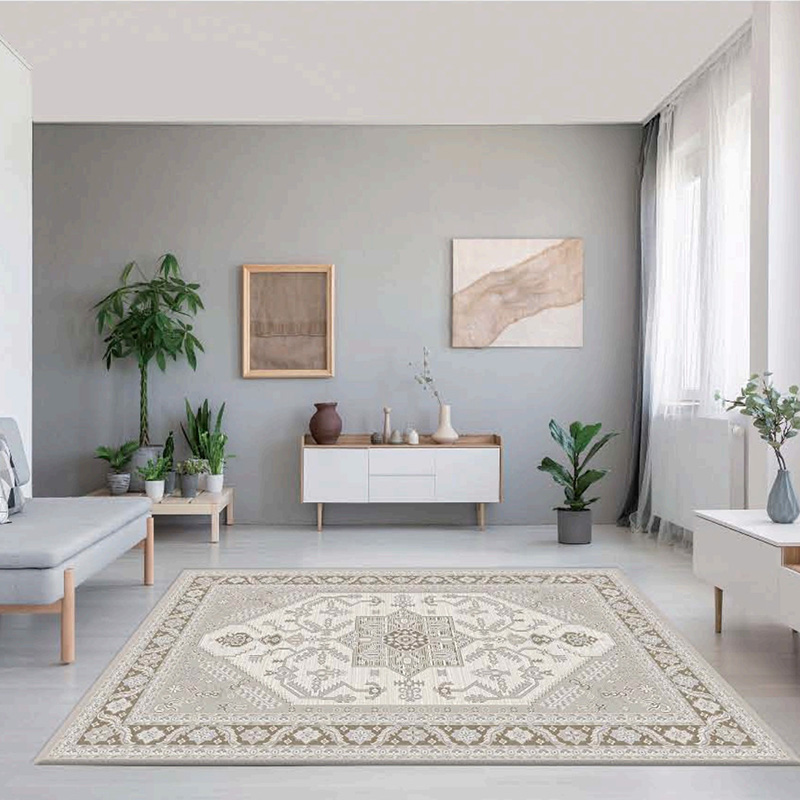
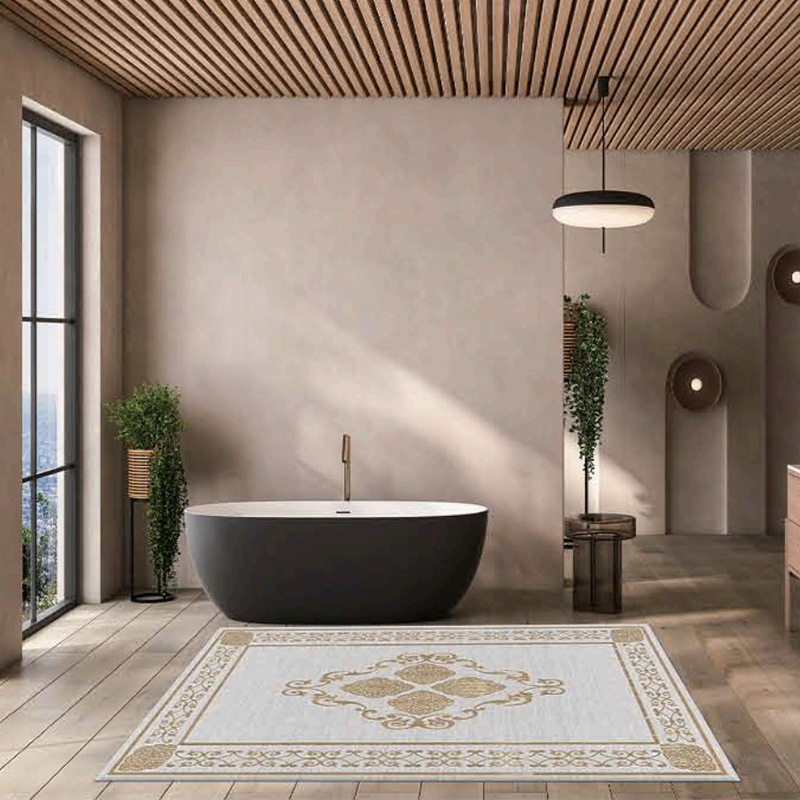
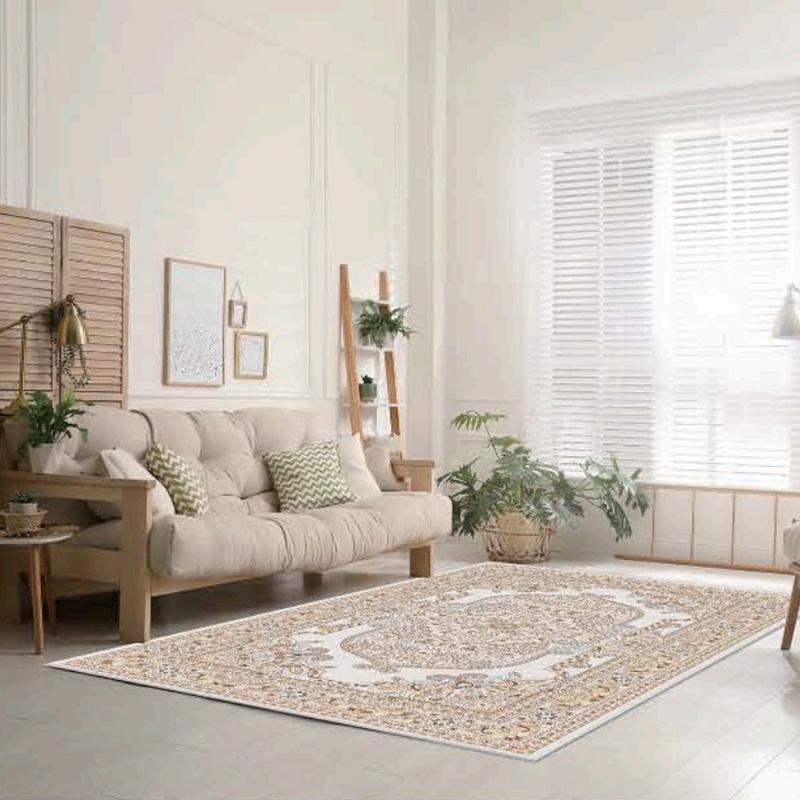
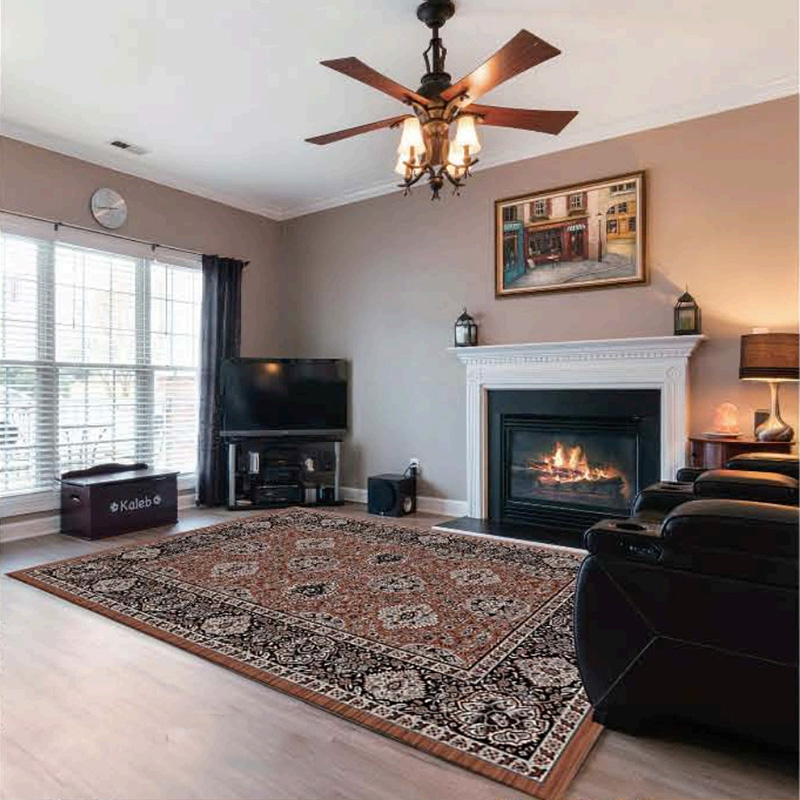
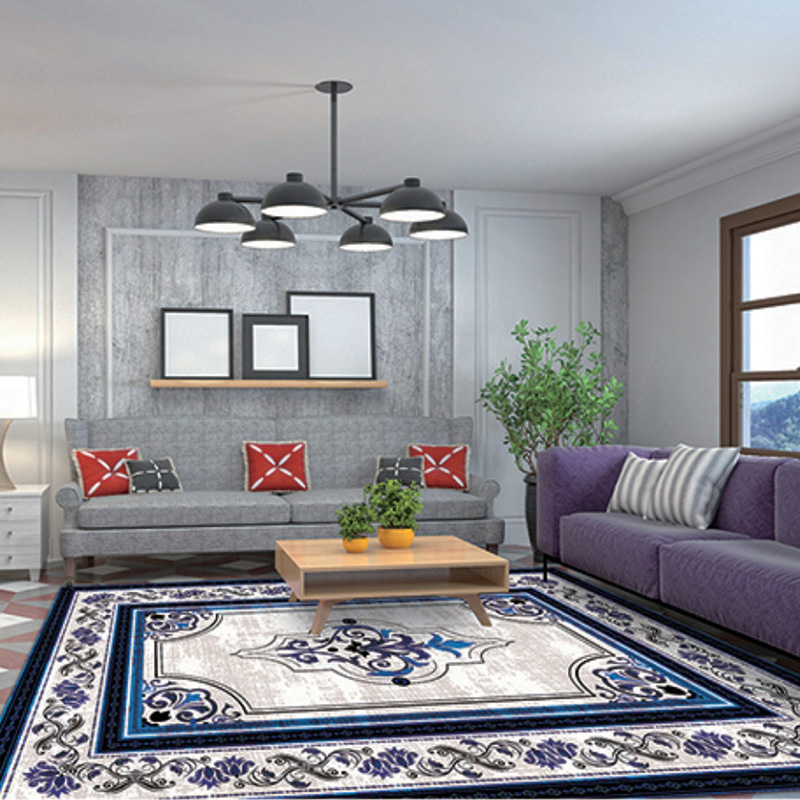
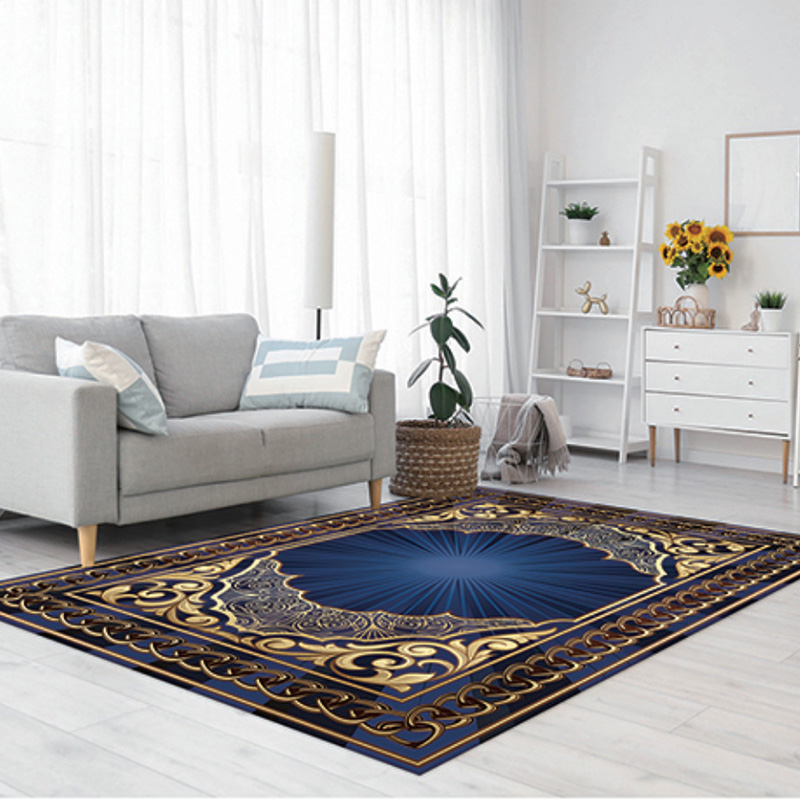
A central medallion can create a strong focal point, while an all-over pattern spreads visual activity across the entire surface. Border systems can also change the appearance of a rug considerably. Some designs use several narrow borders around a wider central field, while others create a stronger contrast between the edge and the middle.
For product catalogs, describing these differences clearly can help buyers understand the character of a rug without relying only on photographs.
Fiber Changes Texture and Appearance
Fiber selection is another important part of rug production. Wool, cotton, silk, and blended materials can produce different surface effects, handle, density, and visual texture.
Wool is widely associated with traditional rug production because its natural structure works well for various weaving and knotting techniques. Cotton may appear in foundation structures or woven designs, while silk can create a smoother surface and sharper visual details.
For Oriental Rugs, fiber information can therefore be useful when developing wholesale product descriptions. A simple material reference gives distributors another way to organize collections according to construction and intended design character.
Weaving Techniques Shape the Surface
A rug's appearance is closely connected to how it is constructed. Hand-knotting creates individual knots that form the pile, while hand-weaving and flat-weaving produce different surface structures. Machine production can also reproduce detailed patterns through controlled manufacturing processes.
These methods influence more than production speed. They can affect texture, pattern definition, surface density, and the overall visual rhythm of a rug.
When comparing Oriental Rugs, buyers involved in sourcing may therefore look beyond the finished image. Construction method, pile structure, backing, edge treatment, and material composition can all become useful catalog information.
Commercial Sourcing Needs Clear Product Information
For distributors handling Oriental Rugs, visual appeal is only one part of product communication. Buyers may also need information about dimensions, fiber content, construction method, pile height, backing, edge finishing, and packaging format.
Clear classification makes it easier to compare different products during wholesale sourcing. It can also help sales teams explain why two rugs with similar colors may have different textures or construction methods.
A well-structured product catalog does not need complicated language. Short descriptions supported by accurate construction details can make individual rug models easier to distinguish.