 0
0
 Language
  英语
英语 阿拉伯语
阿拉伯语 德语
德语
Walk down a hotel corridor, an office hallway, or someone's home entryway, and there's a decent chance a long, narrow strip of carpet runs beneath your feet. Carpet runners have quietly become one of those items that show up everywhere without drawing much attention to themselves — until you notice how much a hallway loses without one.
What Exactly Is A Carpet Runner
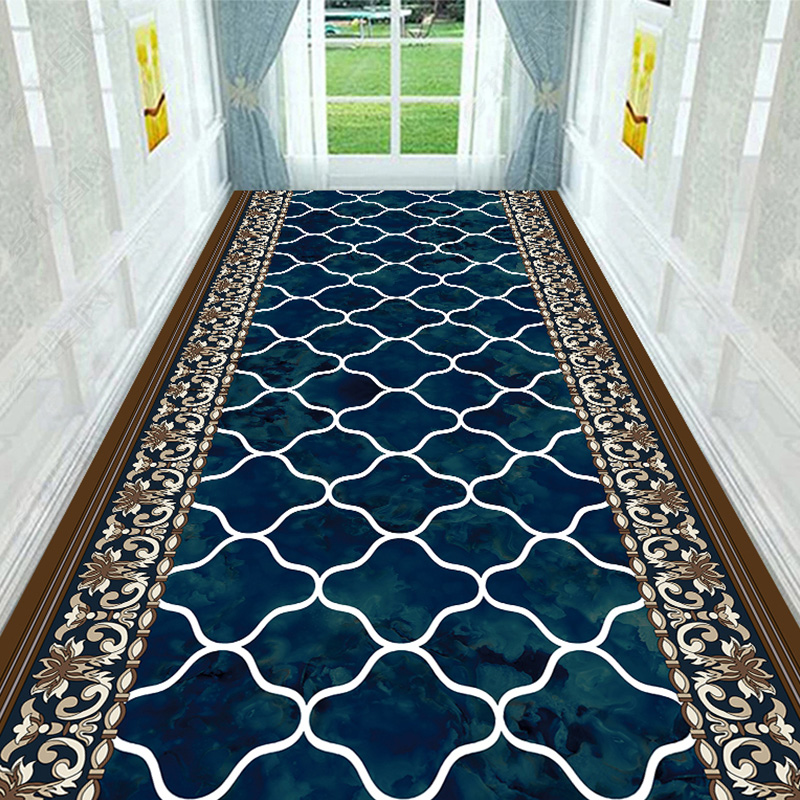
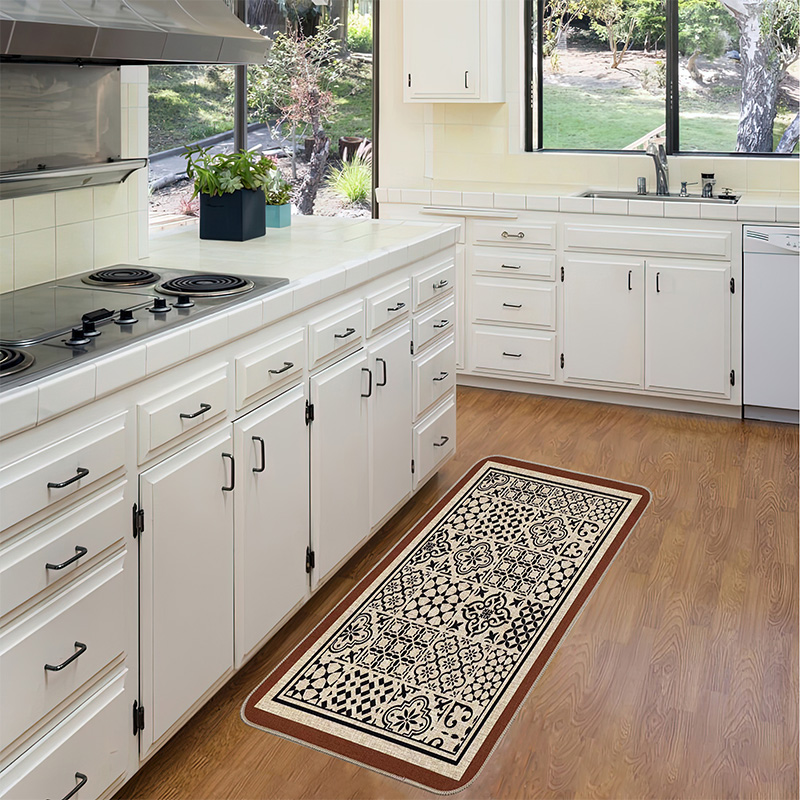
Carpet runners are long, narrow rugs designed to fit hallways, staircases, entryways, and other elongated spaces where a standard area rug wouldn't make sense. Widths typically range from around two feet up to four feet, while lengths stretch anywhere from a few feet to custom-cut sizes covering entire corridors. Buyers sourcing these products often specify exact dimensions since hallway widths vary so much between buildings.
Material choices shape both feel and function. Wool runners bring a soft, plush texture that holds up under moderate foot traffic. Synthetic options like nylon or polypropylene offer easier cleaning and resist staining better than natural fibers, which matters in commercial settings receiving continuous foot traffic all day. Some manufacturers blend fibers together, aiming for a balance between texture and durability.
Where Carpet Runners Get Used
Residential buyers usually place carpet runners along staircases, hallways connecting bedrooms, or entryways just past a front door. In these settings, runners protect hardwood or tile flooring from scuff marks and cushion footsteps, particularly appreciated in households with young children or older residents navigating stairs.
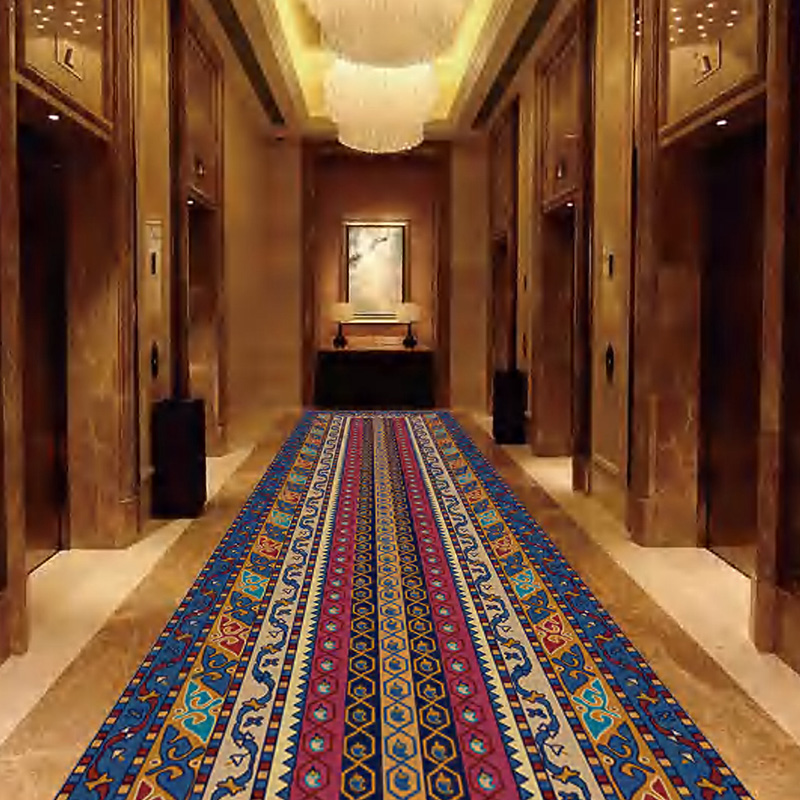
Commercial applications look a bit different. Hotels line long corridors with patterned runners that tie into overall interior branding. Office buildings use them in reception areas and hallways to conference rooms. Retail spaces sometimes place them near entrances, guiding foot traffic while adding a layer of visual polish that bare flooring doesn't provide.
A few common placement scenarios include:
- Staircase runners secured with metal or wooden stair rods for a traditional look
- Hallway runners cut to precise lengths matching corridor dimensions
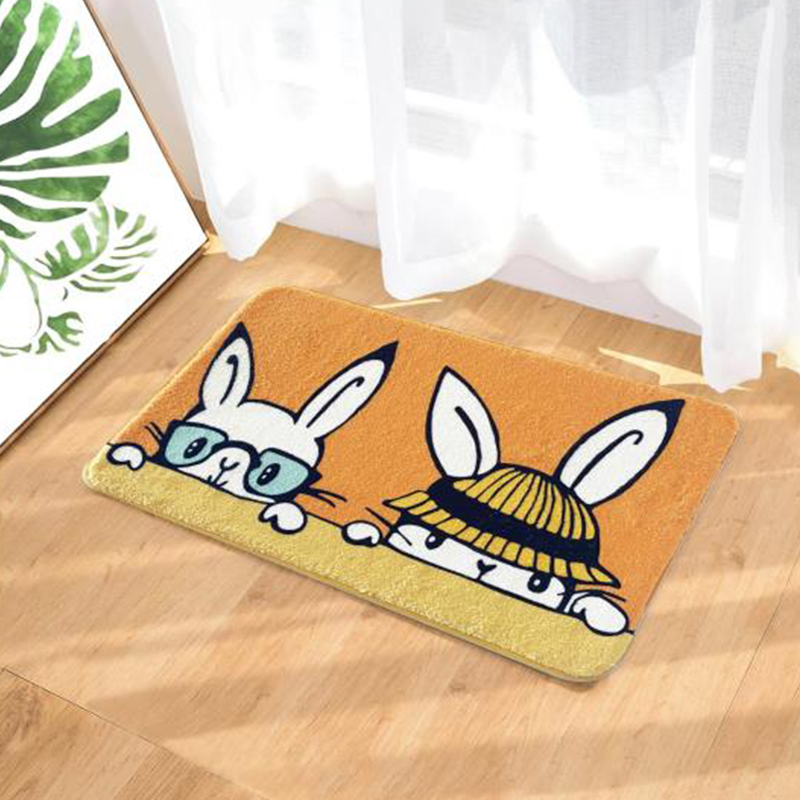
- Entryway runners positioned just inside doorways to catch dirt and moisture
Pattern And Color Considerations
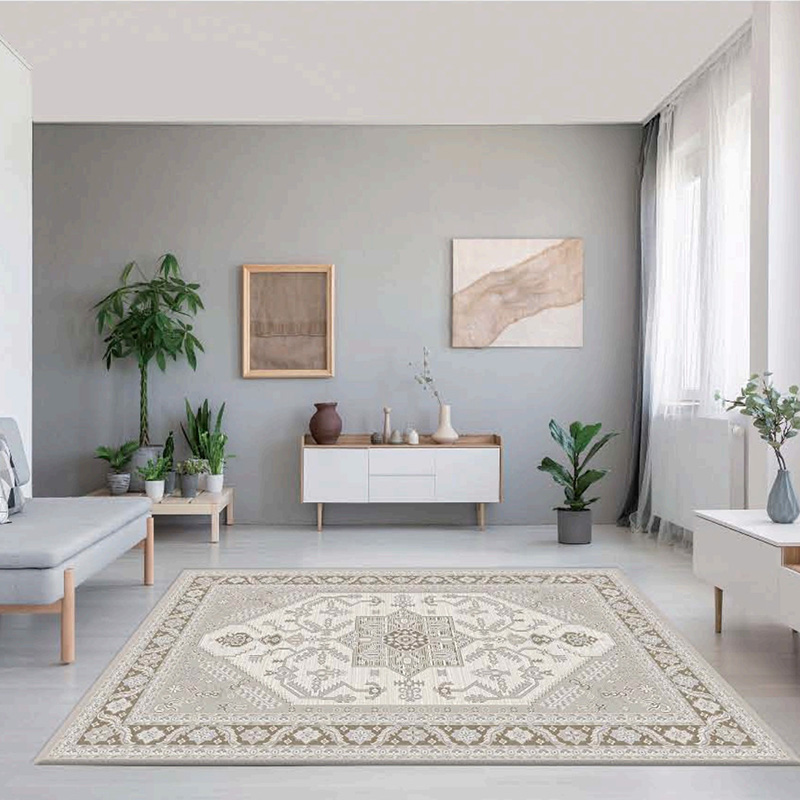
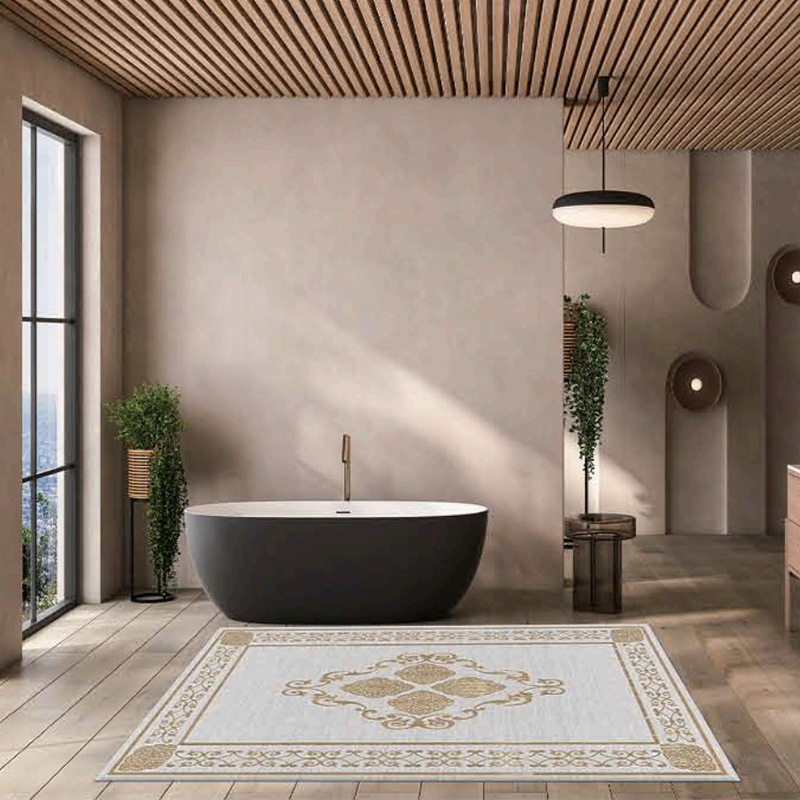
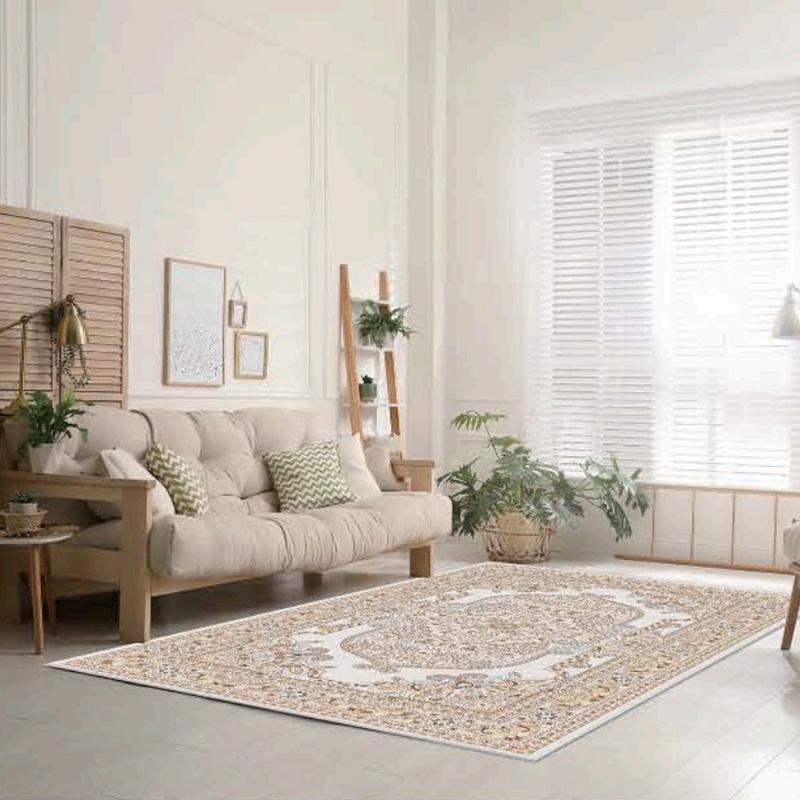
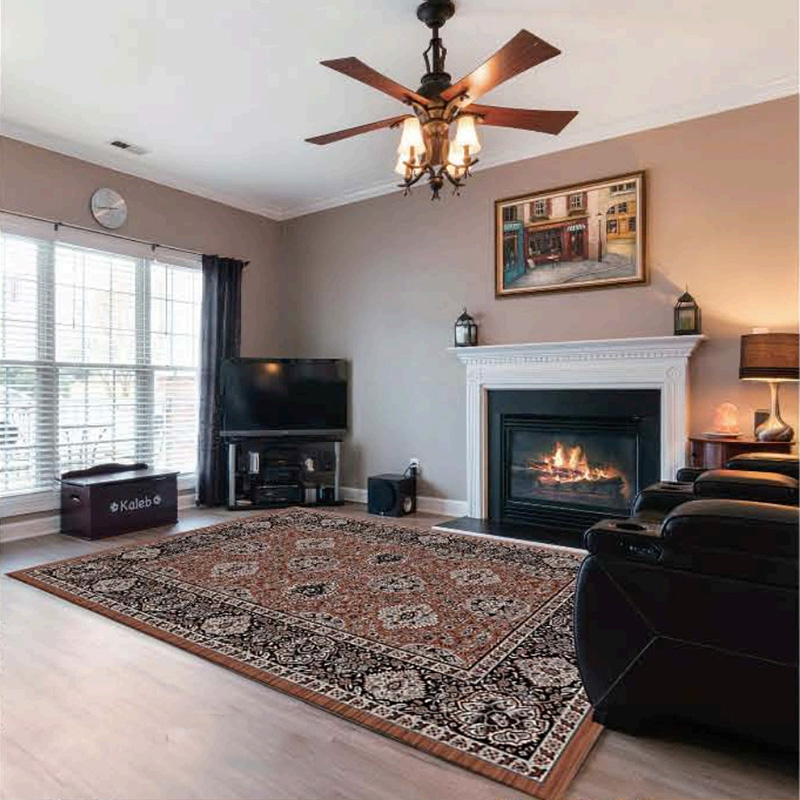
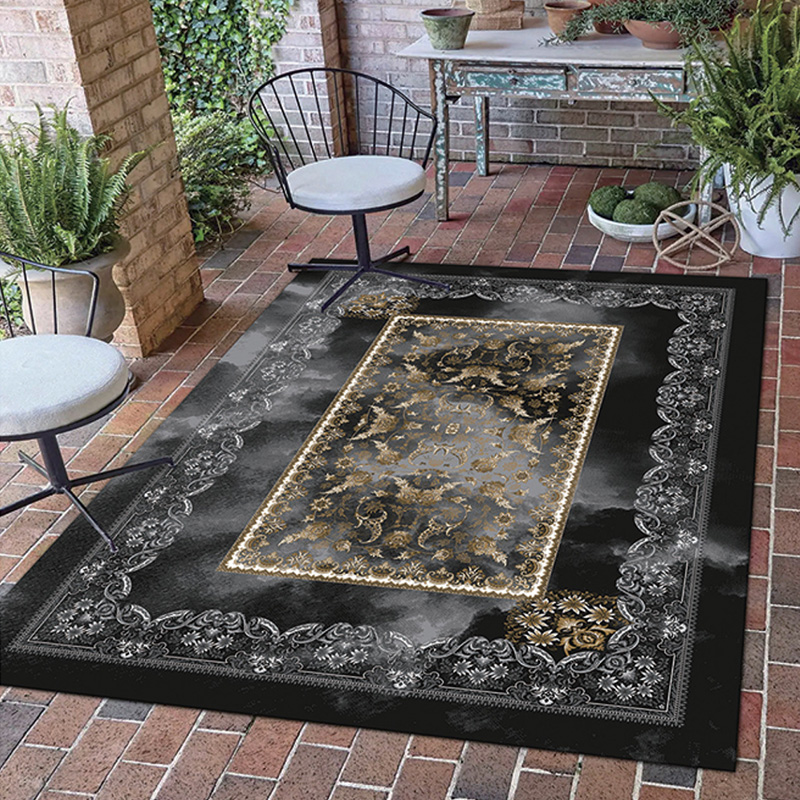
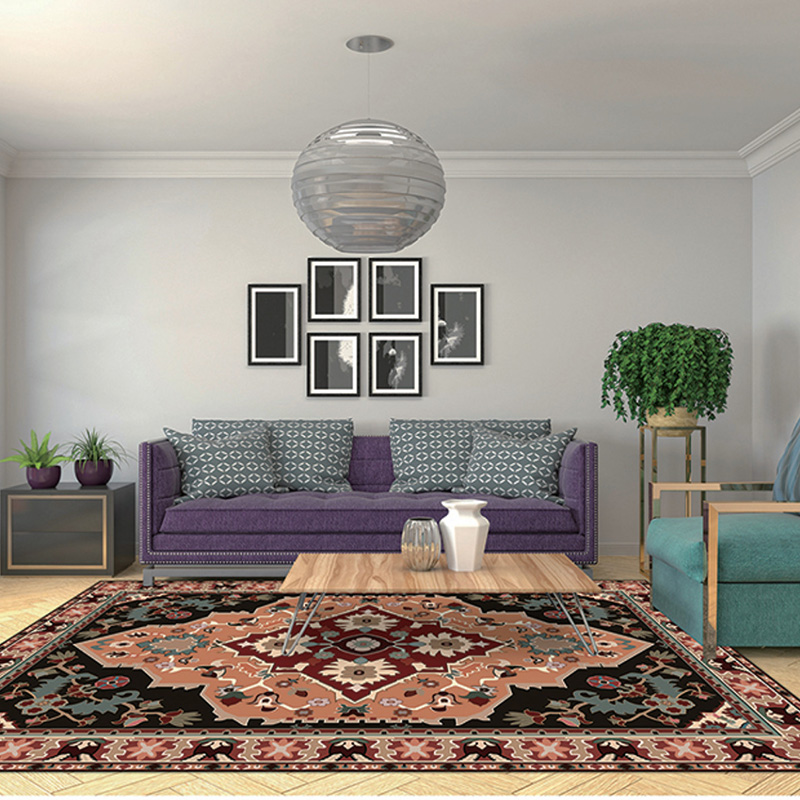
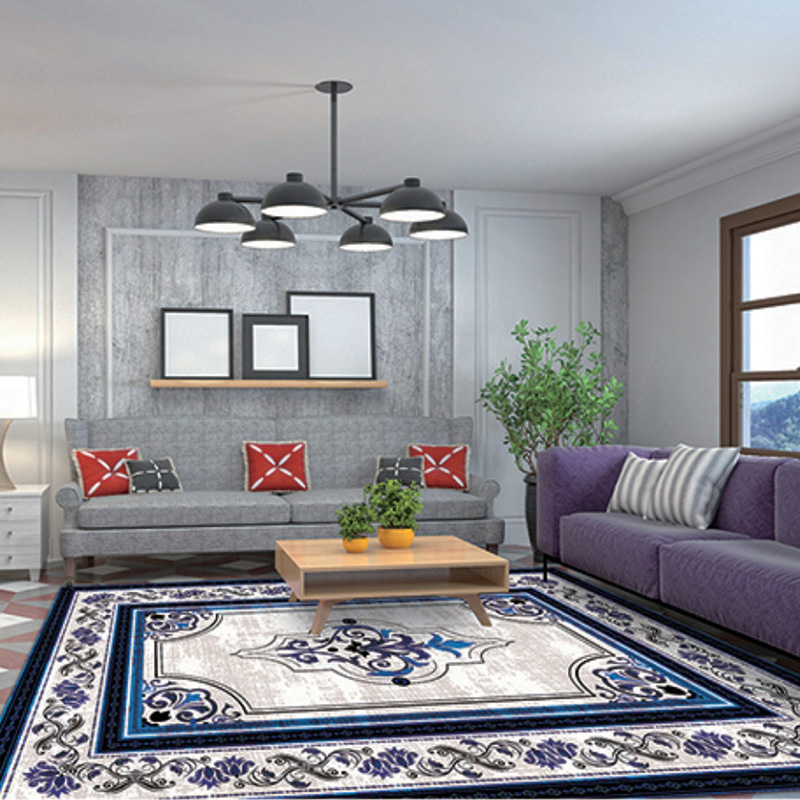
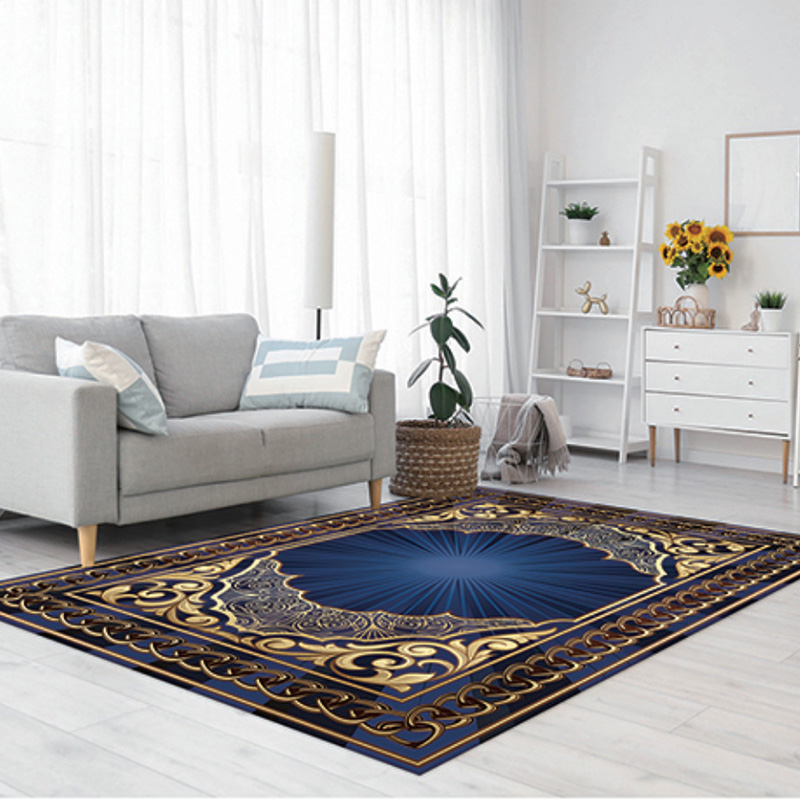
Buyers ordering carpet runners often think through pattern selection carefully, since these products occupy long, visible stretches of floor space rather than sitting tucked under furniture like an area rug might. Geometric patterns and stripes tend to suit modern interiors, drawing the eye down a hallway and emphasizing length. Floral or damask-style patterns lean toward traditional settings, often chosen for period homes or hotels aiming for a classic atmosphere.
Solid colors offer flexibility too, particularly in commercial settings where a runner needs to coordinate with existing branding or wall colors without competing for attention. Darker solid tones also tend to hide dirt and wear marks better than lighter shades, something facility managers weigh when selecting runners for high-traffic corridors.
A Practical Fit For Long Spaces
Carpet runners solve a straightforward design problem: covering narrow, elongated spaces that standard rugs can't handle gracefully. Whether lining a staircase, softening a hallway, or adding a layer of style near an entrance, these products combine practical floor protection with a chance to bring color and pattern into spaces that often get overlooked in interior planning. For buyers sourcing runners at scale, paying attention to width, backing type, and pile height tends to matter more than pattern alone, since those factors determine how well a runner performs in the specific space it's meant to fill.