 0
0
 Language
  英语
英语 阿拉伯语
阿拉伯语 德语
德语
Stepping out of a shower or bath onto a hard floor can feel abrupt. A memory foam bath mat changes that moment by offering a cushioned surface that yields underfoot and then slowly returns to shape. The material compresses where the feet press and springs back once the weight shifts, creating a gentle, supportive feel that many people notice right away.
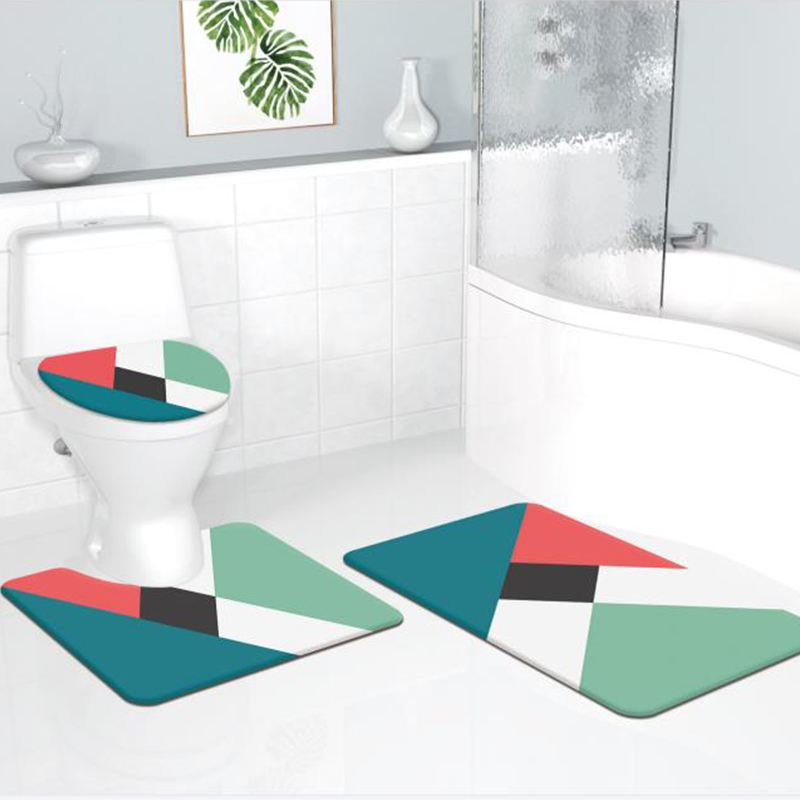
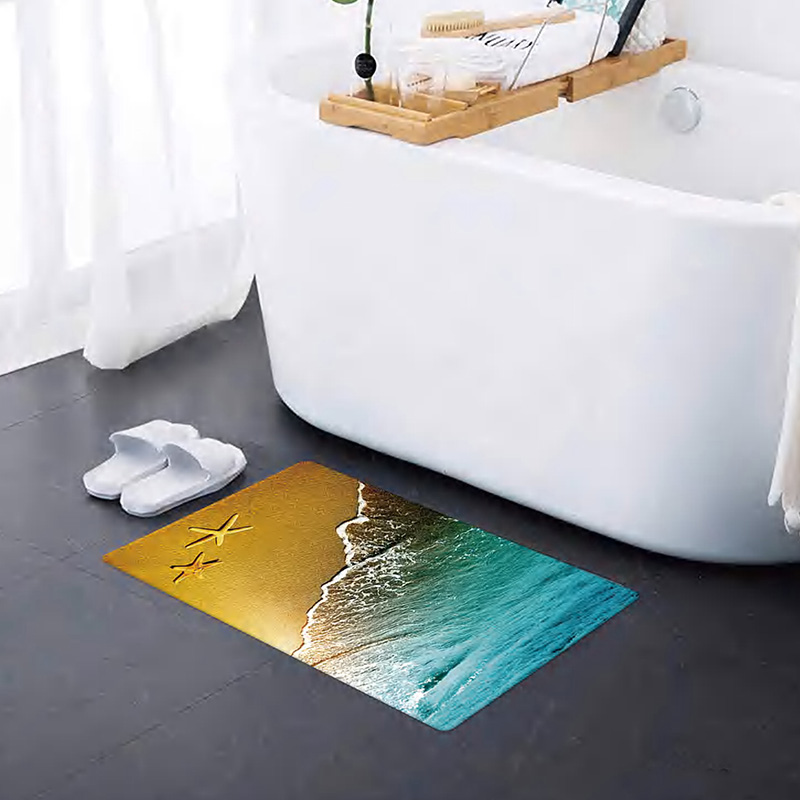
These mats usually sit on the bathroom floor beside the tub or shower stall. Their purpose is simple: to give a soft place to stand while drying off and to catch water that drips from skin and towels. The combination of cushioning and absorbency makes the transition from wet to dry more comfortable.
How the Material Responds to Pressure
Memory foam is a viscoelastic material. When weight is applied it softens and molds to the shape of the feet. When the weight is removed it gradually recovers its original form. In a bath mat this property produces a noticeable difference from ordinary flat mats. The surface feels thicker and more yielding, especially under the heels and arches.
The top layer is often covered with a soft fabric that feels pleasant against bare skin. Beneath that fabric the foam core provides the cushioning. A non-slip backing on the underside helps the mat stay in position on tiled or smooth floors. Together these layers create a stable yet soft platform.
Here are two groups of traits that commonly describe these mats:
- A foam core that compresses underfoot and slowly returns to shape
- A fabric surface that absorbs light moisture and feels soft against skin
These elements work together to make the mat both comfortable and practical.
Everyday Placement and Use
Most people place the memory foam bath mat directly where they step out of the shower or tub. The mat catches dripping water and gives a cushioned spot to stand while reaching for a towel. Some bathrooms have space for a second mat near the sink, where it softens the floor during morning or evening routines.
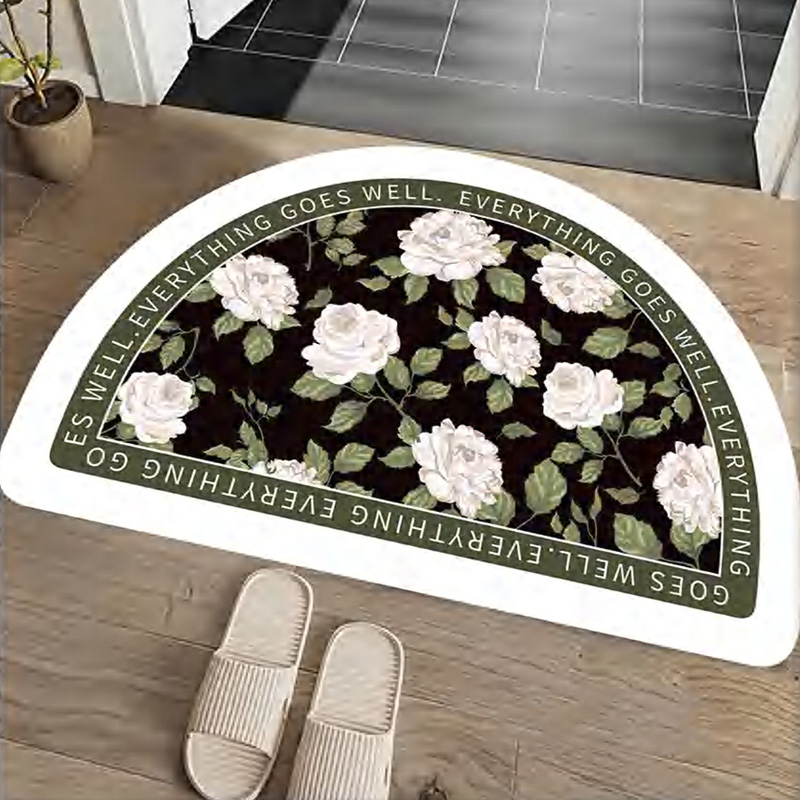
Size options range from compact rectangles that fit tight spaces to larger versions that cover more of the floor. Thickness also varies. A thicker foam layer offers more cushioning, while a thinner profile sits lower and may suit doors that swing close to the floor. The edges are often finished neatly so the mat lies flat without curling.
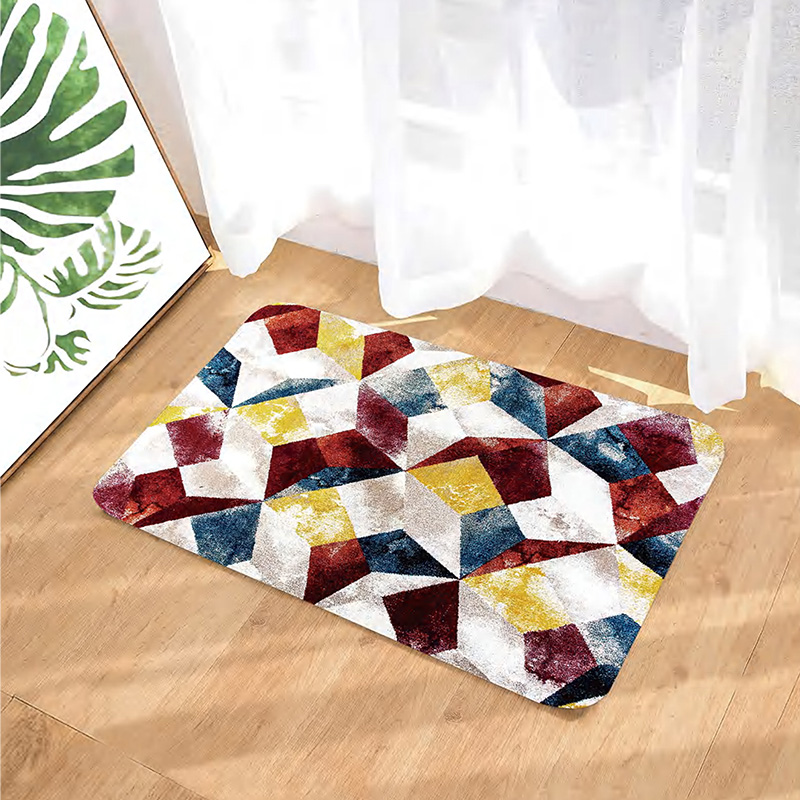
Color choices tend to be calm and neutral so the mat blends with common bathroom finishes. The overall appearance stays simple, letting the mat serve its function without drawing extra attention.
Practical Details That Affect Daily Experience
Water handling is a key part of the mat’s role. The fabric surface absorbs moisture from wet feet, while the foam core itself resists soaking through. After use the mat can be stood on edge or laid flat to air dry. The non-slip base keeps it from sliding when weight shifts or when the floor is damp.
The slow recovery of the foam means footprints remain visible for a short time after someone steps away. This temporary impression is a normal characteristic of the material and fades as the foam returns to its original shape.
Here are two practical notes that support regular use:
- Position the mat where feet naturally land after stepping out of the shower
- Allow the surface to air dry between uses so moisture does not remain trapped
These habits help the Memory Foam Bath Mat stay comfortable and ready for the next time it is needed.