 0
0
 Language
  英语
英语 阿拉伯语
阿拉伯语 德语
德语
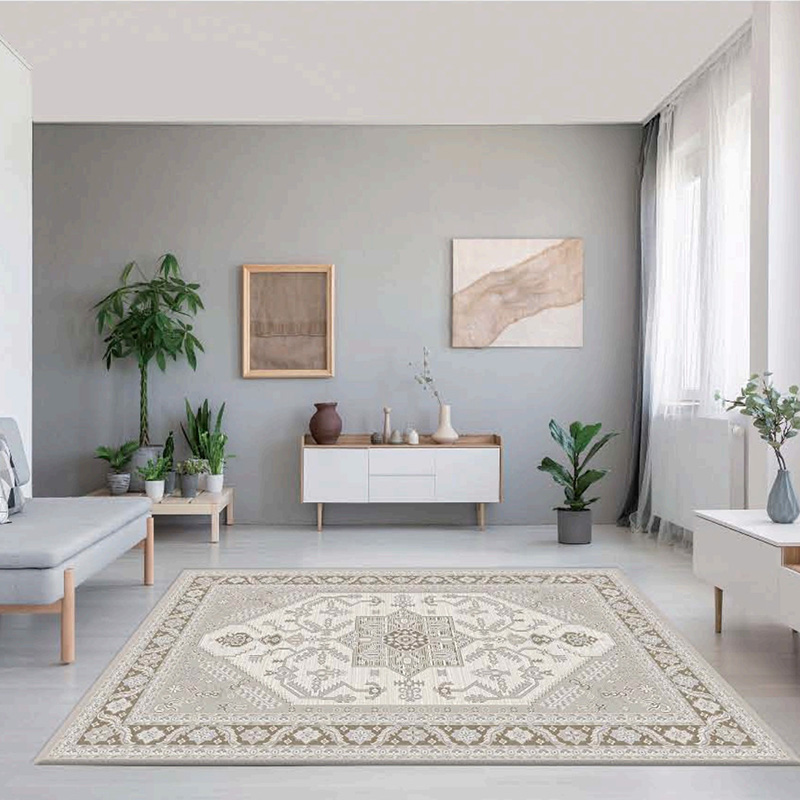
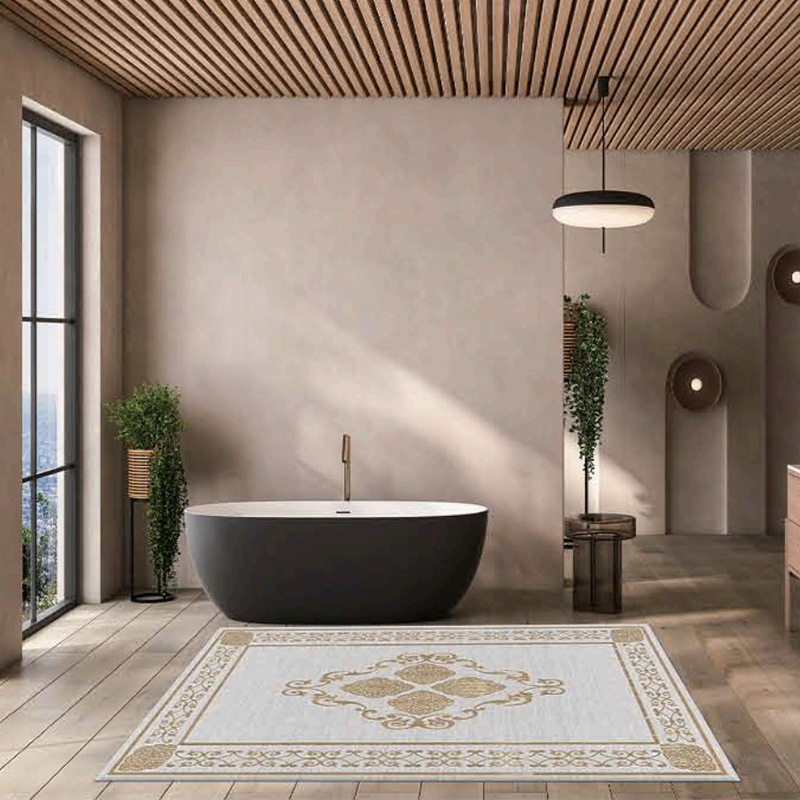
A room can have beautiful furniture, interesting lighting, and carefully selected decorations, yet still feel disconnected. One simple element can help bring those pieces together: a rug. Large Area Rugs have become a practical interior feature for living rooms, bedrooms, dining spaces, offices, and open-plan areas.
Unlike small accent rugs that define a limited section of a floor, large rugs can cover a broader visual area. This allows furniture, colors, patterns, and floor surfaces to feel more connected. The result is not simply a larger piece of fabric on the floor. It is a design element that helps establish the character of an entire room.
How Large Area Rugs Define A Room
Open rooms can sometimes lack clear visual boundaries. A sofa may sit near a coffee table, while a dining table occupies another section nearby. Without some form of visual separation, these areas can appear loosely arranged.
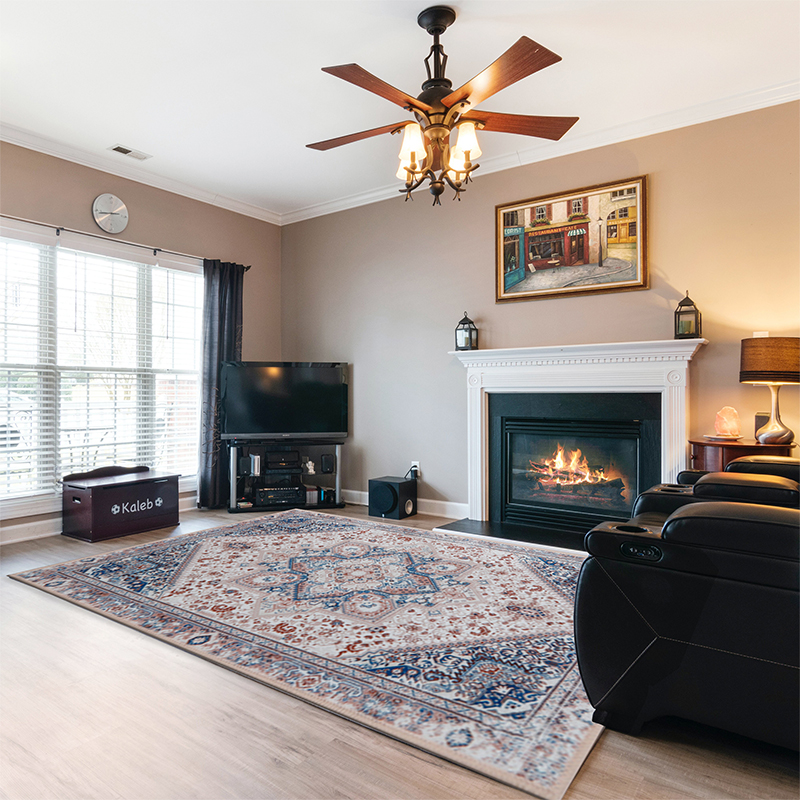
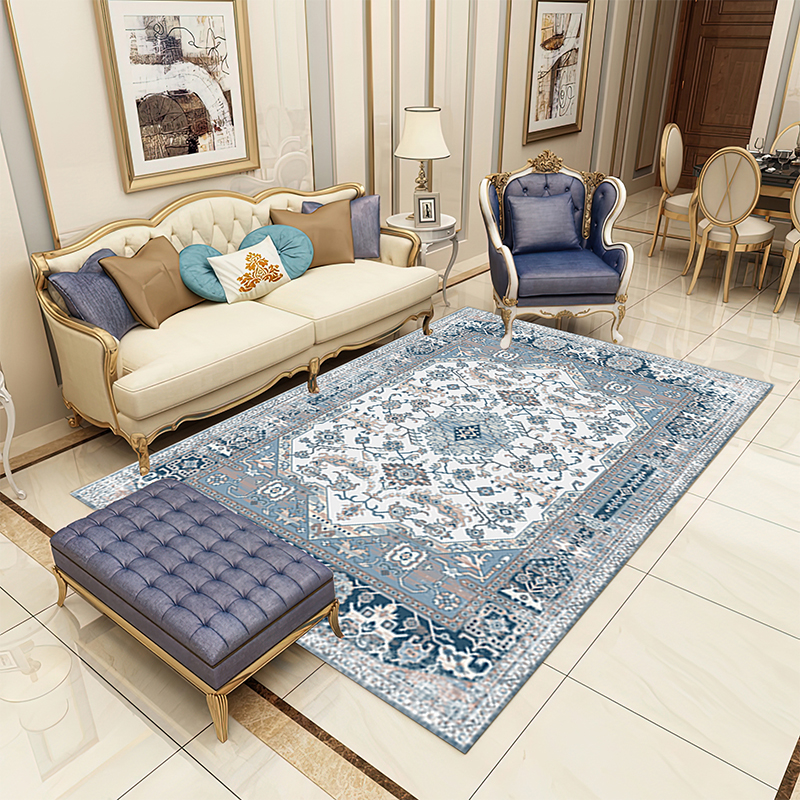
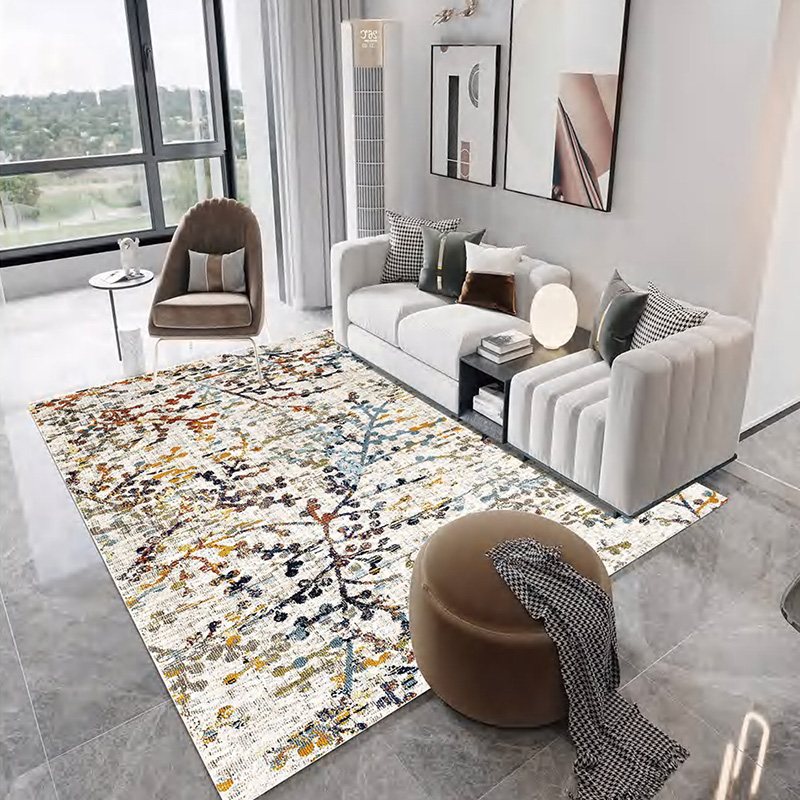
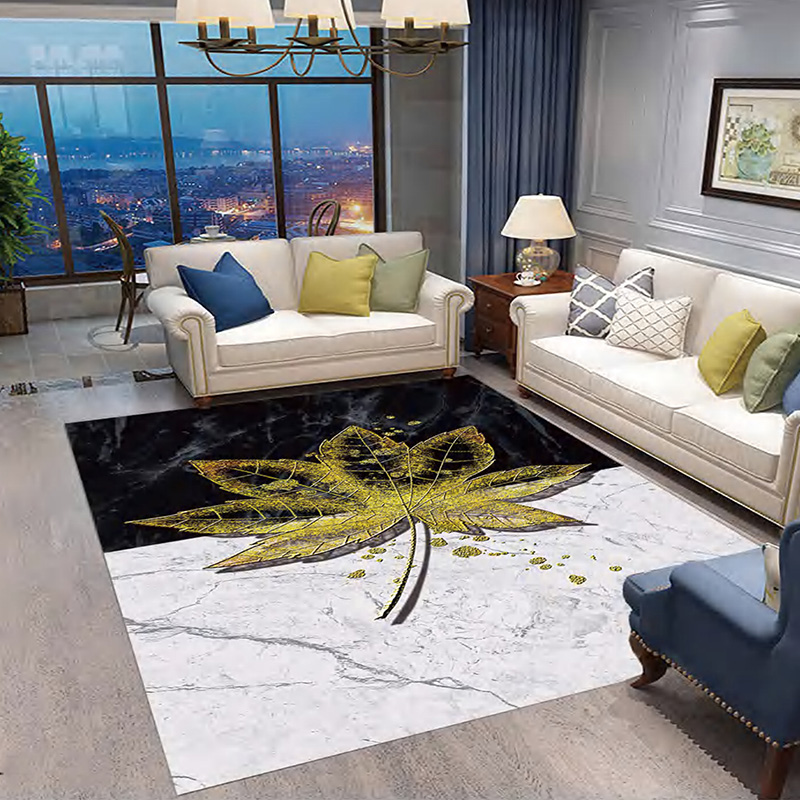
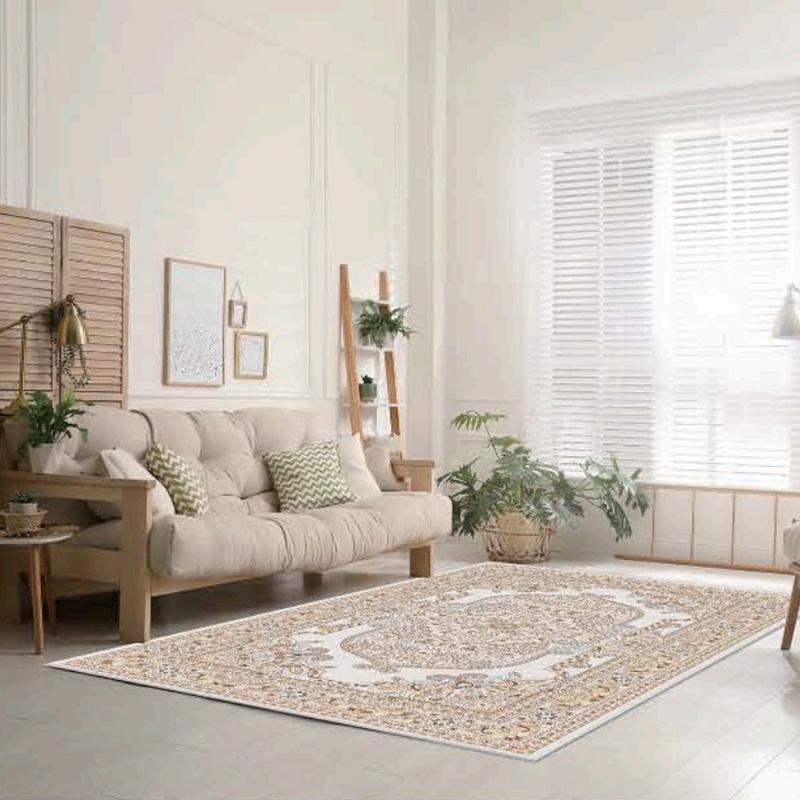
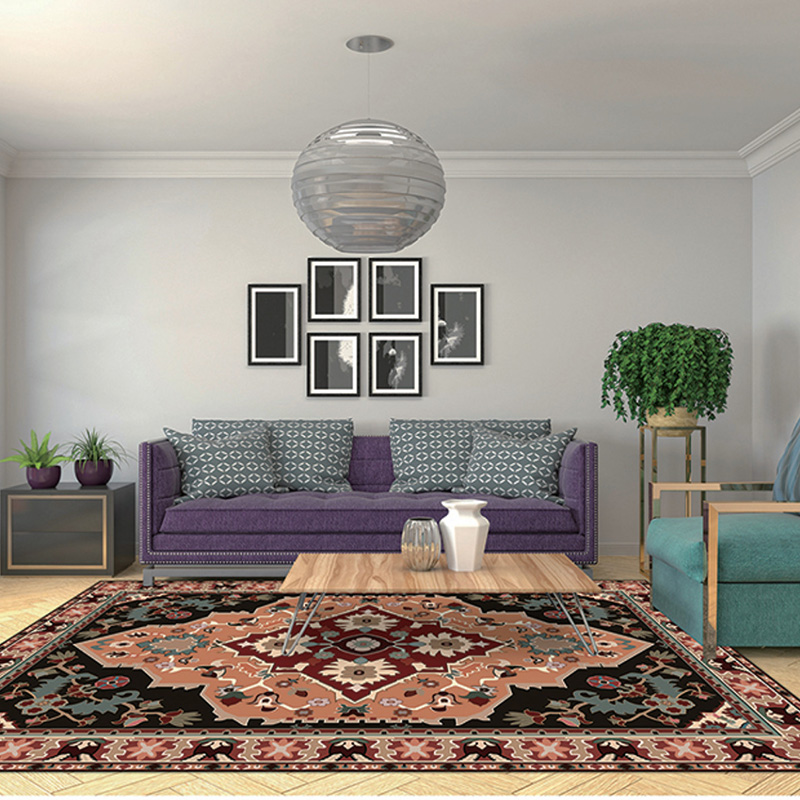
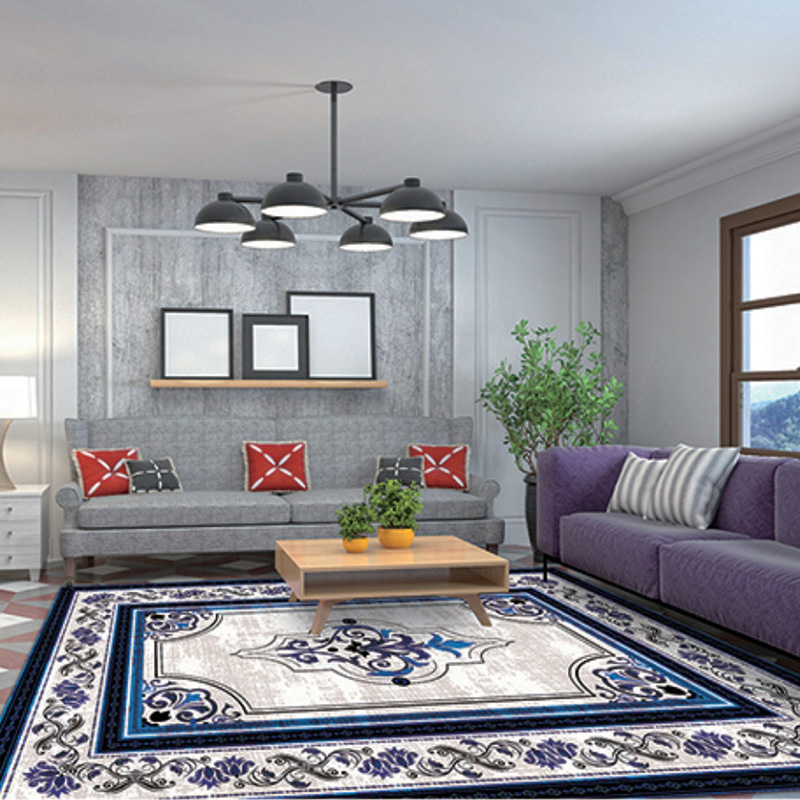
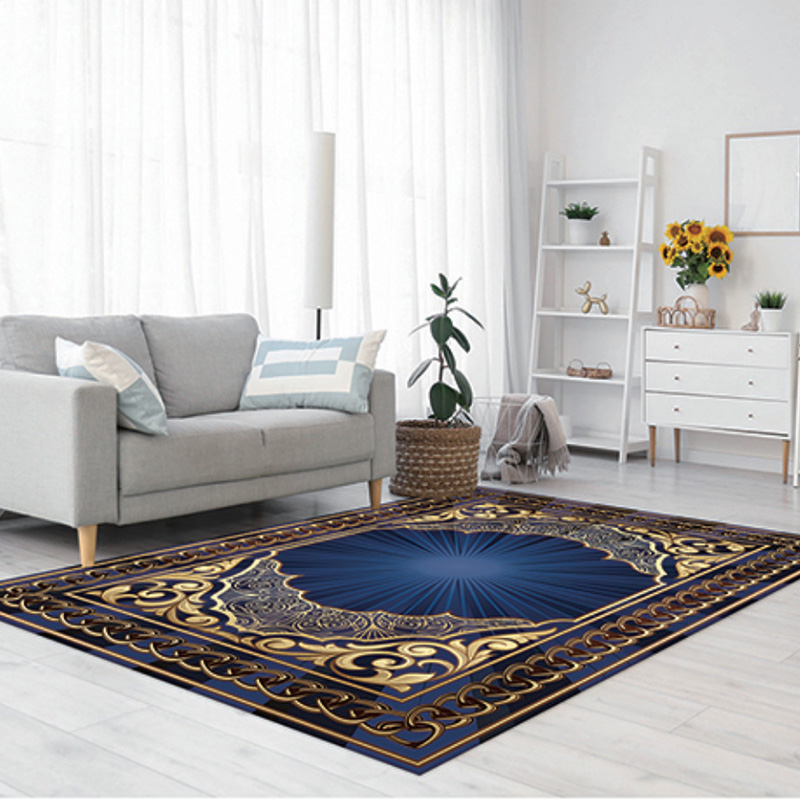
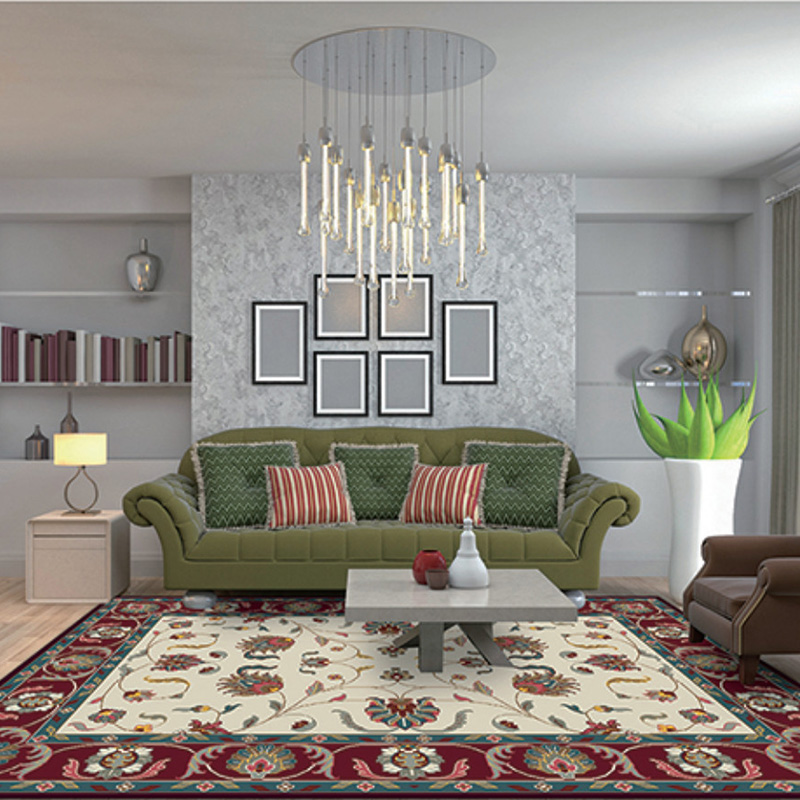
Large Area Rugs can create an invisible boundary around a furniture group. Placing a rug beneath a sofa, chairs, and coffee table can make the seating area feel like one complete zone. In a dining room, a rug under the table can visually separate the eating area from nearby spaces.
This approach is especially useful in apartments and open-plan homes where walls do not always divide different functions.
Patterns Add Visual Interest
Large rugs provide a broad surface for patterns and colors, making them useful for creating a visual focal point.
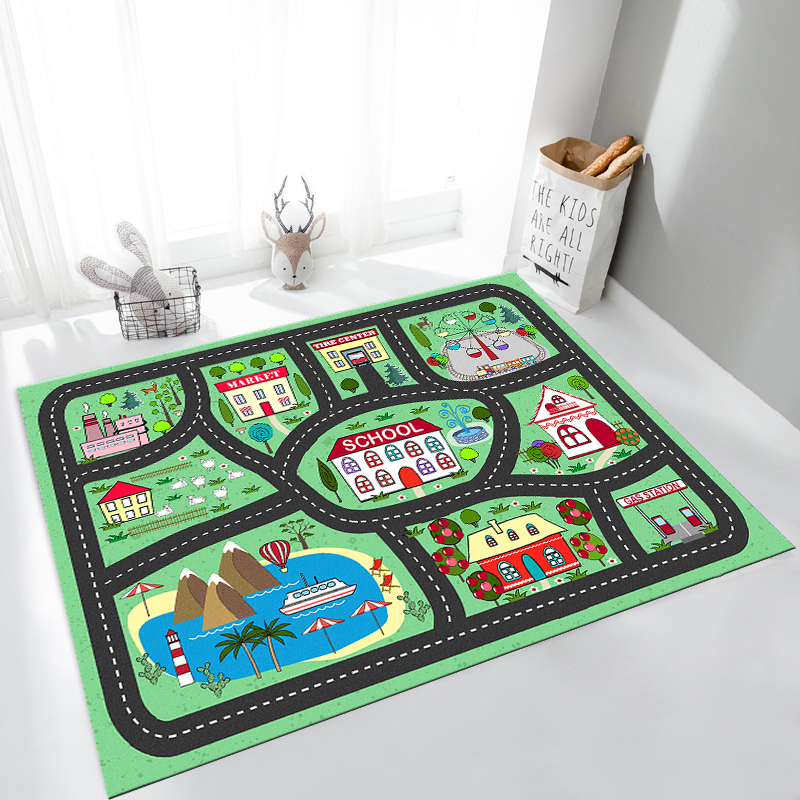
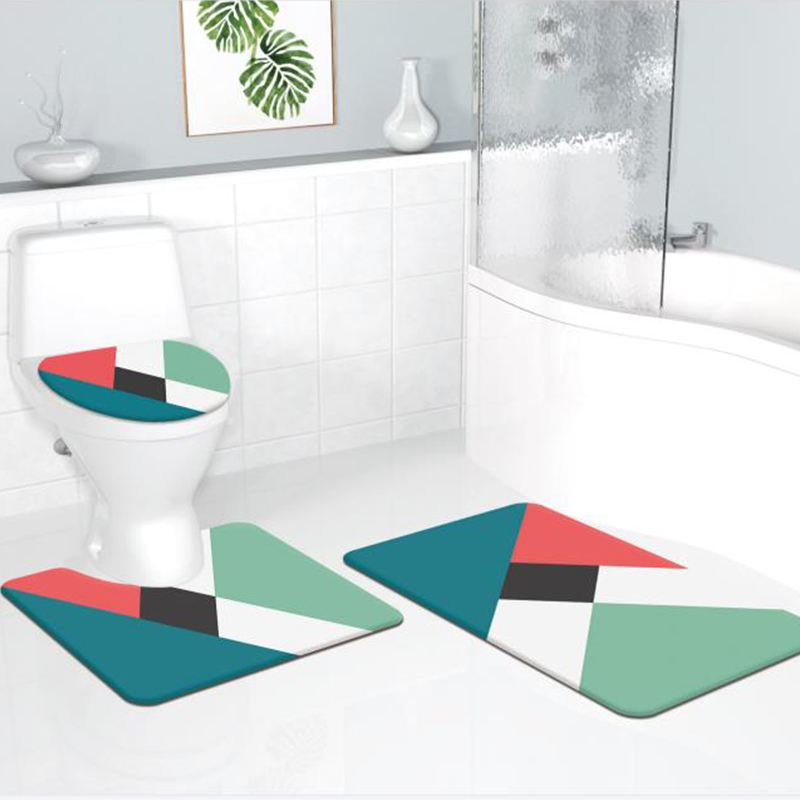
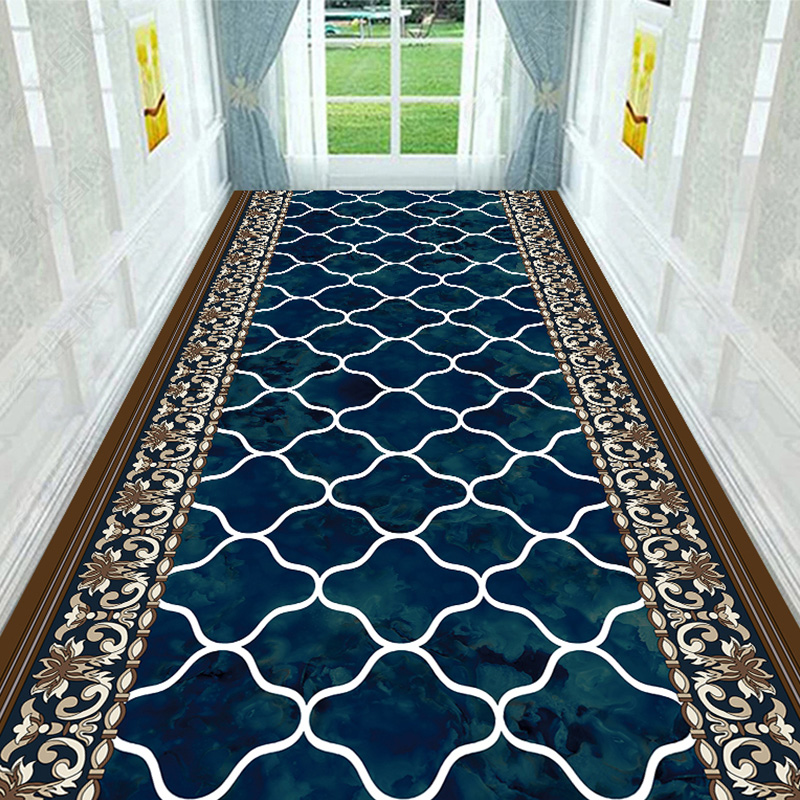
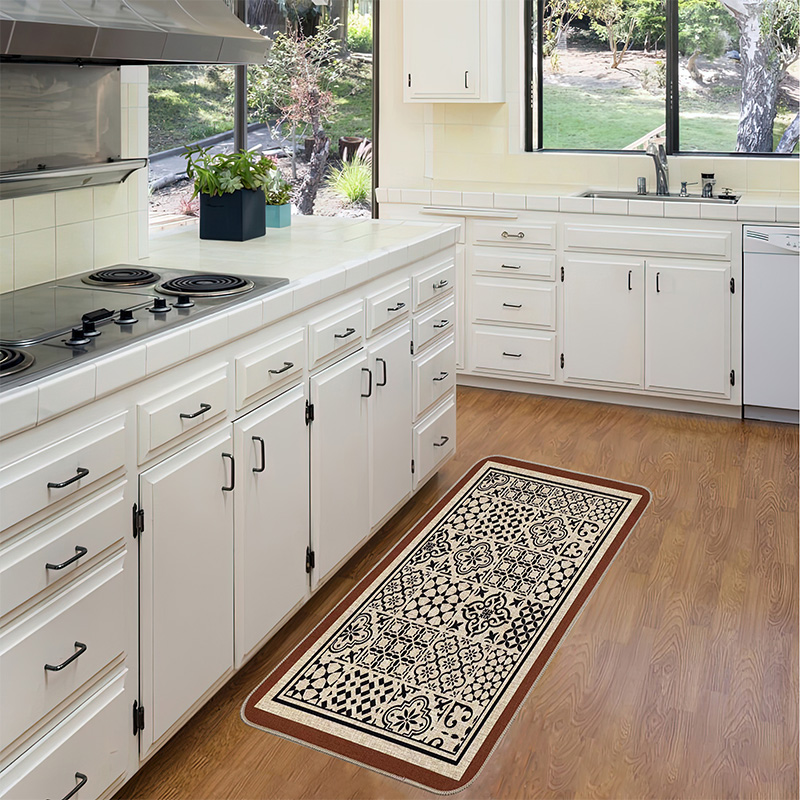
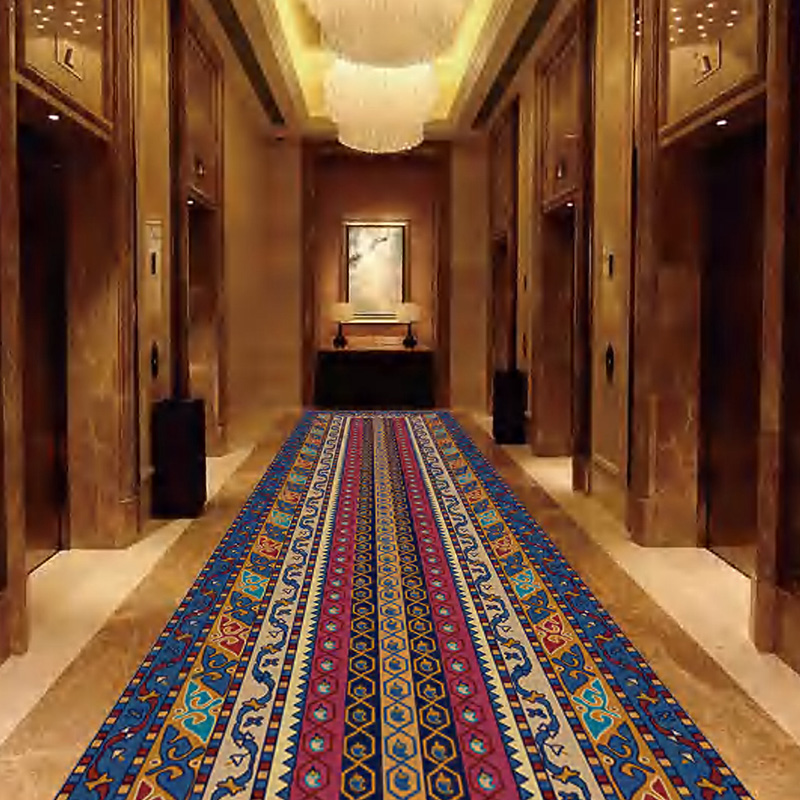
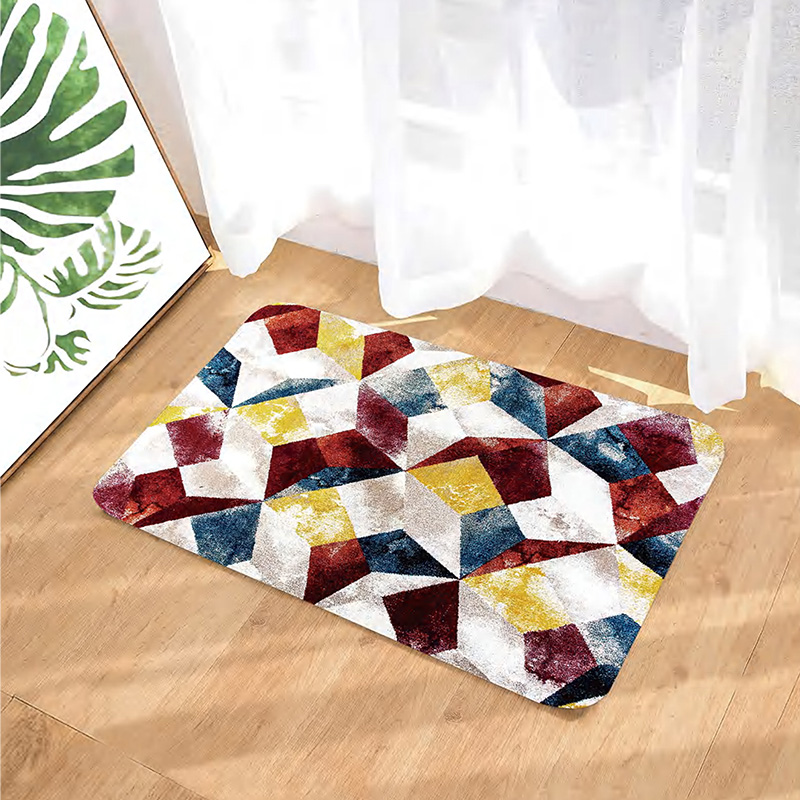
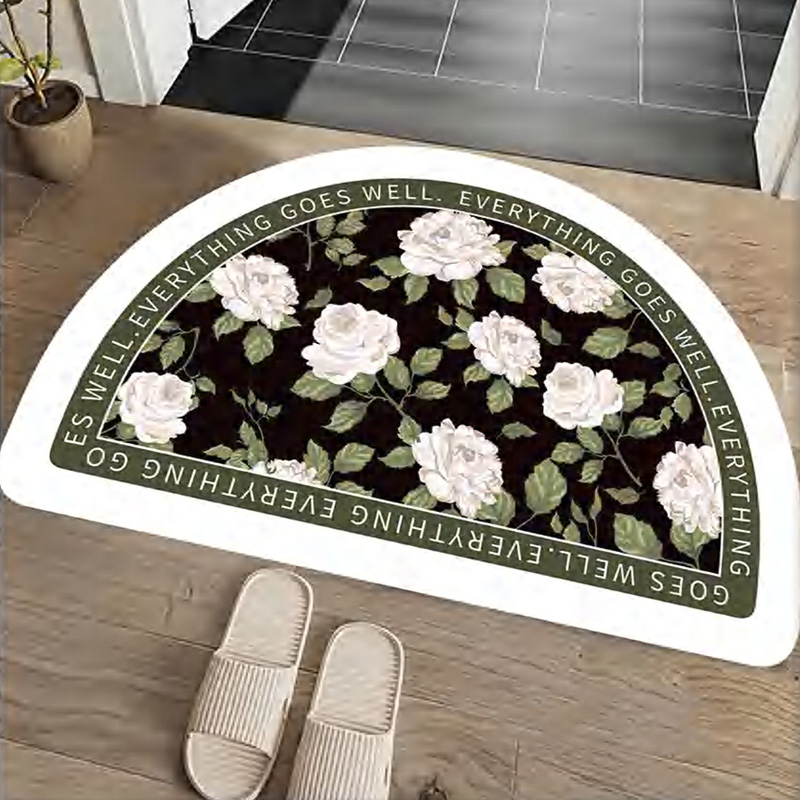
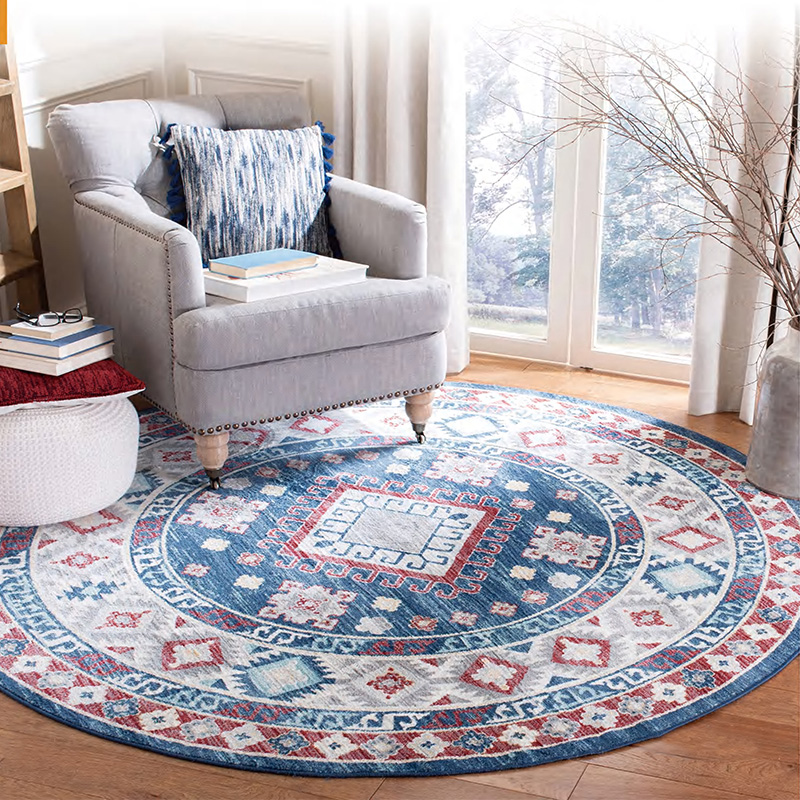
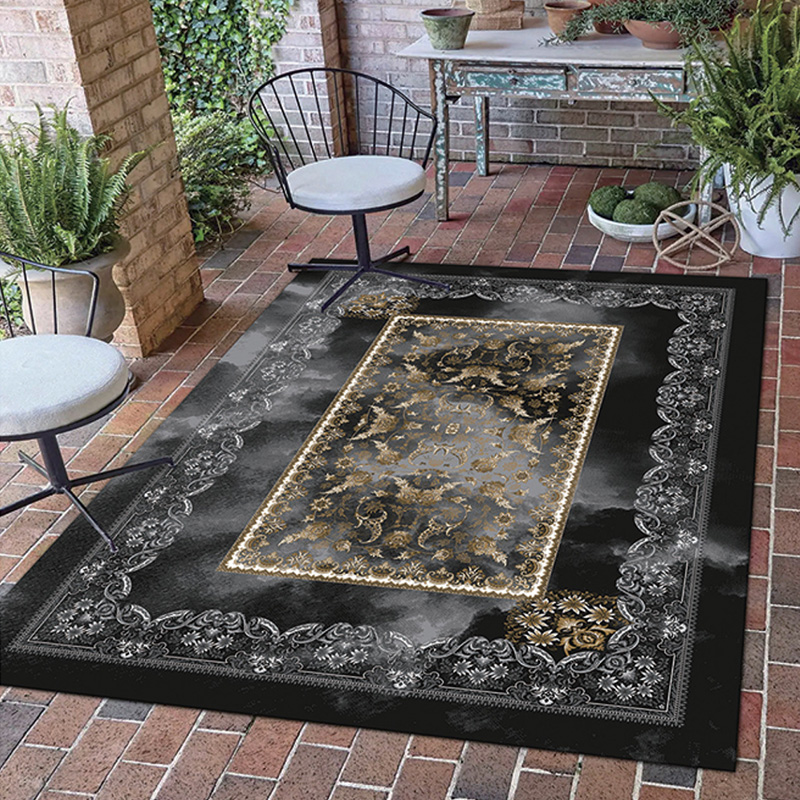
Geometric patterns can introduce a structured appearance, while floral designs can create a softer decorative effect. Abstract patterns can add movement without requiring additional wall decorations.
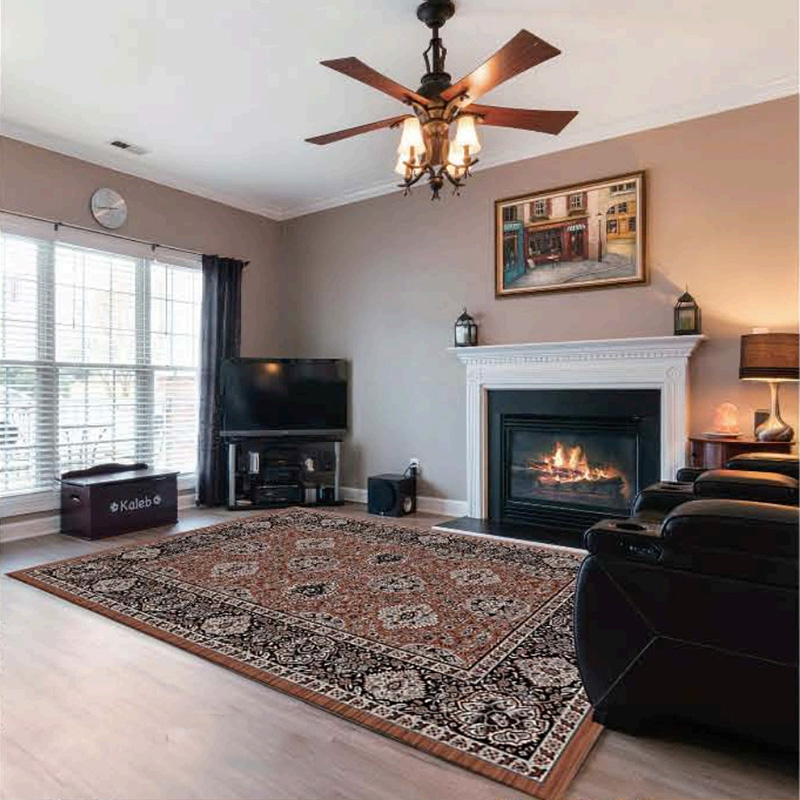
For rooms that already contain colorful furniture or artwork, a more restrained rug pattern may create balance. In simpler interiors, a patterned Large Area Rug can become a noticeable design feature.
The key is to consider the rug as part of the entire room rather than as an isolated decoration.
Materials Affect The Room Experience
Different rug materials create different textures and visual impressions. Wool rugs often have a soft and substantial feel, while cotton options can offer a lighter texture. Synthetic fibers are also widely used in modern rug production and can be made in a variety of textures, colors, and patterns.
The intended room can influence material selection. A bedroom may call for a soft underfoot feeling, while a home office may benefit from a flatter surface around desks and chairs.
Texture also contributes to the visual character of a room. A thick, textured rug can make a space feel more layered, whereas a low-profile design can create a cleaner appearance.
Color Coordination Matters
Color selection can change how a Large Area Rug interacts with the surrounding room. Neutral shades such as beige, gray, cream, and brown can blend easily with different furniture styles. Darker colors can create stronger contrast, while lighter shades can contribute to an open visual effect.
The rug does not need to match every item in the room. Instead, it can share one or two tones with cushions, curtains, artwork, or furniture upholstery.
This creates a visual connection without making the entire room look overly coordinated.
A Flexible Interior Design Element
Large Area Rugs offer more than floor coverage. They can define zones, connect furniture, introduce texture, and create a stronger relationship between different parts of a room.
For homeowners, interior designers, furniture retailers, and rug buyers, the combination of size, material, pattern, texture, and color provides many design possibilities. Selecting the right rug begins with understanding the room's dimensions and furniture layout.
A well-chosen Large Area Rug can turn an empty floor area into an intentional part of the interior, giving the room a clearer visual structure and a more comfortable atmosphere.