 0
0
 Language
  英语
英语 阿拉伯语
阿拉伯语 德语
德语
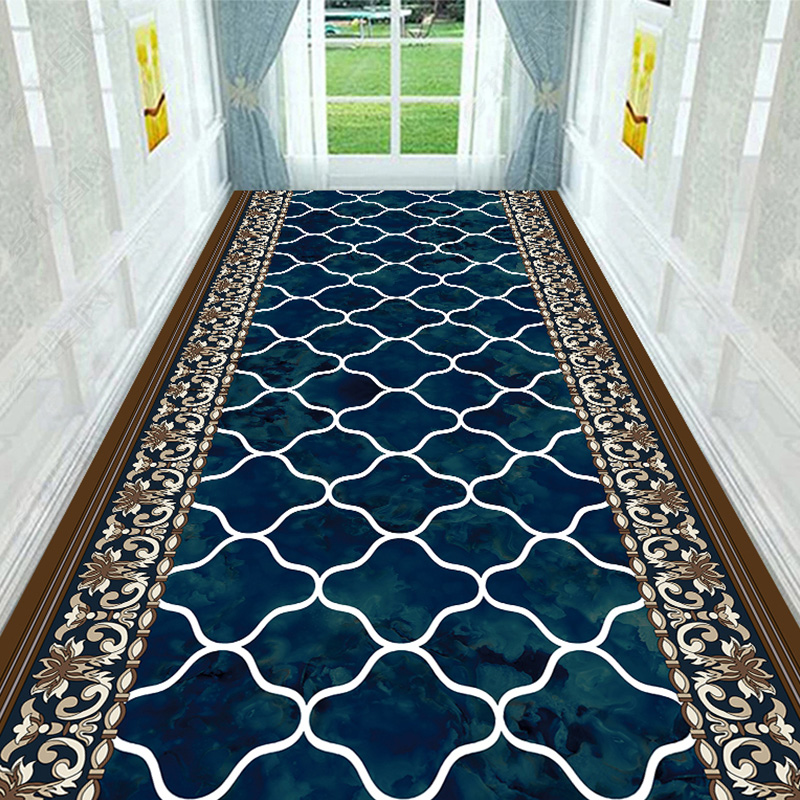
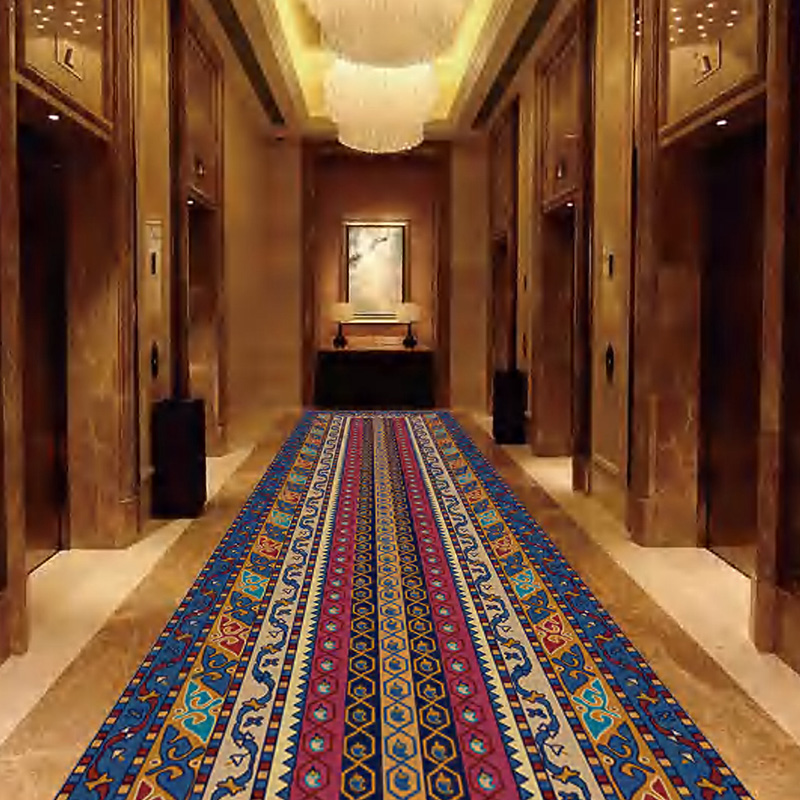
Carpet runners have become increasingly appreciated in residential and commercial interiors for their blend of practicality, aesthetic appeal, and versatility. Unlike standard rugs, carpet runners are long and narrow, designed to fit hallways, stairs, and transitional spaces. Their unique shape allows them to enhance areas that might otherwise remain underutilized or visually plain.
The selection of a carpet runner typically involves considerations of material, texture, and pattern. Wool and synthetic fibers are common choices, each offering distinct qualities. Wool provides softness, durability, and natural resistance to dirt, while synthetic options such as nylon or polypropylene can be cost-effective and easier to maintain. The choice often depends on the expected traffic levels, with high-traffic corridors benefiting from more resilient materials to maintain appearance over time.
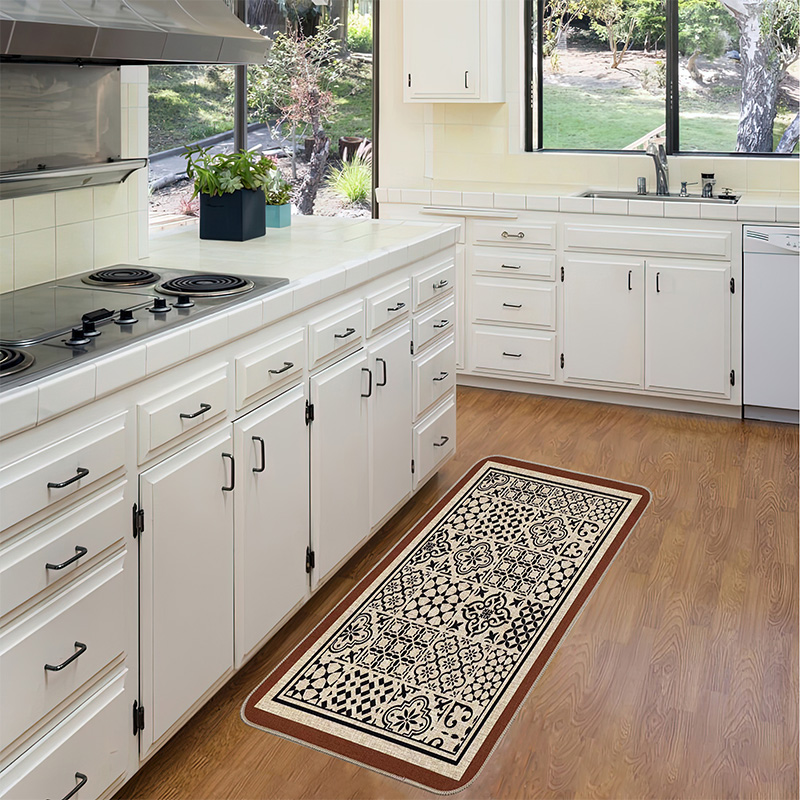
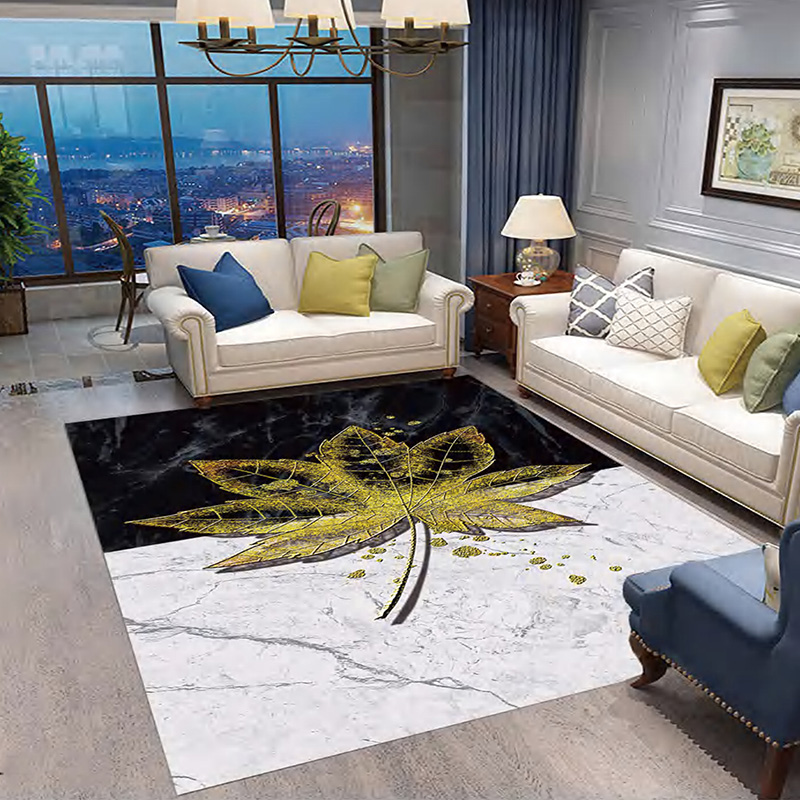
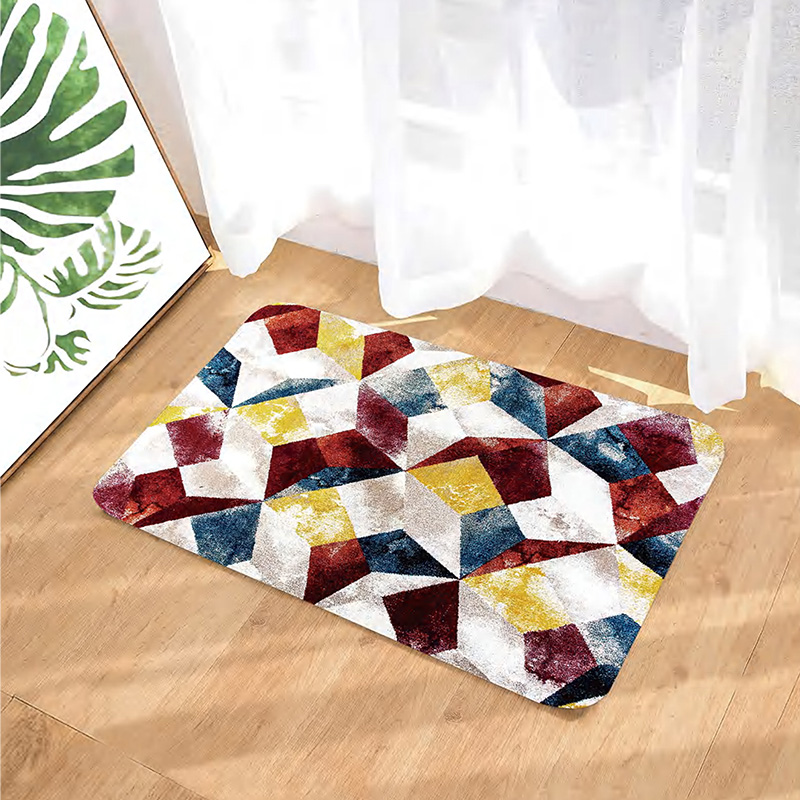
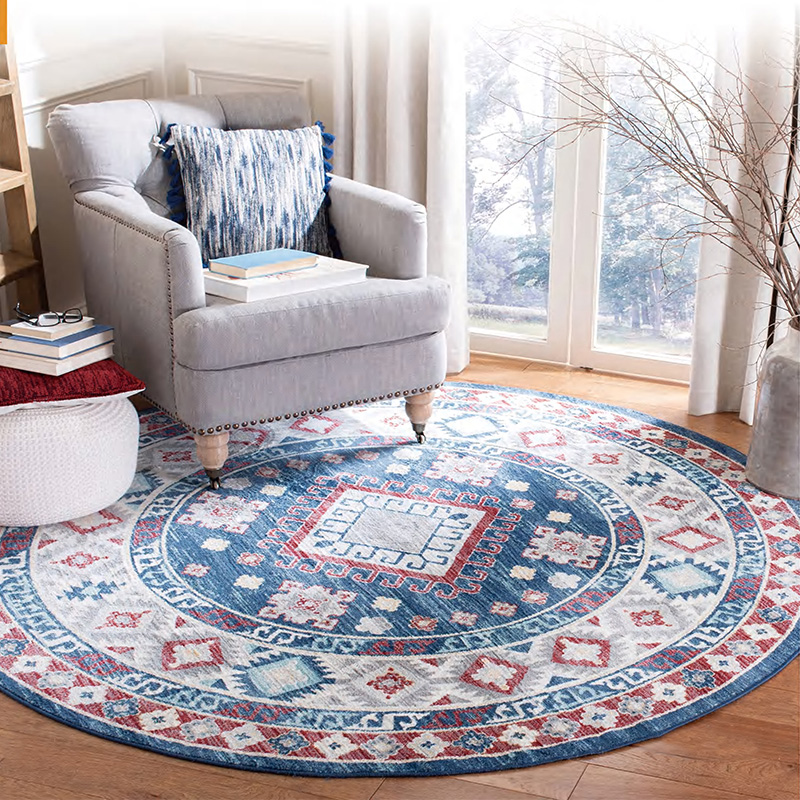
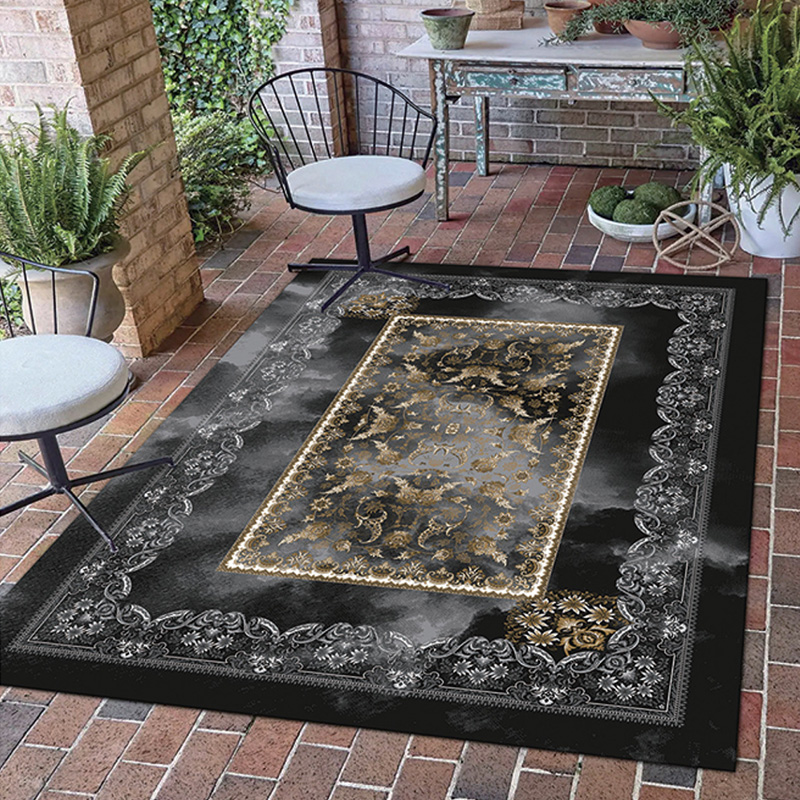
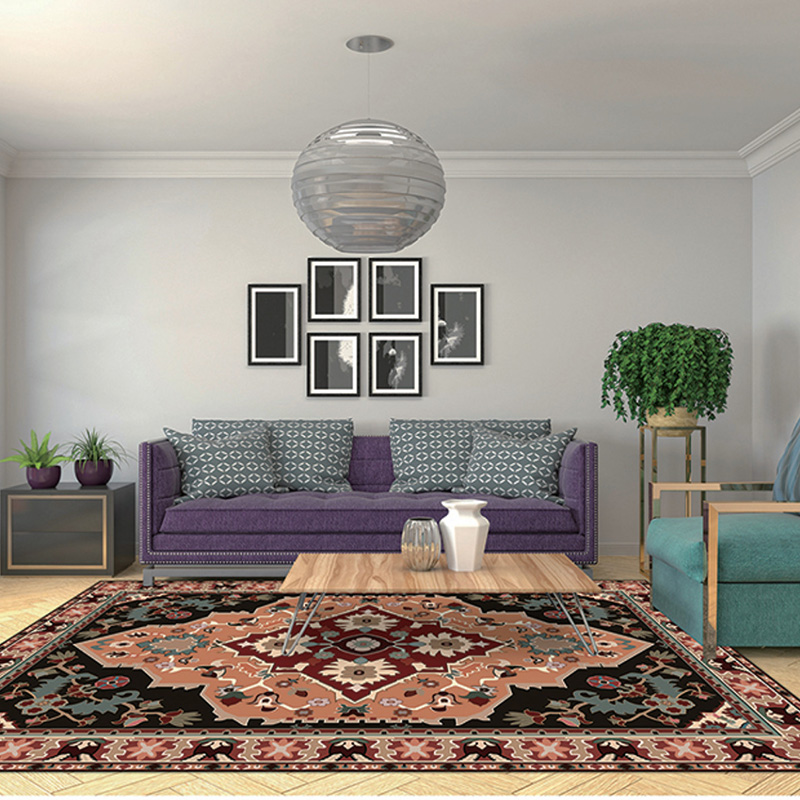
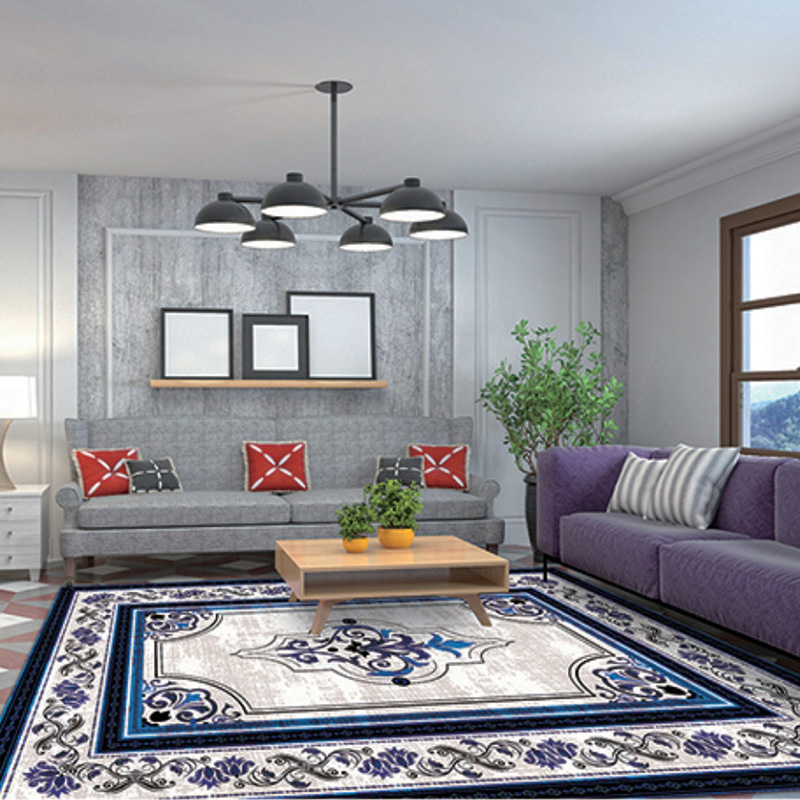
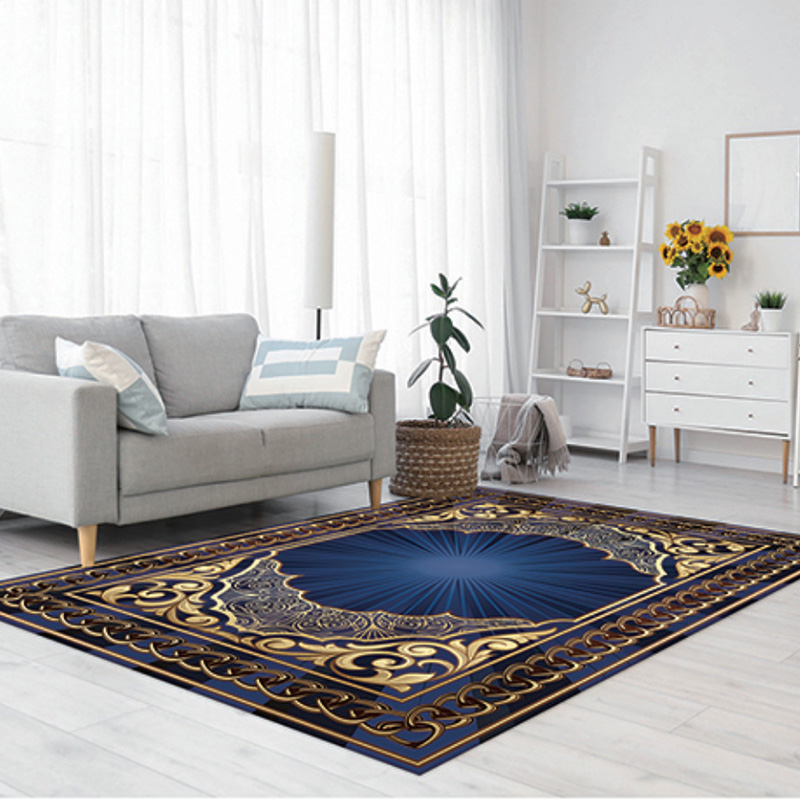
Patterns and colors in carpet runners offer opportunities for both subtle and bold design statements. Neutral tones can create a seamless transition between rooms, while vibrant patterns or contrasting colors can inject energy and personality into a hallway or staircase. Traditional designs, geometric motifs, or contemporary abstractions allow homeowners to align the runner with their existing decor, transforming functional areas into visually interesting corridors.
Carpet runners serve practical purposes. They protect floors from wear and tear, especially in frequently used passageways, while adding comfort underfoot. Stair runners improve safety by providing traction, reducing the risk of slips and falls. Runners can assist in noise reduction, absorbing sound in echo-prone areas, which is particularly beneficial in multi-story homes or apartments with hardwood or tile flooring.
Installation flexibility makes carpet runners a convenient option. They can be laid with adhesives, non-slip pads, or even temporarily, allowing for seasonal updates or repositioning. The relatively narrow width compared to standard rugs makes them easier to handle and clean, while also enabling coverage of irregular spaces where larger rugs would be impractical. Runners can be layered over existing flooring to protect surfaces, highlight architectural features, or create visual pathways that guide movement through hallways and staircases, combining practicality with aesthetic appeal in a simple solution.
The customization of carpet runners has become more accessible, allowing homeowners to specify dimensions, patterns, and edge finishes. This flexibility supports the creation of a cohesive design language throughout a home or office. Eco-friendly materials and sustainable production methods are increasingly available, aligning with modern considerations for environmental impact and ethical sourcing. Many manufacturers offer options for natural dyes, recycled fibers, and low-emission production processes, enabling individuals to choose designs that are both stylish and environmentally responsible, contributing to healthier living and working spaces.
Carpet runners also contribute to interior cohesion and flow. By guiding movement through a space, they create visual pathways that connect rooms and areas. This directional aspect enhances spatial organization and emphasizes architectural features, making hallways and staircases an integral part of home design rather than mere passageways.
Carpet runners offer a combination of style, safety, and functionality that supports diverse interior design goals. Their adaptability to different spaces, patterns, and materials makes them valuable in both residential and commercial settings. They help define pathways, protect flooring from wear, reduce noise, and add visual interest, making long or narrow areas feel welcoming and cohesive while complementing surrounding decor.