 0
0
 Language
  英语
英语 阿拉伯语
阿拉伯语 德语
德语
Purpose of Carpet Runners in Home Layouts
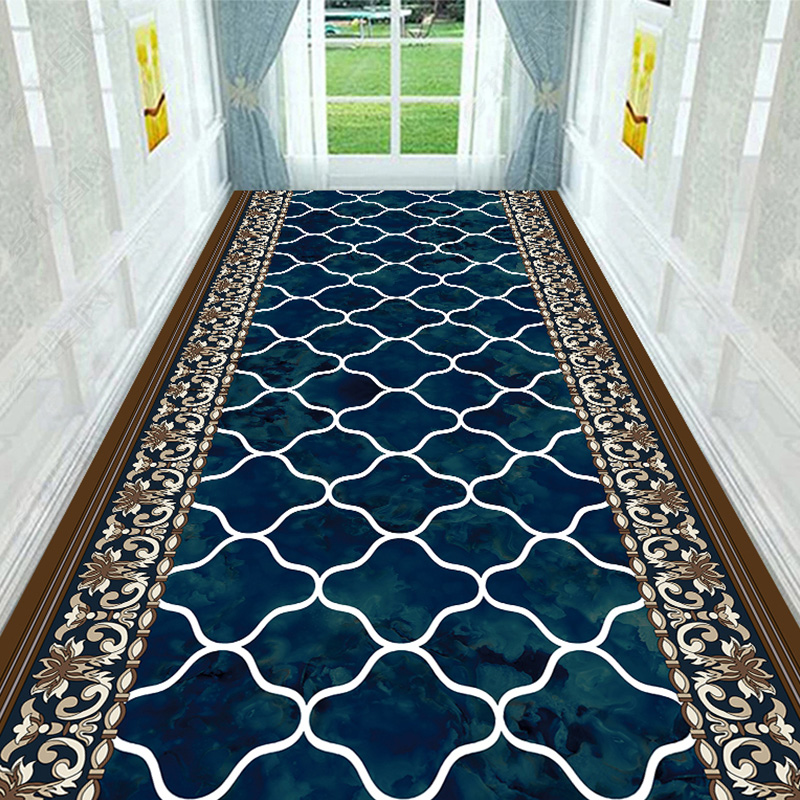
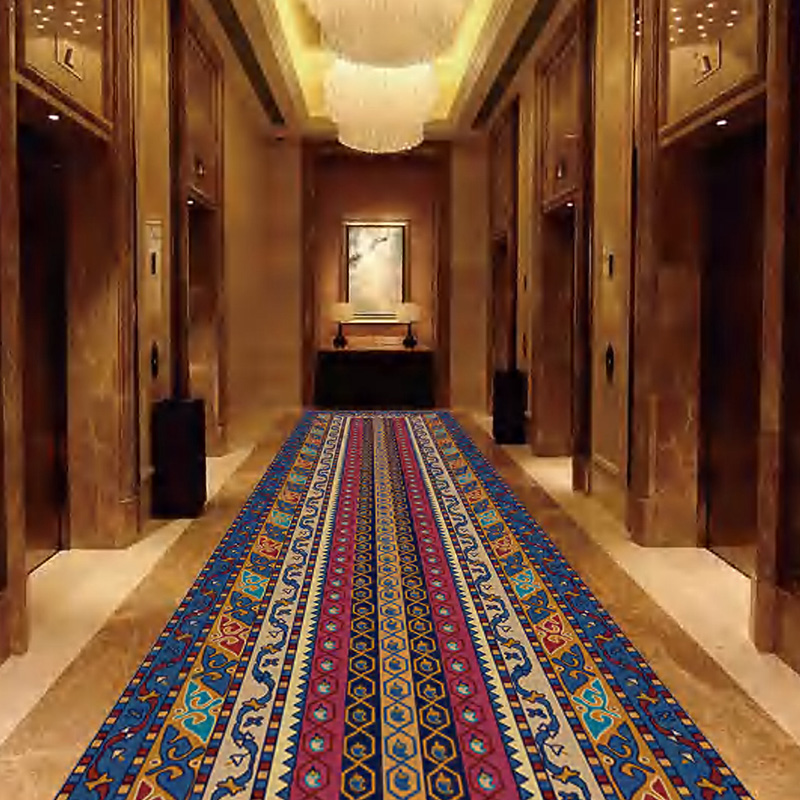
Carpet runners cover central portions of hallways and stair treads, leaving borders of the main flooring visible on both sides. This placement creates a clear path that guides people through the house. In entryways, runners welcome guests with a soft impression before they move deeper into living areas.
On staircases, runners cover each tread and riser, providing a consistent surface for ascending and descending. The visual line they create draws the eye upward or downward, enhancing the sense of flow between floors.
Material and Construction Details
Carpet runners are produced in various fibers including wool blends, synthetic options, and natural weaves. The pile height ranges from low-loop styles suitable for busy areas to slightly thicker cuts that offer more cushion. Backing materials help the runner stay flat and resist shifting during use.
Many runners feature bound edges that prevent fraying and give a finished appearance. Patterns such as stripes, geometric motifs, or subtle florals allow them to complement surrounding decor without overwhelming the space.
- Low-pile runners work well in areas with frequent movement.
- Patterned designs add interest along long hallways.
- Neutral tones blend easily with different wall colors.
Applications in Different Home Areas
Hallways benefit greatly from carpet runners, as these spaces see constant foot traffic between rooms. The runners reduce noise from footsteps and create a warmer feel compared to bare hard floors. In longer corridors, they break up the expanse visually and make the path more inviting.
Staircases with carpet runners gain both practical and decorative value. The covering helps define each step while adding grip under socks or shoes. Landing areas often extend the runner style for continuity throughout multiple levels.
Design Choices for Various Interior Styles
Contemporary homes pair modern geometric carpet runners with clean-lined furniture for contrast. Traditional settings use classic runner patterns that echo area rugs in adjacent rooms. Farmhouse or cottage interiors incorporate braided or textured runners for a casual look.
Length and width selections match the dimensions of hallways and stairs precisely. Some homeowners layer shorter runners in sections to create segmented visual interest along extended passageways.
How Carpet Runners Influence Movement and Comfort
Walking on carpet runners provides a softer experience than hard surfaces alone, especially during nighttime trips or early mornings. The texture underfoot signals transitions between rooms and adds subtle variety to movement patterns in the home.
In families with children or older members, runners on stairs offer additional traction that supports confident stepping. The defined path helps direct attention and reduces the chance of wandering off the main walkway in open floor plans.
Coordination with Existing Flooring and Furnishings
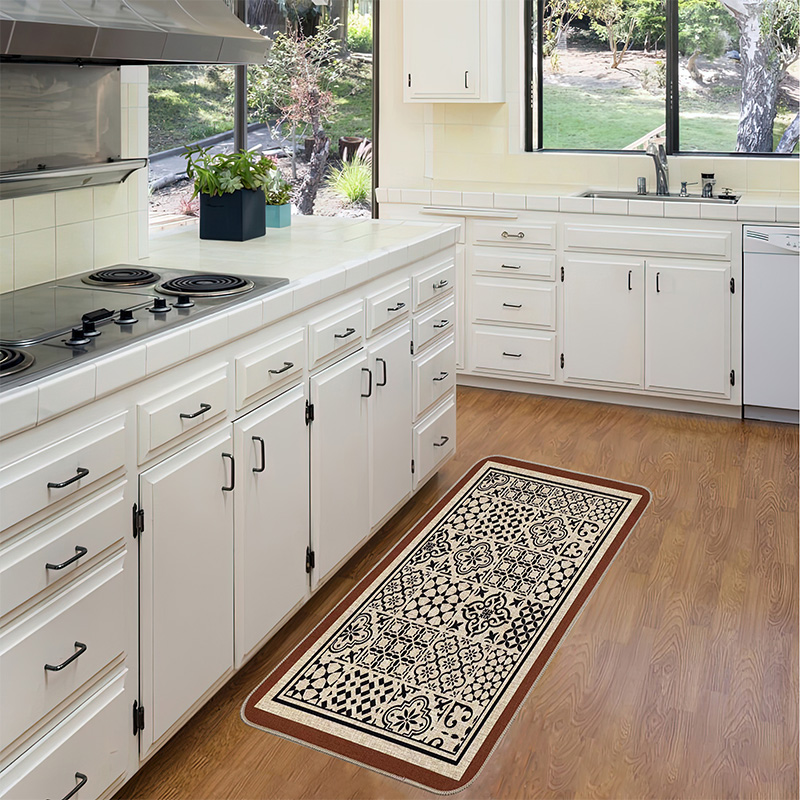
Carpet runners work alongside hardwood, tile, or laminate floors by covering the central traffic lane. This approach protects high-use areas while showcasing the beauty of the primary flooring on the sides. The contrast between runner texture and surrounding materials creates visual depth.
Matching runner colors to door frames or picking up accent hues from nearby artwork ties the look together. In open-concept homes, runners help define pathways without the need for physical barriers.
Seasonal and Decorative Uses
Homeowners sometimes swap carpet runners to refresh the look of hallways with the changing seasons. Lighter patterns suit spring and summer, while richer tones add warmth in cooler months. This flexibility allows easy updates to the overall home atmosphere.
Special occasion runners with festive motifs appear during holidays, transforming ordinary passageways into part of the celebration decor. The runners become a simple way to carry themes throughout the house.
Contribution to Home Flow and Atmosphere
Carpet runners create a sense of continuity from room to room. They soften the acoustics in echo-prone hallways and make spaces feel more furnished. The addition of pattern and color along floors influences how people perceive the size and warmth of connecting areas.
In smaller homes, strategically placed runners maximize the impact of limited floor space by drawing attention to movement paths. Larger residences use them to organize traffic in expansive layouts.
Carpet runners remain practical additions that combine function with decorative appeal. They turn ordinary hallways and staircases into intentional design elements that support daily living while enhancing the character of home interiors.