 0
0
 Language
  英语
英语 阿拉伯语
阿拉伯语 德语
德语
Kids Rugs Bring New Ideas to Children’s Interior Design
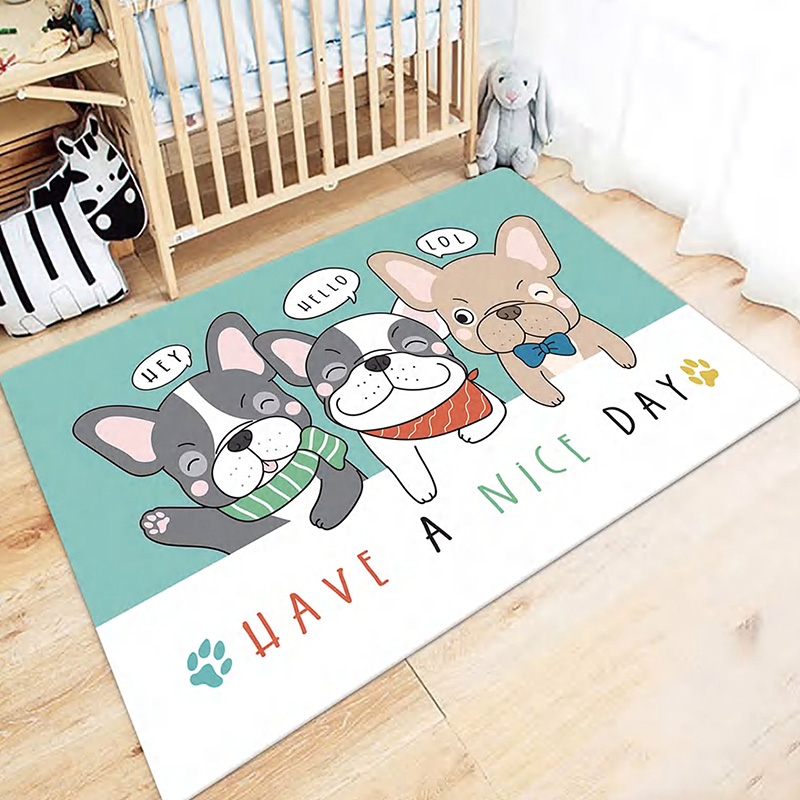
Kids rugs have become an important category in modern interior decoration, combining visual appeal, comfort, and functional design. These rugs are created for children’s rooms, play areas, classrooms, reading corners, and activity spaces where a soft surface and attractive patterns can improve the overall environment.
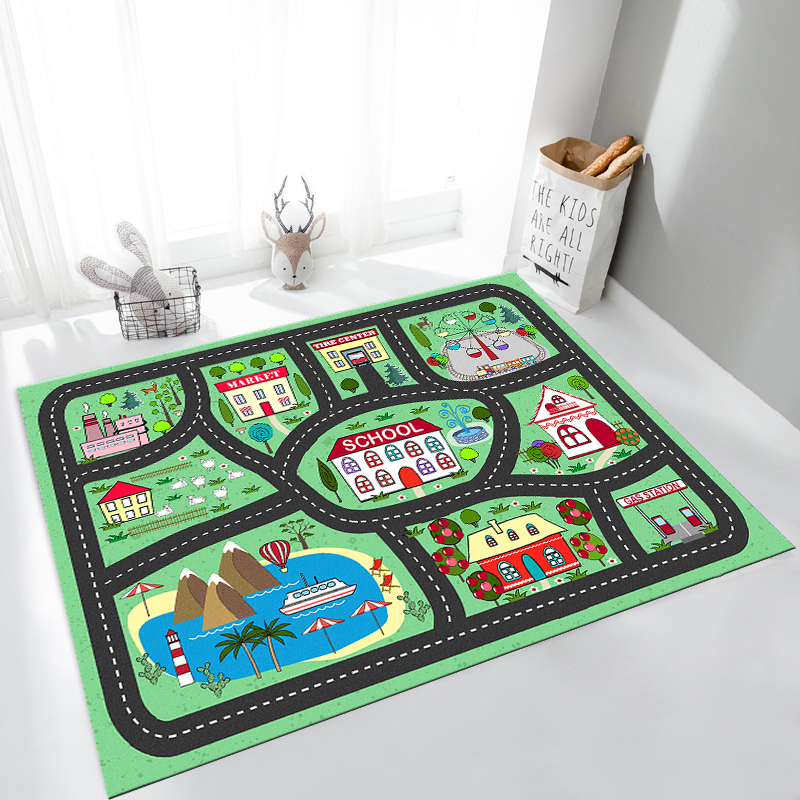
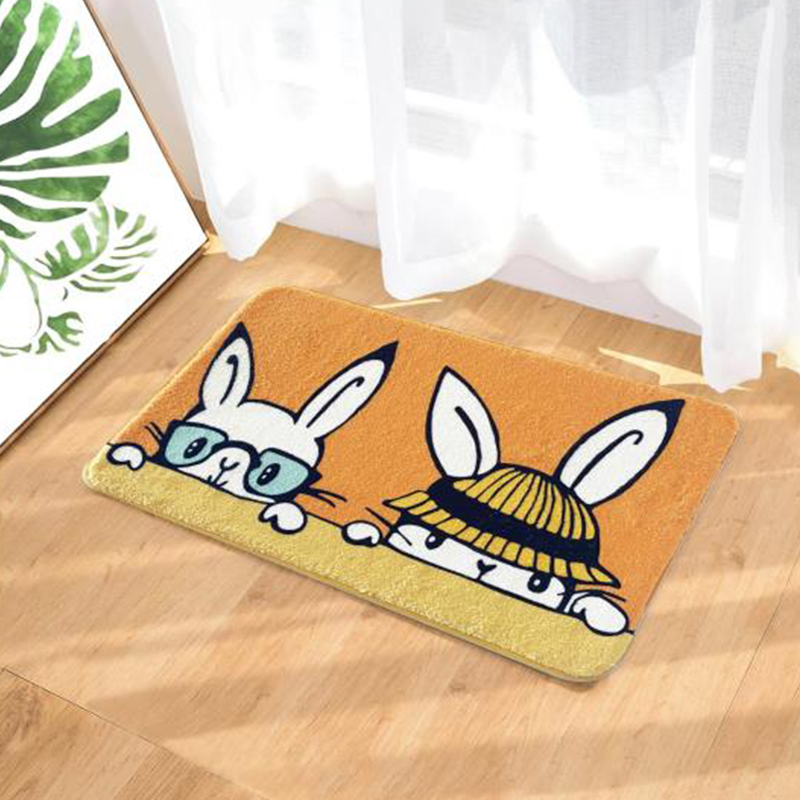
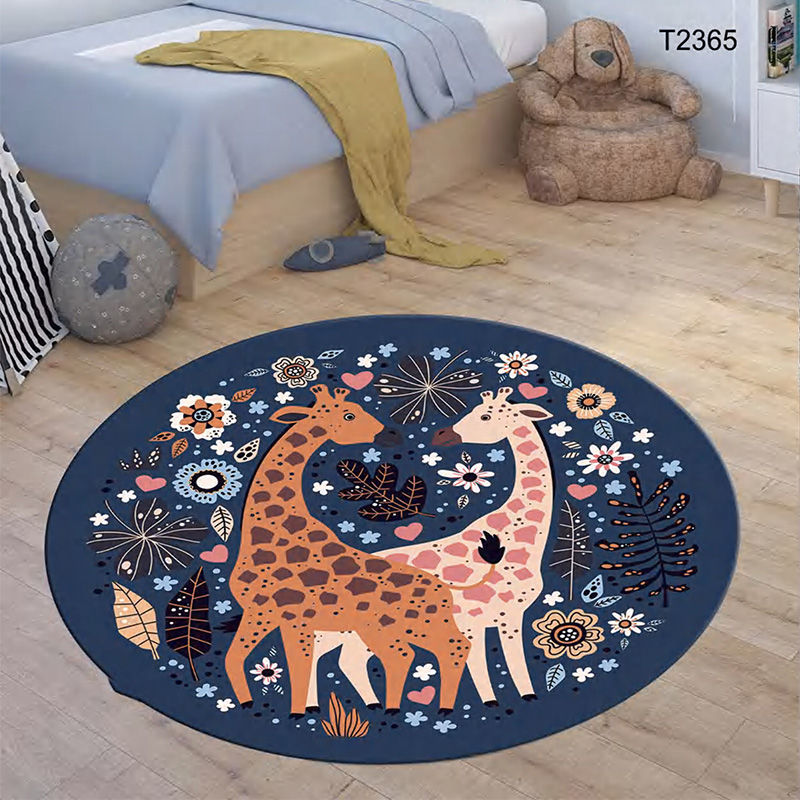
Unlike traditional floor coverings, kids rugs often feature designs created around children’s interests. Common patterns include animals, numbers, letters, roads, geometric shapes, and imaginative themes. These designs can add personality to a space while creating an area suitable for playing, reading, or creative activities.
Manufacturers of kids rugs focus on several factors during product development, including material selection, surface texture, size options, color combinations, and production techniques. These elements influence the appearance, comfort, and usability of the final product.
Material Selection Shapes Kids Rugs Characteristics
Material choice is a key part of kids rug production. Many products use synthetic fibers such as polyester or polypropylene because these materials can provide softness, durability, and flexible design possibilities. Some rugs also use blended fibers to achieve different textures and surface effects.
The backing layer is another important component. A suitable backing structure helps keep the rug stable on different indoor surfaces and supports the overall shape of the product. Manufacturers design backing materials according to the intended application, such as bedroom floors, playrooms, or educational spaces.
The thickness and density of the rug surface also affect the user experience. A thicker pile can create a softer feeling, while a lower pile design may provide easier movement for chairs, toys, or other items placed on the rug.
Manufacturing Process Behind Kids Rugs
The production of kids rugs involves multiple steps, including pattern development, fiber processing, weaving or tufting, backing application, cutting, and finishing. Digital printing technology is often used to create detailed patterns and colorful images on rug surfaces.
During the design stage, manufacturers develop patterns that match different themes and age groups. Some designs focus on educational elements, such as alphabet graphics or map patterns, while others highlight playful images that create a lively atmosphere.
Tufting and weaving processes help form the structure of the rug. After the surface is created, manufacturers apply backing materials and complete edge finishing to improve the overall appearance. Each production step affects the final texture, shape, and design quality.
Kids Rugs Support Different Application Spaces
Kids rugs are used in various environments beyond bedrooms. In schools and learning centers, rugs can help create comfortable areas for group activities, storytelling sessions, and floor-based learning. In playrooms, they provide a defined space for children’s activities.
Interior designers also use kids rugs when creating themed rooms. A carefully selected rug can connect furniture, wall decoration, and other room elements into a unified design style.
For commercial spaces such as childcare facilities and family-oriented venues, kids rugs offer a practical way to create welcoming areas. Different sizes and patterns allow businesses to select products that match their space requirements.
Design Trends Influence Kids Rug Development
Design preferences continue to influence how manufacturers create kids rugs. Many modern products combine educational concepts with attractive visuals. Patterns featuring letters, numbers, animals, and interactive graphics are commonly developed for spaces where children spend time learning and playing.
Color selection is another important design element. Manufacturers use different color combinations to create various moods and match different interior styles. Some designs use simple patterns for modern rooms, while others include detailed illustrations for themed environments.
Customization has also become an important service in the kids rug industry. Businesses and project buyers may request specific patterns, sizes, shapes, or branding elements according to their requirements.