 0
0
 Language
  英语
英语 阿拉伯语
阿拉伯语 德语
德语
A Shape That Solves a Layout Problem
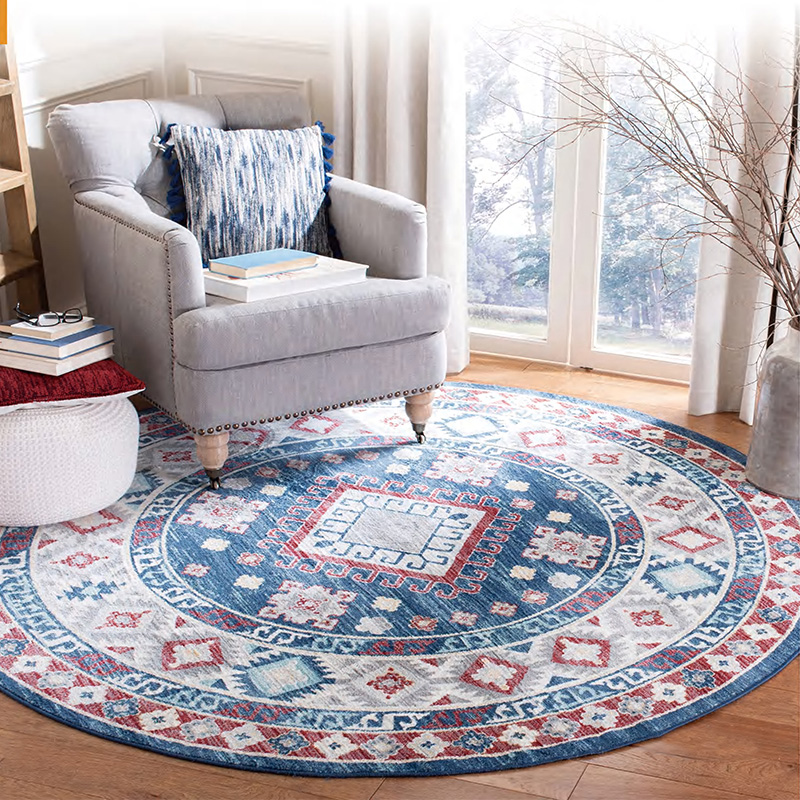
Most rooms are built around straight lines — walls, doorframes, furniture edges. A round rug breaks that pattern on purpose, and that's exactly why it works in certain spots. Underneath a round dining table, a circular rug follows the table's own shape instead of leaving awkward corners exposed on all four sides. In a reading nook with a single chair and a side table, a round rug can soften a space that would otherwise feel boxed in by adjacent walls.
Designers who work with small or oddly shaped rooms often reach for round rugs specifically because the shape doesn't compete with the room's existing angles. A rectangular rug in a narrow hallway or a rounded bay window area can look like it was forced to fit. A round one tends to sit more naturally, almost like it was drawn into the space rather than dropped on top of it.
Materials and Construction Buyers Ask About
Round rugs come in the same range of materials as any other rug shape — wool, jute, cotton, synthetic blends, and mixed-fiber constructions. What changes with the round format is how the pattern gets applied. A repeating geometric print that looks balanced on a rectangle can look off-center once it's wrapped into a circle, so manufacturers producing round rugs usually adjust the pattern layout rather than simply cropping a rectangular design into a circle.
Hand-tufted and machine-woven are both common construction methods for round rugs, and each affects how the edge is finished. Because a circular edge has no straight sides to bind in the traditional way, the border finishing technique matters more here than it does on a standard rectangle — a poorly finished round edge tends to show wear or fraying faster than a straight one would.
Where Buyers Are Placing Orders
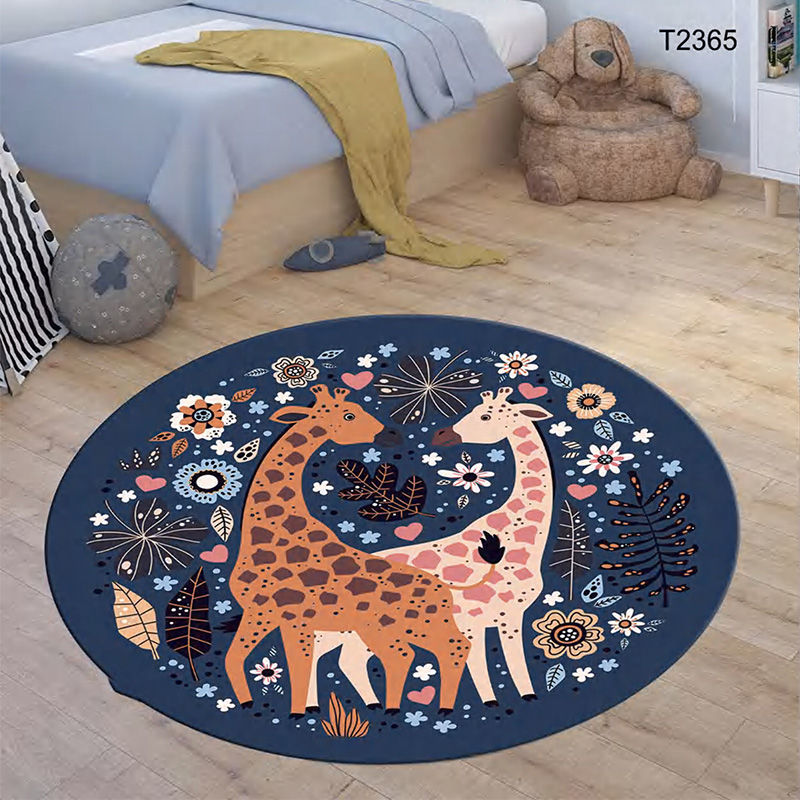
Retailers stocking round rugs report steady interest from customers furnishing apartments, home offices, and children's rooms — spaces where floor area is limited and a smaller circular footprint fits better than a bulky rectangle. Hospitality buyers, including boutique hotels and short-term rental operators, also request round rugs for lounge areas and breakfast nooks, where the shape helps define a seating zone without requiring a large piece of floor.
Wholesale buyers sourcing round rugs tend to ask about size consistency across a batch, since even a small variation in diameter becomes more noticeable in a circular shape than it would along the length of a rectangle. Color-fastness and pile density questions come up often too, particularly for buyers stocking rugs for higher-traffic commercial spaces rather than residential bedrooms.
Frequently Asked Questions
Q1: What size round rug works under a standard dining table?
It depends on the table's diameter and how much rug should extend beyond the chairs when they're pulled out, so measuring the full seating area tends to give a more accurate size than guessing from the table alone.
Q2: Are round rugs harder to clean than rectangular ones?
Cleaning methods are largely the same regardless of shape; the main difference is that a round rug has no corners to catch extra dust, which some owners find makes regular vacuuming a bit quicker.
Q3: Can a round rug be layered over a larger rectangular one?
Yes, layering a smaller round rug over a larger rectangular base is a common styling approach, especially in living rooms where buyers want to add texture without covering the entire floor in one pattern.