 0
0
 Language
  英语
英语 阿拉伯语
阿拉伯语 德语
德语
Fun Patterns and Bright Colors
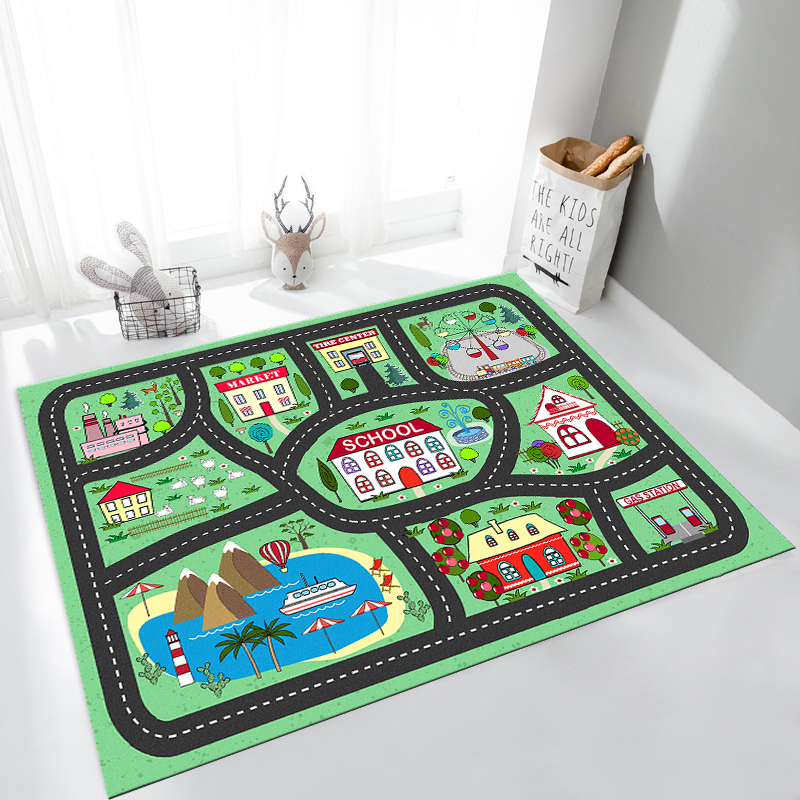
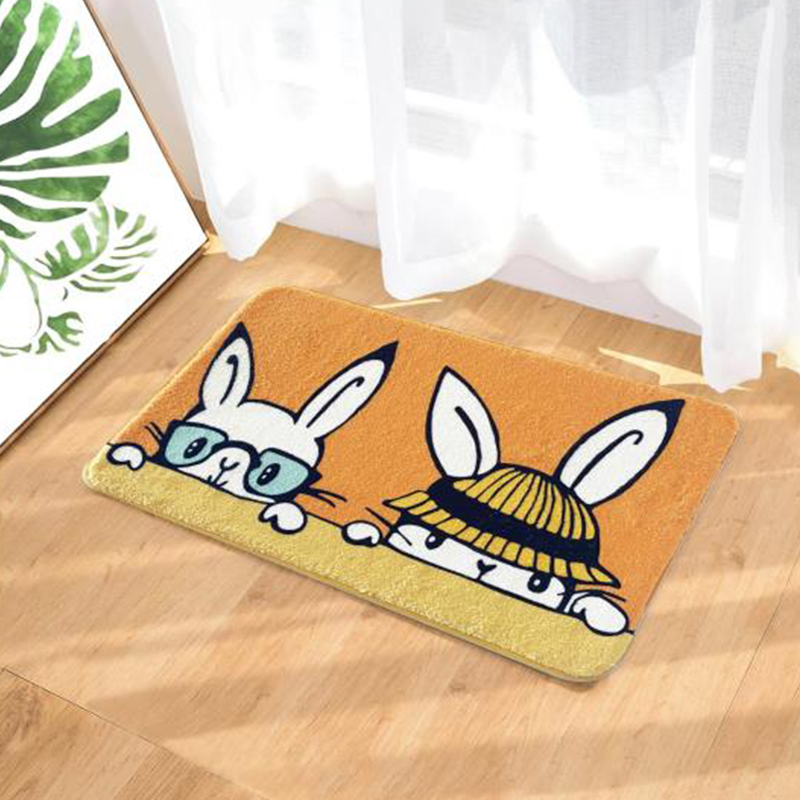
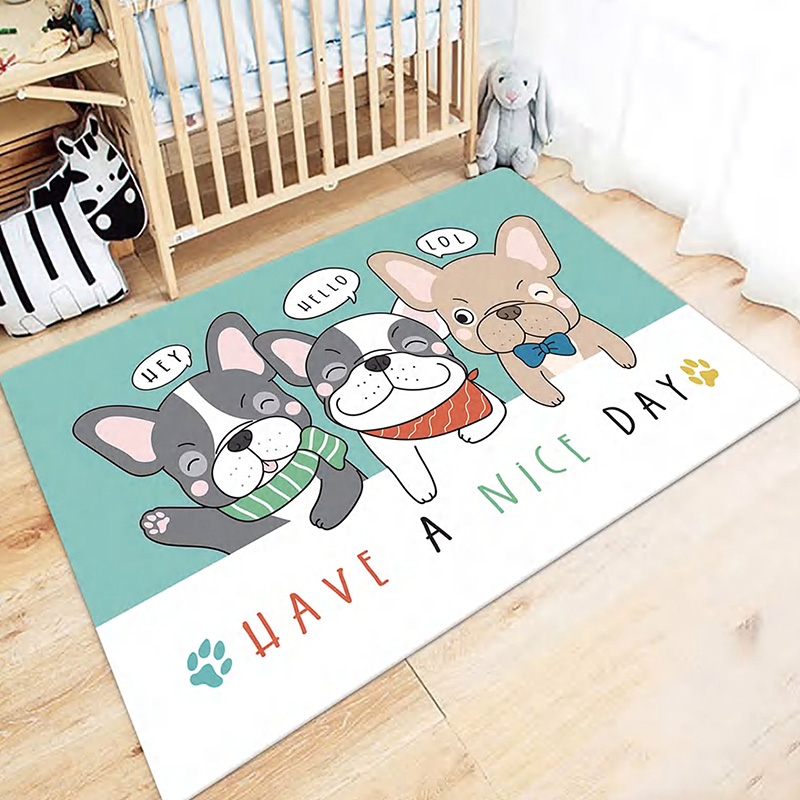
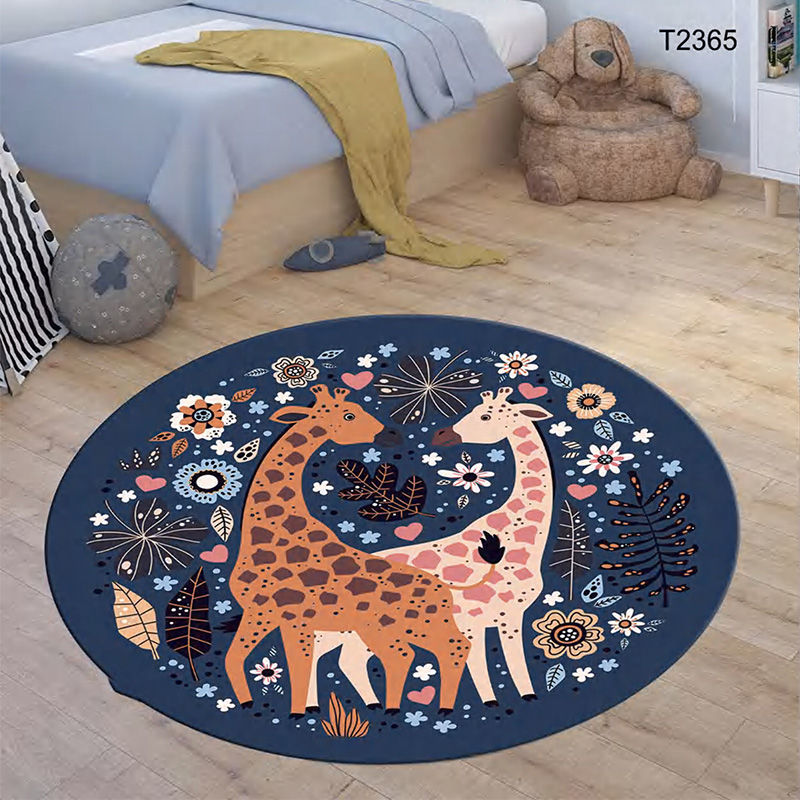
Kids rugs are designed to spark imagination and energy in living spaces. Bright colors, playful patterns, and themed designs attract children while complementing the room’s décor. Popular motifs include animals, shapes, roads for toy cars, and educational elements like letters or numbers. These designs encourage creative play and provide visual stimulation.
Choosing the right rug involves balancing style with practicality. A rug that is visually engaging can serve as a focal point while remaining versatile enough to coordinate with furniture, wall colors, and storage solutions. Designs with repeated patterns or soft contrasts tend to hold a child’s attention longer and contribute to a cohesive look.
Many parents also enjoy rugs that provide interactive learning opportunities. Rugs featuring maps, alphabets, or numbers can double as educational tools. Children can play while learning, building spatial awareness, or identifying colors and shapes. This dual purpose enhances the functionality of kids rugs in homes where both play and learning occur in the same space.
Comfort and Safety Features
Soft, cushioned textures are crucial for kids’ rugs. Materials such as wool, polyester, or cotton blends offer padding underfoot, making playtime safer and more comfortable. Many rugs are designed with non-slip backing, reducing the risk of accidents. Low pile rugs are easier to walk on and less likely to trap debris, while still providing a soft surface for sitting or crawling. Some rugs feature extra foam layers or textured surfaces that enhance comfort and sensory experience, supporting both active play and quiet activities such as reading or drawing.
Ease of cleaning is another important consideration. Many kids’ rugs are stain-resistant or machine washable, which simplifies care after spills or accidents. Families often select rugs that combine comfort, safety, and durability, allowing children to play freely without compromising practical concerns.
Integrating Rugs into Children’s Spaces
Placement of a kids rug can shape a room’s functionality. In bedrooms, a rug might anchor the bed and play area, providing a soft landing for activities. In playrooms, rugs can define zones for reading, building blocks, or imaginative games. Choosing complementary colors or shapes allows the rug to integrate seamlessly with existing furniture and décor.
Layering smaller rugs can create interactive spaces, while larger rugs provide a unified surface that connects different areas. The rug’s size, texture, and design influence how children interact with their environment, encouraging movement, creativity, and comfort.
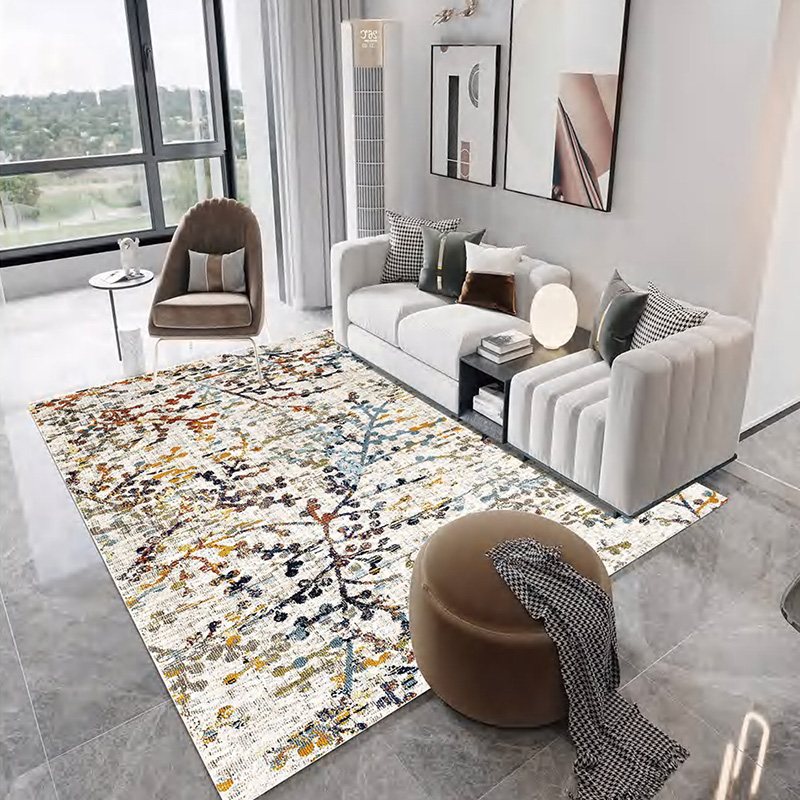
Kids rugs also work well in shared family spaces. A rug in a living room or home library can create a child-friendly zone while remaining visually appealing to adults. Coordinating colors or patterns with furniture and accessories ensures the rug enhances the space rather than dominating it.
Longevity and Care
Durability is a key factor for kids’ rugs. Rug fibers that resist fraying or matting withstand daily play, while easy-to-clean materials reduce maintenance challenges. Regular vacuuming and occasional deep cleaning help maintain appearance and hygiene. Choosing a rug with reinforced edges or tight weaving further prevents premature wear, and selecting colors or patterns that hide minor stains can extend the rug’s visual appeal.
Families often value rugs that retain color and softness over time. Even after years of use, a well-chosen kids rug can remain visually appealing and functional. Selecting a rug that balances playful design, safety, and practical maintenance ensures it becomes an enduring part of a child’s space, contributing to both comfort and daily activities.