 0
0
 Language
  英语
英语 阿拉伯语
阿拉伯语 德语
德语
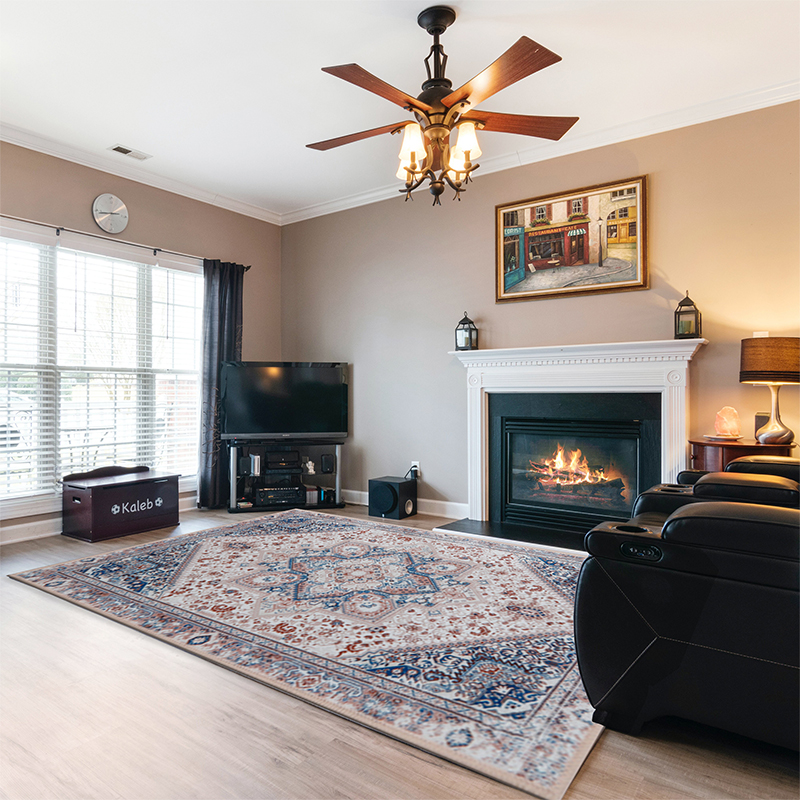
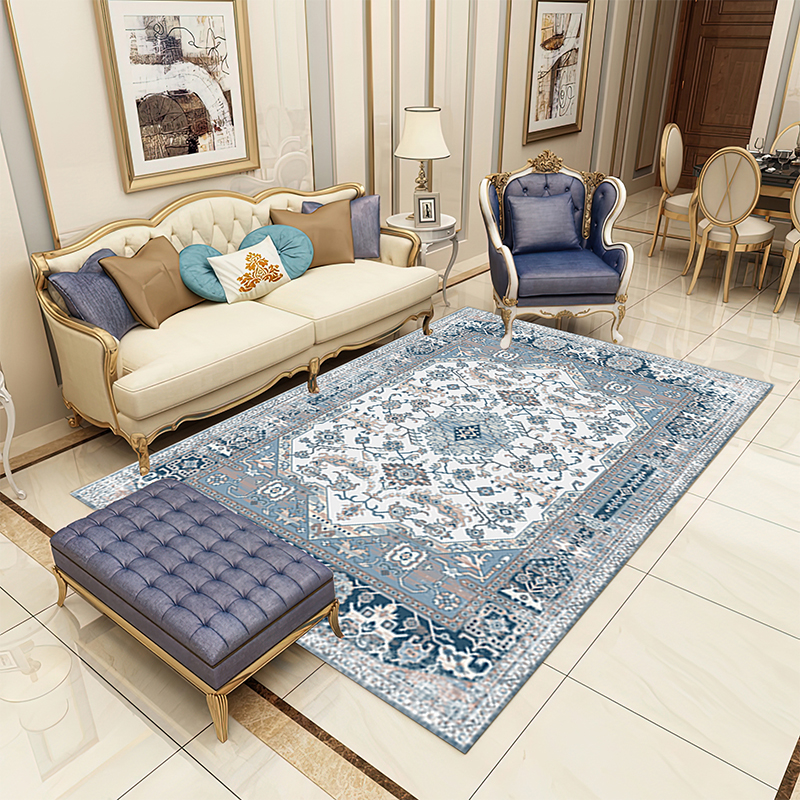
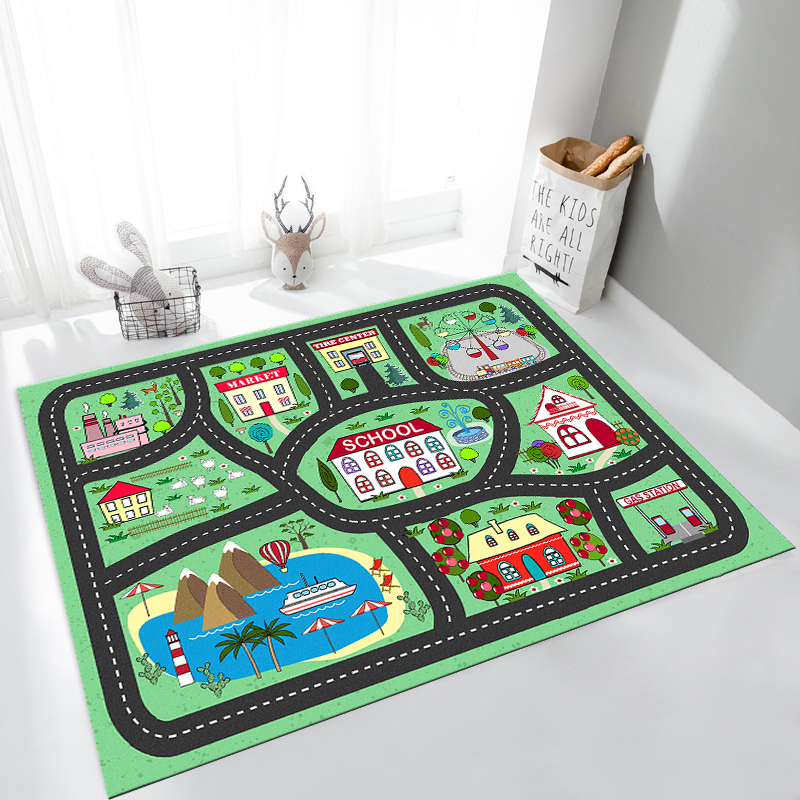
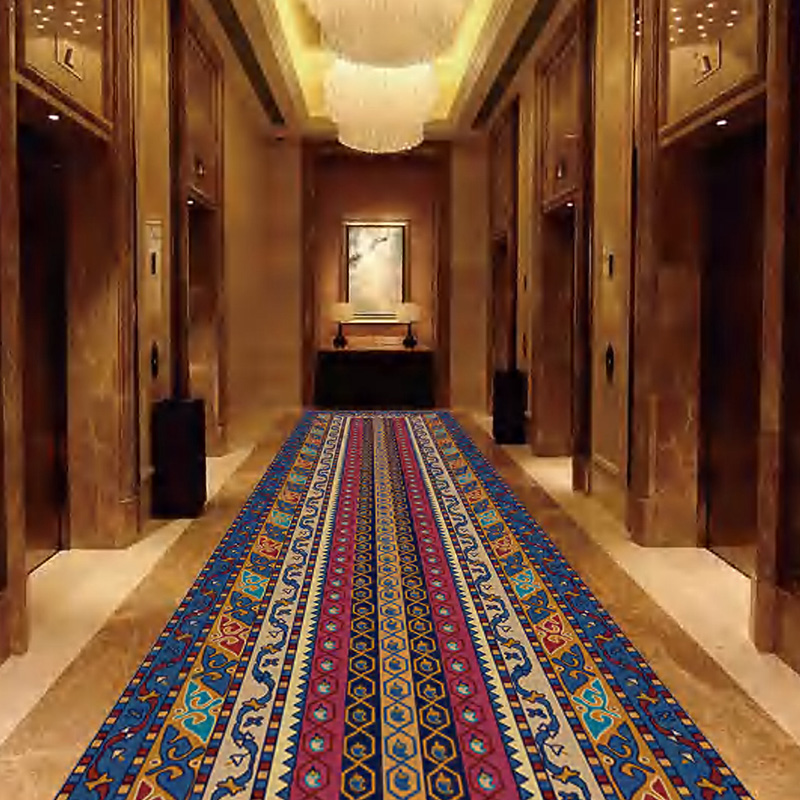
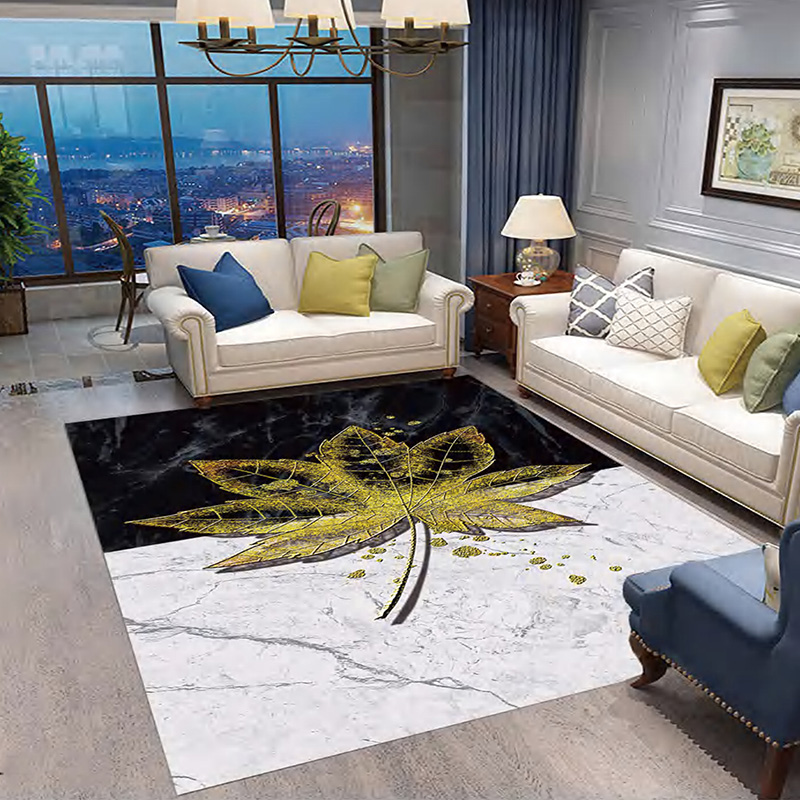
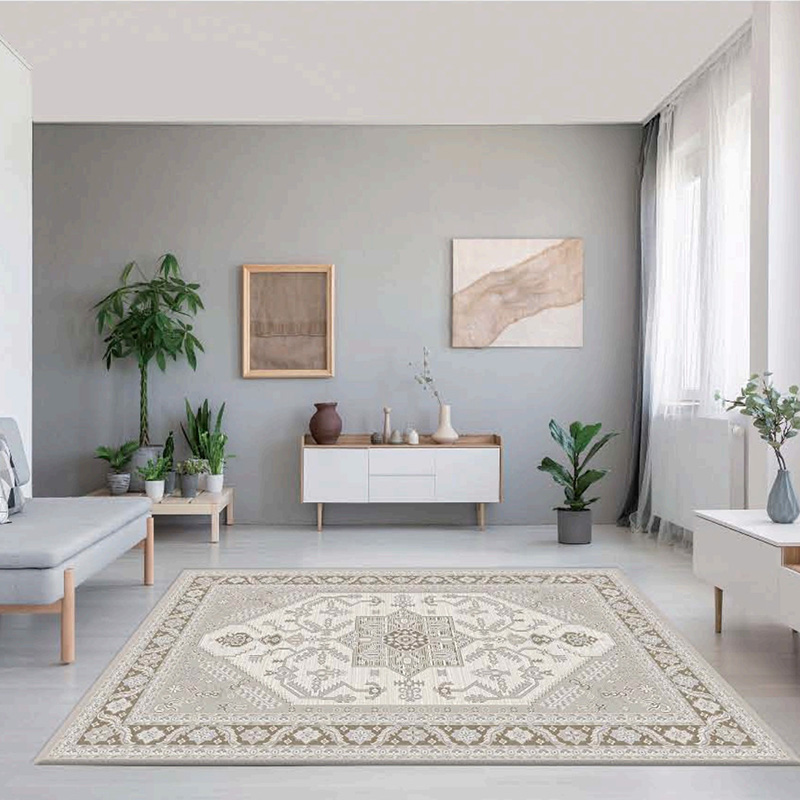
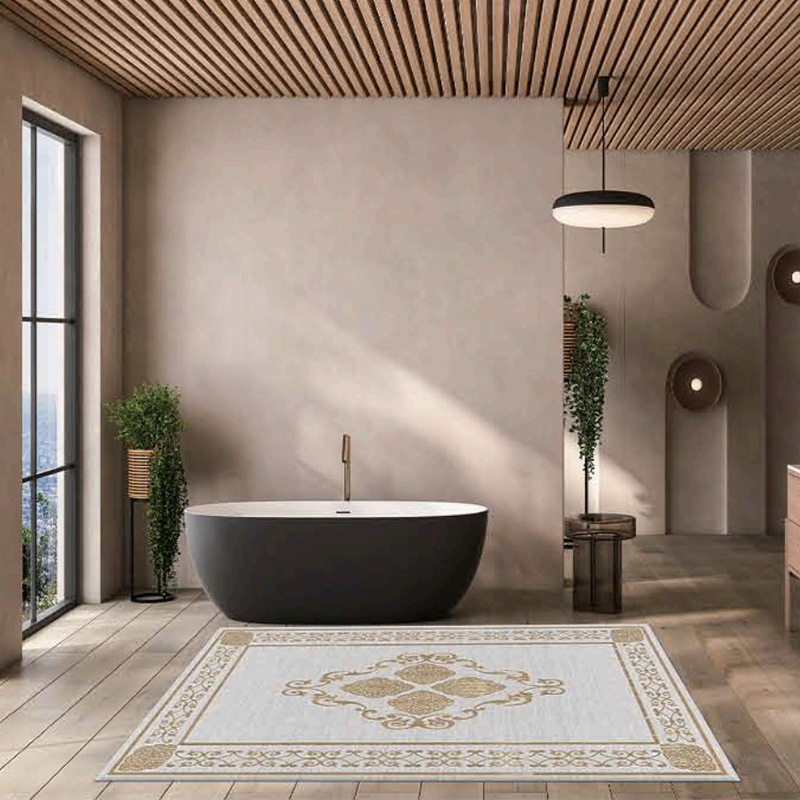
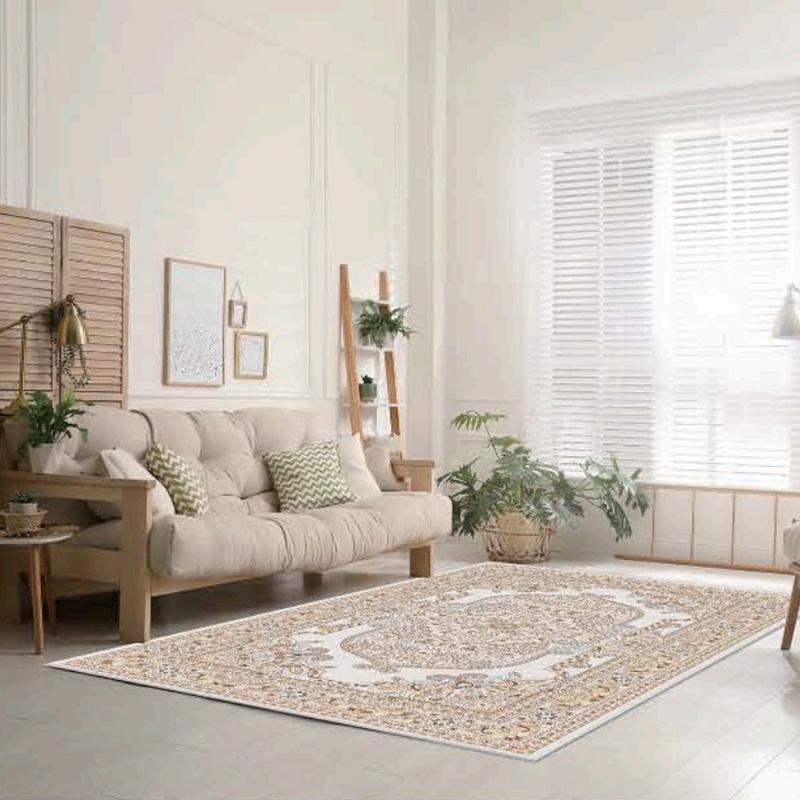
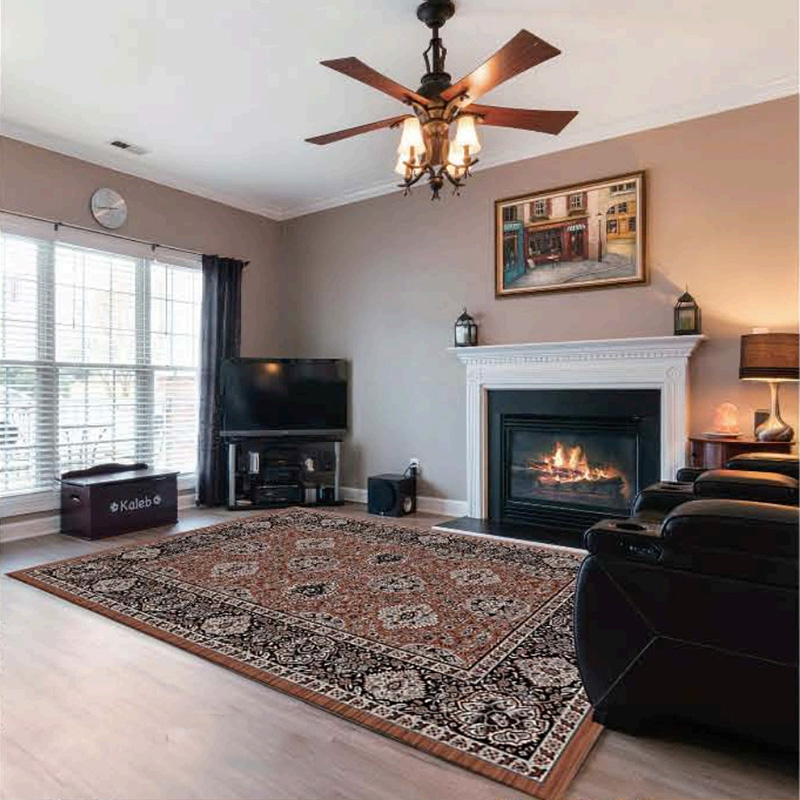
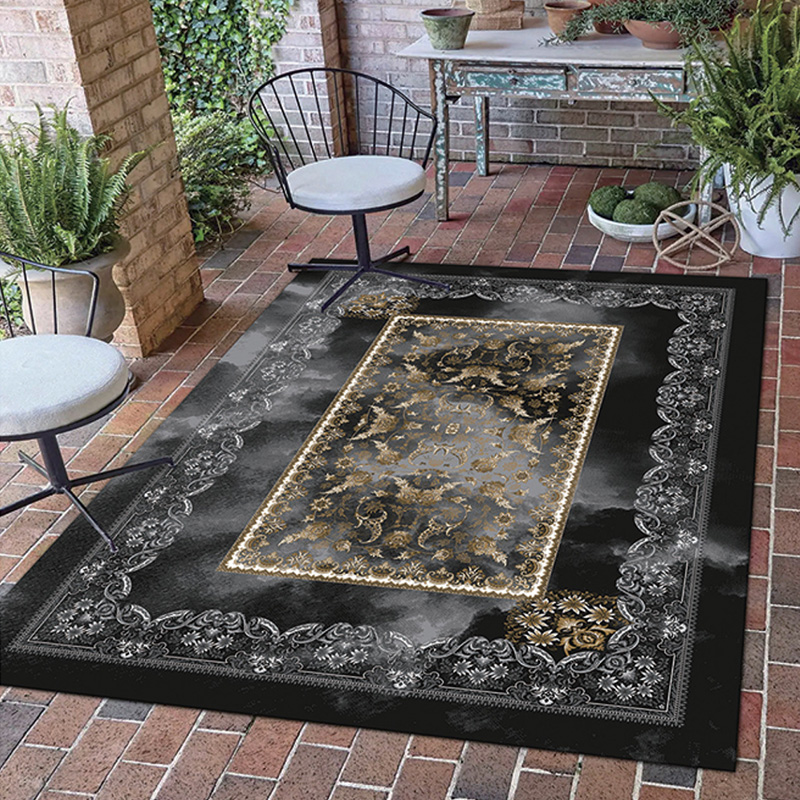
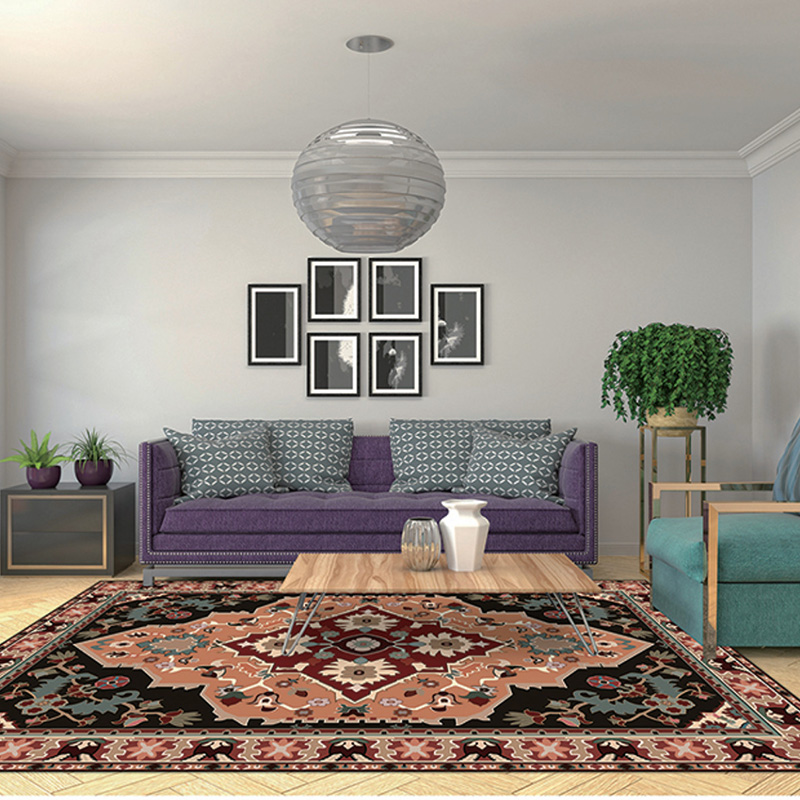
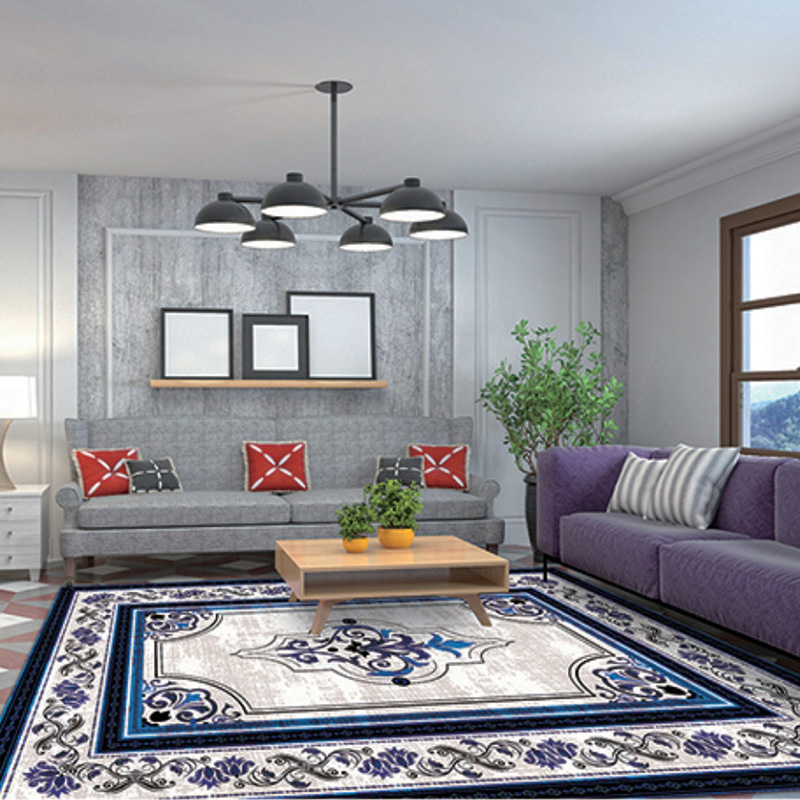
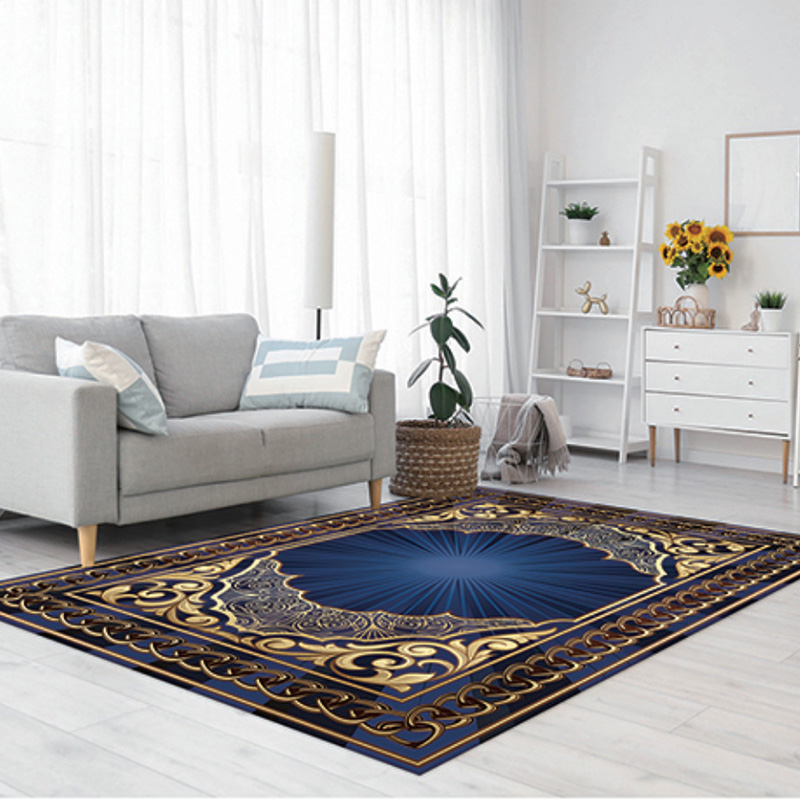
Oversized rugs are capturing attention in interior design discussions, furniture exhibitions, and manufacturing floors alike. These large-scale floor coverings serve more than a decorative purpose; they define living spaces, anchor furniture, and provide a tactile layer of comfort. Manufacturers focus on material selection, weaving techniques, and consistent quality to ensure that the final product performs well in diverse home environments.
Production of oversized rugs begins with selecting the right fibers, whether natural, synthetic, or blends. Yarn thickness, density, and texture are carefully considered because large rugs need structural integrity to prevent sagging, wrinkling, or premature wear. Weaving or tufting processes often involve advanced machinery capable of handling broad widths and longer lengths without compromising pattern alignment or surface consistency. For hand-knotted or hand-tufted rugs, skilled artisans coordinate movements across expansive surfaces, ensuring even tension and precise pattern replication.
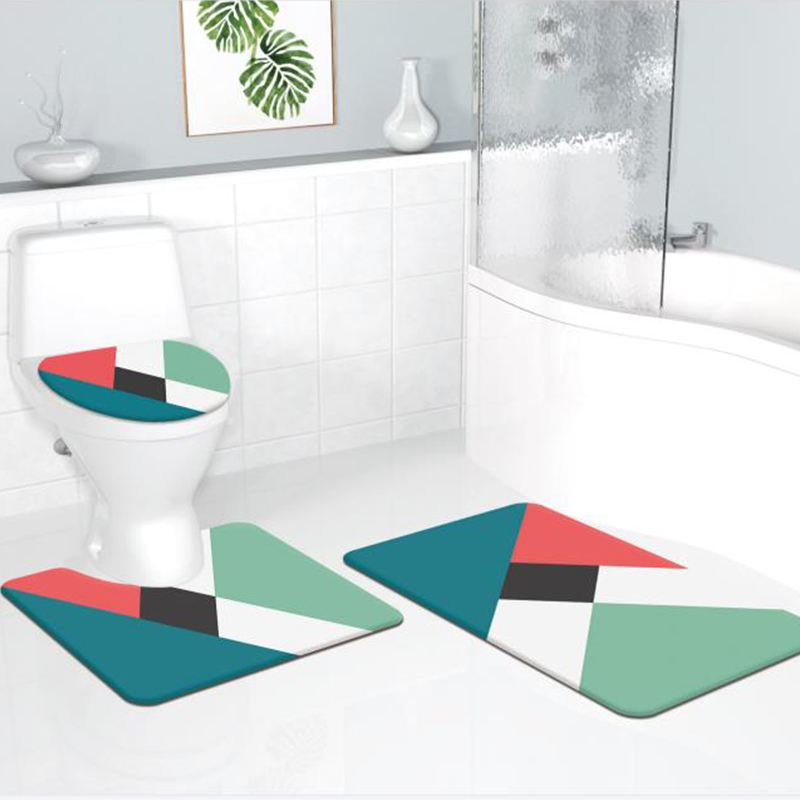
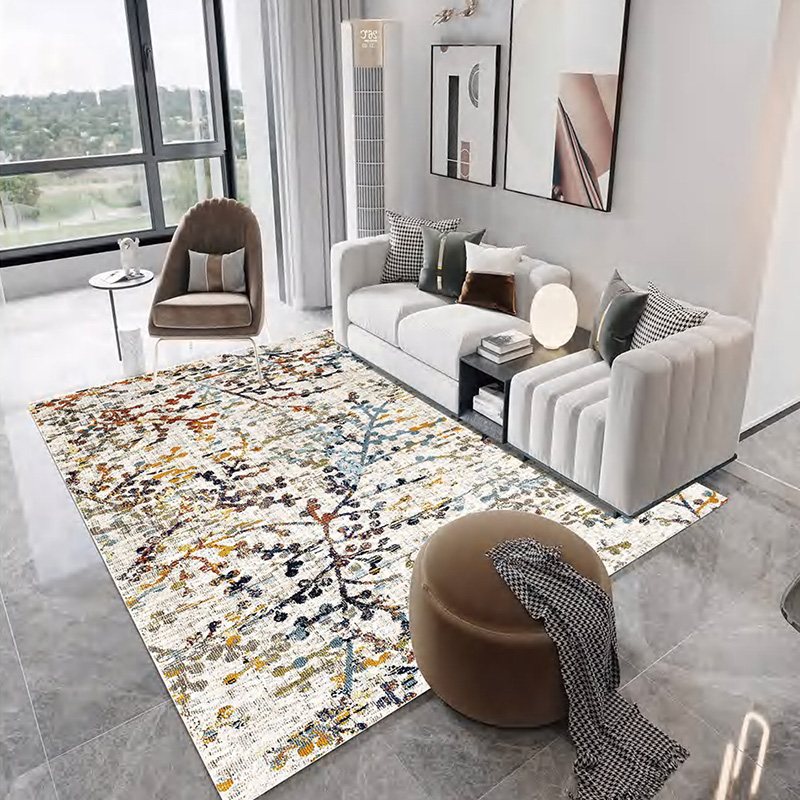
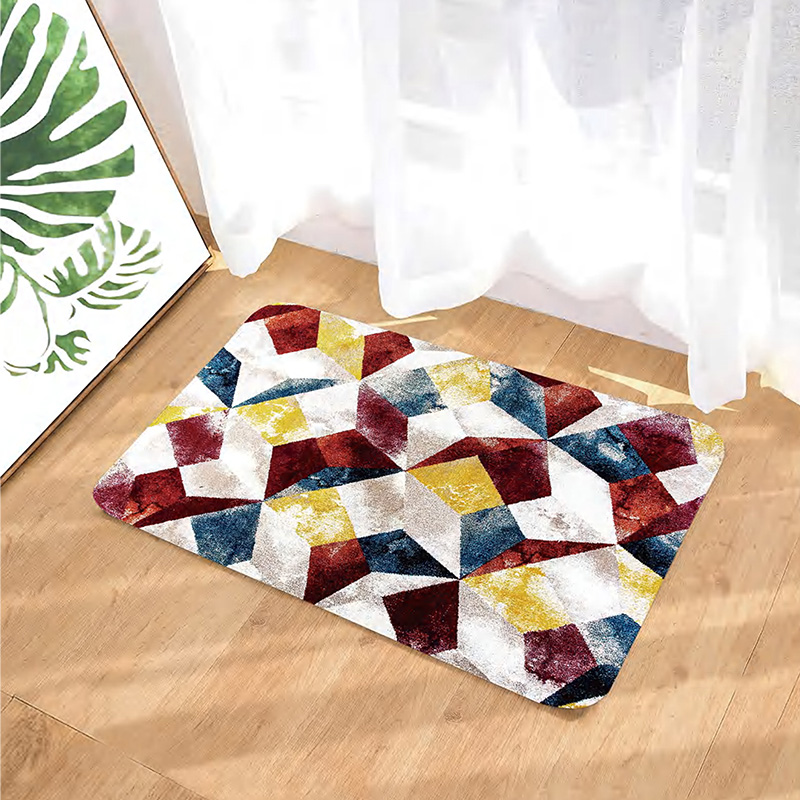
Color and pattern design is another critical stage. Oversized rugs offer a large canvas for creative expression, and designers take advantage of the scale to create visual impact. Geometric patterns and flowing abstract designs challenge production teams to maintain strict quality control to prevent misalignment or inconsistency. This attention to detail ensures that the final product looks balanced when placed in living rooms, bedrooms, or communal spaces.
Once manufactured, oversized rugs face unique logistics challenges. Shipping requires careful rolling or folding techniques to avoid creases, and storage solutions must accommodate the size without damaging fibers. Installation in homes or commercial settings involves careful placement to maintain symmetry, align furniture, and allow for natural expansion or contraction of materials. In larger spaces, multiple people may be needed to move and position a rug correctly, making coordination an important part of the process.
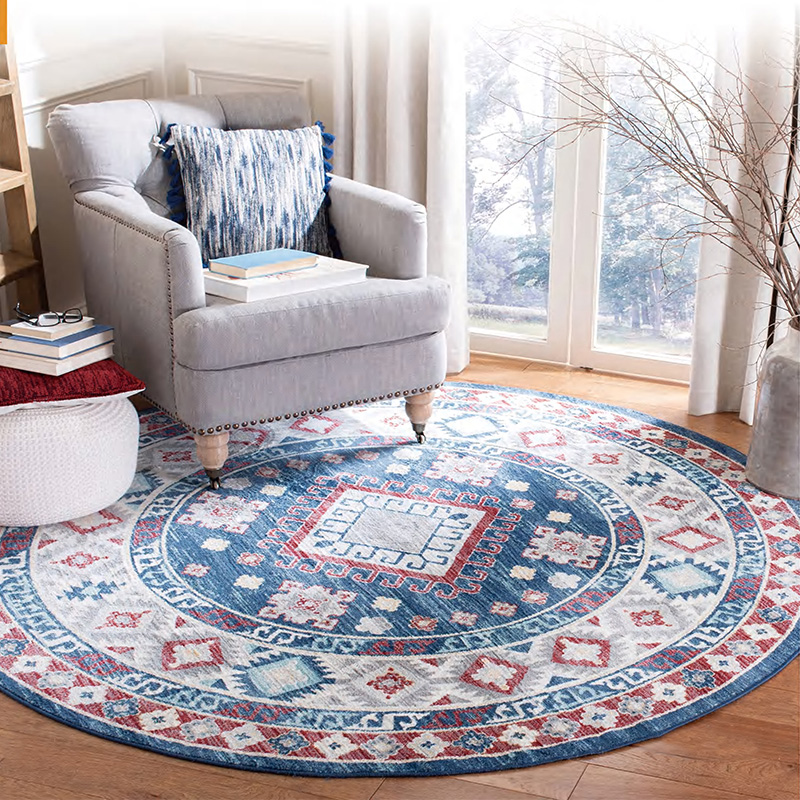
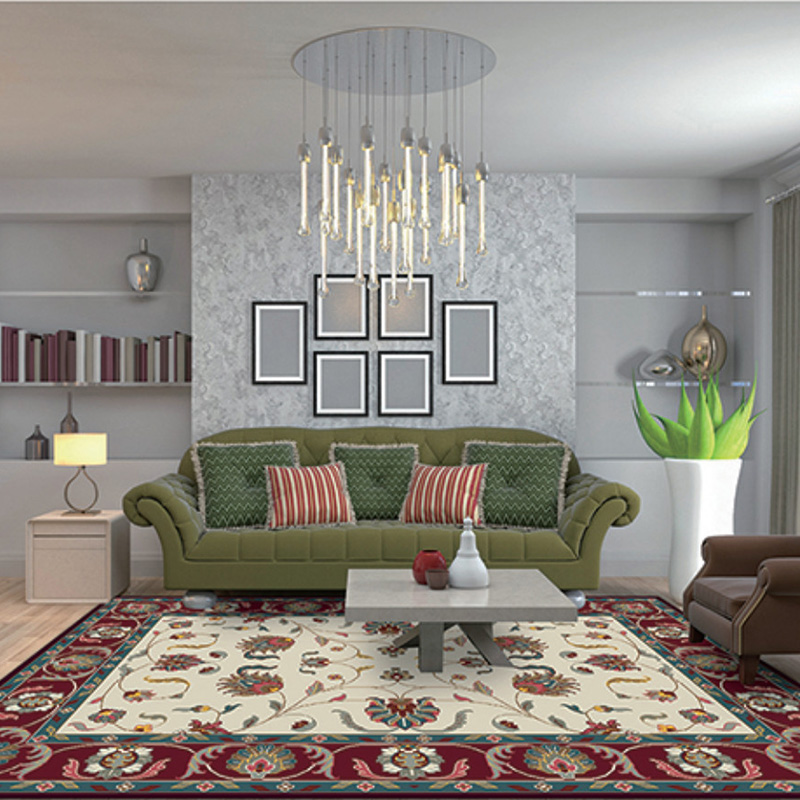
In terms of usage, oversized rugs create zones within open-plan layouts, such as separating dining areas from living areas or framing seating arrangements. The larger surface provides cushioning underfoot, contributing to comfort and noise reduction. Residents often notice how an oversized rug affects the perception of room scale; a well-chosen rug can make a spacious area feel cozier or a small room appear more expansive.
Durability is also a key consideration. Because oversized rugs cover more area, they experience a wider range of foot traffic. Manufacturers test fiber resilience, pile density, and stitching techniques to ensure the rugs maintain appearance and function over time. Some oversized rugs are designed with low-profile piles for easy furniture placement, while others feature thick, plush textures for added luxury and comfort.
Designers and homeowners also explore oversized rugs for creative layering, combining multiple rugs to define multiple zones within a single space. The interplay of textures, colors, and patterns opens new possibilities for interior styling. Even subtle shifts in pattern alignment or color contrast can dramatically influence the visual harmony of a room.
Advances in production technology have made oversized rugs more accessible and consistent in quality. Machine-assisted weaving, computerized pattern tracking, and automated dyeing processes reduce errors and enhance reproducibility. At the same time, artisanal techniques remain valued for unique textures, pattern irregularities, and subtle variations that cannot be replicated by machines. This combination of modern production and traditional craftsmanship allows oversized rugs to cater to both aesthetic and functional needs.