 0
0
 Language
  英语
英语 阿拉伯语
阿拉伯语 德语
德语
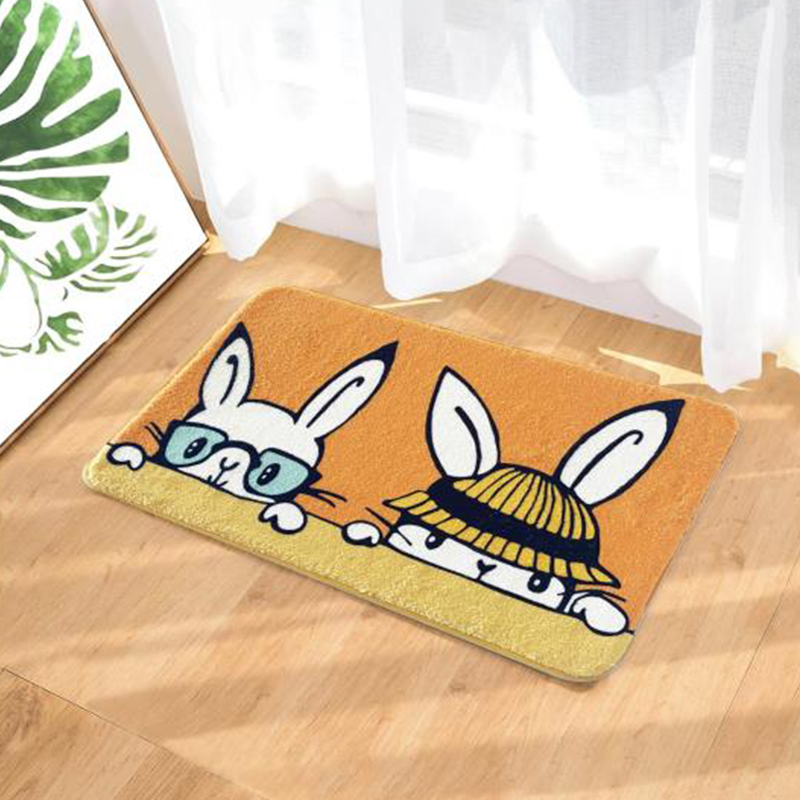
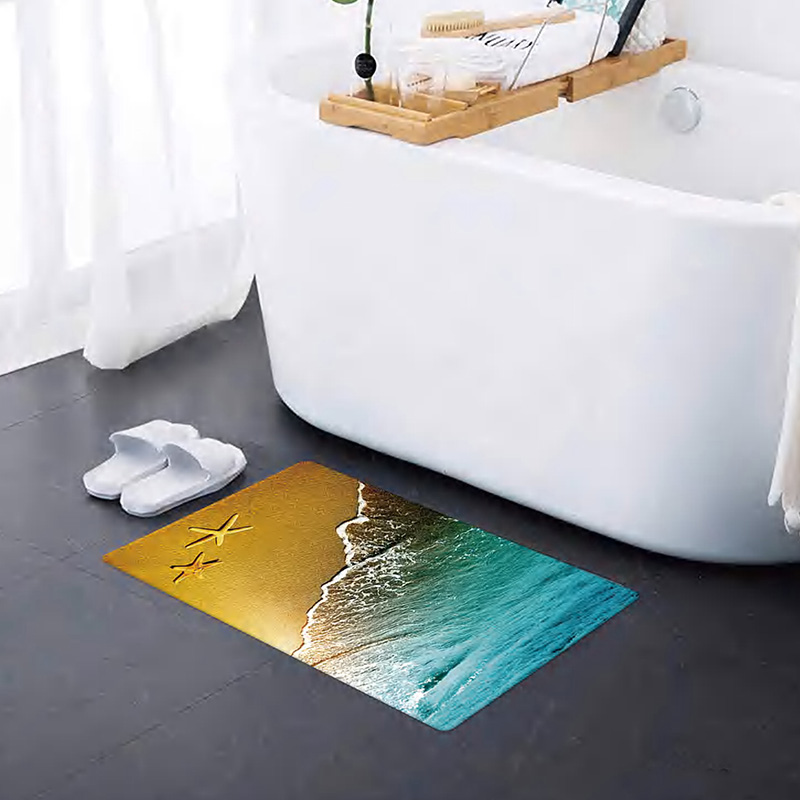
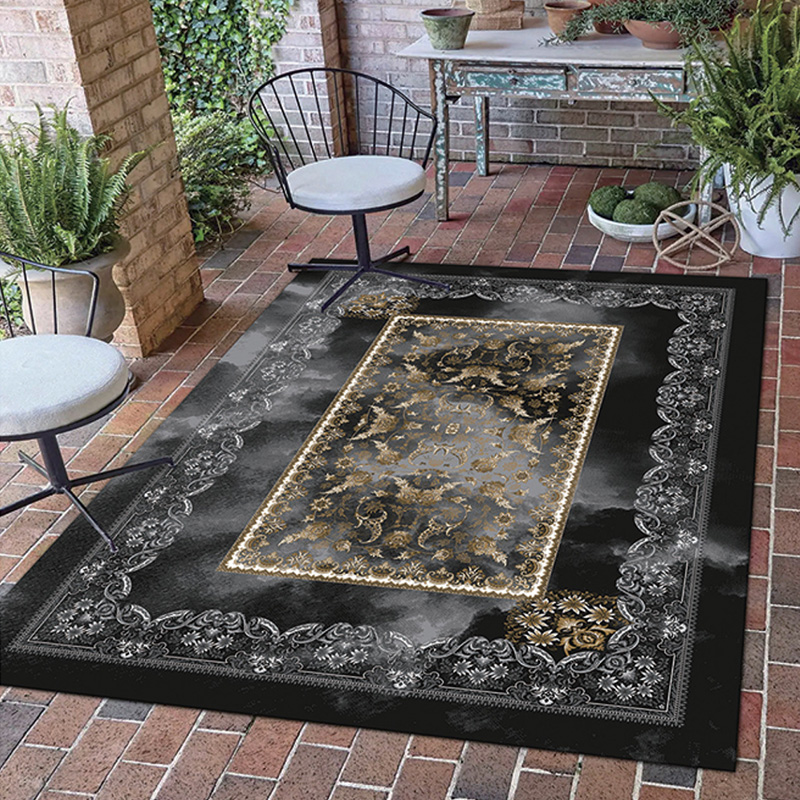
Custom rugs have established a steady place in discussions about interior design. These floor coverings are made according to individual specifications, allowing homeowners to select dimensions, patterns, colors, and textures that align with their spaces. As living environments become more personalized, custom rugs provide a way to address specific layout needs while contributing to the overall character of a room.
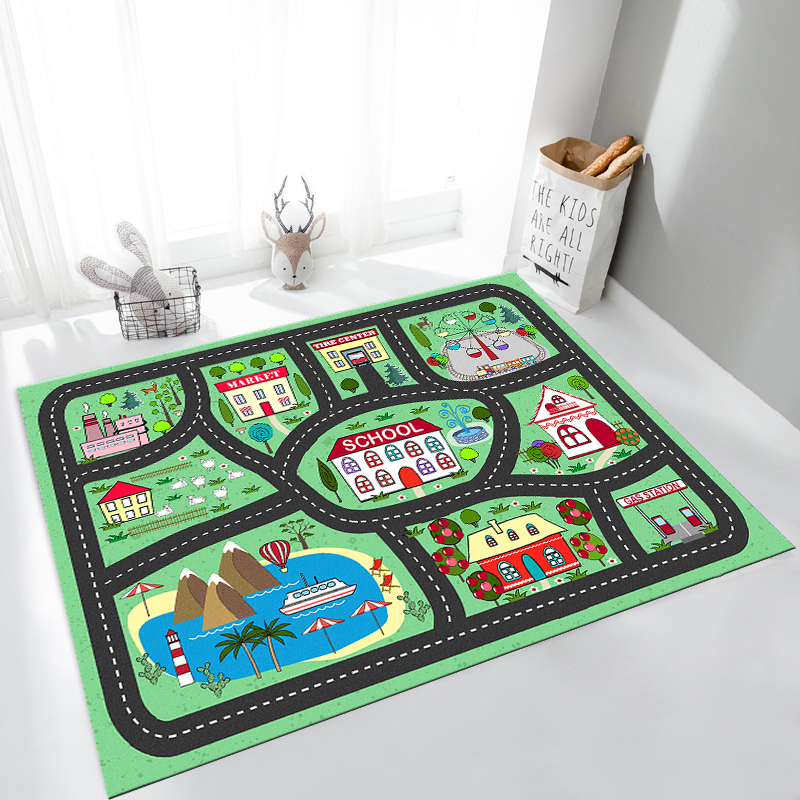
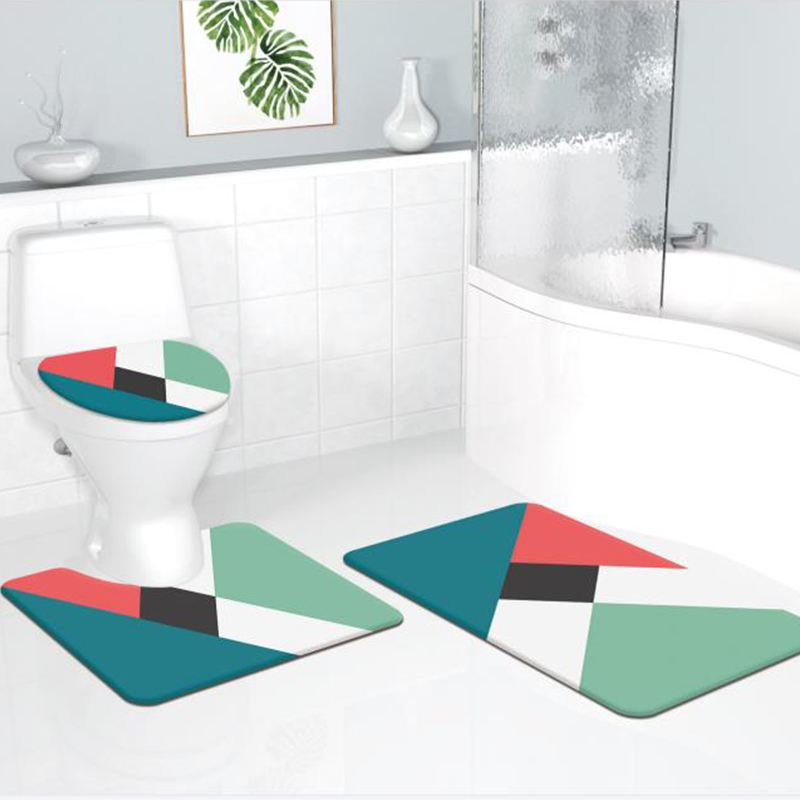
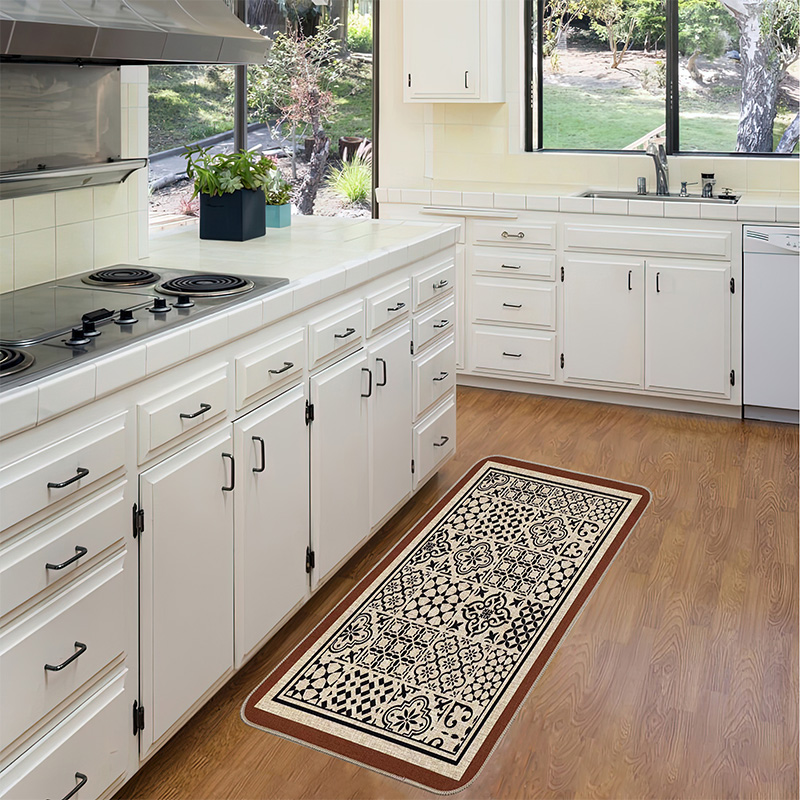
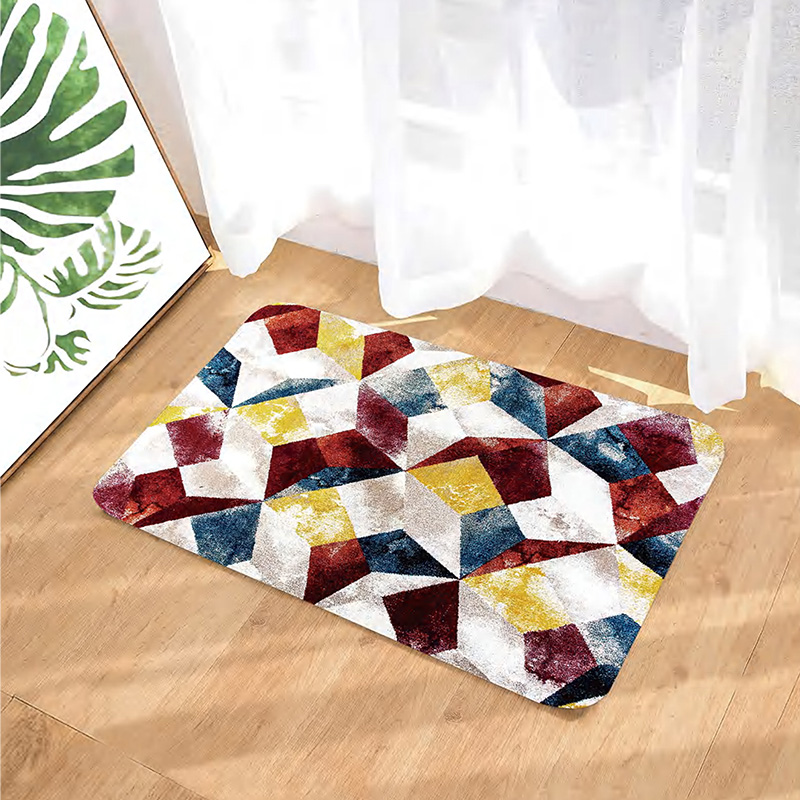
One notable aspect of custom rugs lies in the range of design possibilities. Homeowners can choose from various motifs, including geometric patterns, abstract forms, or subtle textures that reflect personal style preferences. Solid colors remain common choices for their versatility, while options with tonal variations or simple borders add layers of visual interest. This flexibility supports coordination with walls, upholstery, and other elements in the space, creating a unified appearance.
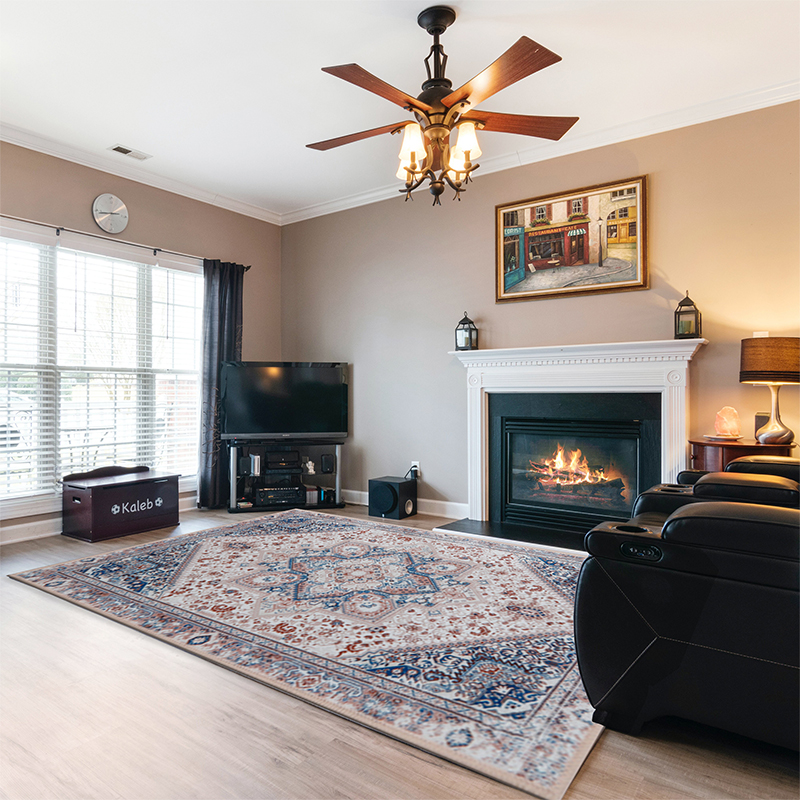
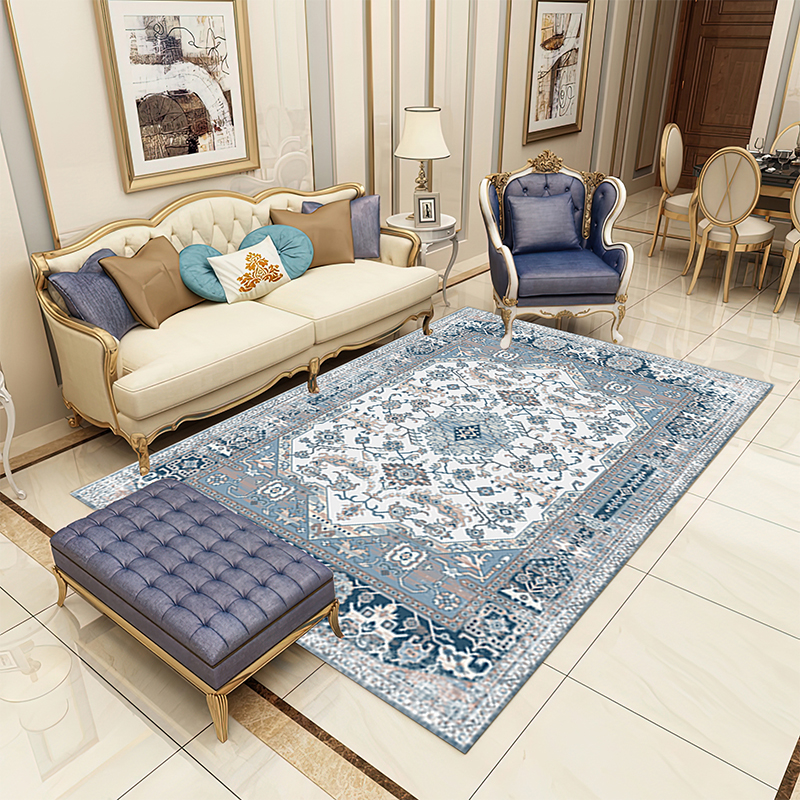
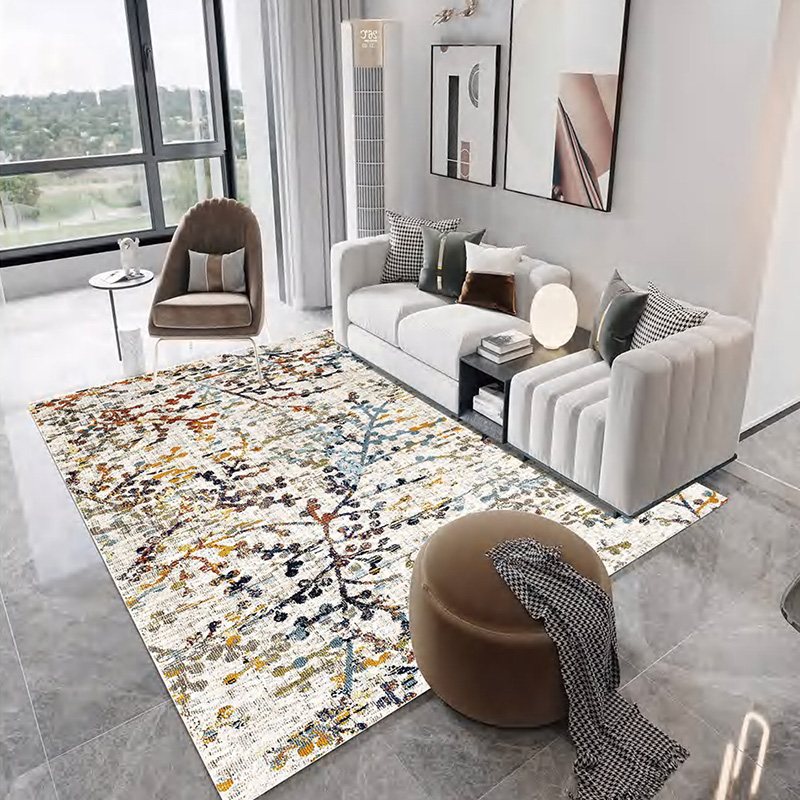
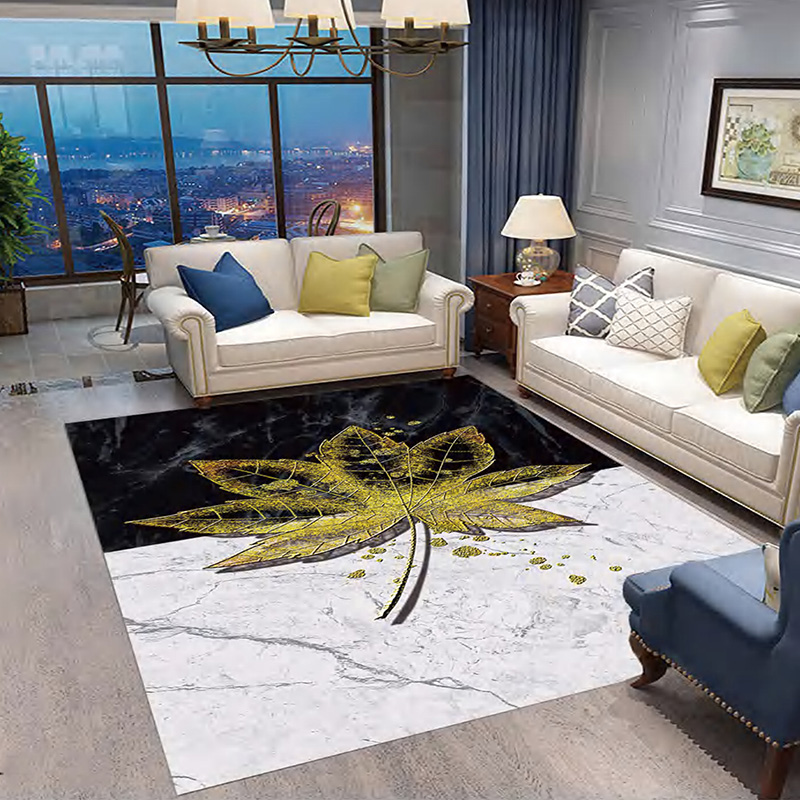
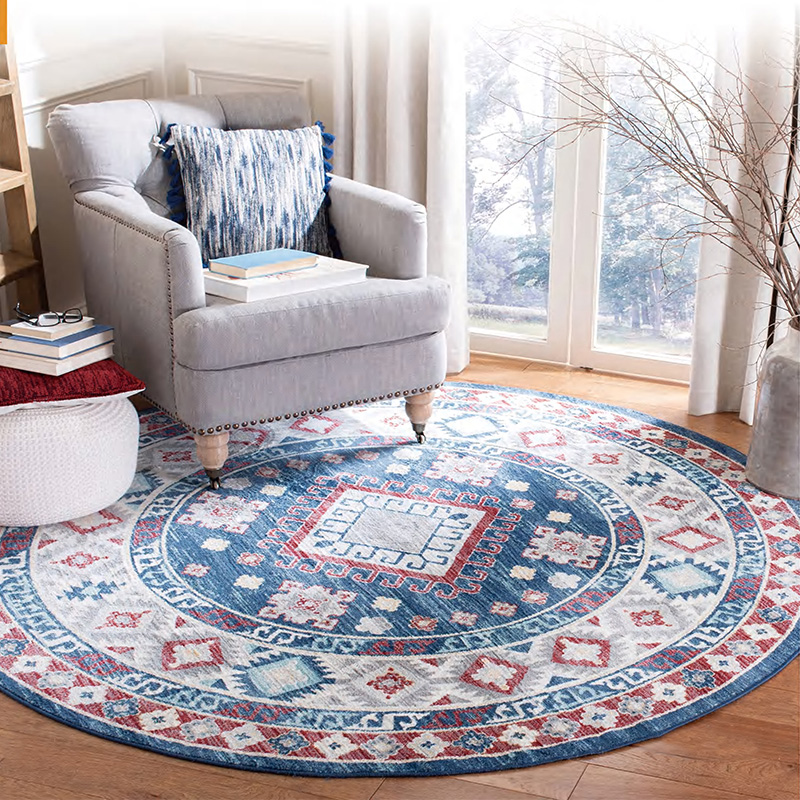
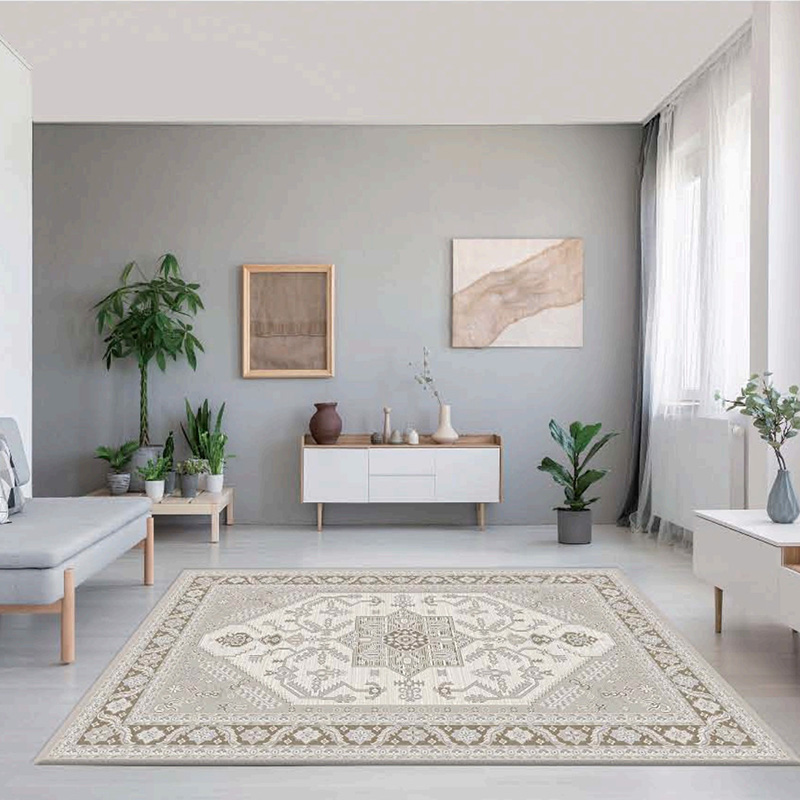
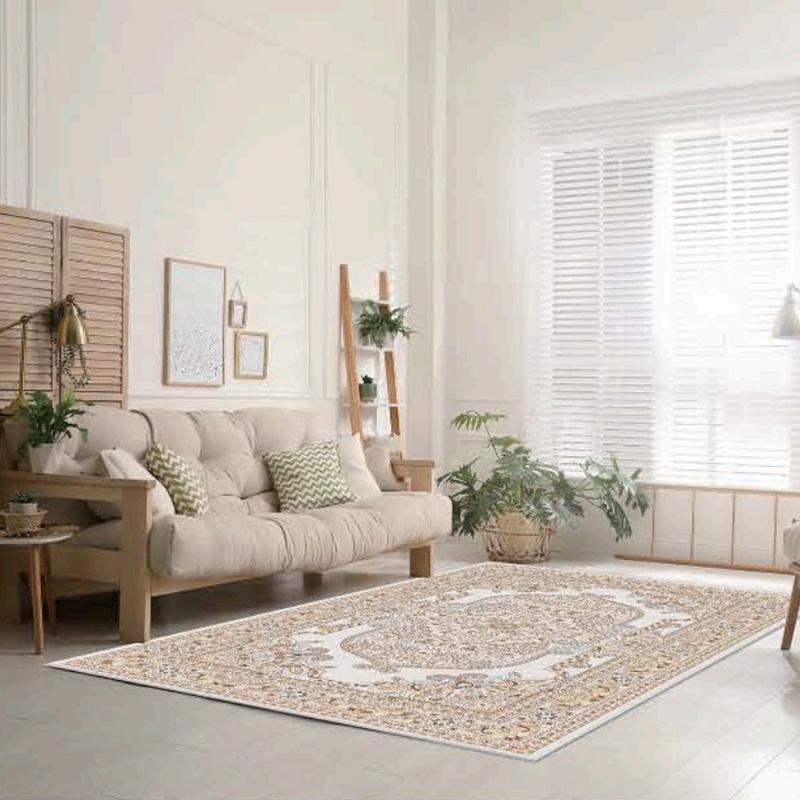
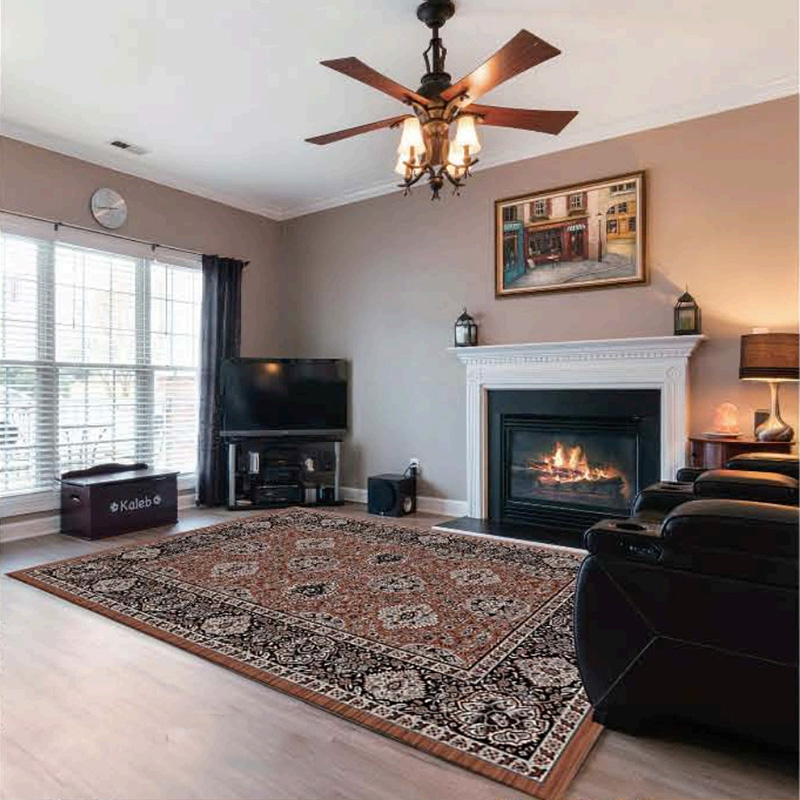
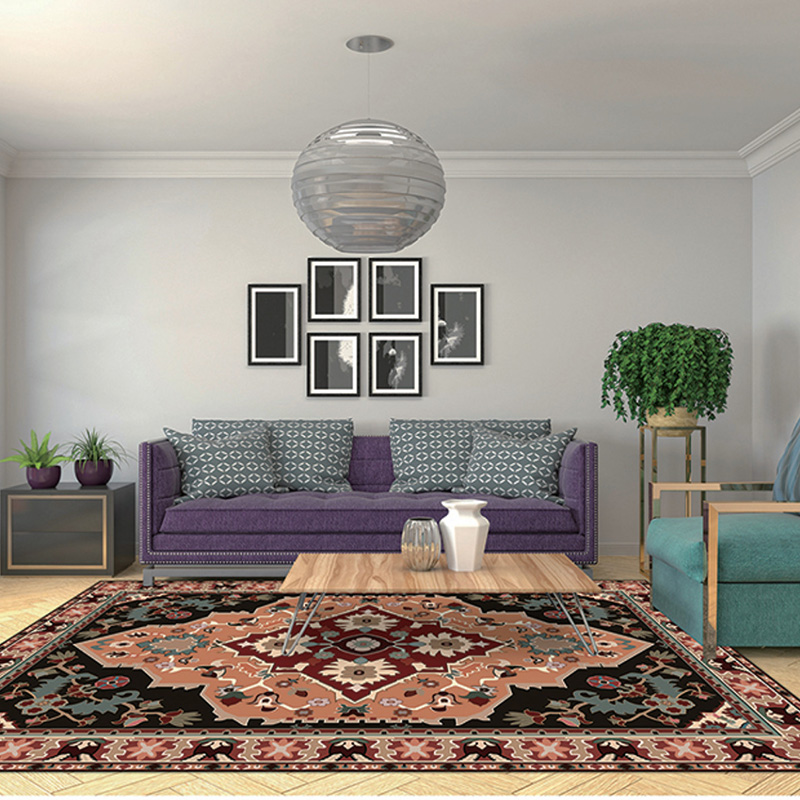
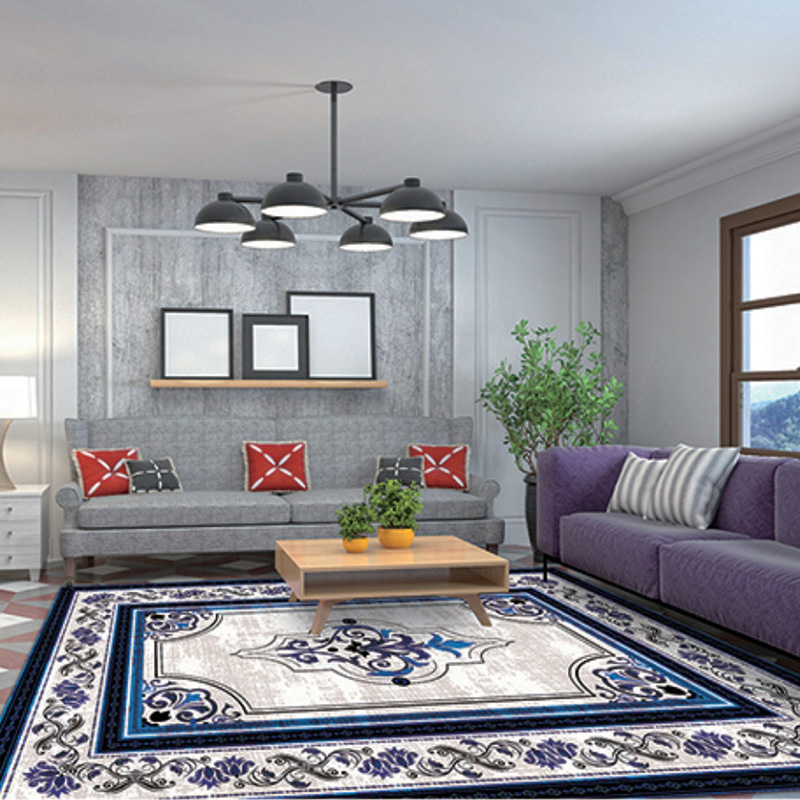
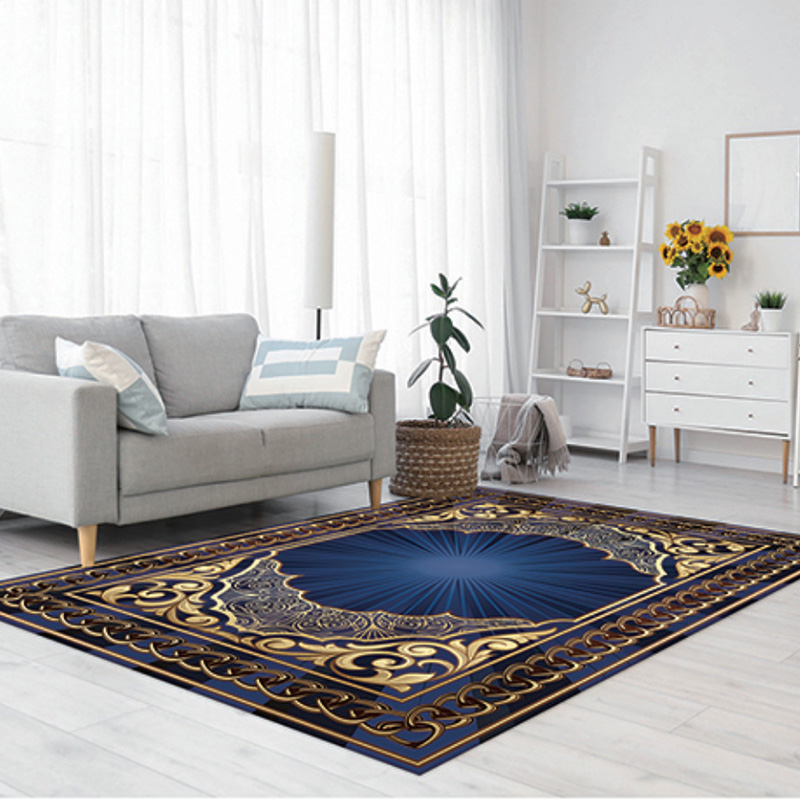
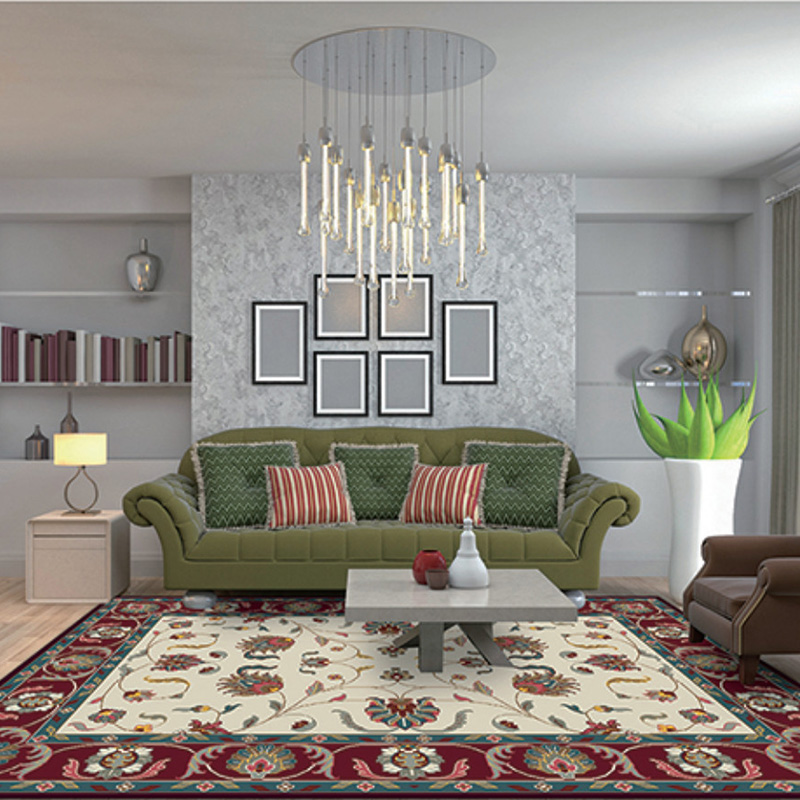
Materials used in custom rugs cover several categories, such as wool blends for natural feel, synthetic fibers for durability in active areas, or cotton for lighter applications. Each type brings distinct qualities in terms of appearance and surface texture, allowing selections based on the room’s primary function. In living rooms, for example, a custom rug can extend beneath sofas and chairs to establish a central gathering point. The shape and size can be adjusted to accommodate different configurations, supporting both formal and casual arrangements.
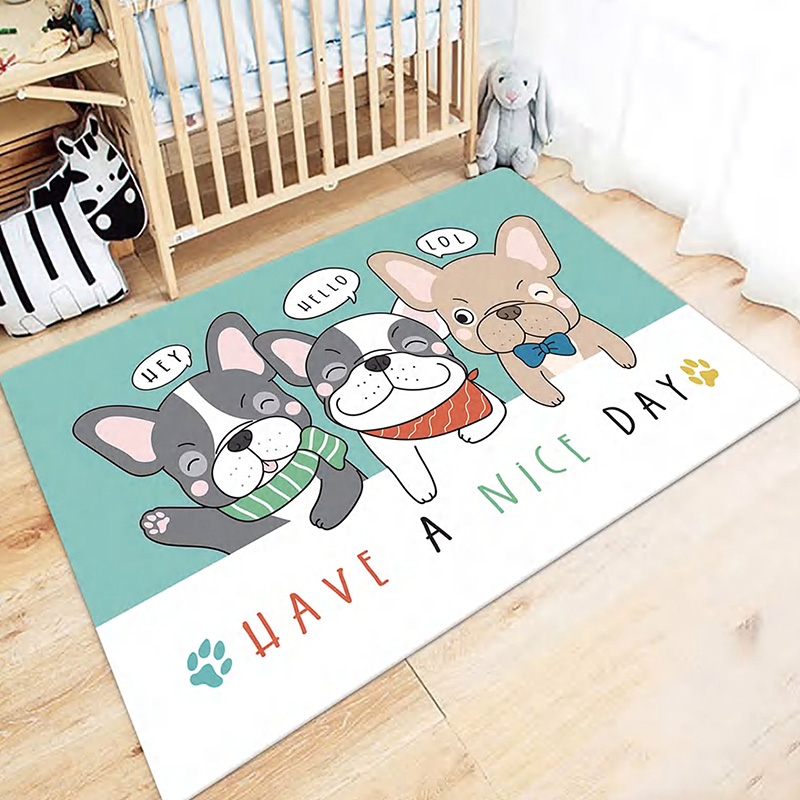
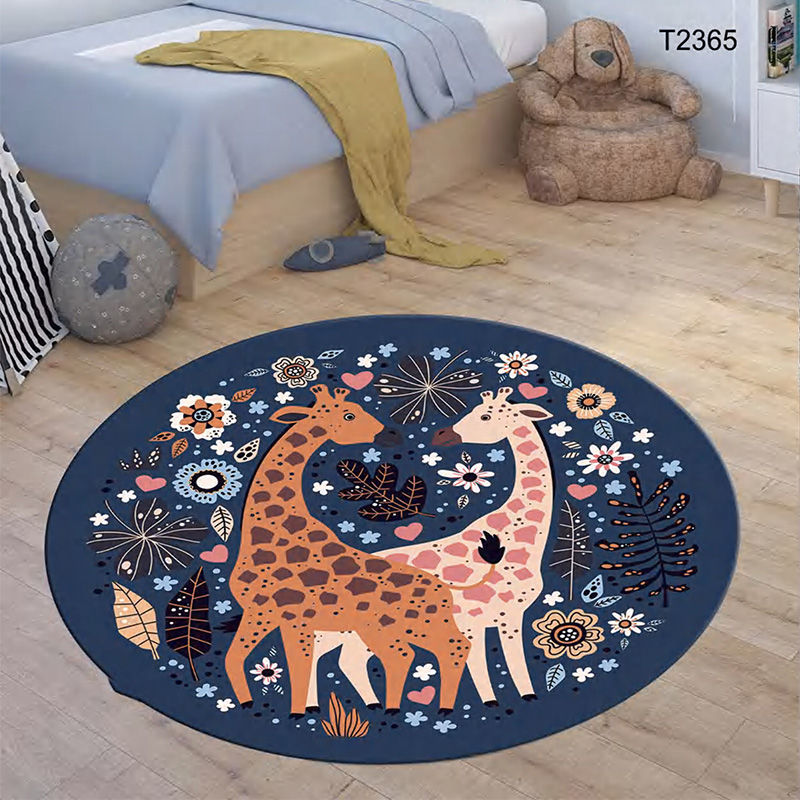
Bedrooms also benefit from custom rugs, where they can be positioned to create soft zones near the bed or seating areas. The ability to specify exact dimensions means the rug can avoid doorways or other obstacles while maintaining visual balance. In dining spaces, a custom rug tailored to the table size helps define the area and supports movement around the perimeter. This attention to detail contributes to a sense of order and comfort in daily routines.
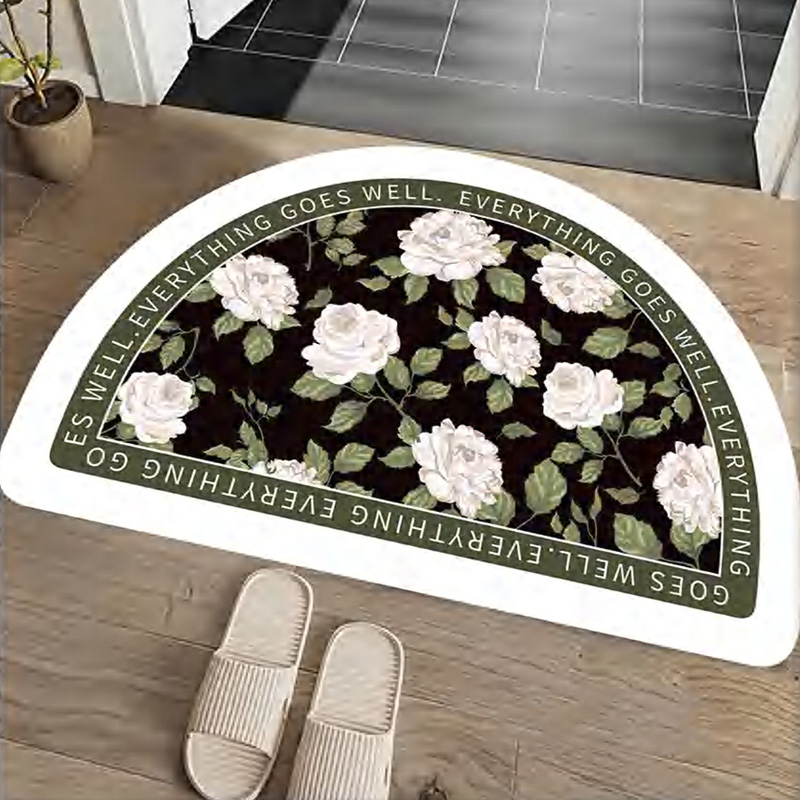
Custom rugs further allow for experimentation with shape. While rectangular forms are standard, circular or irregular outlines can introduce variety in open floor plans. These choices help soften angular architecture and guide the eye through the room in a more organic manner. In multi-functional spaces, multiple custom rugs can be coordinated to separate zones without the need for permanent divisions, preserving flow while adding definition.
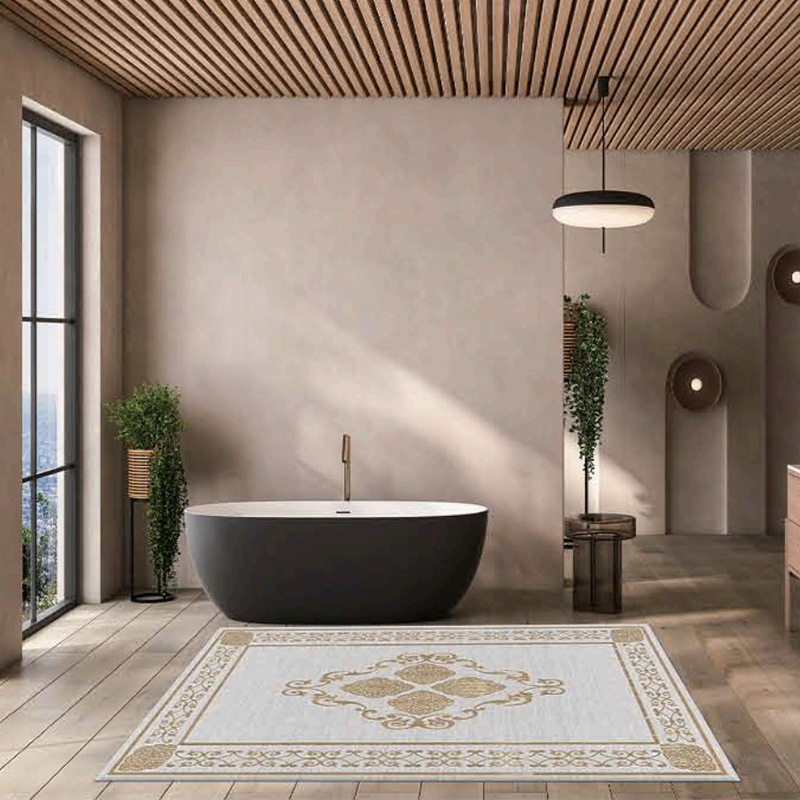
The color selection process plays an important role in how custom rugs influence the perception of space. Lighter tones can contribute to an open and airy feel, particularly in smaller rooms, while deeper shades provide a grounding effect in larger areas. Patterns can range from minimal lines to more detailed compositions, depending on the desired level of visual activity. This adaptability makes custom rugs suitable for a variety of interior approaches, from streamlined modern settings to those with layered decorative elements.
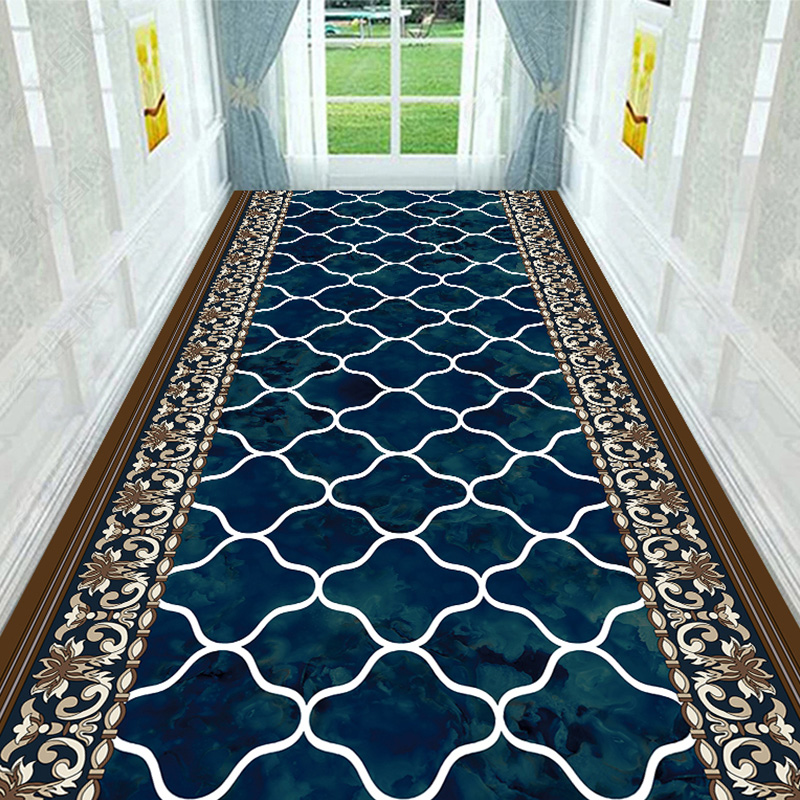
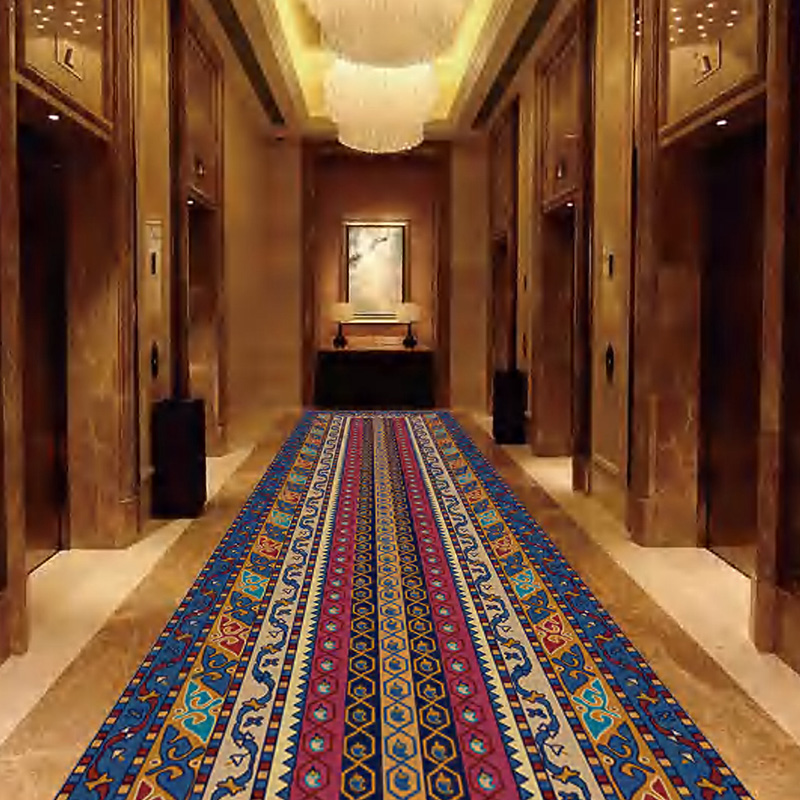
Another consideration involves the way custom rugs interact with lighting and surrounding accessories. Natural light can highlight texture variations, while artificial sources emphasize color depth. Pairing the rug with cushions, throws, or artwork in complementary tones strengthens the design theme. In entryways or hallways, custom rugs offer a way to introduce texture and warmth right from the start, setting a tone for the rest of the home.
Custom rugs also appear in creative applications, such as layering different sizes or combining textures for added dimension. This technique allows for subtle contrasts that enrich the floor plane and invite closer attention. In family rooms or reading nooks, the personalized fit ensures the rug serves its purpose while blending into the background when not the focus.