 0
0
 Language
  英语
英语 阿拉伯语
阿拉伯语 德语
德语
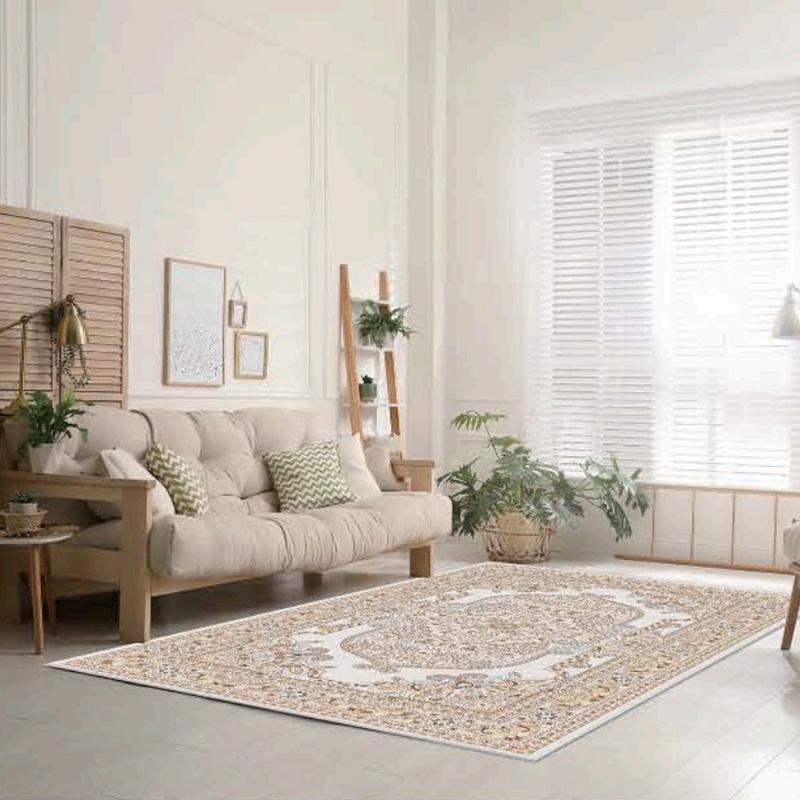
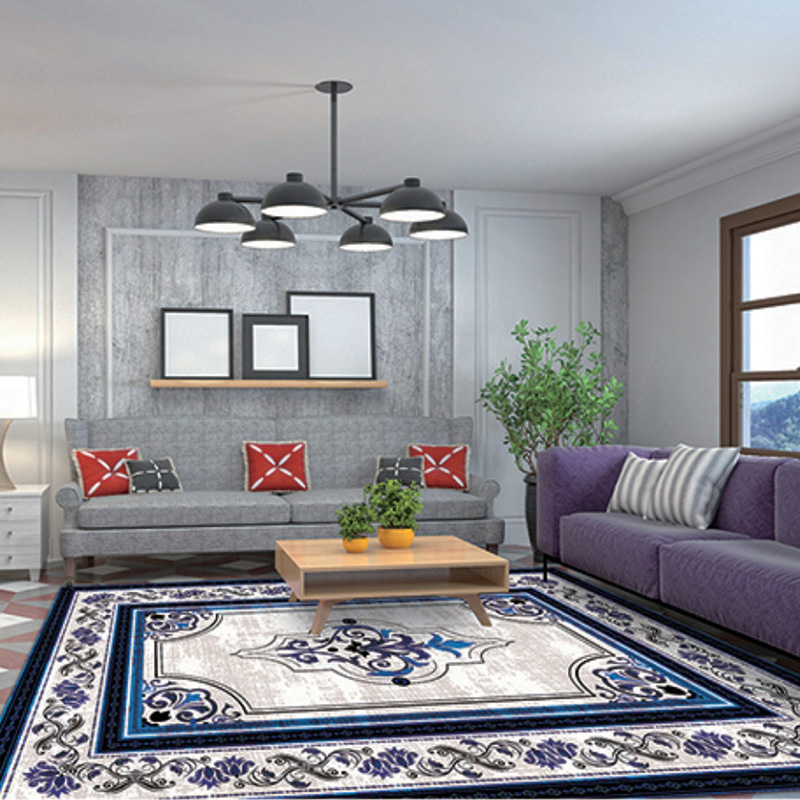
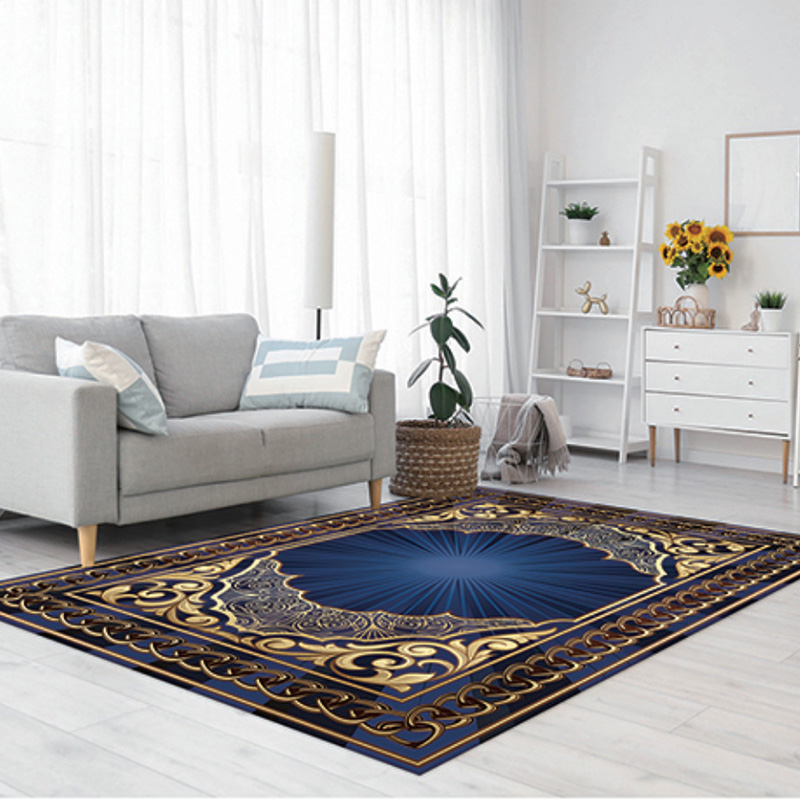
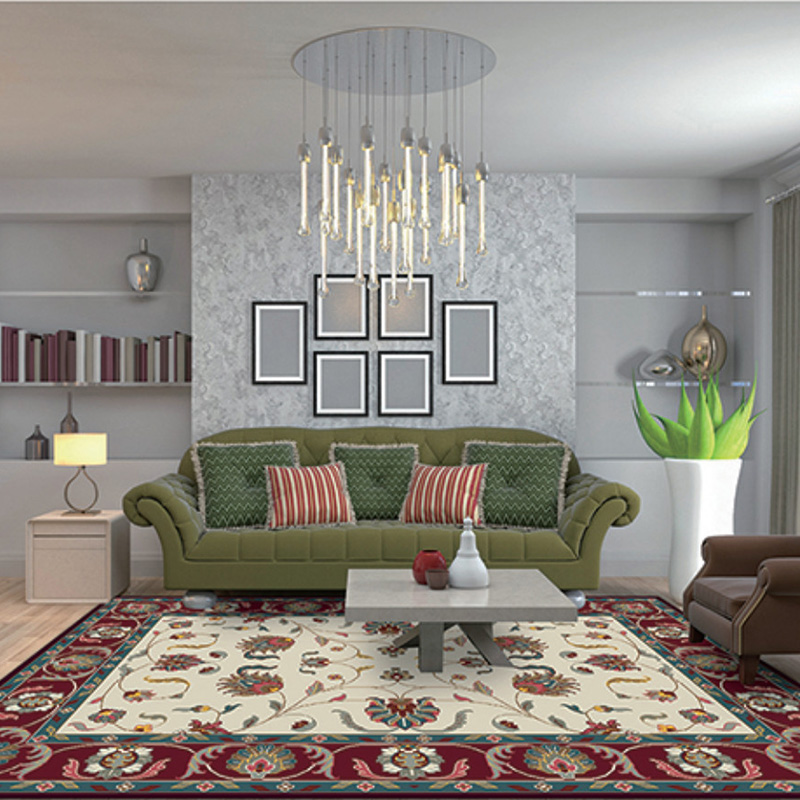
Living room rugs have a way of pulling a whole space together, often doing more visual work than any single piece of furniture. Whether the goal is softening a hardwood floor, adding color to a neutral room, or simply making a couch area feel more inviting, rugs remain one of the easiest ways to reshape how a living room feels without a full redesign.
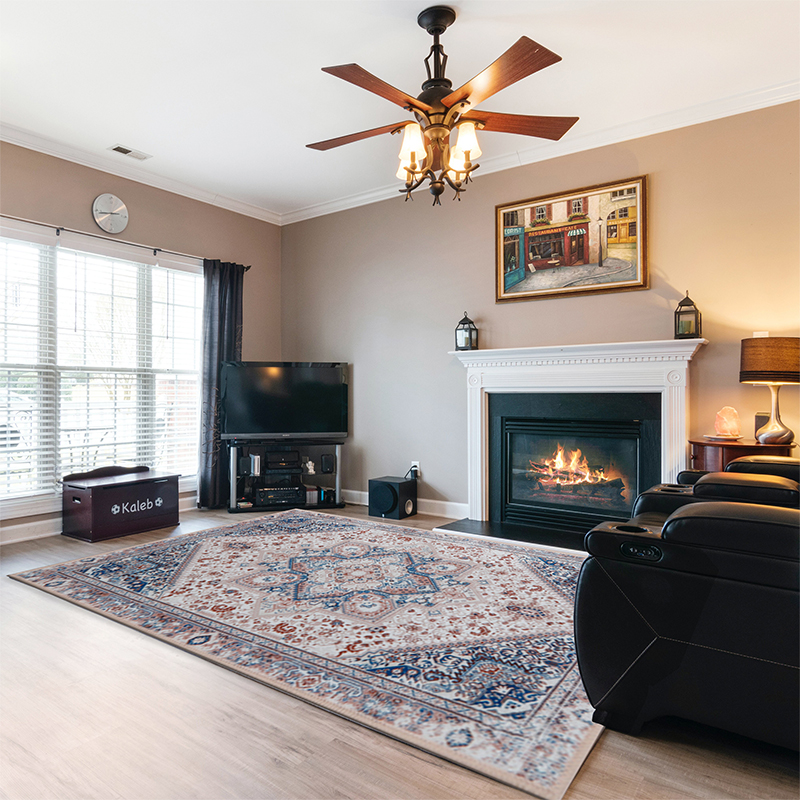
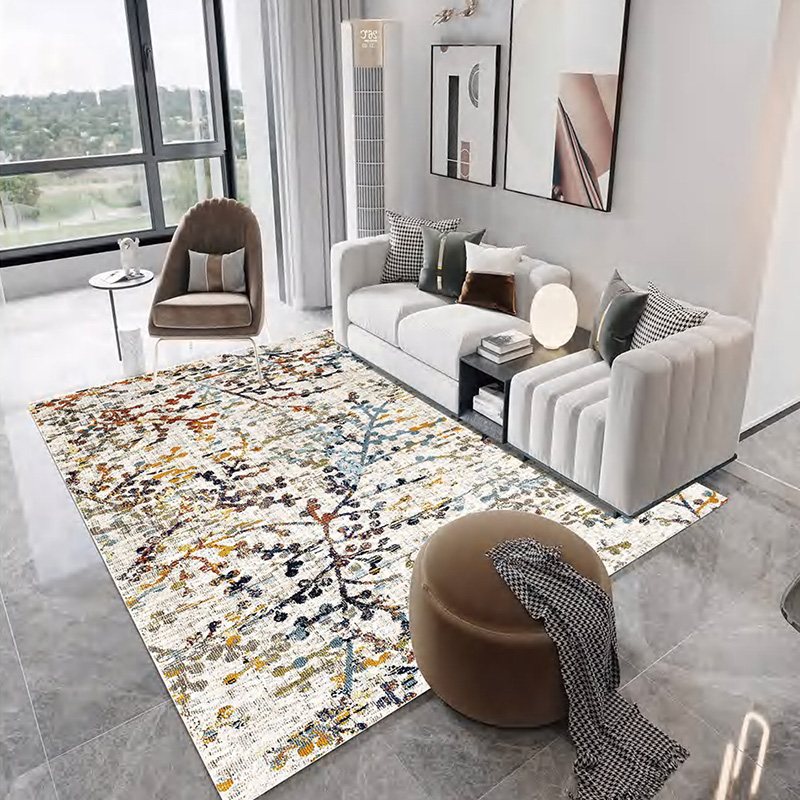
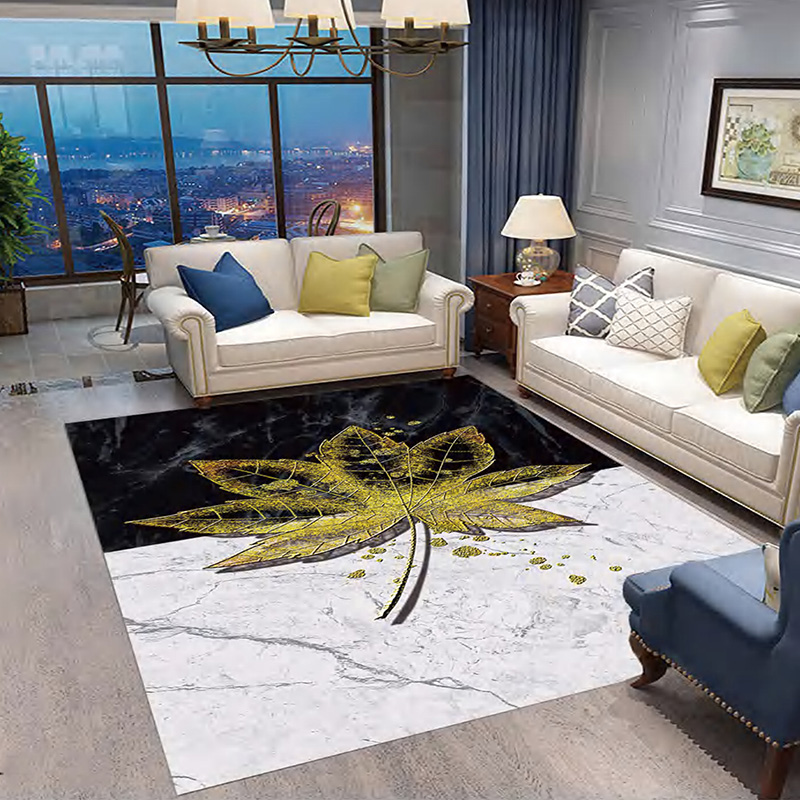
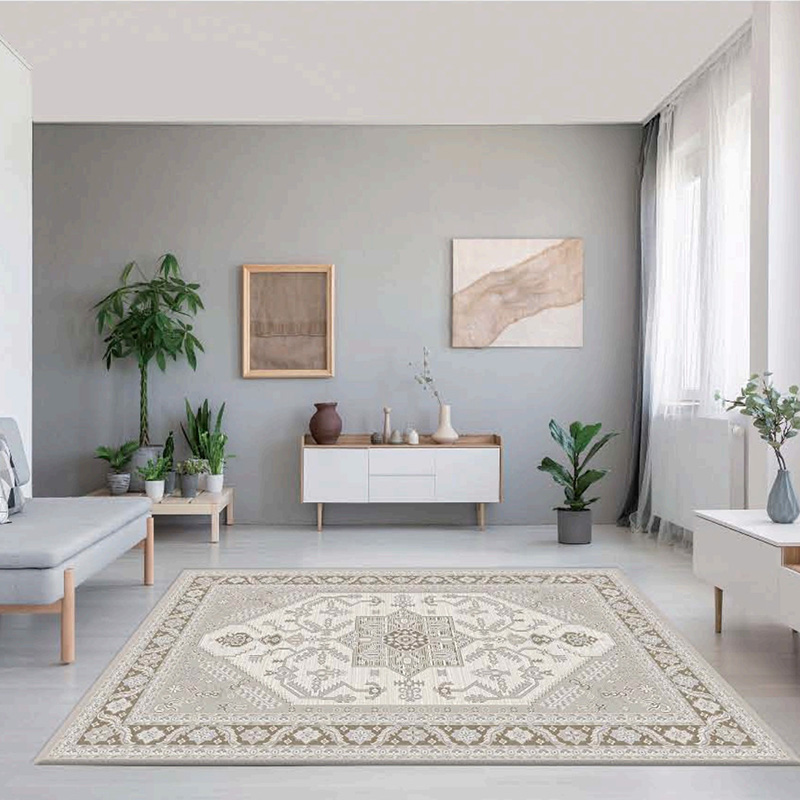
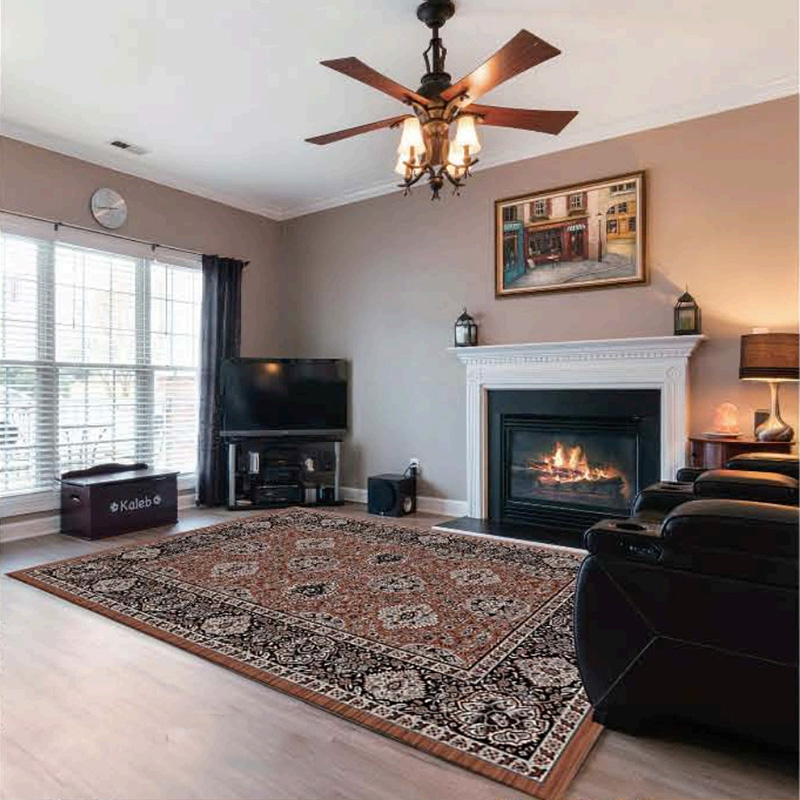
Choosing the right rug starts with understanding scale. A rug that's too small can make furniture look scattered, while one that's properly sized helps anchor a seating arrangement. Many buyers aim for a rug large enough that at least the front legs of major furniture pieces sit on it, which creates a more connected, intentional layout. Room dimensions, furniture placement, and walking space all factor into this decision, and it's rarely a one-size-fits-all answer.
Material choice plays a big role in how a rug performs day to day. Wool rugs tend to offer a soft feel underfoot and hold up well over years of use, while synthetic blends like polypropylene are often chosen for their resistance to stains and easier cleaning. Natural fiber options such as jute or sisal bring texture and an earthy look, though they can feel rougher underfoot compared to plush wool or synthetic piles. Buyers sourcing rugs for different markets often think through a few key factors:
- How the rug will handle foot traffic in busy households
- Whether pets or young children will be regularly on the rug
- How the texture pairs with existing furniture and flooring
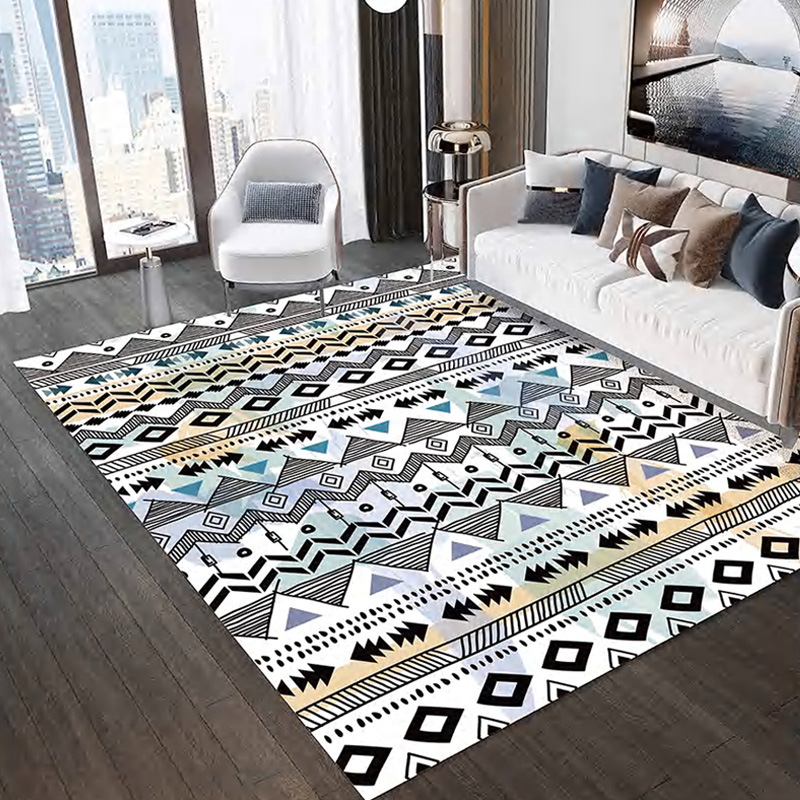
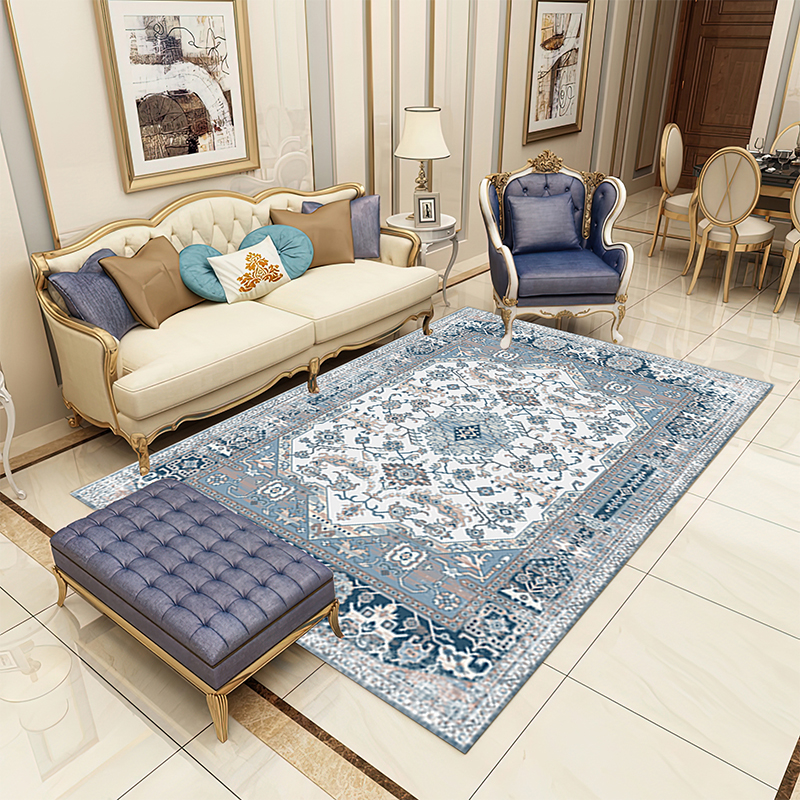
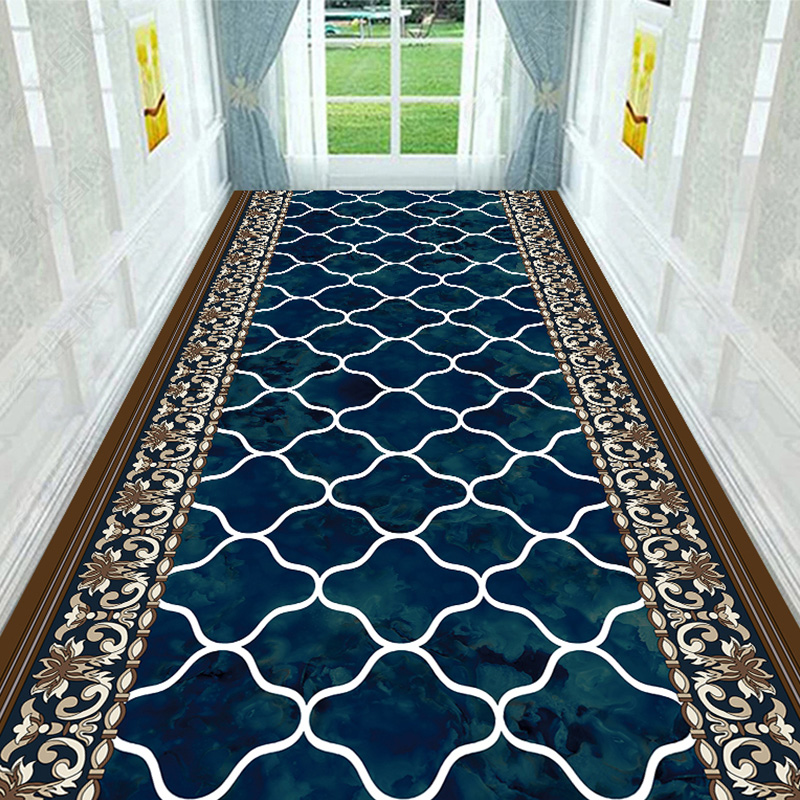
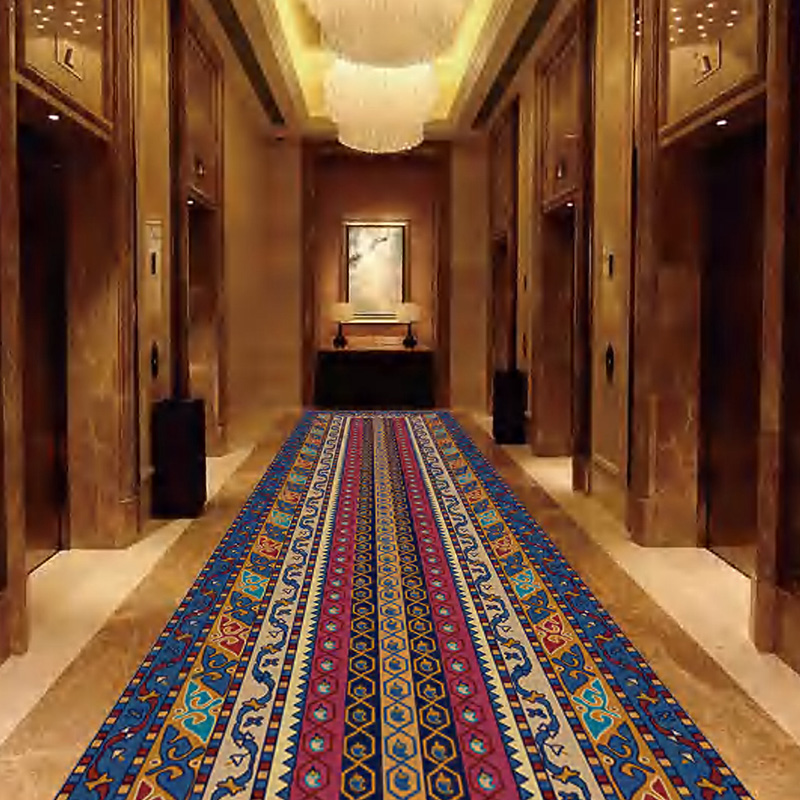
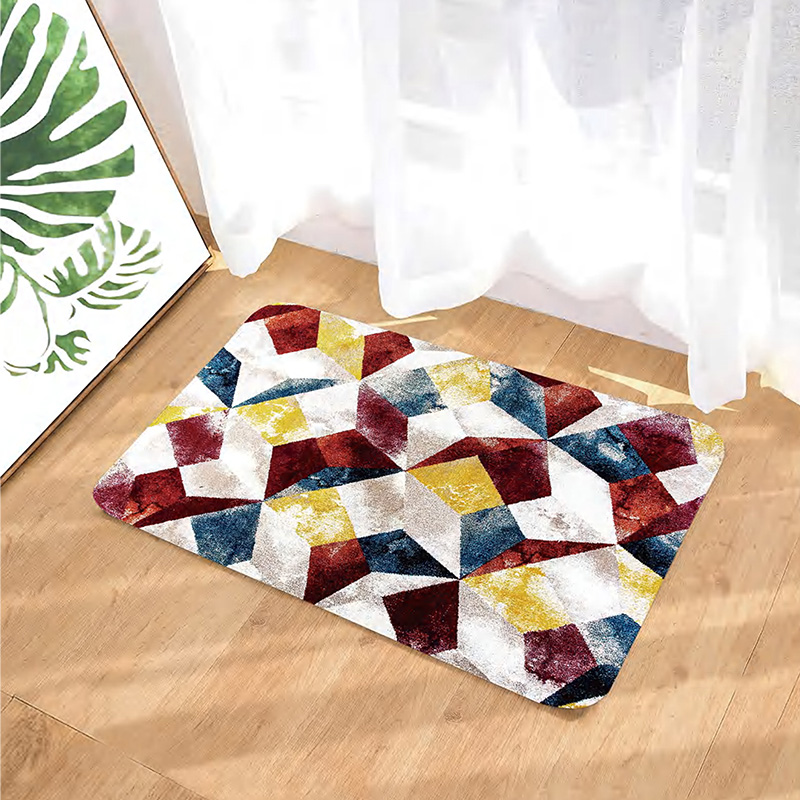
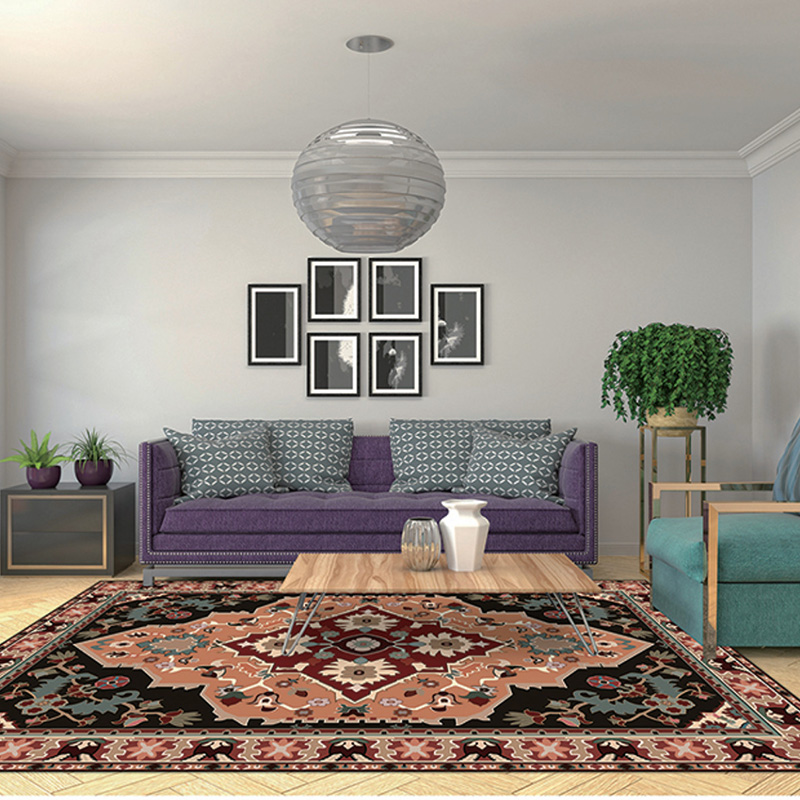
Pattern and color choices have shifted quite a bit in recent buyer conversations. Neutral tones with subtle texture remain a steady favorite, but there's also growing interest in bolder geometric patterns and muted earth tones that lean into a more layered, collected look. Some buyers are requesting vintage-inspired designs with faded color palettes, which pair well with both modern and traditional furniture styles.
Layering rugs has also become a noticeable trend, where a smaller patterned rug sits on top of a larger neutral base. This approach adds depth to a room and allows for more flexibility, since the top layer can be swapped out seasonally without replacing the entire setup. It's a technique that works particularly well in living rooms with plain flooring, giving the space more visual interest without a complete overhaul.
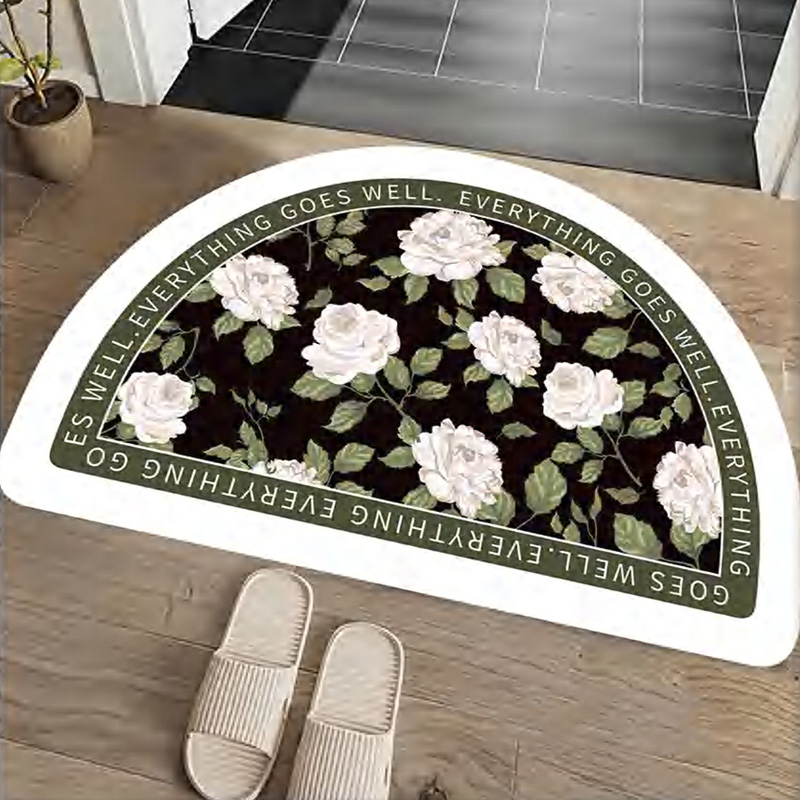
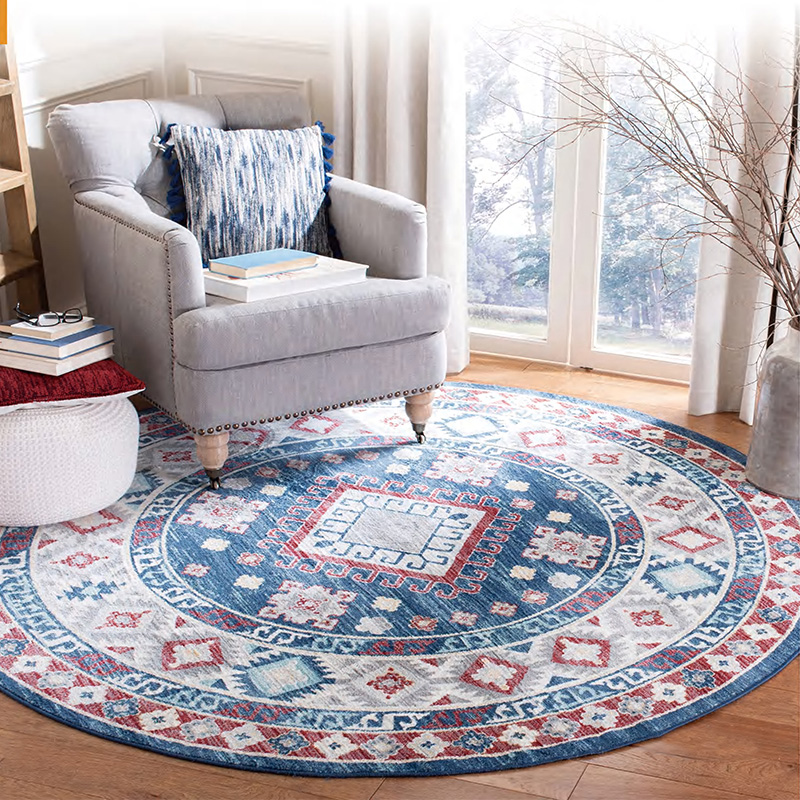
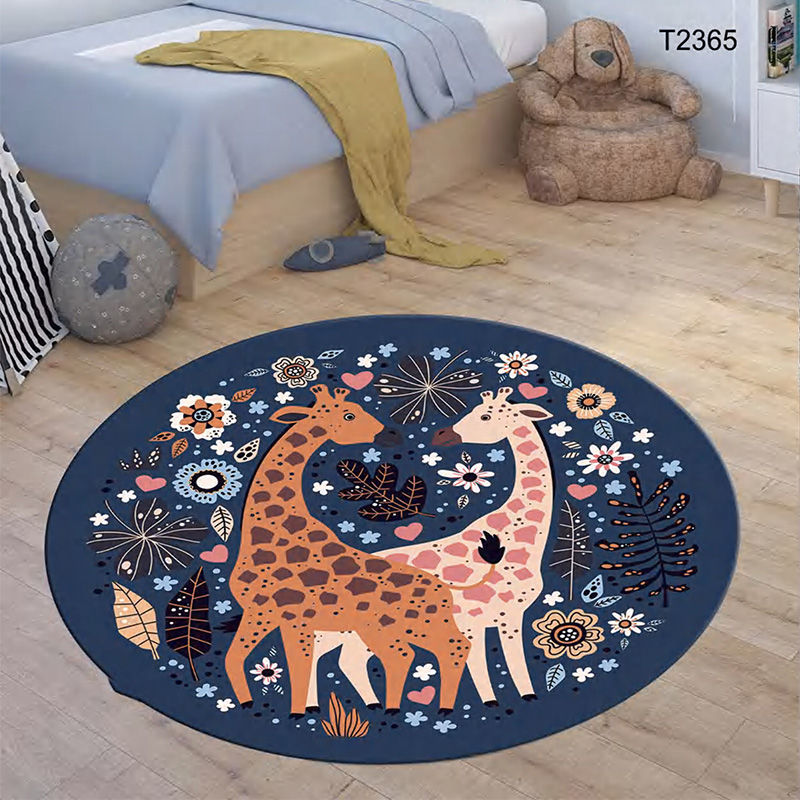
Shape is another consideration that often gets overlooked. While rectangular rugs remain the standard choice for living room layouts, round and oval rugs are gaining traction for spaces with circular seating arrangements or smaller reading nooks. The shape of a rug can subtly shift how a room feels, softening sharp furniture lines or echoing curves already present in the space.
For buyers sourcing living room rugs at scale, texture variety matters just as much as color and pattern. Low-pile rugs work well in high-traffic areas since they're easier to keep looking tidy, while plush, high-pile options are often chosen for cozier, lower-traffic spaces like formal sitting rooms. Balancing these practical differences with current style preferences helps buyers put together collections that appeal to a wide range of tastes.
Living room rugs continue to be a flexible, high-impact piece in home design, adaptable to countless layouts, color schemes, and lifestyle needs. Their ability to transform a room's atmosphere, paired with the sheer variety of materials and styles available, keeps them a consistently popular choice across different types of households.