 0
0
 Language
  英语
英语 阿拉伯语
阿拉伯语 德语
德语
Pattern Language Worth Recognizing
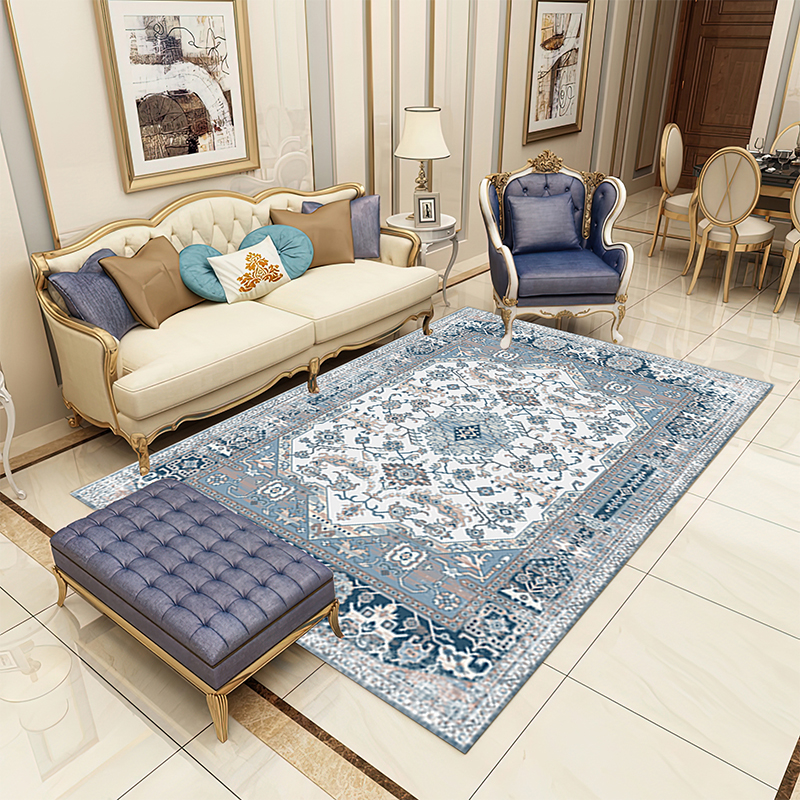
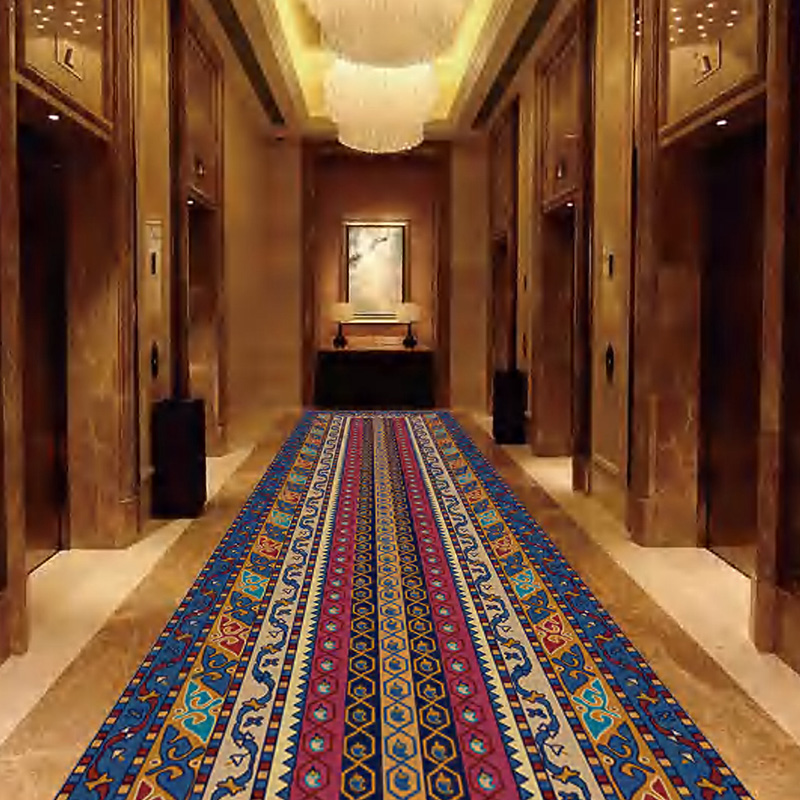
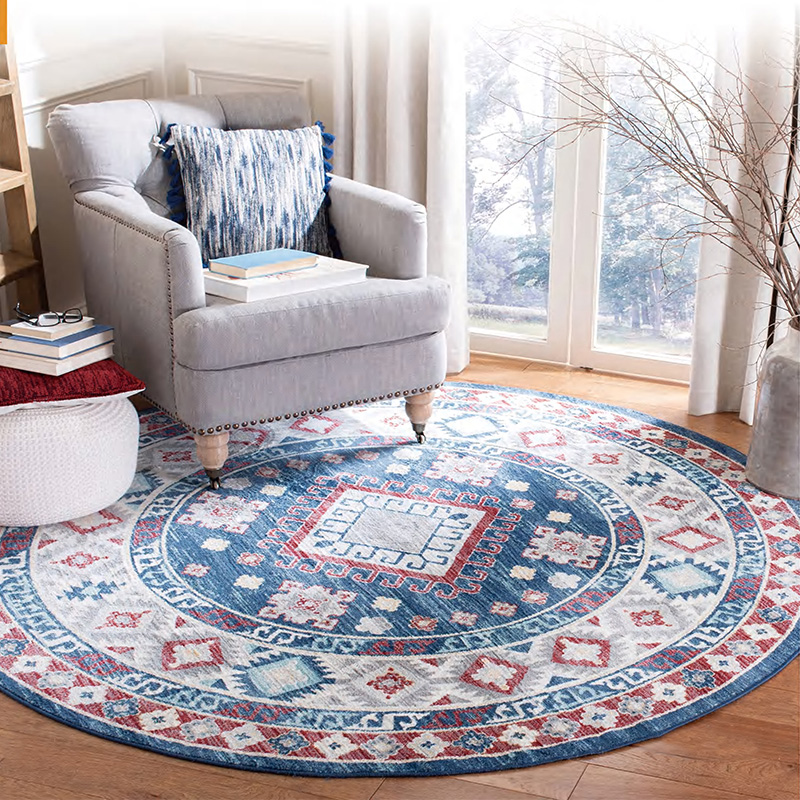
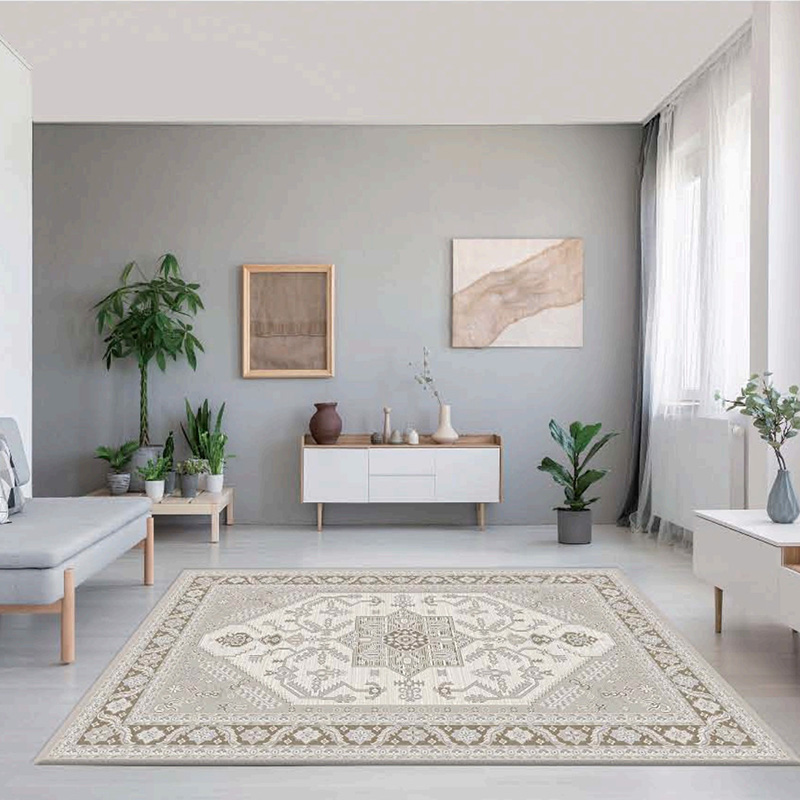
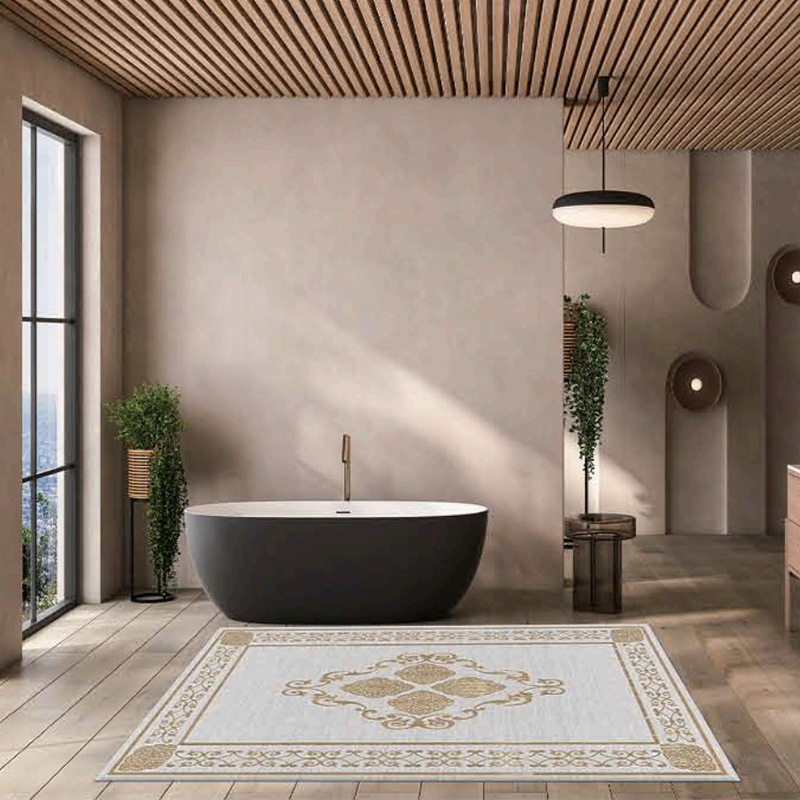
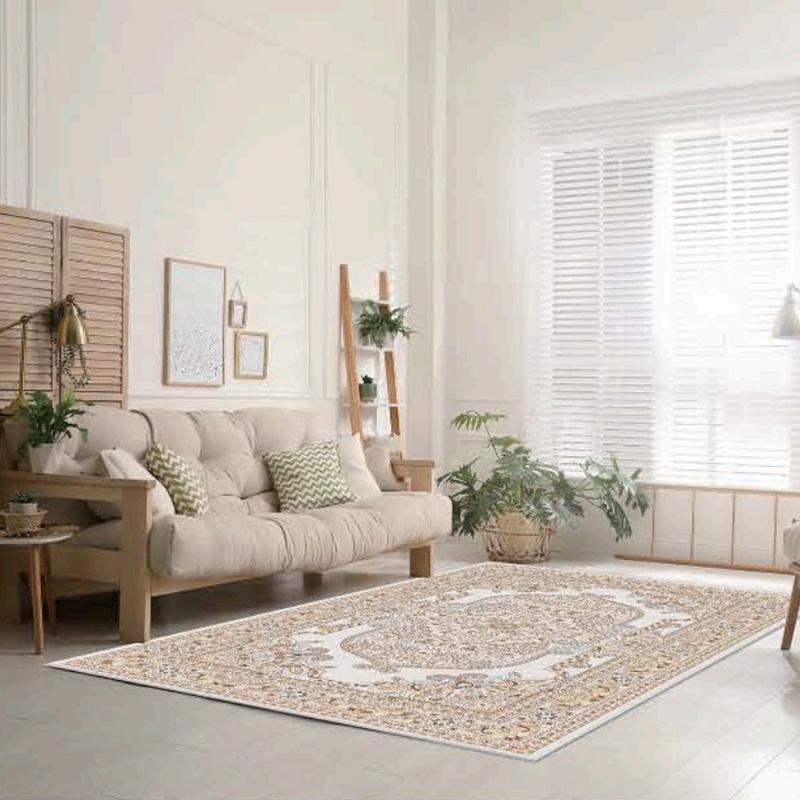
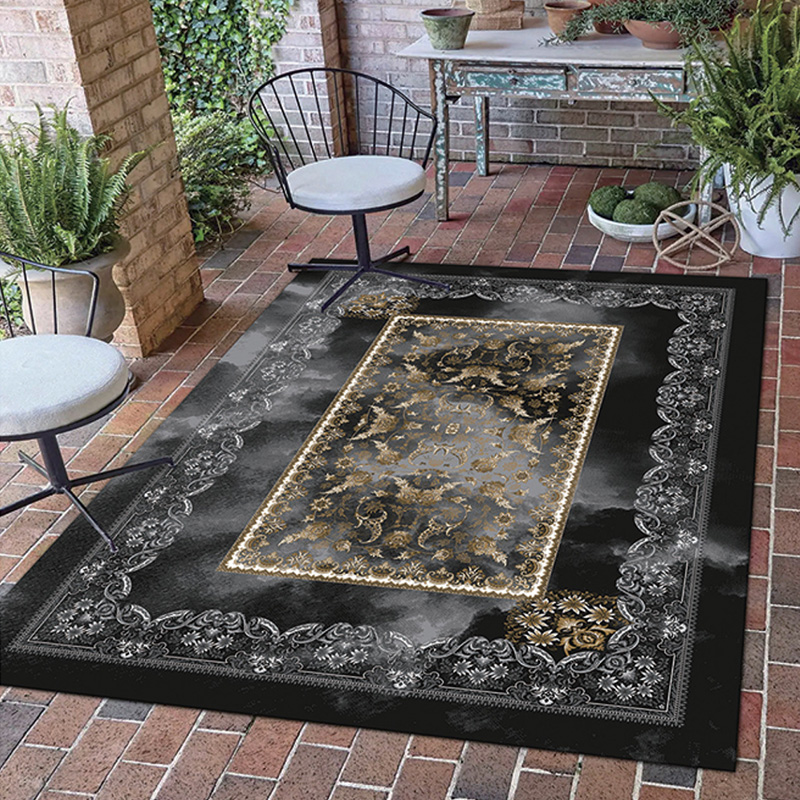
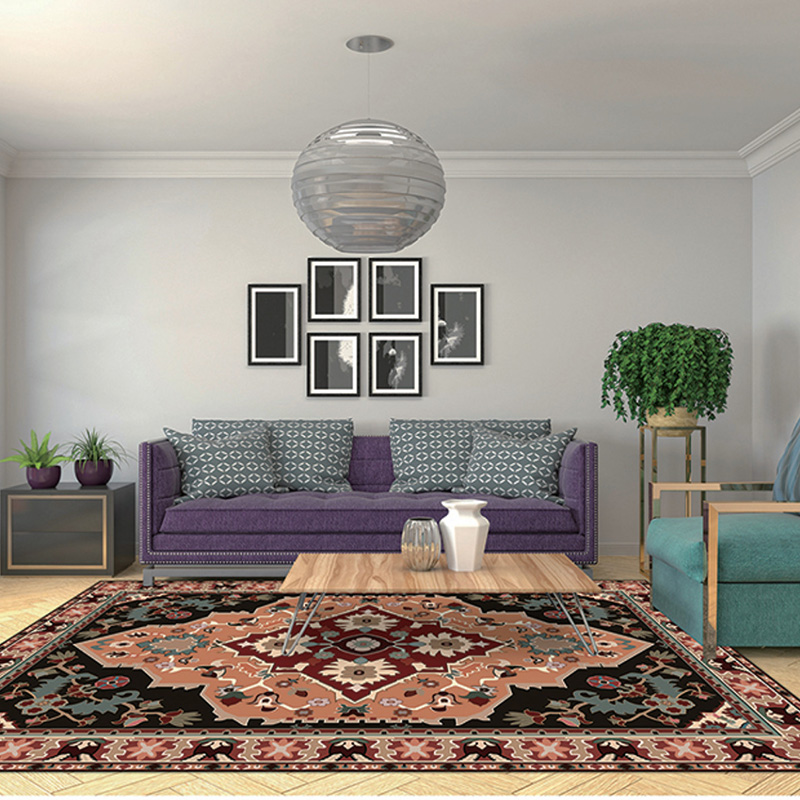
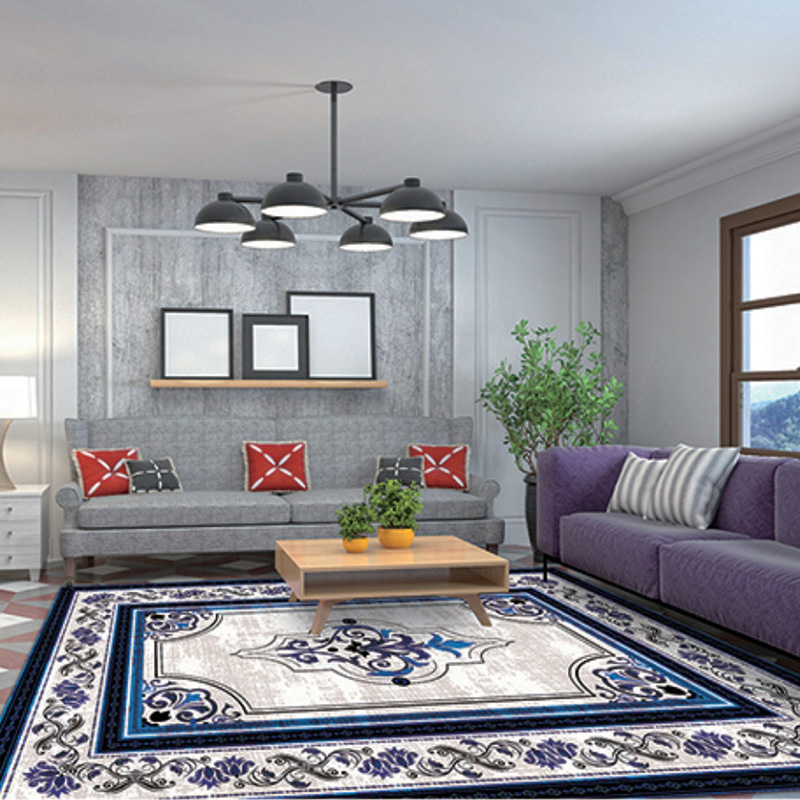
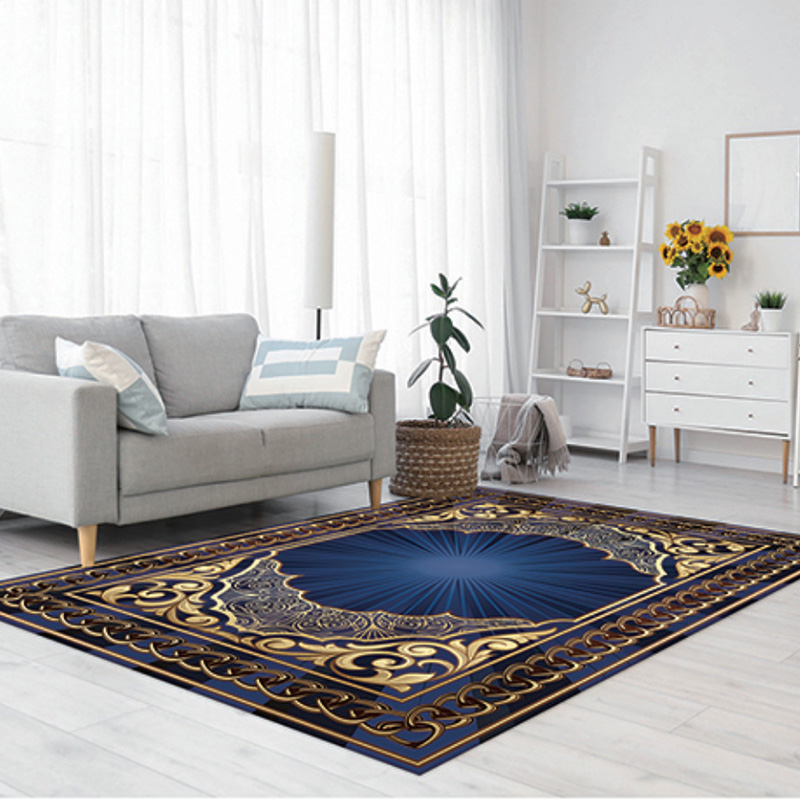
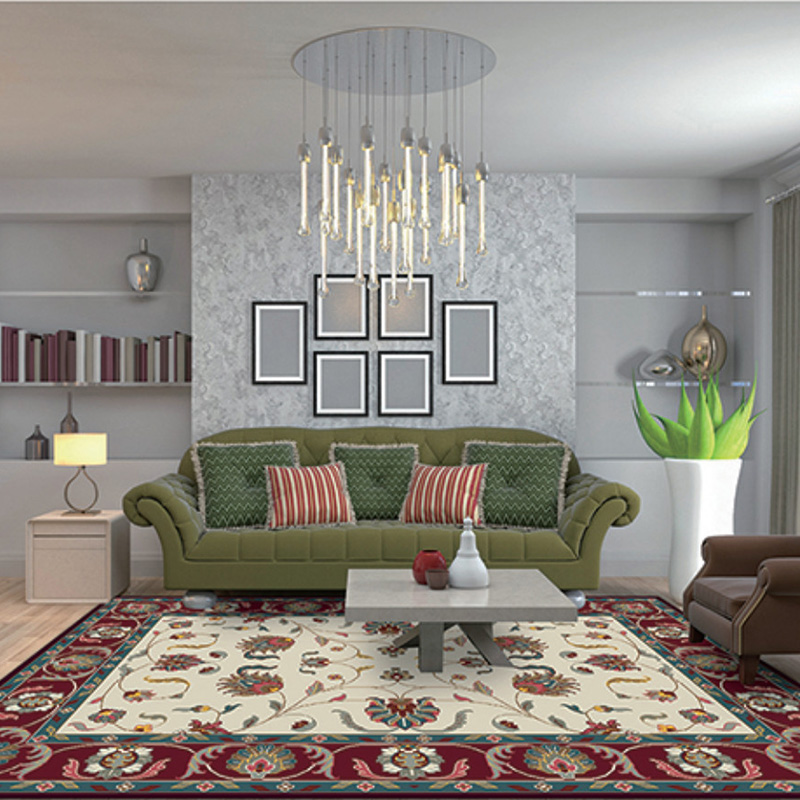
One reason oriental rugs remain a distinct category in retail is the visual vocabulary attached to them. Medallion layouts, repeating botanical motifs, geometric borders, and dense allover patterns each carry associations with different regional traditions, even to buyers who aren't weaving experts themselves.
A rough breakdown that tends to help newer buyers orient themselves:
| Design Element | Common Association |
| Central medallion with open field | Persian-influenced layouts |
| Bold geometric borders and motifs | Caucasian and tribal-influenced styles |
| Dense floral or vine patterns | Ottoman and Central Asian influence |
This table is a simplification, not a strict rulebook — plenty of pieces blend elements across these categories, which is part of what makes the market interesting rather than formulaic.
Handwoven Versus Machine-Made
Buyers stocking this category eventually run into the handwoven versus machine-made question, since both are marketed under the same broad "oriental rug" label. Handwoven pieces are produced on traditional looms, often knot by knot, which naturally introduces small variations from one rug to the next. Machine-made versions replicate similar patterns through power looms, producing more uniform output at a different scale of production.
Neither approach is objectively right for every retail context. A buyer targeting a decor-focused, design-conscious customer might lean toward handwoven inventory for its individuality, while a buyer serving a broader, budget-conscious market might find machine-made options fit that customer's expectations more naturally.
Color and Material Considerations
Wool remains a common material choice across many oriental rug styles, valued for how it takes dye and holds pattern definition over time. Silk appears in select pieces, often for finer detail work or accent pieces rather than full-size floor coverings, given the material's different handling characteristics. Cotton frequently shows up as a foundation material even when the visible pile is wool or silk.
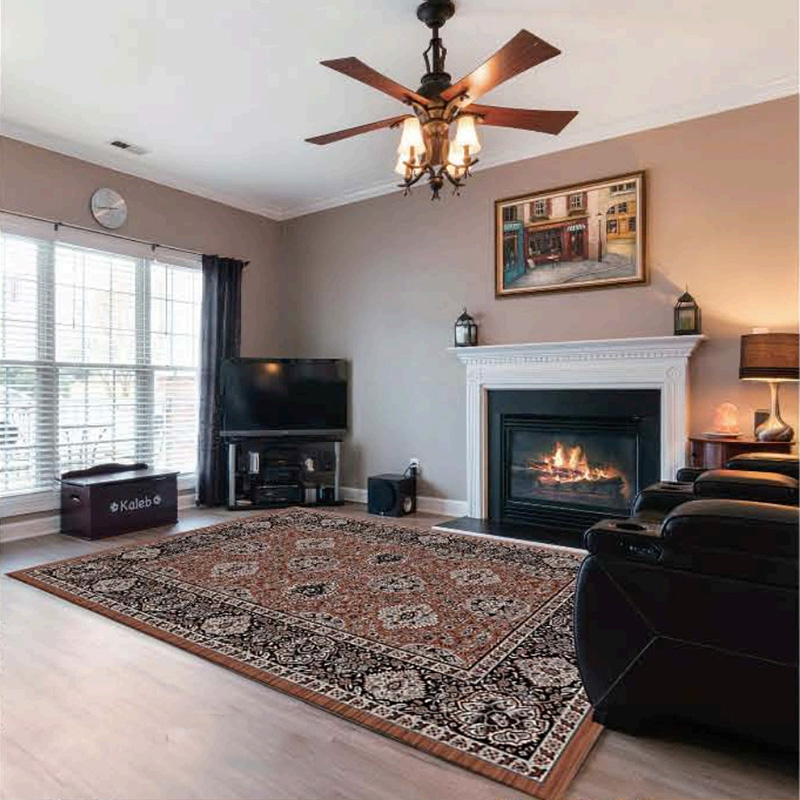
Color palettes vary by regional tradition as well — deep reds and blues dominate some styles, while others lean toward warmer earth tones or more muted, faded-looking palettes achieved through specific dyeing techniques. For a retail buyer, having a rough sense of which palettes align with which design traditions helps when building a collection that feels coherent rather than randomly assembled.
Sourcing Considerations for Buyers
For distributors and retailers building out an oriental rug line, a few questions tend to come up early in the sourcing process: whether the buyer wants regionally specific pieces or broader style-inspired inventory, what size range makes sense for the target customer, and how much variation in pattern density and color intensity the collection should include.
Private label and OEM-style sourcing arrangements are common in this category too, particularly for buyers who want consistent branding across a rug line without needing to source directly from artisan cooperatives themselves. In these cases, working from a clear design brief — pattern style, size range, color direction — tends to produce more predictable results than leaving those choices open-ended.
Final Thought
Oriental rugs occupy an interesting spot in the home goods market: instantly recognizable as a category, yet genuinely diverse once you look past the umbrella term. For buyers building a collection, that diversity is an asset rather than a complication, offering plenty of room to match inventory to a specific customer base without the category ever feeling one-note.