 0
0
 Language
  英语
英语 阿拉伯语
阿拉伯语 德语
德语
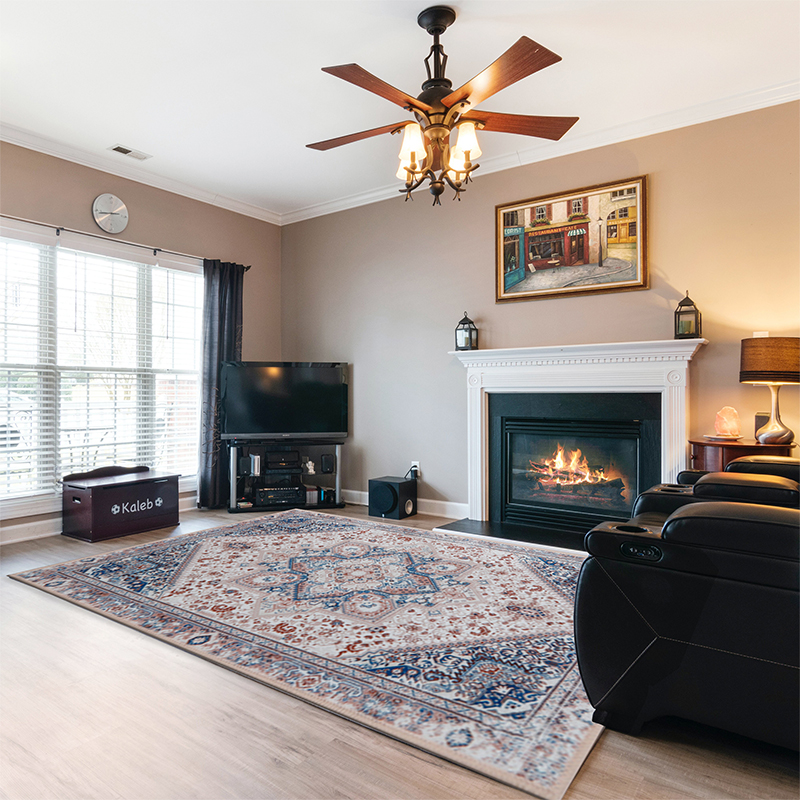
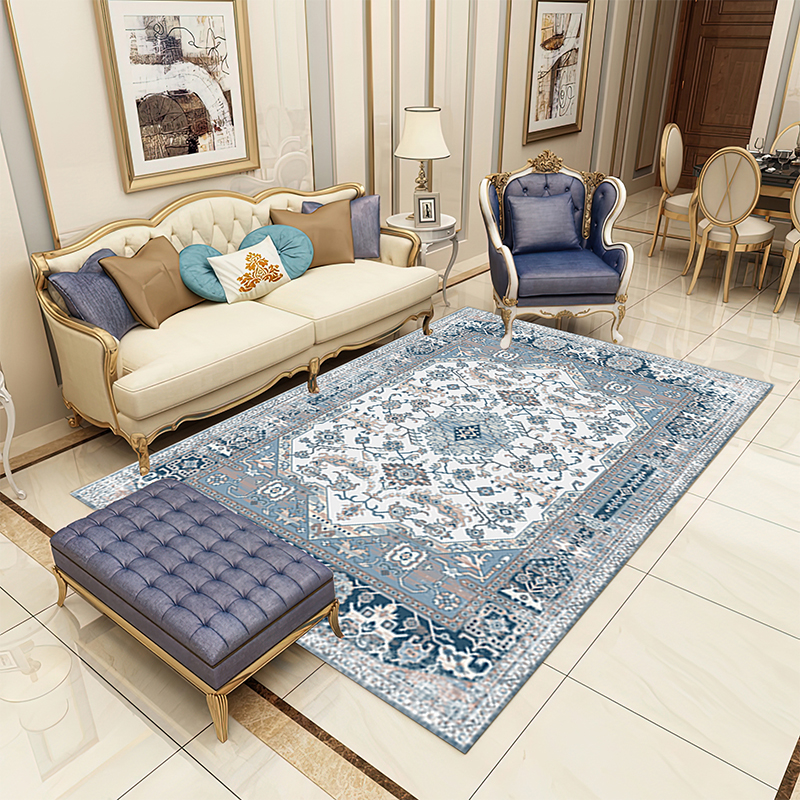
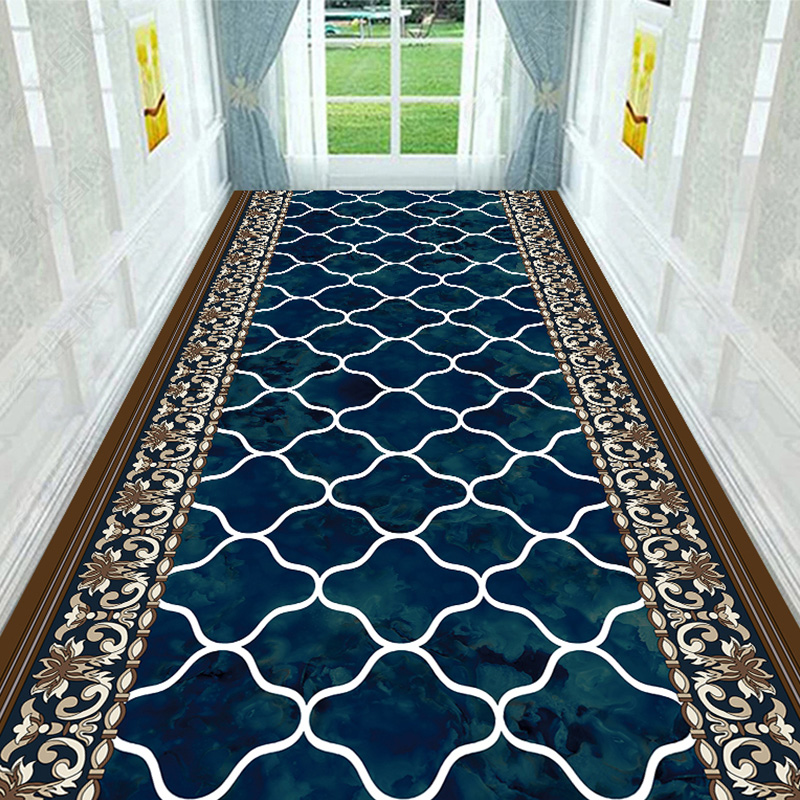
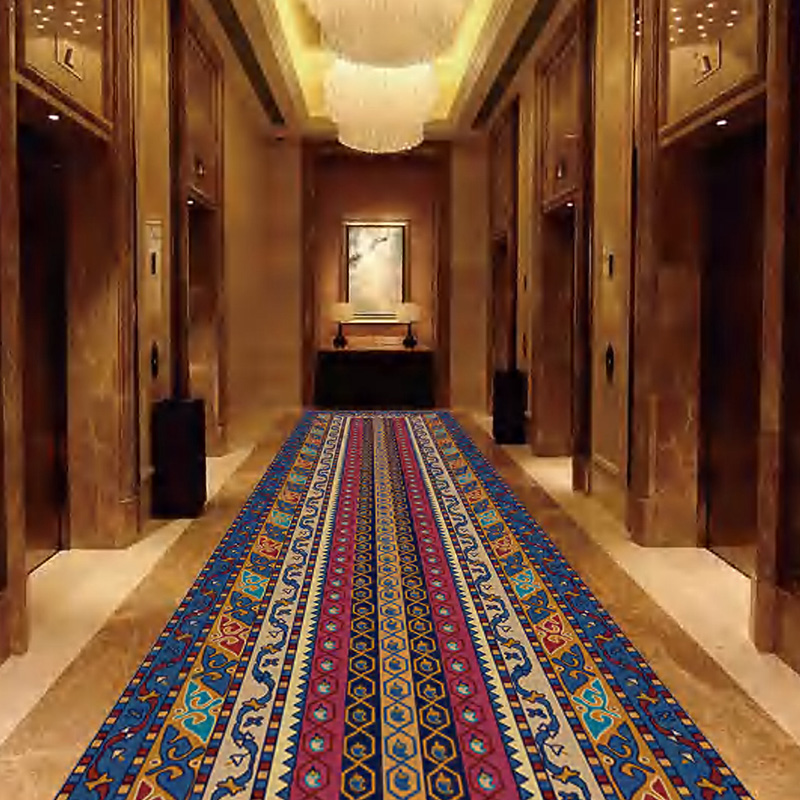
Carpet runners are an essential decorative and functional addition to many homes, businesses, and public spaces. These long, narrow rugs are designed to be placed along hallways, stairs, and entryways, offering both aesthetic appeal and practical benefits. They not only enhance the look of a space but also provide protection to flooring, help reduce noise, and improve safety by preventing slips and falls. The growing popularity of carpet runners is a reflection of their versatility and the increasing demand for stylish, durable, and functional floor coverings.
The production of carpet runners involves a range of materials and techniques designed to suit various needs. Commonly used materials include wool, nylon, polyester, and polypropylene. Wool, known for its durability and luxurious feel, is often used in high-end carpet runners, while synthetic fibers like nylon and polyester are popular choices due to their affordability, stain resistance, and ease of maintenance. Polypropylene is frequently used for outdoor carpet runners because of its resistance to moisture and mildew. Manufacturers also use blended fibers to combine the advantages of different materials, offering a product that balances cost, durability, and comfort.
The manufacturing process of carpet runners typically begins with the production of yarn, which is then dyed and woven or tufted into the desired design. The yarn is carefully selected for its color, texture, and durability, ensuring that the final product meets both aesthetic and functional requirements. Once the weaving or tufting is complete, the carpet runner is finished with various treatments to enhance its durability, stain resistance, and softness. The edges are often bound or surged to prevent fraying and to ensure longevity.
In addition to traditional methods of weaving and tufting, modern technology has introduced innovative techniques in the production of carpet runners. For example, some manufacturers now use computer-aided design (CAD) software to create intricate patterns and designs. This technology allows for greater precision and customization, enabling consumers to choose carpet runners that match their specific preferences and interior decoration. Advancements in sustainable manufacturing practices have led to the development of eco-friendly carpet runners made from recycled materials or organic fibers, responding to the growing demand for environmentally conscious products.
Carpet runners are widely used in both residential and commercial settings. In homes, they are often placed in high-traffic areas like hallways and staircases, where they provide both protection and style. The soft texture of a carpet runner can also enhance the comfort of a space, making it feel warmer and more inviting. In commercial environments, carpet runners are commonly found in offices, hotels, hospitals, and retail stores. These areas require floor coverings that are both durable and easy to clean, and carpet runners fit these needs perfectly. They can help protect flooring from heavy foot traffic, reducing wear and tear over time, while also offering noise reduction and a more professional appearance.
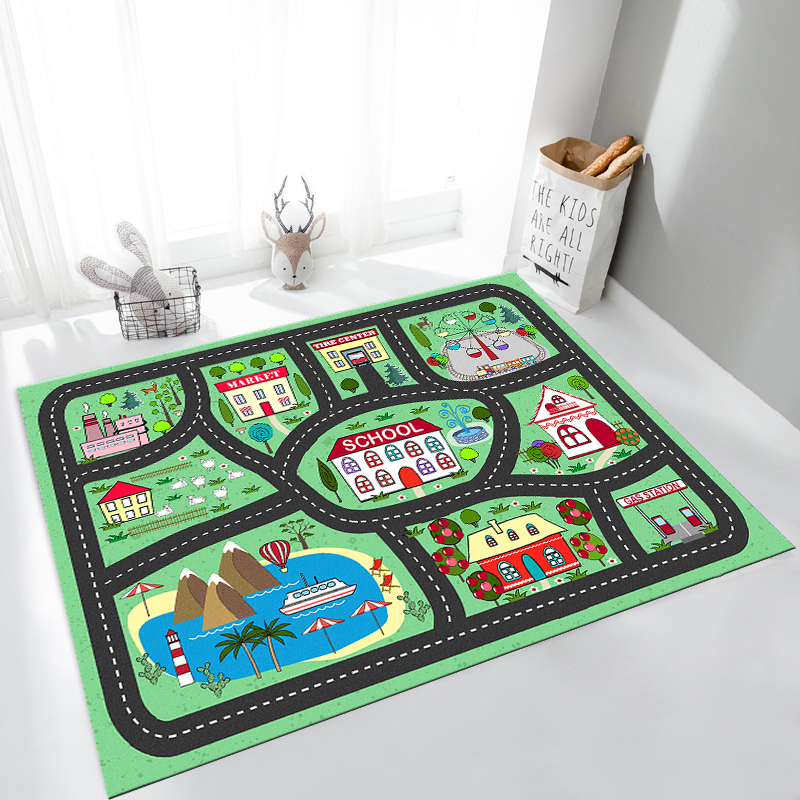
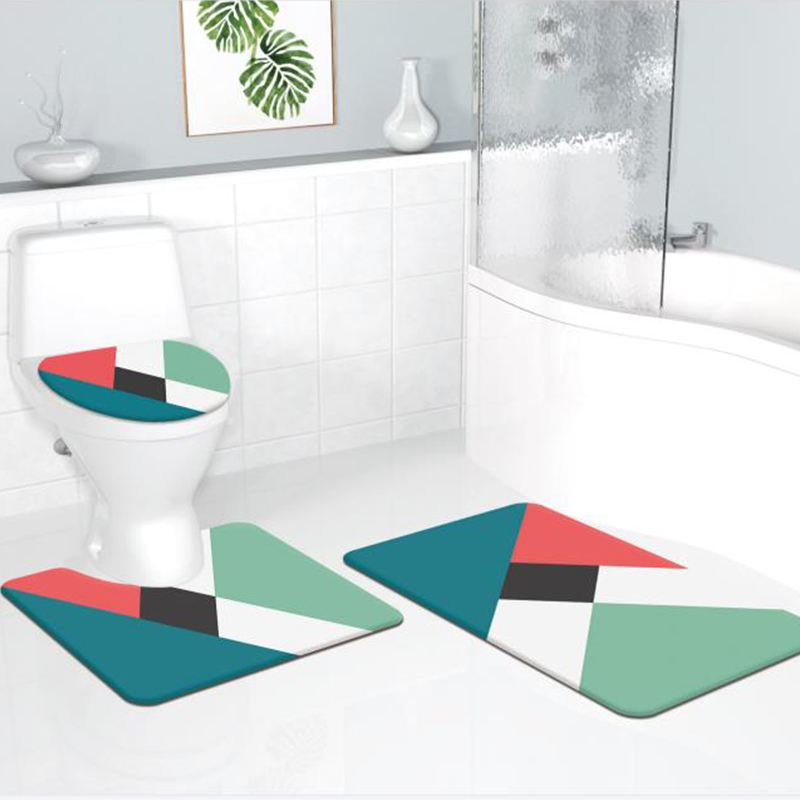
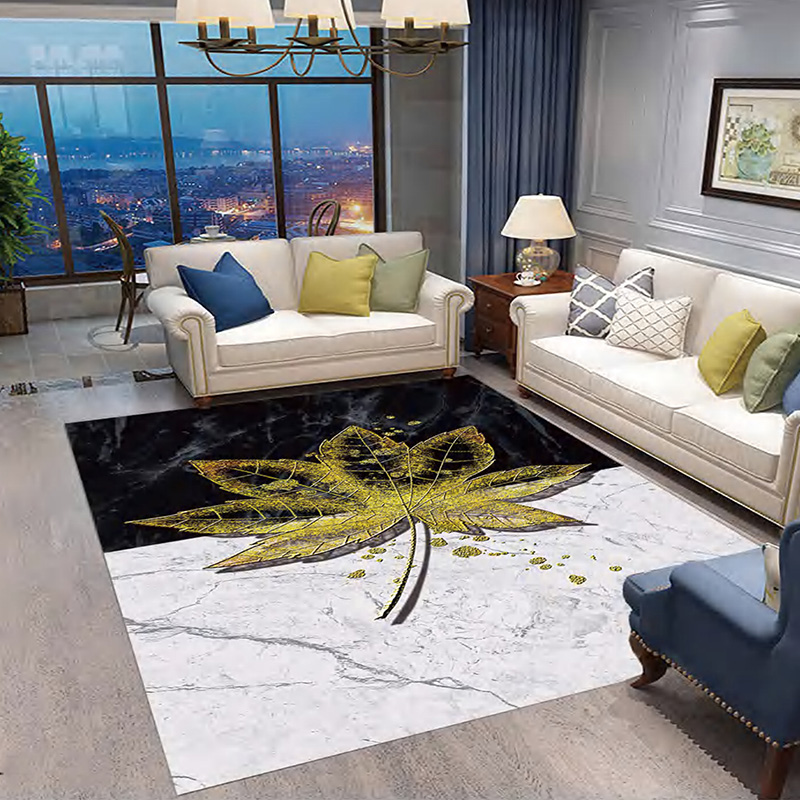
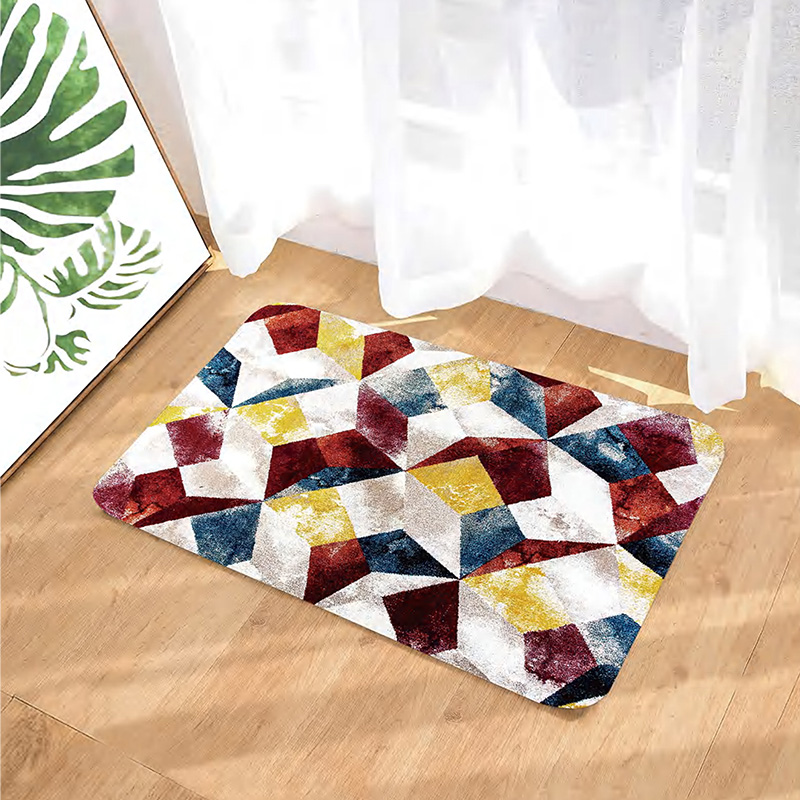
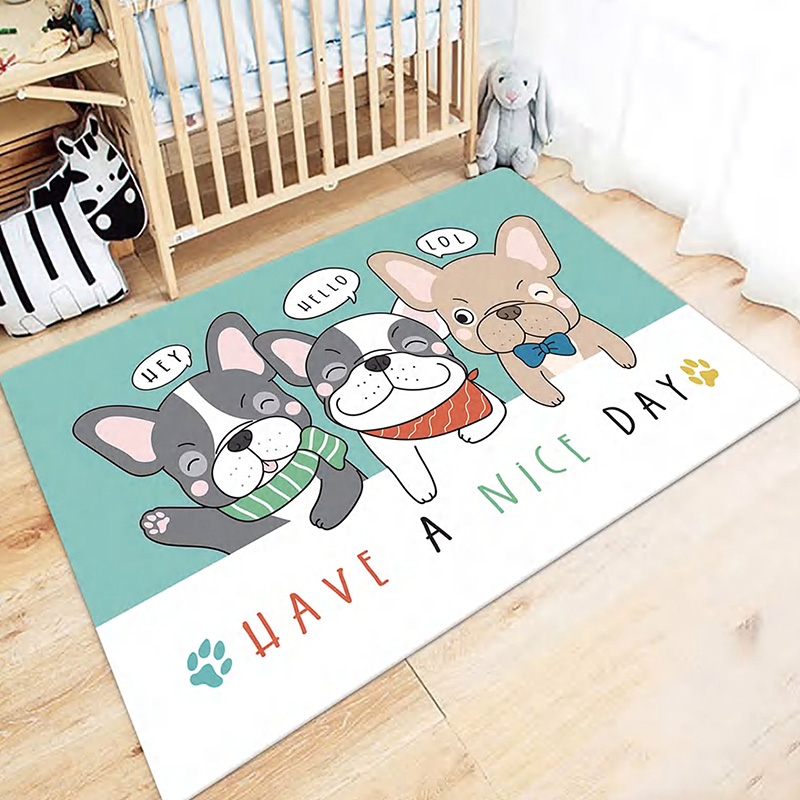
Another trend contributing to the growth of the carpet runner market is the increasing demand for custom-made products. Consumers are now looking for carpet runners that can be tailored to fit their unique spaces, with specific lengths, widths, colors, and designs. This demand for personalized products has led to a rise in online retailers offering a wide variety of customizable options, further driving the market. As a result, manufacturers are continually innovating and improving their production processes to meet these demands for personalization, faster delivery times, and more diverse design choices.