 0
0
 Language
  英语
英语 阿拉伯语
阿拉伯语 德语
德语
The carpet industry plays a significant role in the home improvement and interior design sectors, and carpet companies have long been at the forefront of offering high-quality floor coverings. Consumers' growing focus on aesthetics and functionality has significantly increased demand for innovative, sustainable, and high-performance carpets. This shift in market trends compels companies to adapt and innovate to stay competitive.
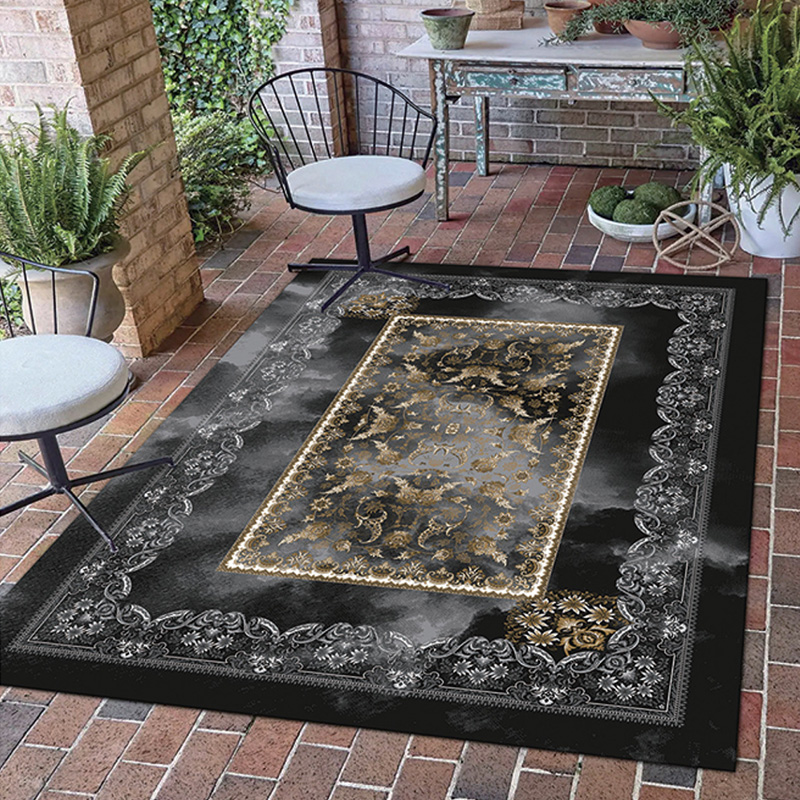
Carpet companies produce an extensive range of carpets made from various materials such as wool, nylon, polyester, and polypropylene. Wool is a premium material known for its durability, softness, and natural resistance to stains, making it a popular choice for luxury carpets. Synthetic fibers, such as nylon and polyester, are favored for their affordability, stain resistance, and ease of maintenance. Polypropylene is commonly used in outdoor carpets due to its resistance to moisture and mildew.
The manufacturing process of carpets involves several stages, from fiber production to weaving, tufting, and finishing. The choice of manufacturing techniques largely depends on the type of carpet being produced and the materials used. Weaving is a traditional method used to create high-end, intricate designs, while tufting is a faster, more cost-effective process for mass production. Once the carpet is produced, it undergoes a series of finishing treatments, such as stain resistance and durability enhancements, to ensure the final product meets the expectations of consumers.
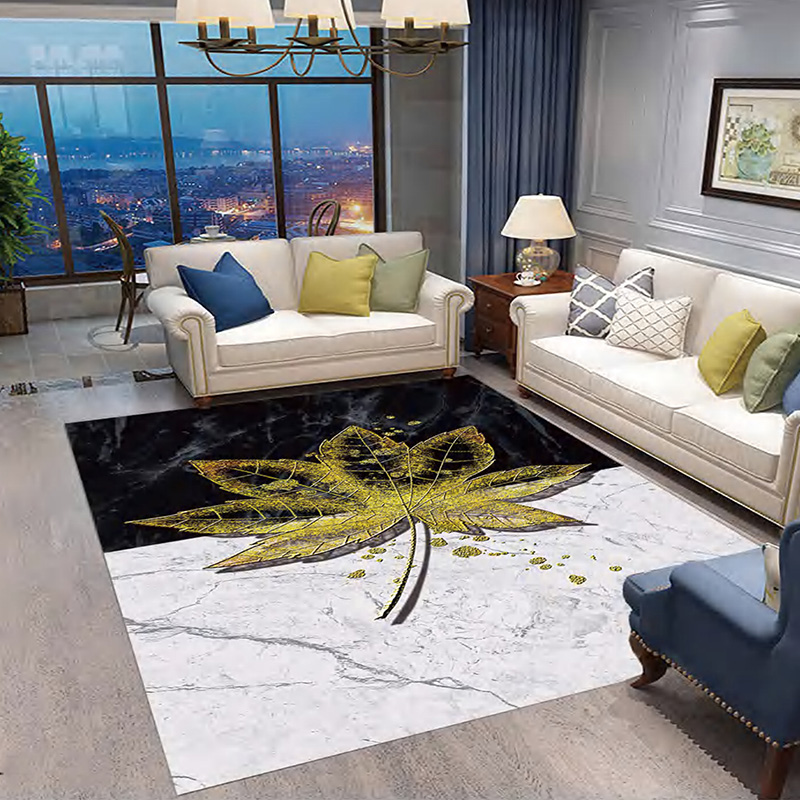
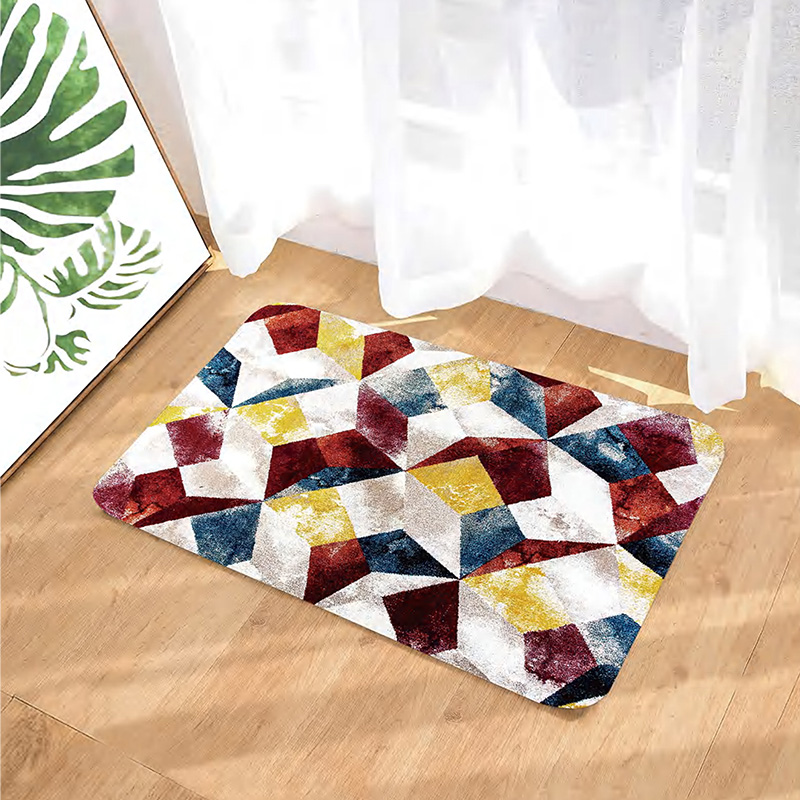
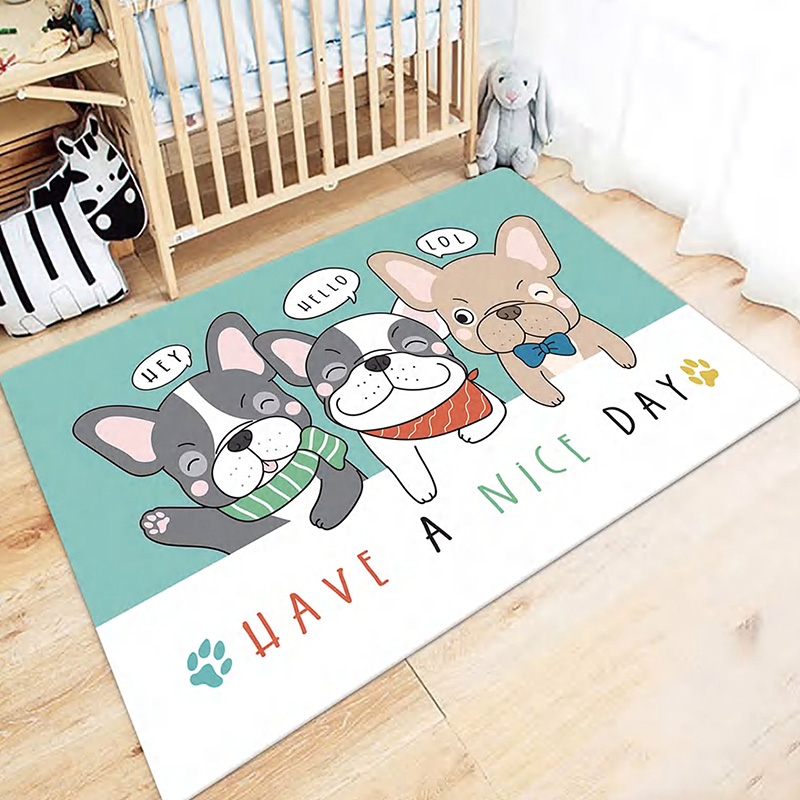
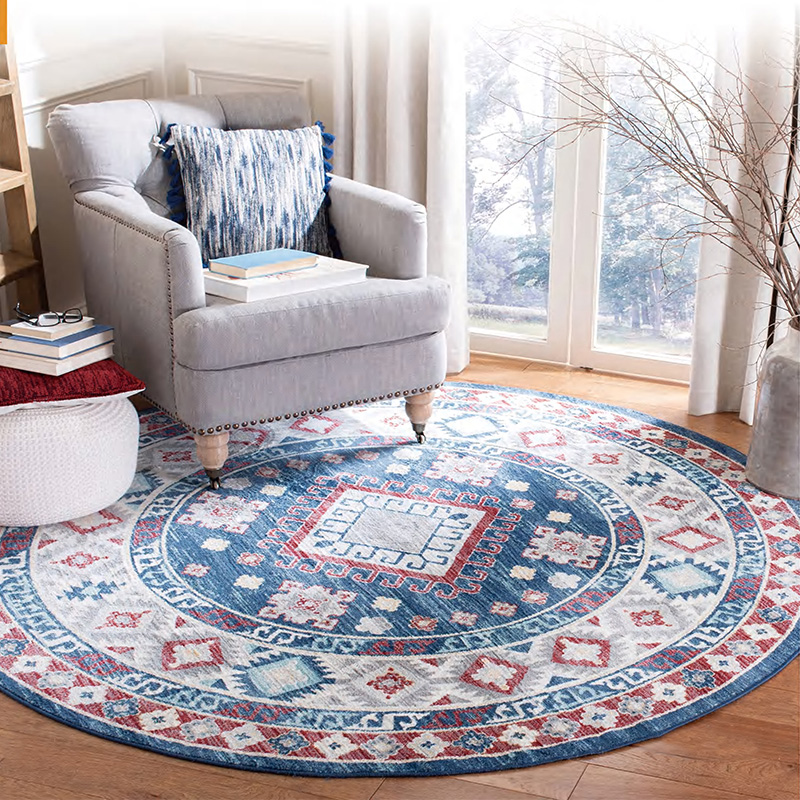
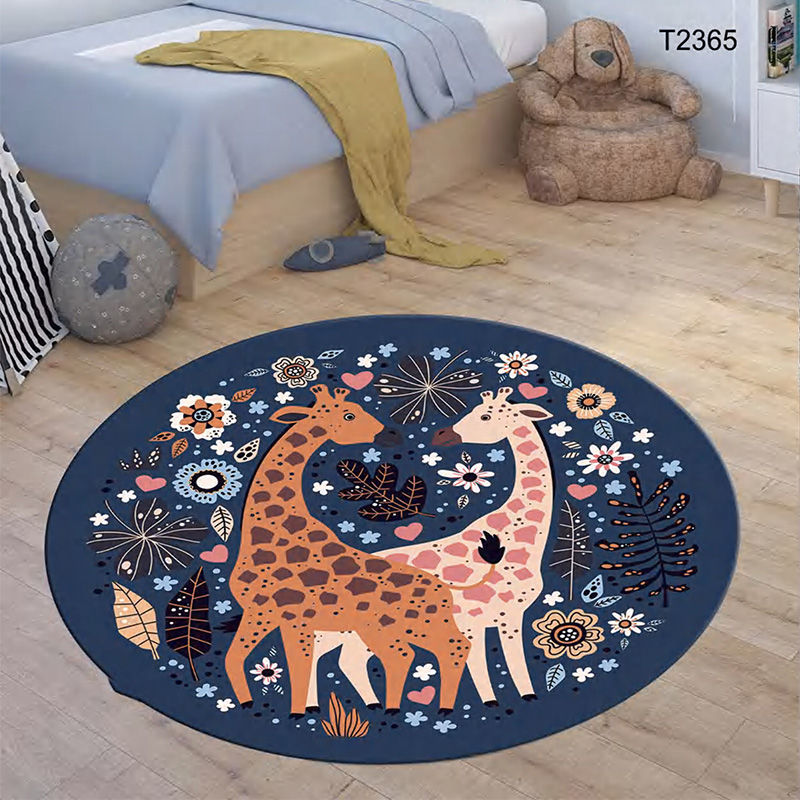
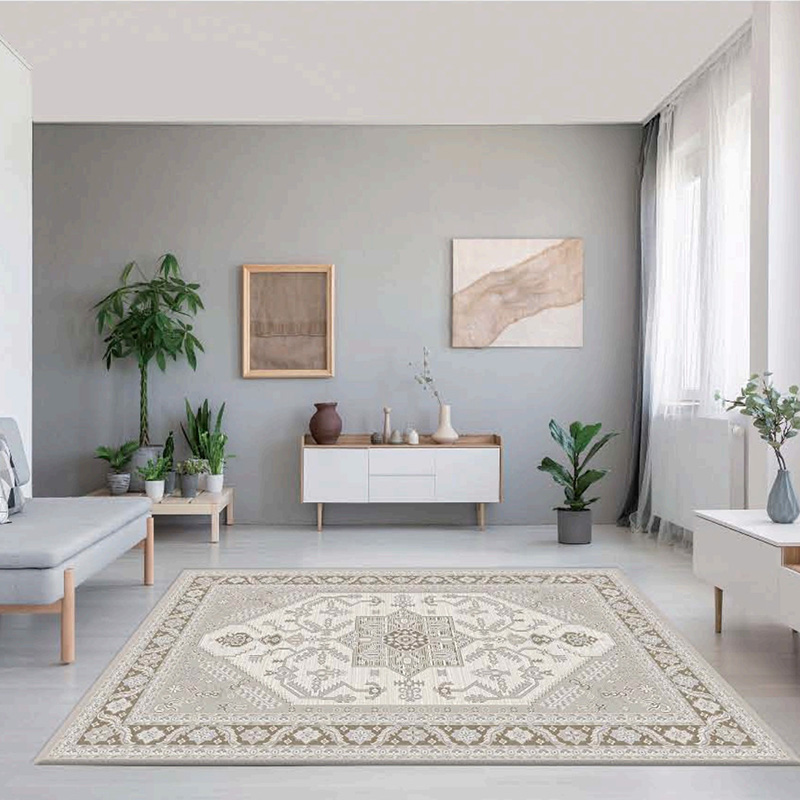
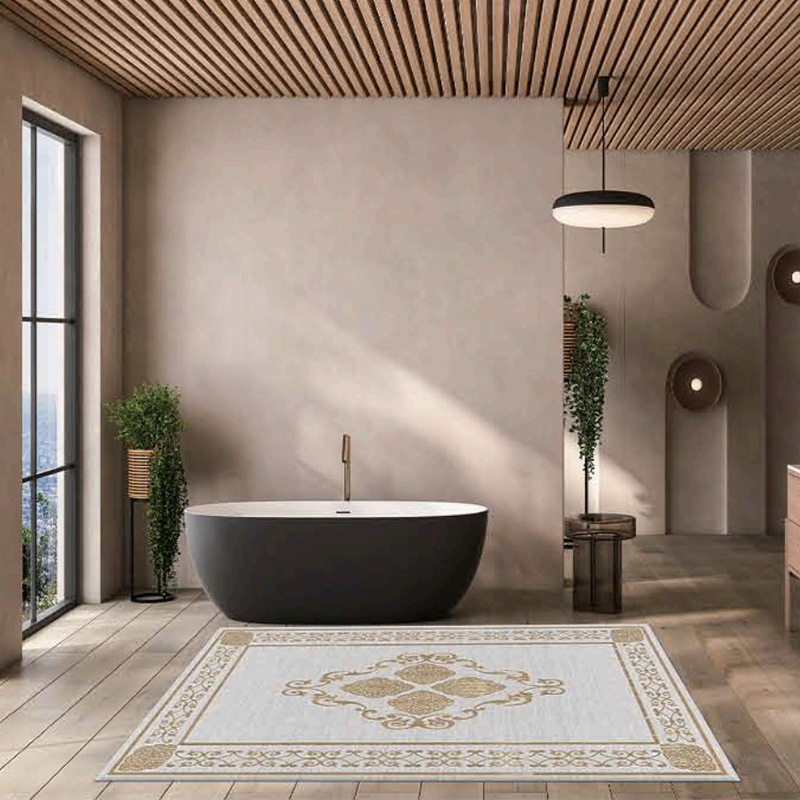
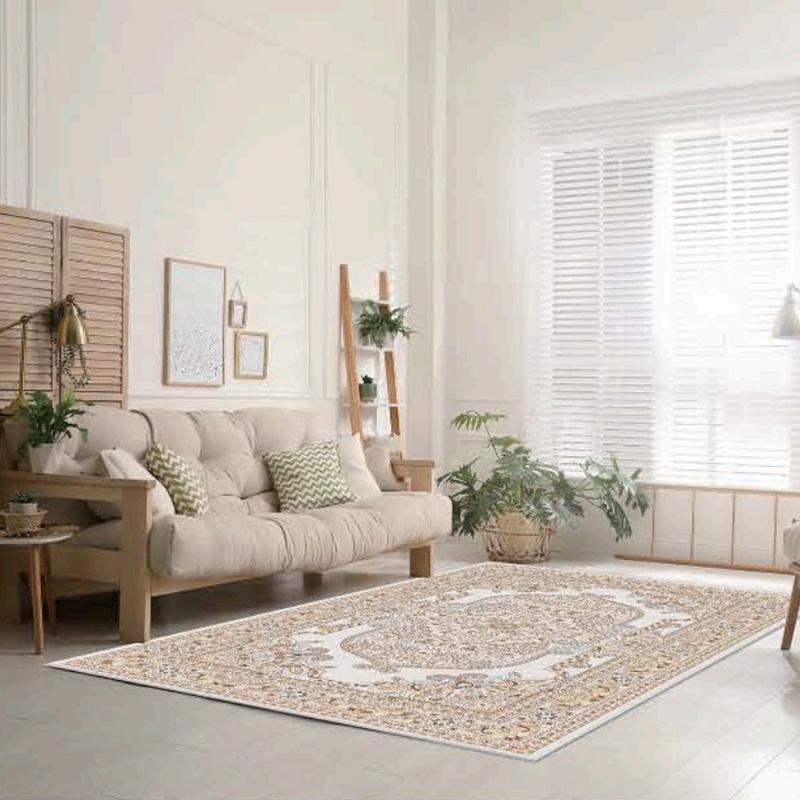
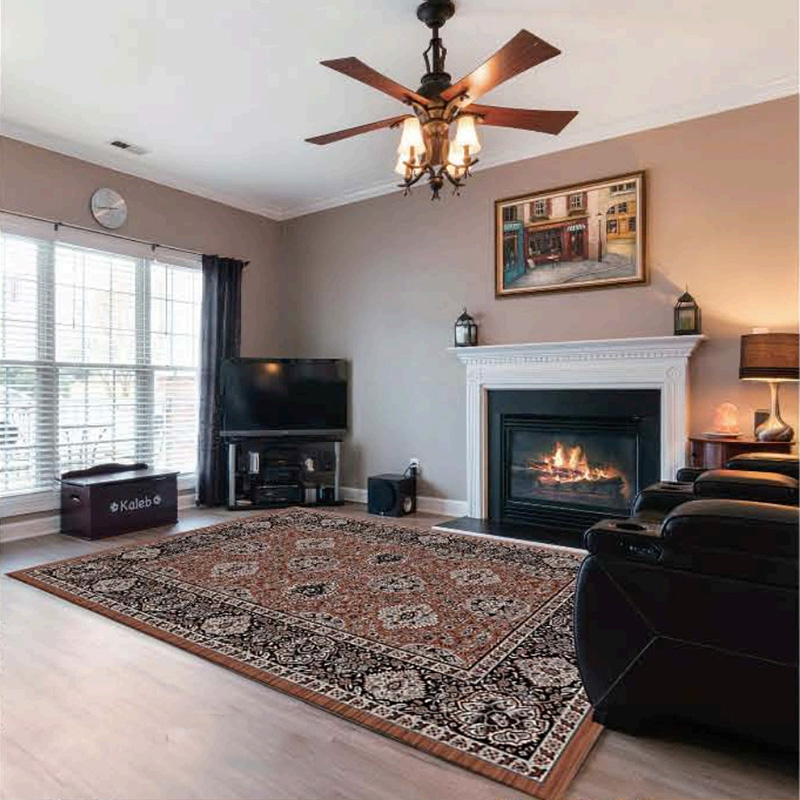
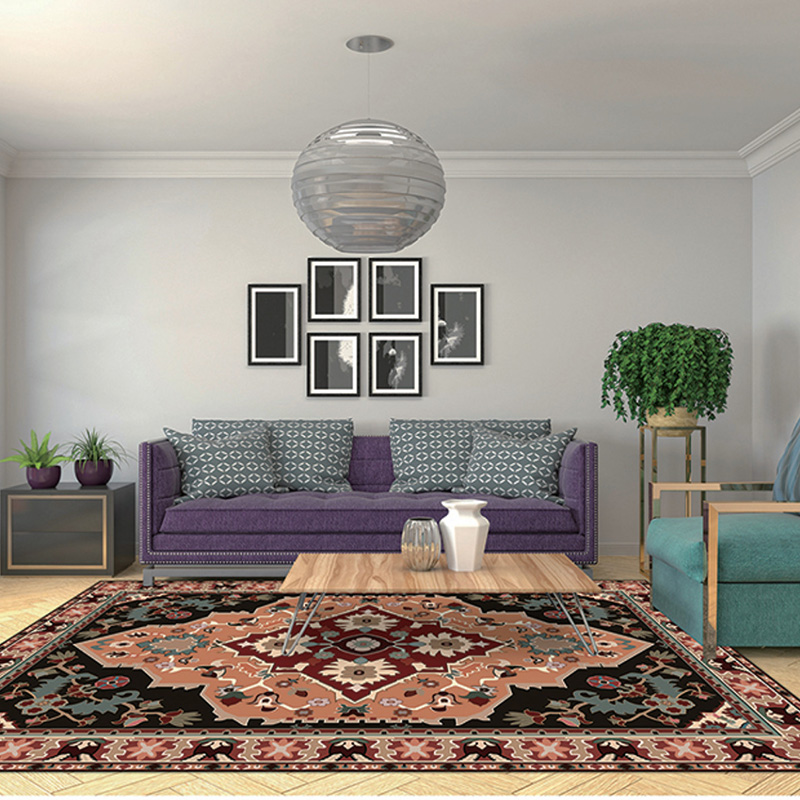
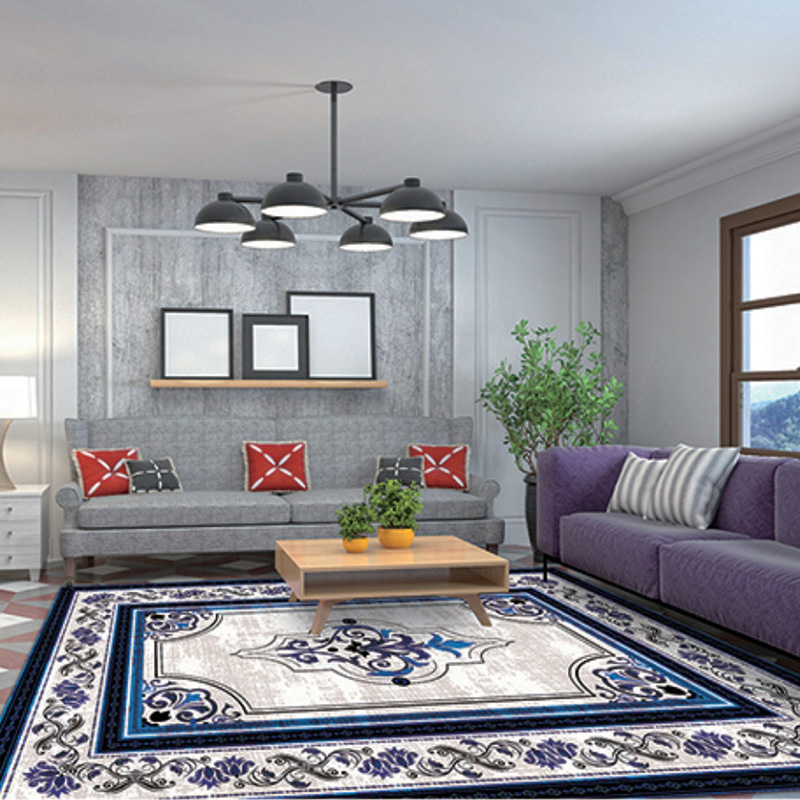
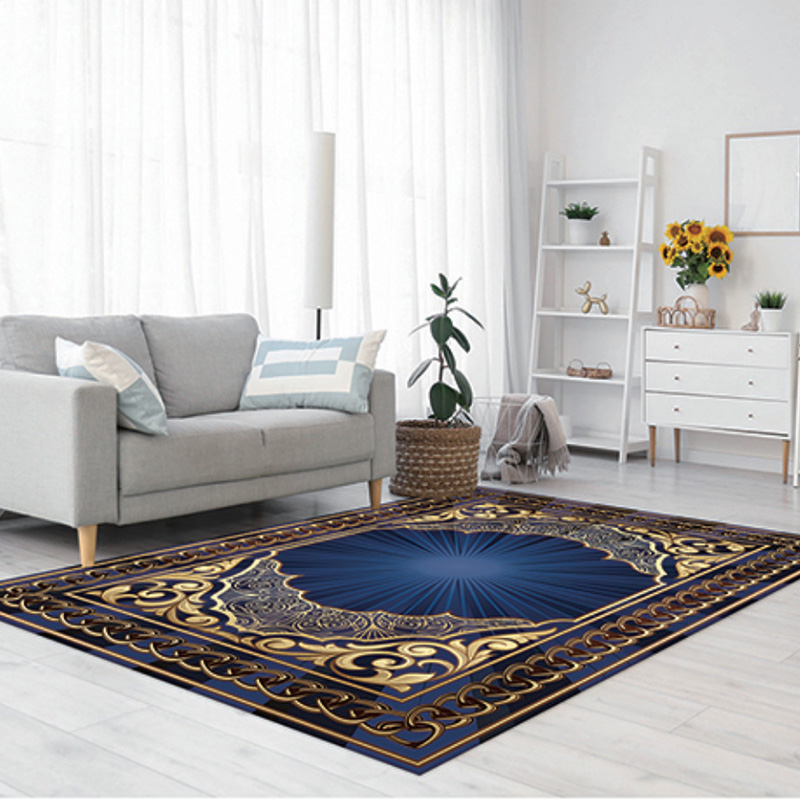
One of the key factors influencing the success of a carpet company is its ability to stay ahead of design trends. Over the years, carpet companies have developed a keen understanding of what appeals to modern consumers. In recent years, there has been an increasing demand for bold patterns, vibrant colors, and textured finishes. Many consumers are seeking carpets that blend seamlessly with their home's décor, which has led to a surge in demand for customizable designs. Some carpet companies now offer services where customers can select specific patterns, colors, and sizes, allowing for greater flexibility and personalization.
Sustainability is another important focus for many carpet companies. Carpet companies are responding to this demand by introducing greener manufacturing processes and using eco-friendly materials. Recycled fibers, such as PET (polyethylene terephthalate), derived from plastic bottles, have become increasingly popular in carpet production. These innovations not only reduce the environmental impact of carpet manufacturing but also help to meet the growing demand for sustainable products in the market.
The global market for carpets continues to expand, driven by factors such as rising disposable incomes, increased spending on home décor, and the growing popularity of DIY home improvement projects. Carpet companies are seeing growth in both developed and emerging markets, where consumers are investing in upgrading their homes and businesses. In regions such as North America and Europe, the demand for high-quality, stylish carpets is strong, while in Asia-Pacific, the rapid urbanization and expansion of the middle class are contributing to an increased demand for carpeting solutions in residential and commercial properties.
One of the challenges carpet companies face is the increasing competition in the market. In order to stay competitive, carpet companies are focusing on innovation, improving the quality of their products, and offering exceptional customer service. Some companies are also expanding their online presence, providing consumers with easy access to product catalogs, customization options, and direct ordering.
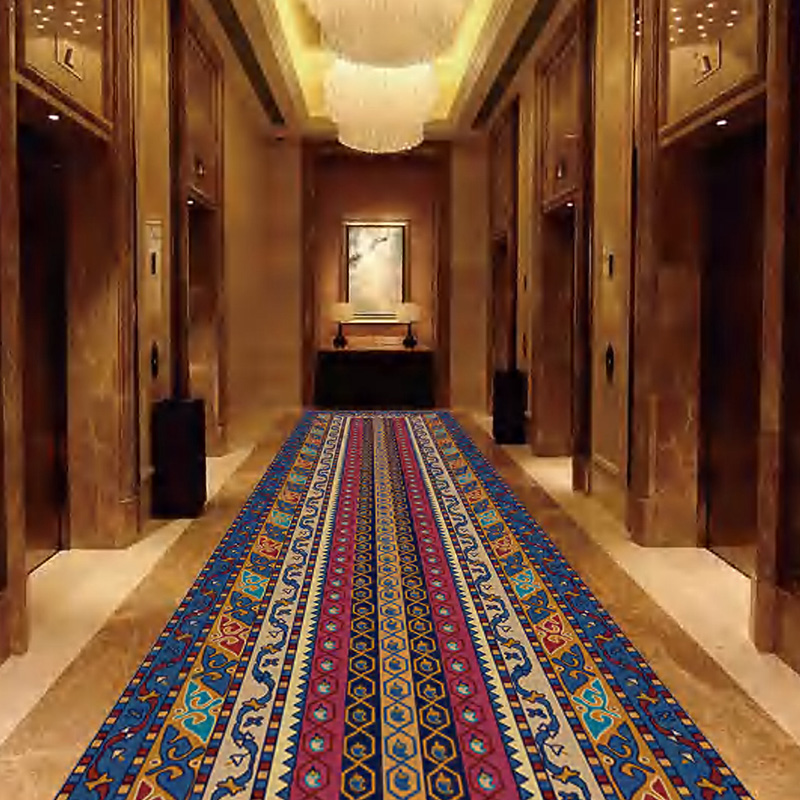
The commercial sector is another important market for carpet companies. In offices, hotels, hospitals, and retail environments, carpets are not only chosen for their aesthetic appeal but also for their functionality. Commercial carpets need to withstand heavy foot traffic, resist stains, and offer easy maintenance. Carpet companies cater to this demand by producing carpets that are specifically designed for commercial use, with features such as stain resistance, durability, and ease of cleaning.