 0
0
 Language
  英语
英语 阿拉伯语
阿拉伯语 德语
德语
Oriental rugs have long been admired for their intricate designs, rich colors, and fine craftsmanship. These traditional textiles, often handwoven from high-quality fibers, are not only valued for their aesthetic beauty but also their cultural significance.
The Craftsmanship Behind Oriental Rugs
One of the key factors that make Oriental rugs so highly sought after is the exceptional craftsmanship involved in their creation. Originating from regions such as Persia (modern-day Iran), Turkey, India, and Afghanistan, these rugs are typically handwoven using traditional methods passed down through generations. Each rug tells a story through its design, with motifs and patterns often carrying symbolic meanings or reflecting the cultural heritage of the region.
Skilled artisans use natural materials, including wool, silk, and cotton, to weave intricate patterns, with some rugs taking months or even years to complete. The meticulous process of dyeing the fibers using natural dyes ensures that the colors remain rich and vibrant. The quality of the materials and the expertise of the weavers make Oriental rugs not just decorative items, but true works of art.
Unique Features of Oriental Rugs
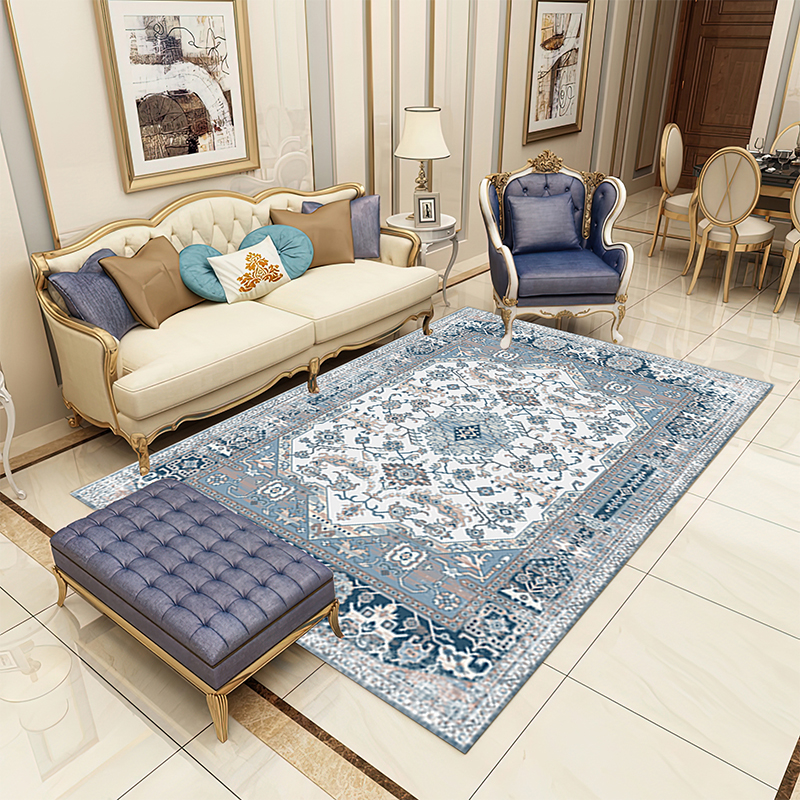
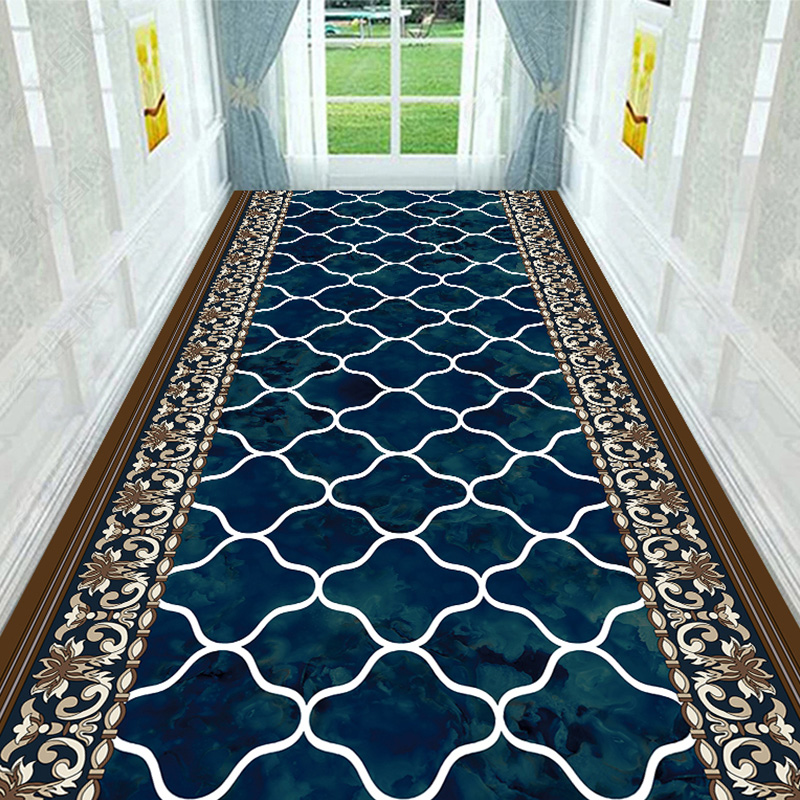
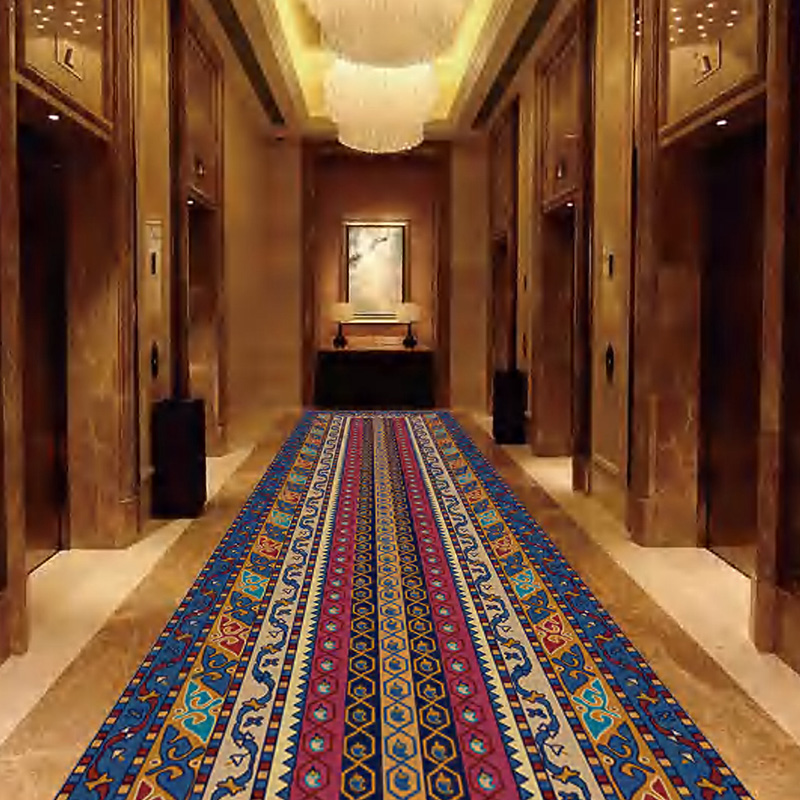
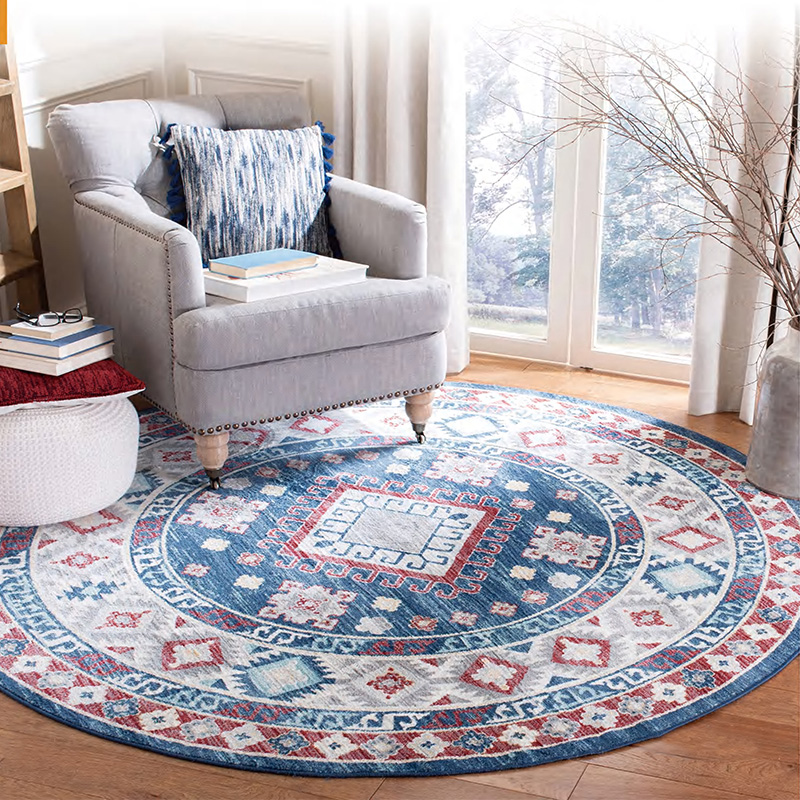
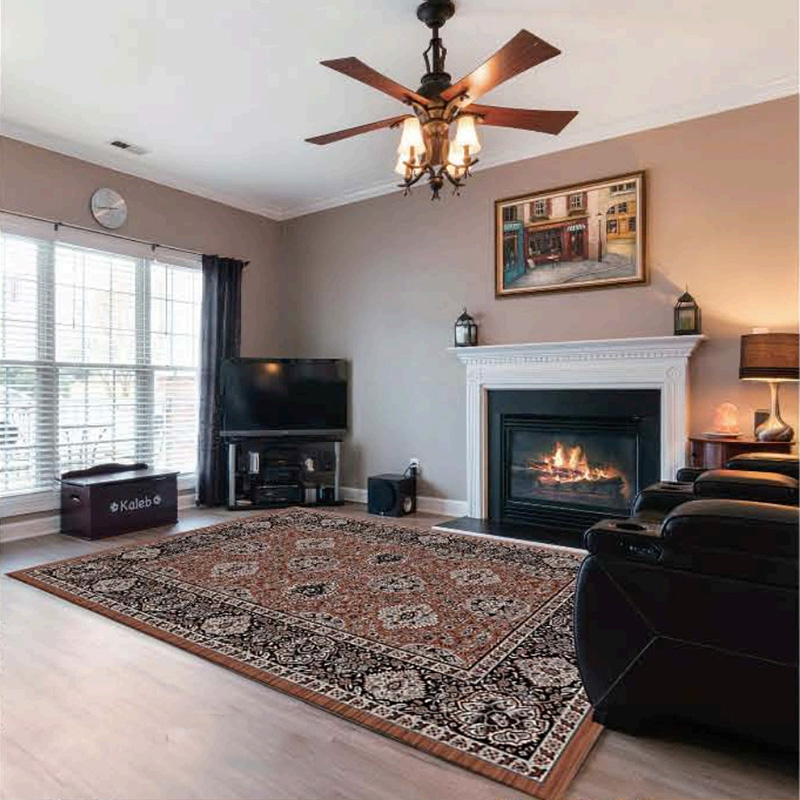
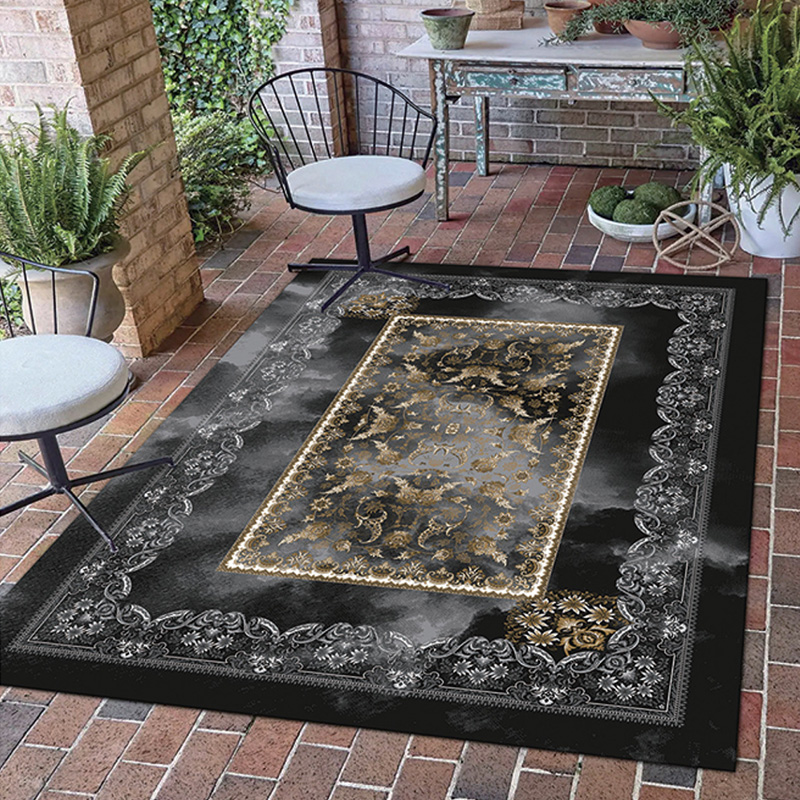
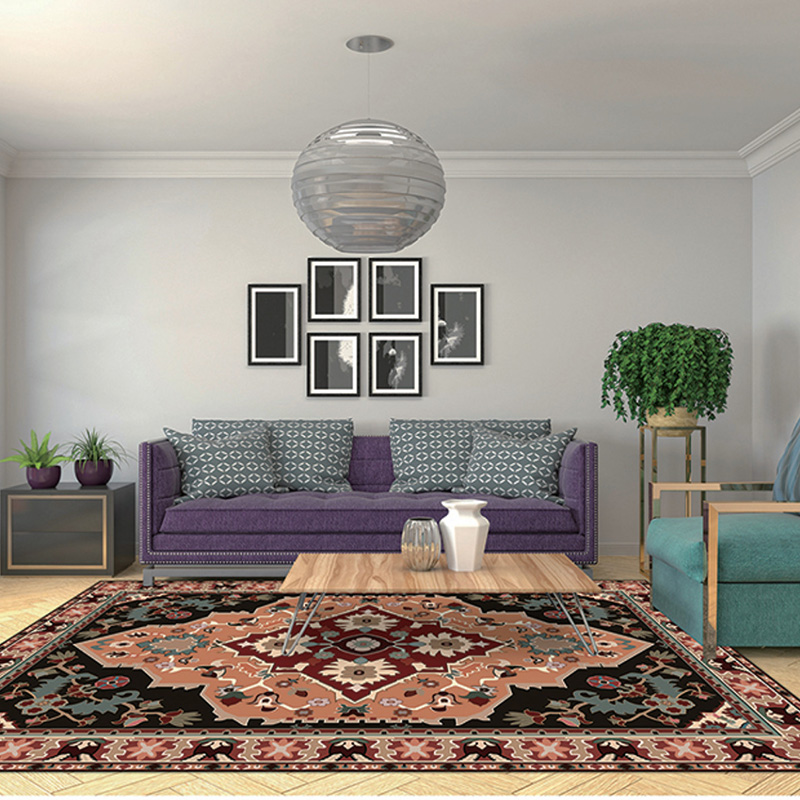
What sets Oriental rugs apart from other types of carpets is their distinct features. First and foremost, the patterns found on Oriental rugs are highly detailed and diverse, ranging from geometric designs to floral motifs. Each region has its own characteristic style; for example, Persian rugs often feature intricate medallions and arabesque designs, while Turkish rugs might incorporate bold, geometric shapes.
In addition to the patterns, the colors used in Oriental rugs are often vibrant and rich, thanks to the natural dyes derived from plants, insects, and minerals. The dyes are carefully mixed to produce shades of red, blue, gold, green, and other colors that have a timeless appeal. The durability of the materials ensures that these colors do not fade easily, making Oriental rugs a lasting investment.
Another key feature is the thickness and density of the pile. High-quality Oriental rugs often have a dense weave, giving them a luxurious feel underfoot while also ensuring their durability over time. The combination of fine materials and detailed craftsmanship results in a rug that not only adds beauty to a space but also stands the test of time.
Oriental Rugs in Modern Interior Design
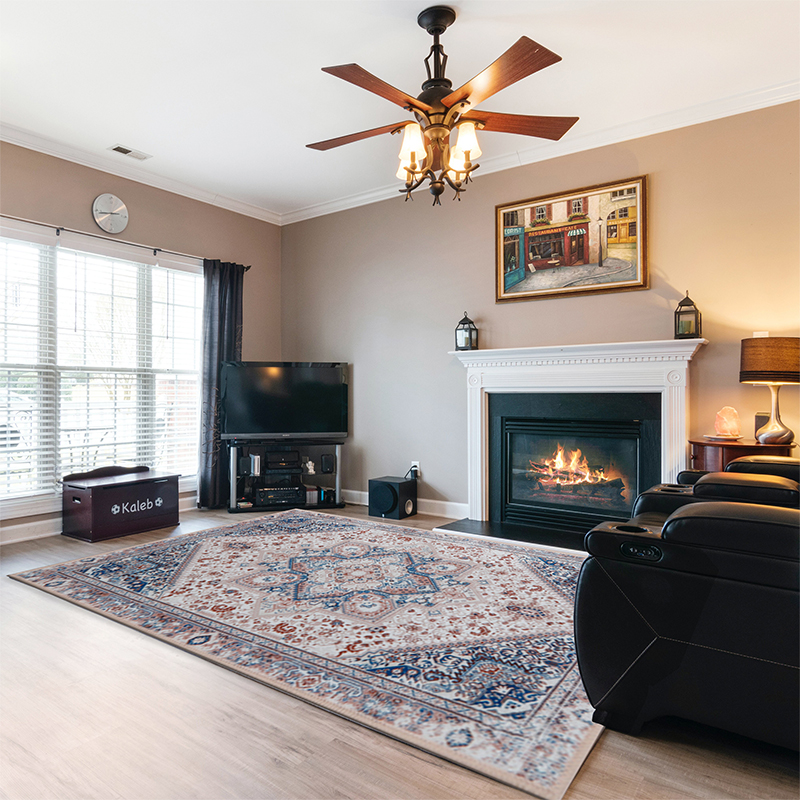
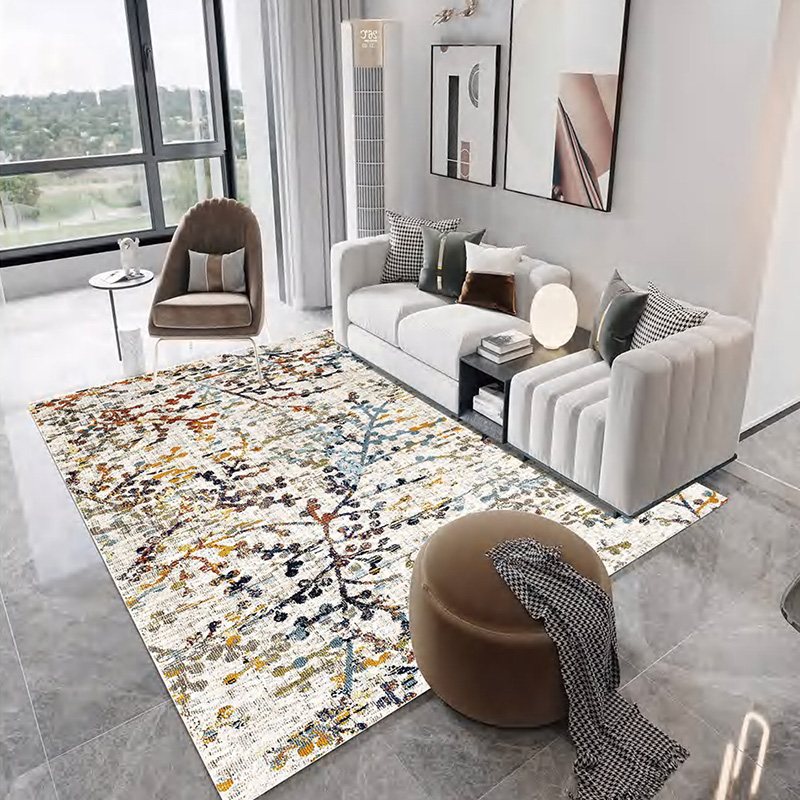
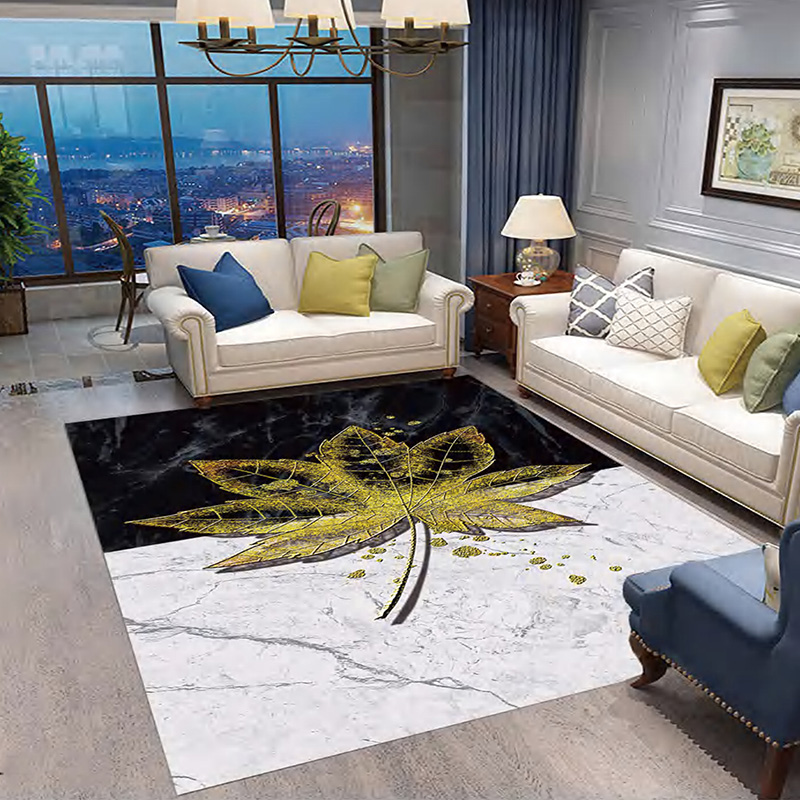
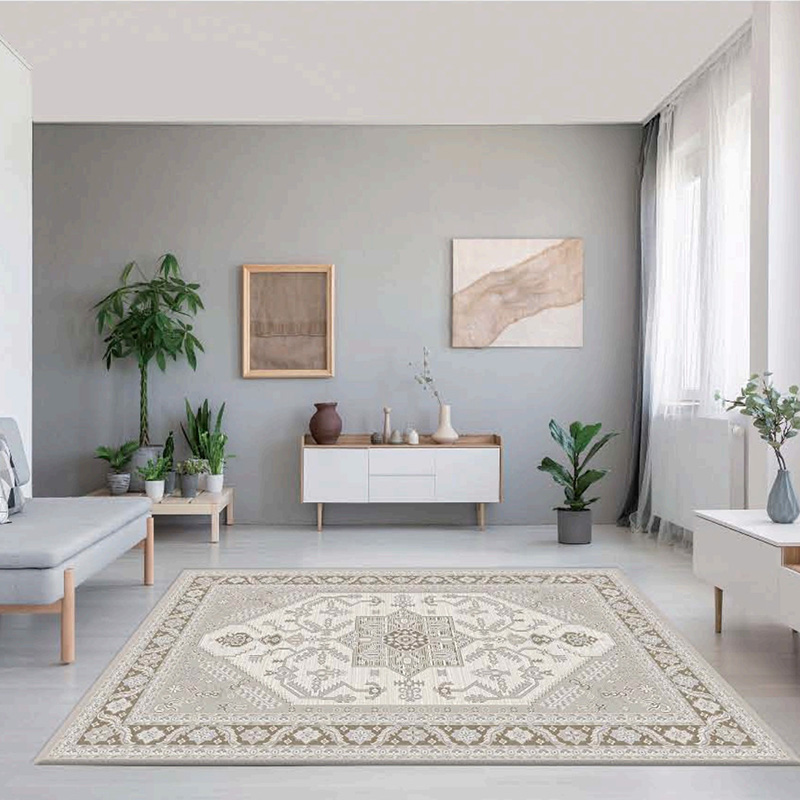
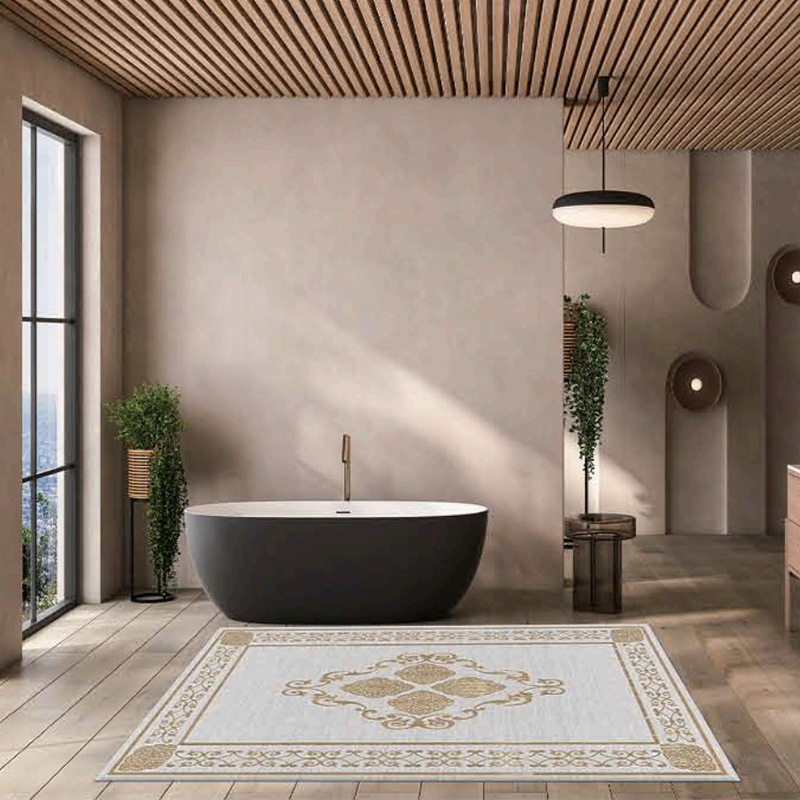
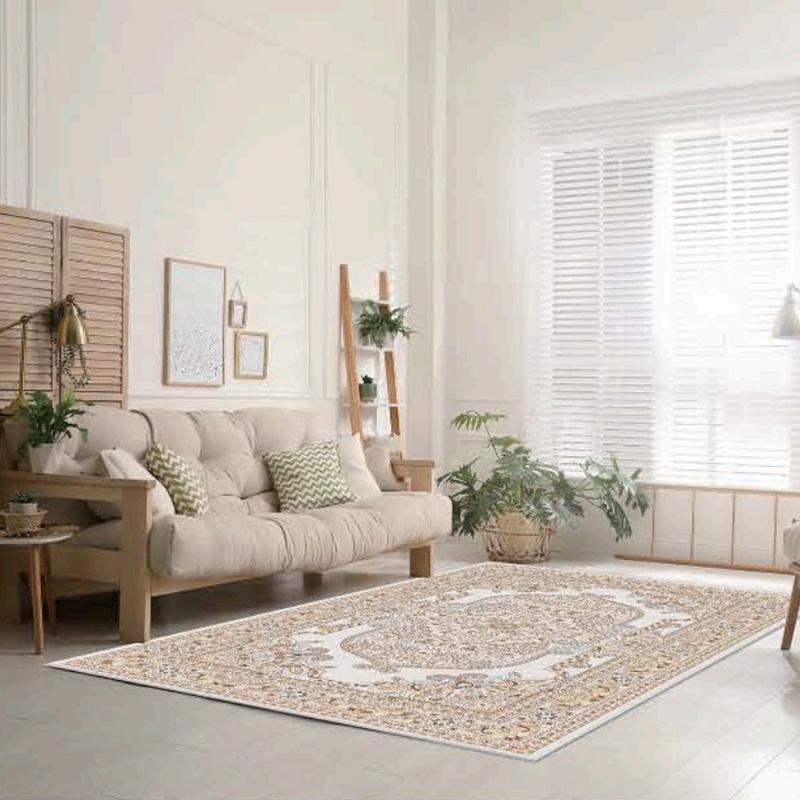
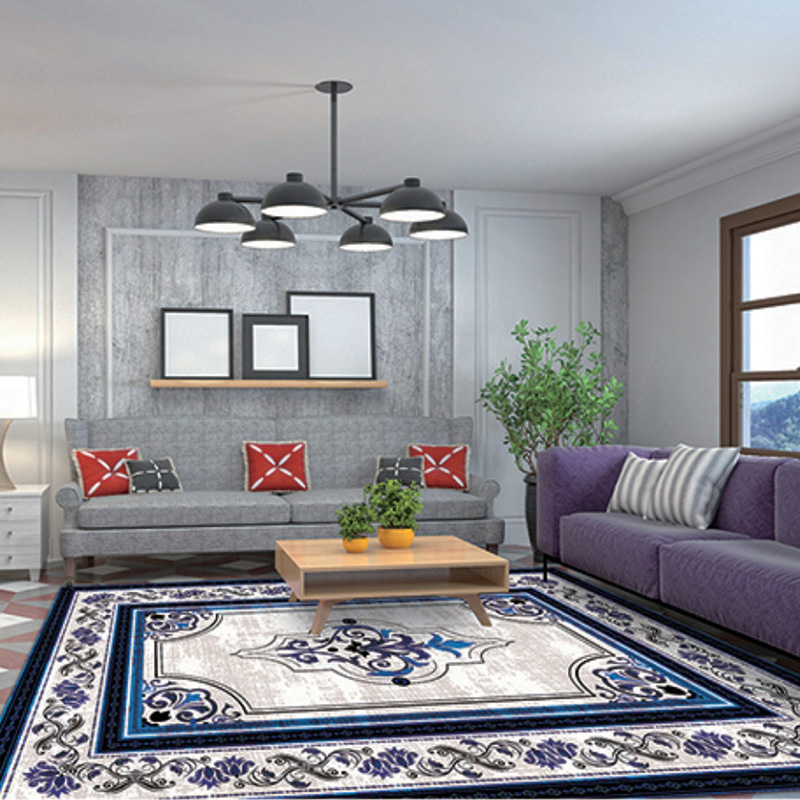
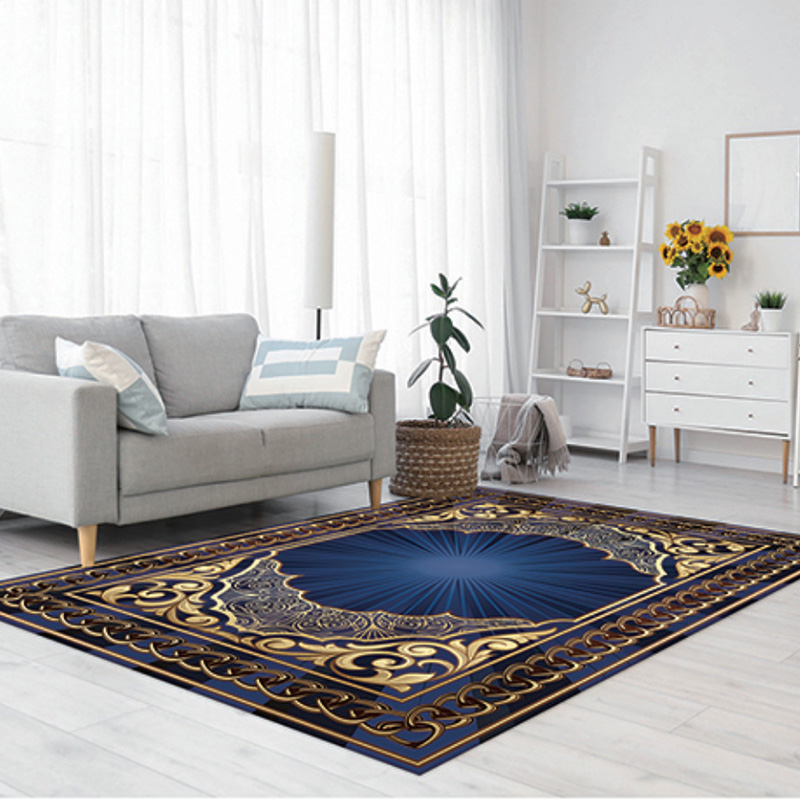
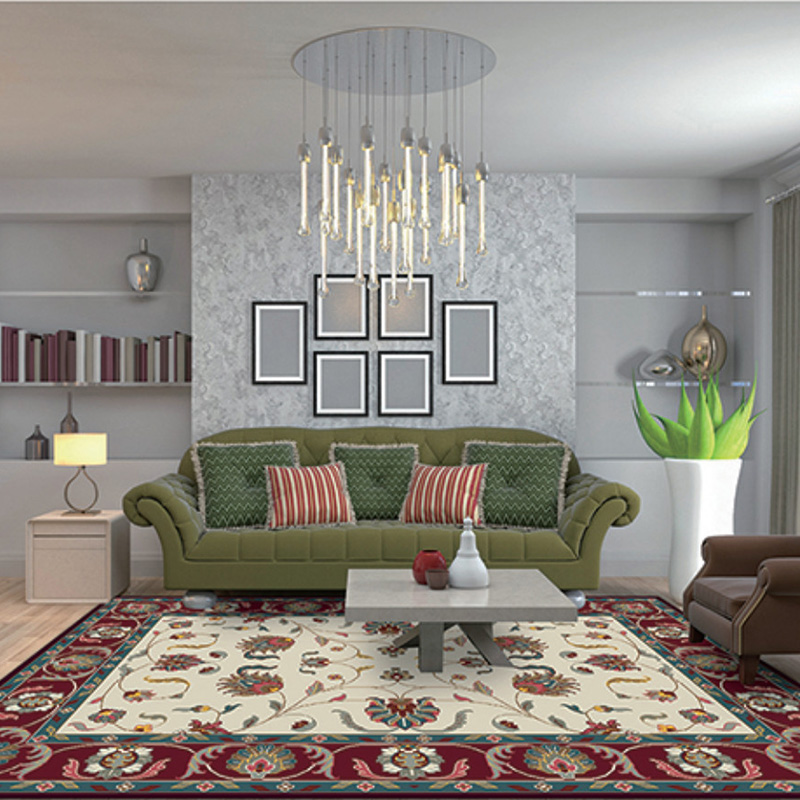
In contemporary interiors, Oriental rugs continue to play a vital role in adding character and warmth to a space. Their timeless appeal makes them versatile, capable of complementing both traditional and modern design styles. In minimalist or contemporary settings, the bold colors and intricate patterns of an Oriental rug can serve as a focal point, adding depth and personality to the room.
For those seeking a more eclectic aesthetic, Oriental rugs can be layered with other textiles or used to contrast with sleek, modern furniture. The combination of a centuries-old craft with modern decor elements creates a unique and sophisticated look that appeals to a wide range of design sensibilities.
Oriental rugs are also increasingly being used in commercial spaces such as hotels, restaurants, and offices, where their luxurious texture and cultural significance help to create a welcoming and stylish environment. The blend of tradition and modernity in these rugs makes them an ideal choice for anyone looking to elevate their space while honoring cultural heritage.