 0
0
 Language
  英语
英语 阿拉伯语
阿拉伯语 德语
德语
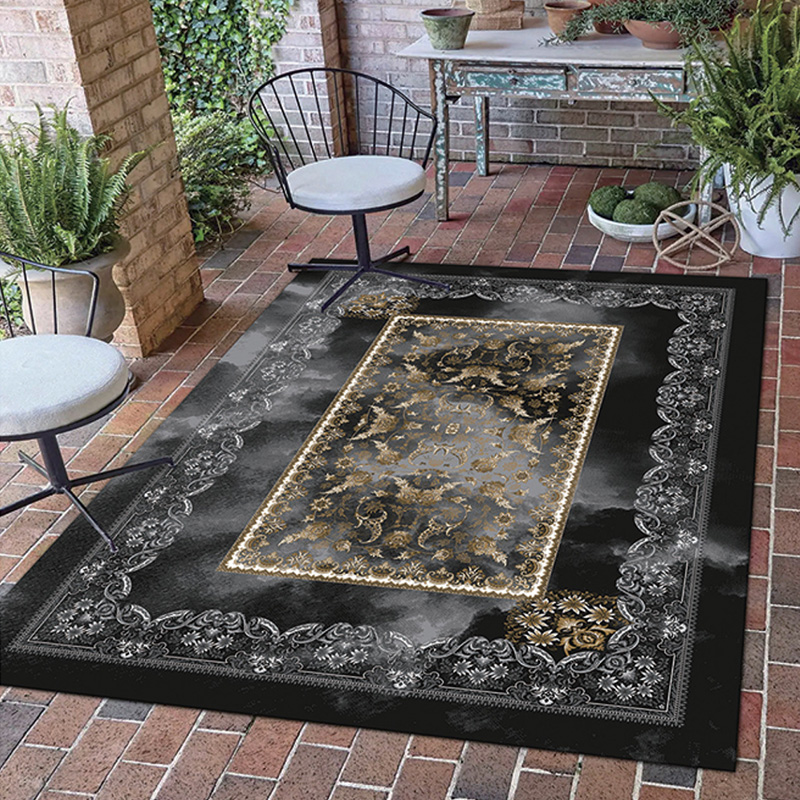
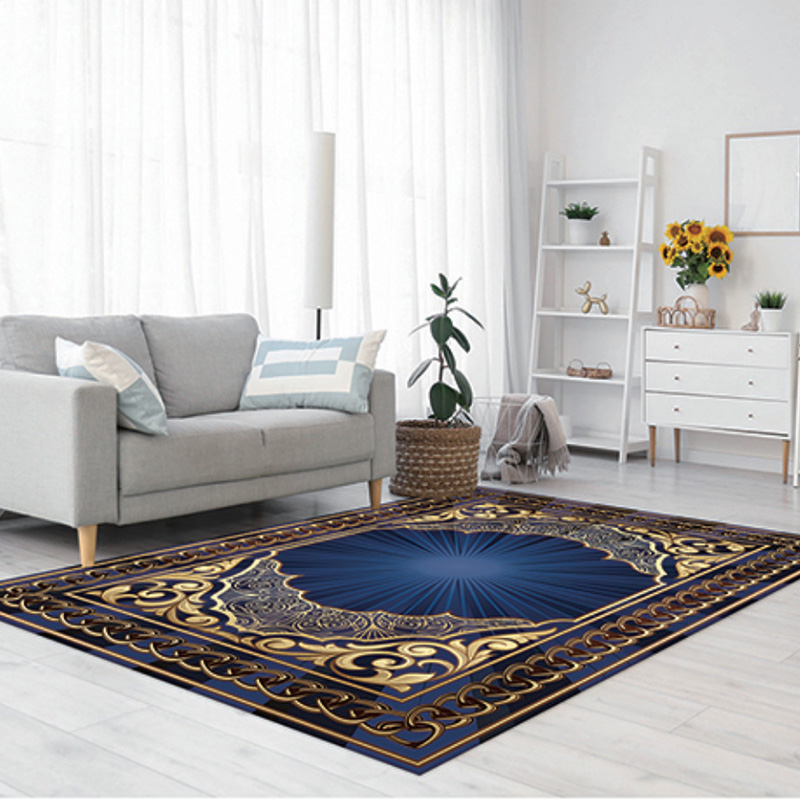
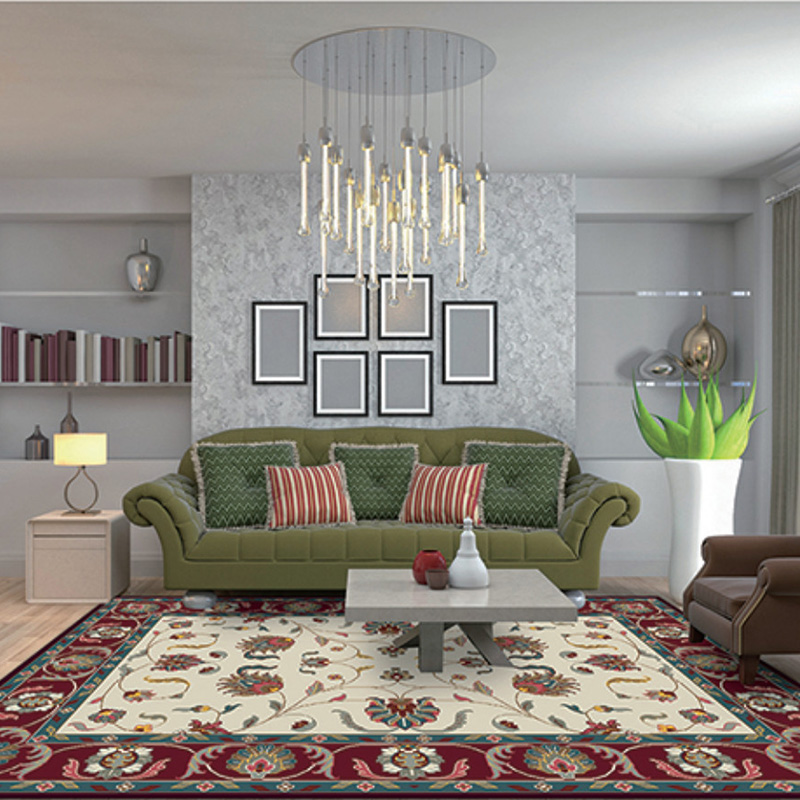
Large Area Rugs have become a prominent subject in interior design discussions, reflecting the ongoing expansion and merging of modern living spaces. Open layouts, multifunctional rooms, and shared living zones have increased the need for design elements that provide structure without physical division. Within this context, Large Area Rugs serve as tools that visually organize space while maintaining openness and continuity.
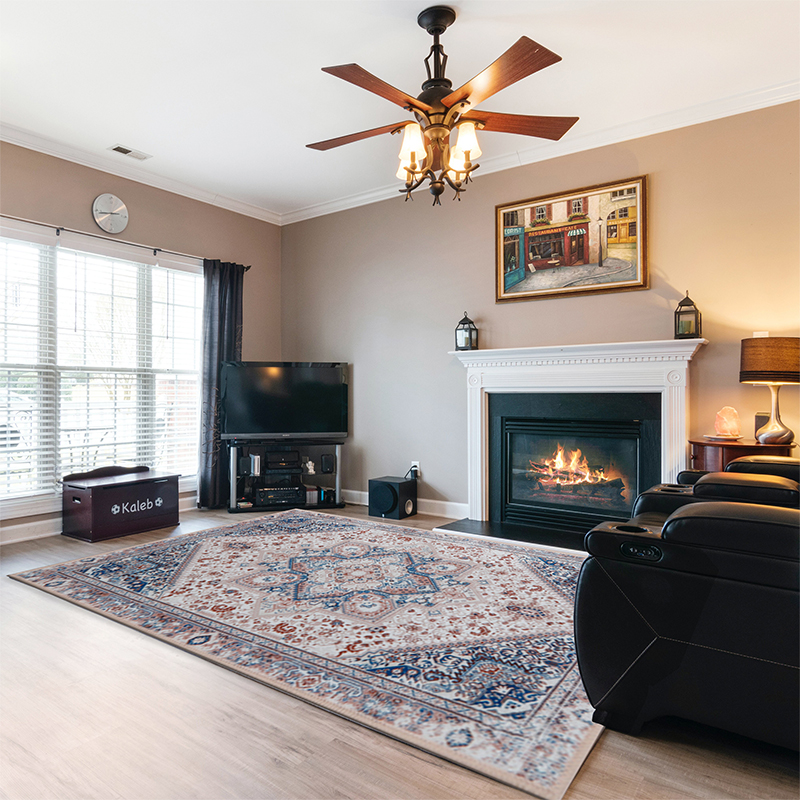
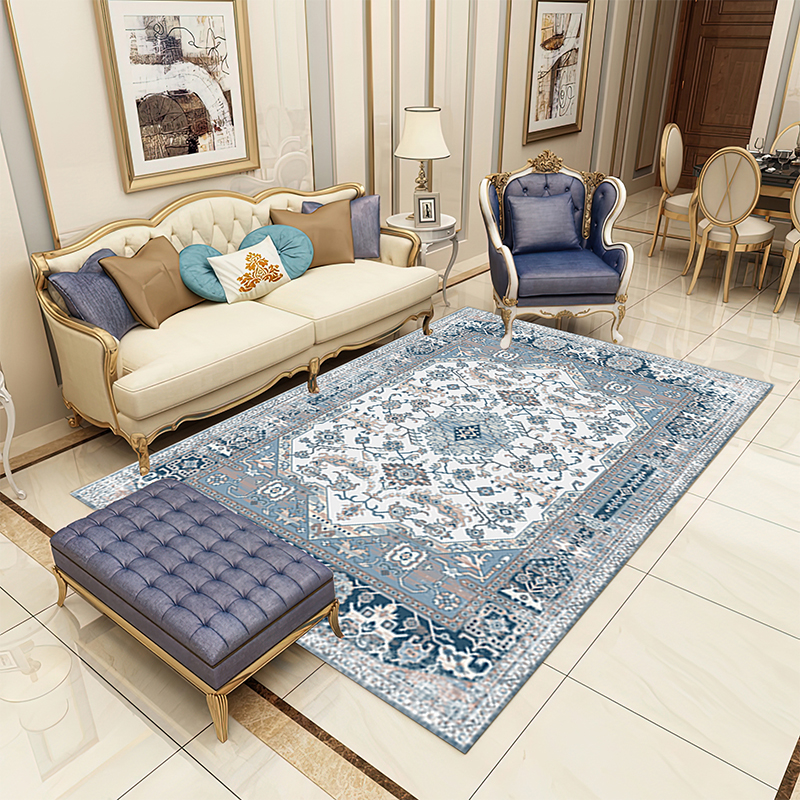
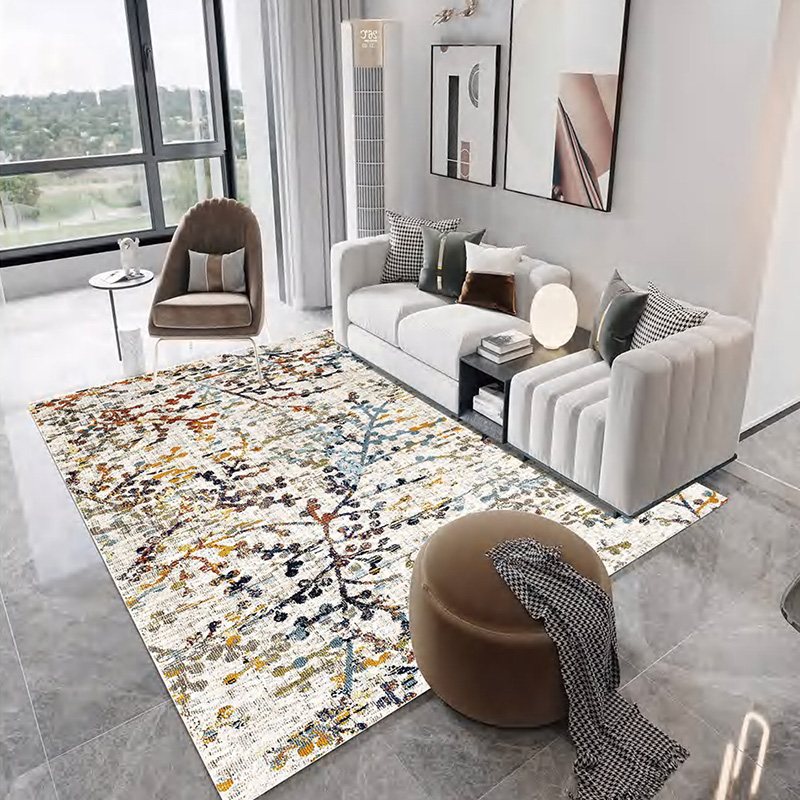
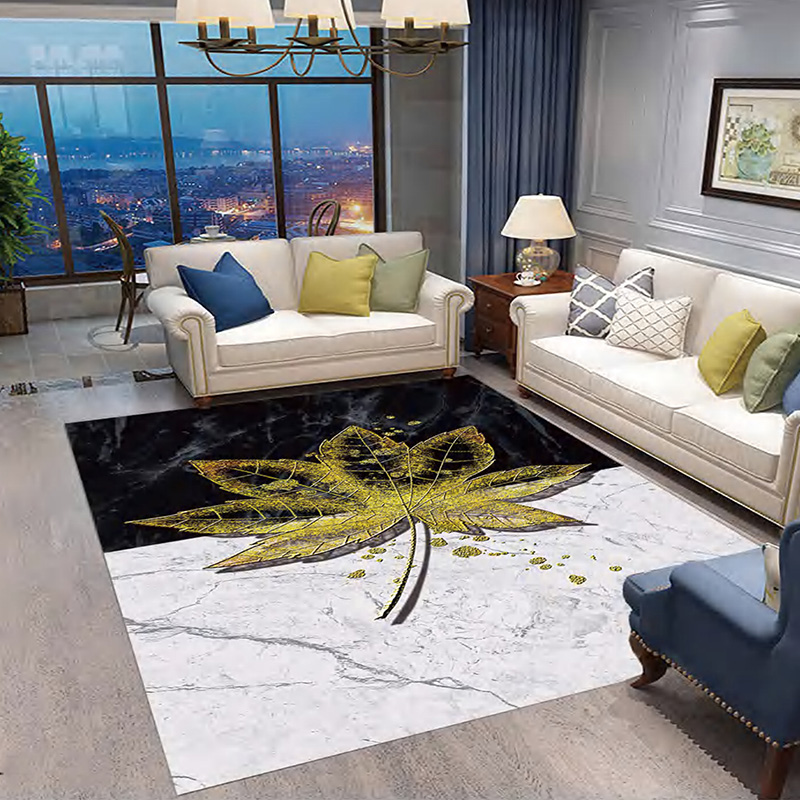
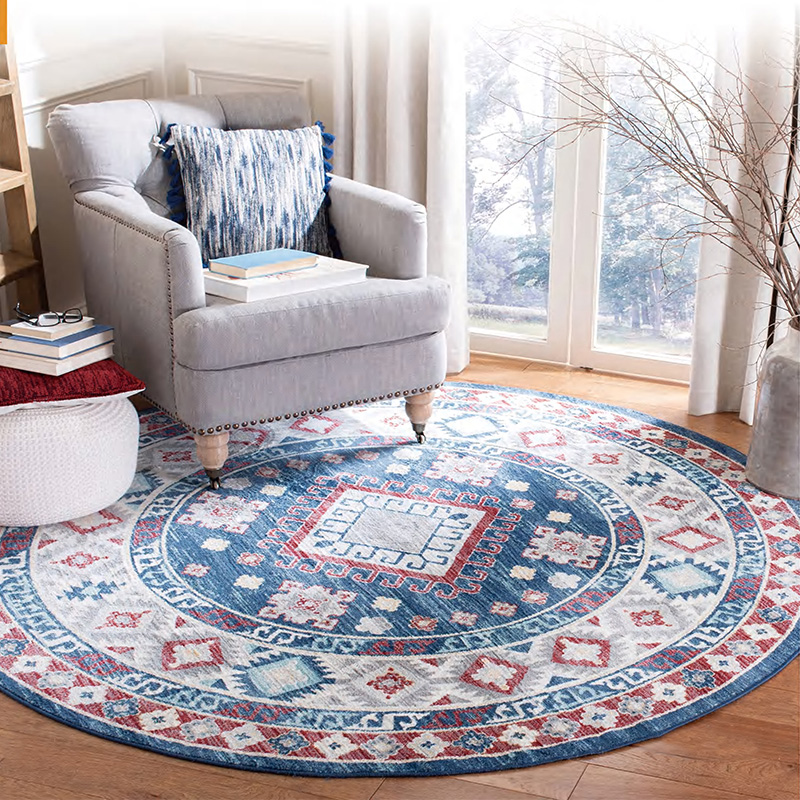
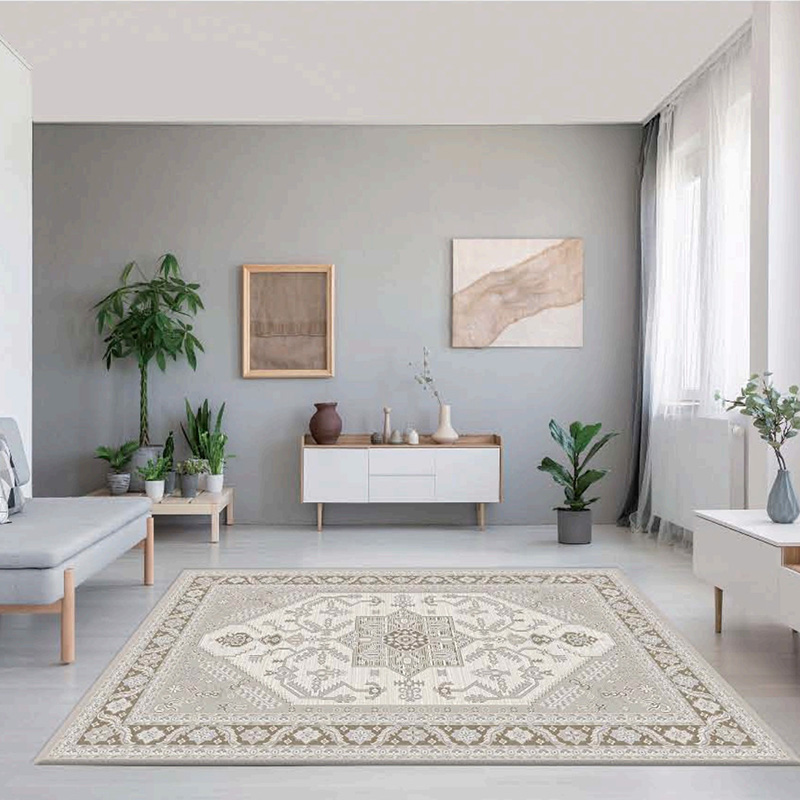
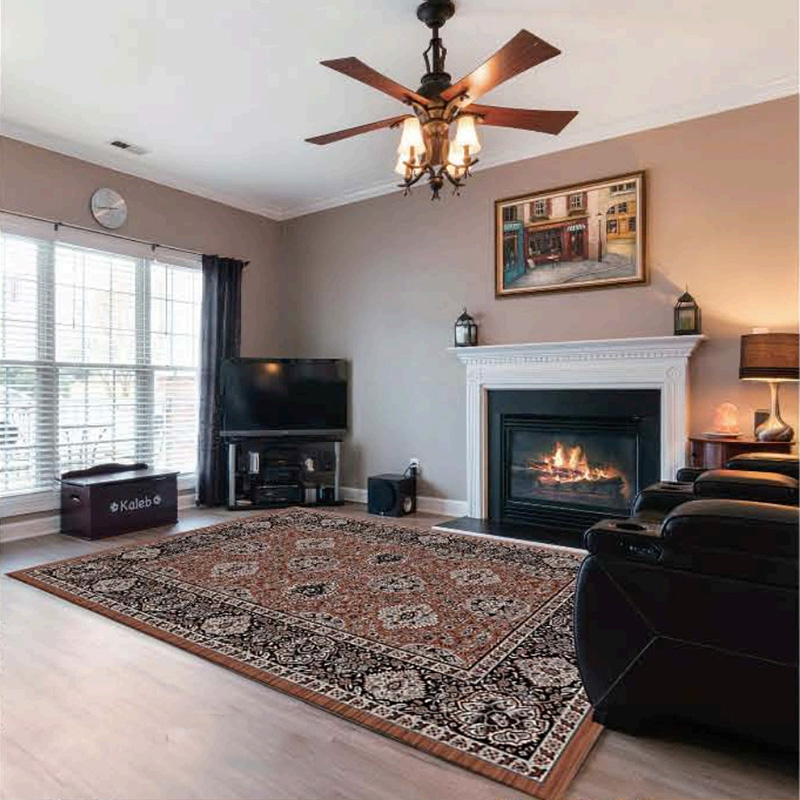
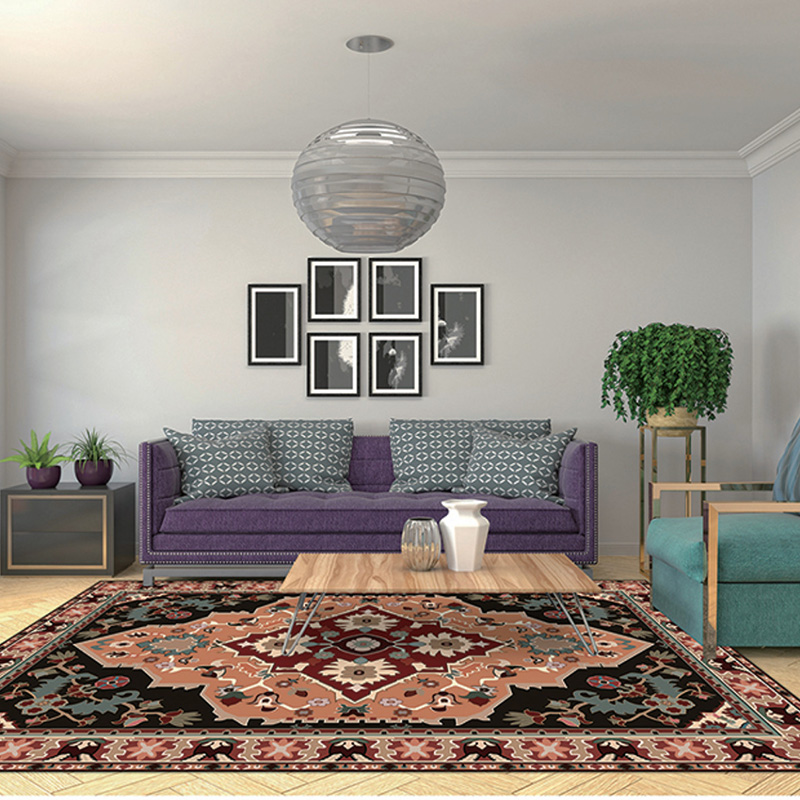
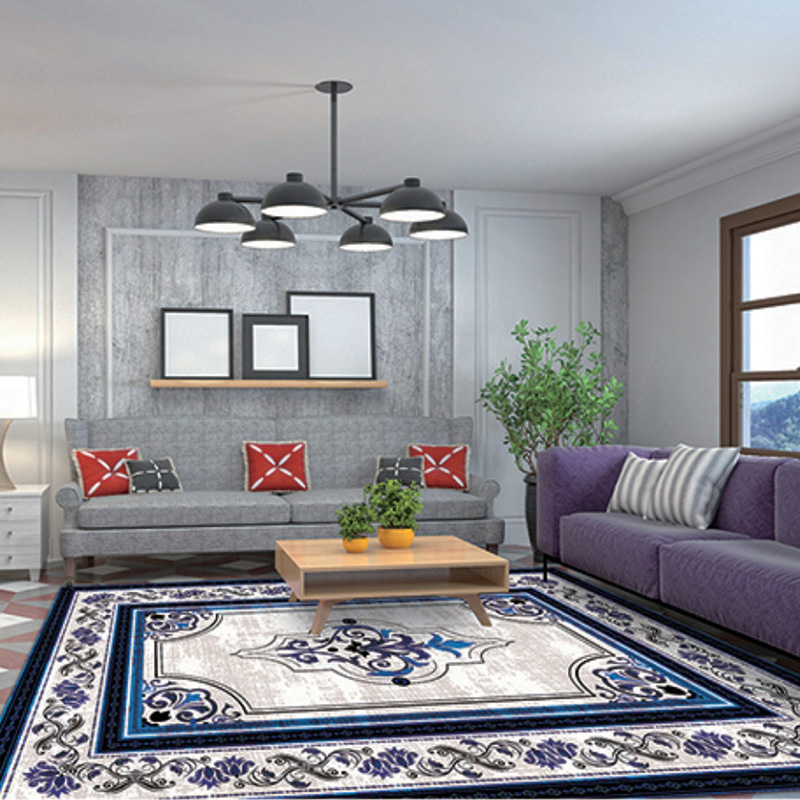
In modern homes, rooms often flow into one another, blending living, dining, and working areas into a single environment. Large Area Rugs help define these zones through placement rather than barriers. A rug beneath seating arrangements can anchor furniture, offering a sense of purpose and stability. This visual grounding allows large rooms to feel intentional rather than undefined.
Material choice plays a significant role in how Large Area Rugs function within expansive interiors. Texture influences acoustics, helping soften sound in rooms dominated by hard surfaces. Thicker weaves may add warmth to minimal spaces, while flatter constructions support ease of movement in high-traffic areas. These functional considerations align with growing attention to comfort and usability in residential design.
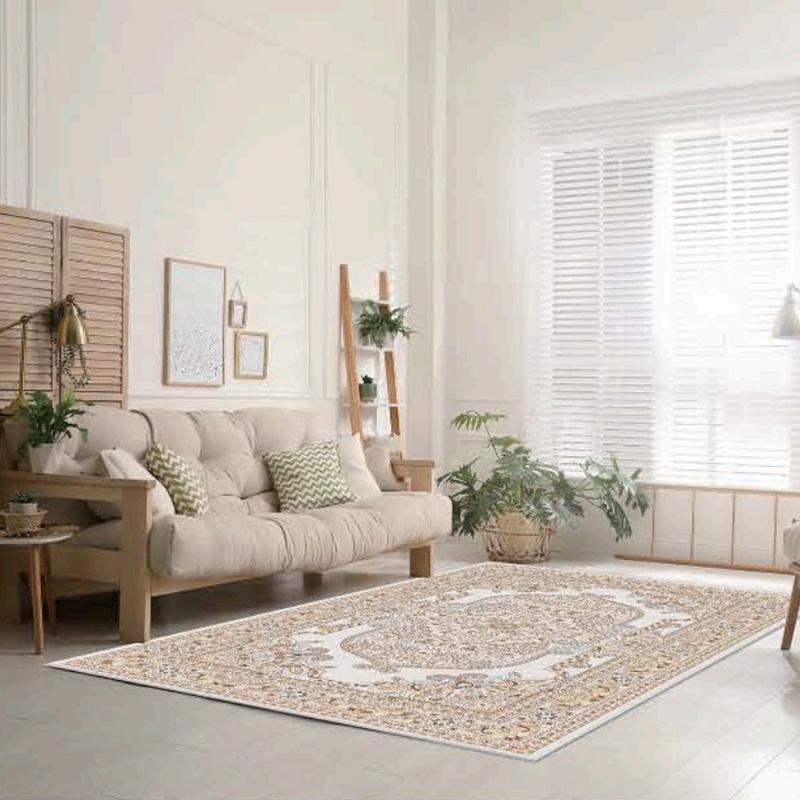
Color and pattern selection further shape the impact of Large Area Rugs. Neutral tones often support cohesion across large spaces, while subtle patterns add depth without fragmenting the visual field. Designers frequently use rugs to connect furniture pieces that may differ in style, creating a unified composition that feels balanced rather than forced. This approach supports long-term flexibility as furnishings evolve.
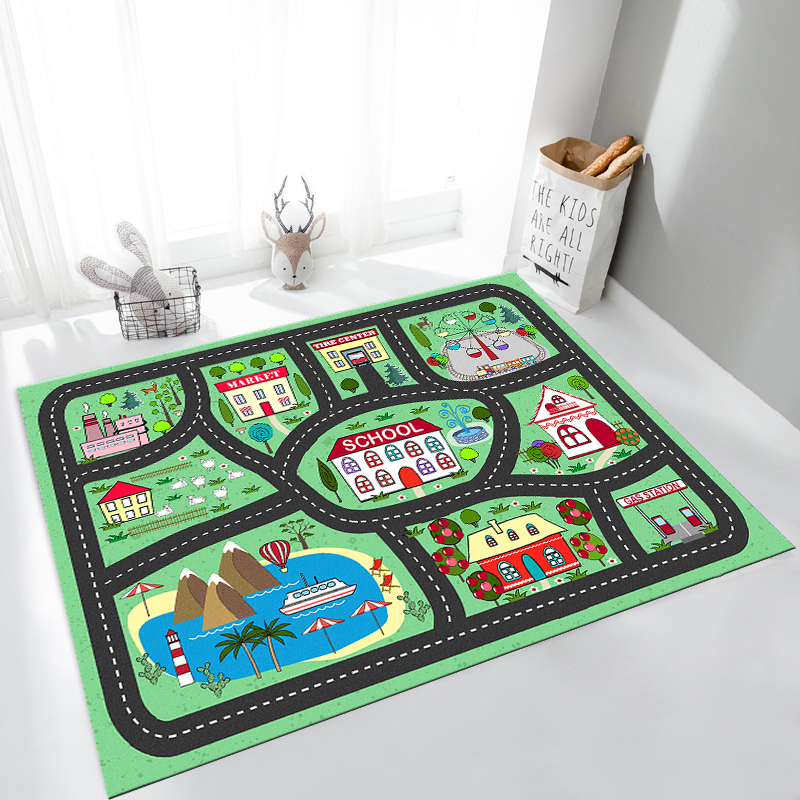
Large Area Rugs also influence how people move through space. Their scale encourages natural circulation paths, guiding movement while maintaining visual calm. In family homes, they often become gathering points, supporting conversation and shared activities. In quieter environments, such as lounges or reading areas, they contribute to a sense of enclosure that enhances comfort without closing off the room.
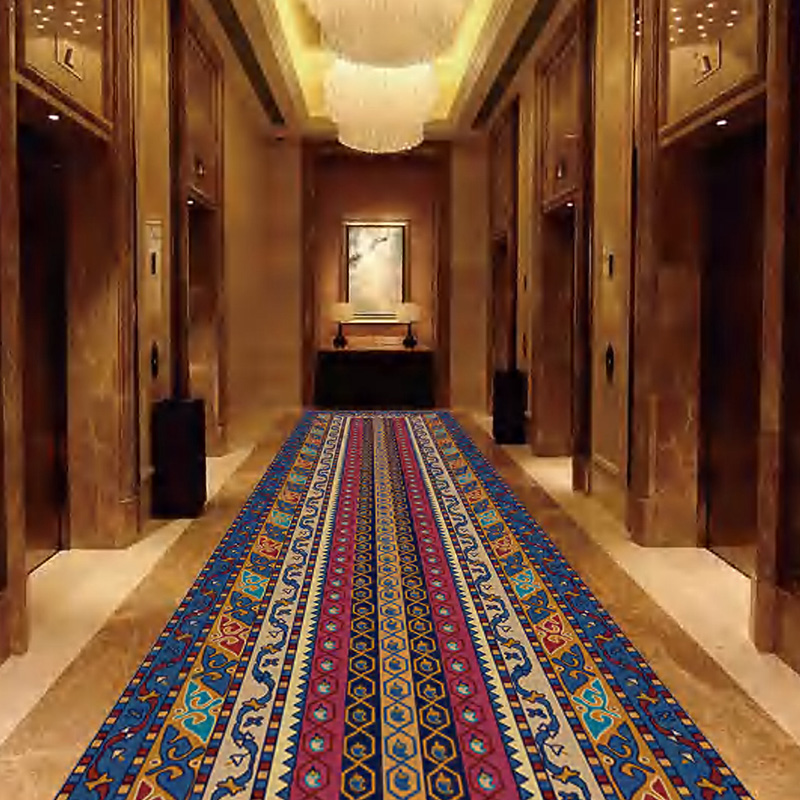
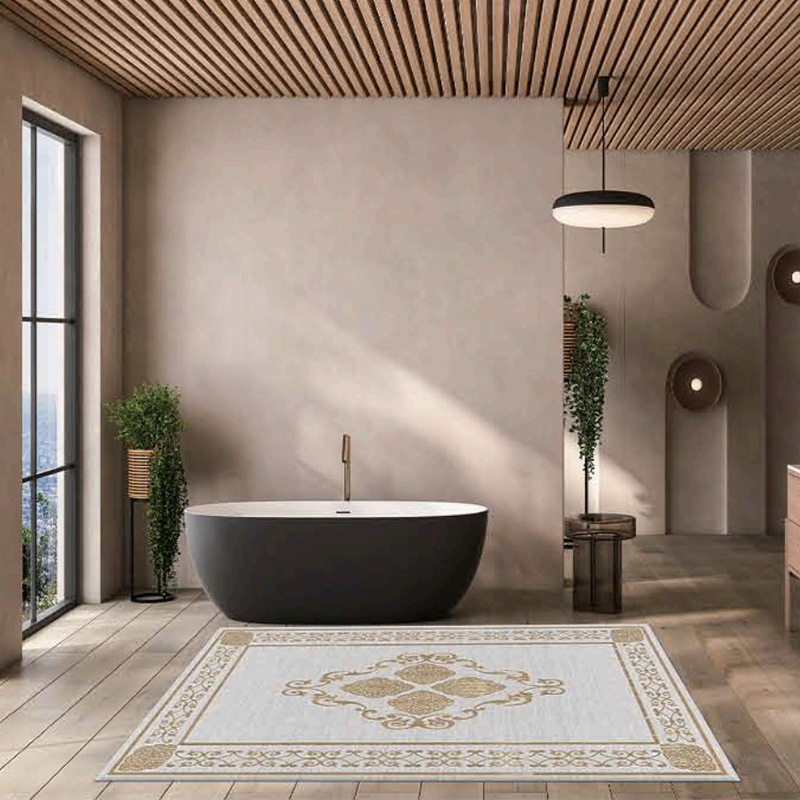
Beyond residential interiors, Large Area Rugs appear increasingly in commercial and hospitality settings. Offices, hotels, and shared spaces rely on them to soften large floors and create inviting atmospheres. Their ability to visually manage scale makes them valuable in environments where openness must coexist with comfort. This crossover reinforces their relevance beyond private homes.
Design professionals also emphasize the planning role of Large Area Rugs. Because of their size, they often influence layout decisions early in a project. Furniture proportions, walking distances, and seating arrangements frequently respond to the rug rather than the other way around. This planning function elevates Large Area Rugs from decorative elements to foundational design tools.
Another point of discussion involves longevity and adaptability. A well-chosen Large Area Rug can remain in use even when rooms are rearranged or repurposed. This durability supports a growing preference for interior elements that offer continuity amid lifestyle changes. Rather than reacting to trends, these rugs help establish stable visual frameworks within dynamic living spaces.
The growing attention toward Large Area Rugs reflects broader lifestyle changes centered on flexibility and comfort. Interiors continue to adapt to evolving routines, and these rugs provide structure using scale, texture, and visual continuity. Their presence shapes how large spaces feel and function, supporting environments that balance openness, purpose, and human connection.