 0
0
 Language
  英语
英语 阿拉伯语
阿拉伯语 德语
德语
Kids Rugs have become a visible topic in recent home and lifestyle discussions, reflecting how families rethink the environments where children grow, play, and learn. Interior design choices for children’s spaces now focus more on comfort, interaction, and emotional support rather than decoration alone. Within this shift, Kids Rugs play a role that extends beyond floor coverage, helping define areas for activity while contributing to a sense of security and familiarity.
In many households, children’s rooms and shared family areas serve multiple purposes throughout the day. Kids Rugs help organize these spaces visually, creating zones for reading, play, or quiet rest without the need for permanent structures. Their presence supports flexible layouts, allowing rooms to adapt to changing routines. This adaptability aligns with modern parenting approaches that value environments capable of evolving alongside children’s needs.
Material selection has gained increased attention in Kids Rugs development. Soft textures and carefully chosen fibers help provide a comfortable surface for sitting, crawling, or playing. The tactile quality of a rug can influence how children interact with their surroundings, encouraging longer engagement during creative activities. Parents increasingly consider how surfaces feel underfoot, especially in spaces where children spend extended time close to the floor.
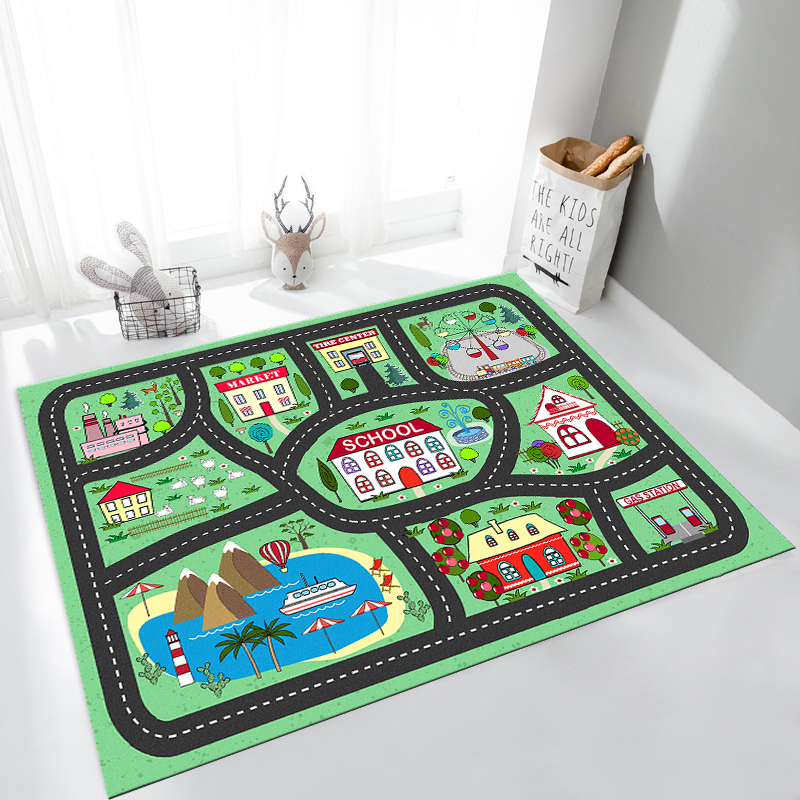
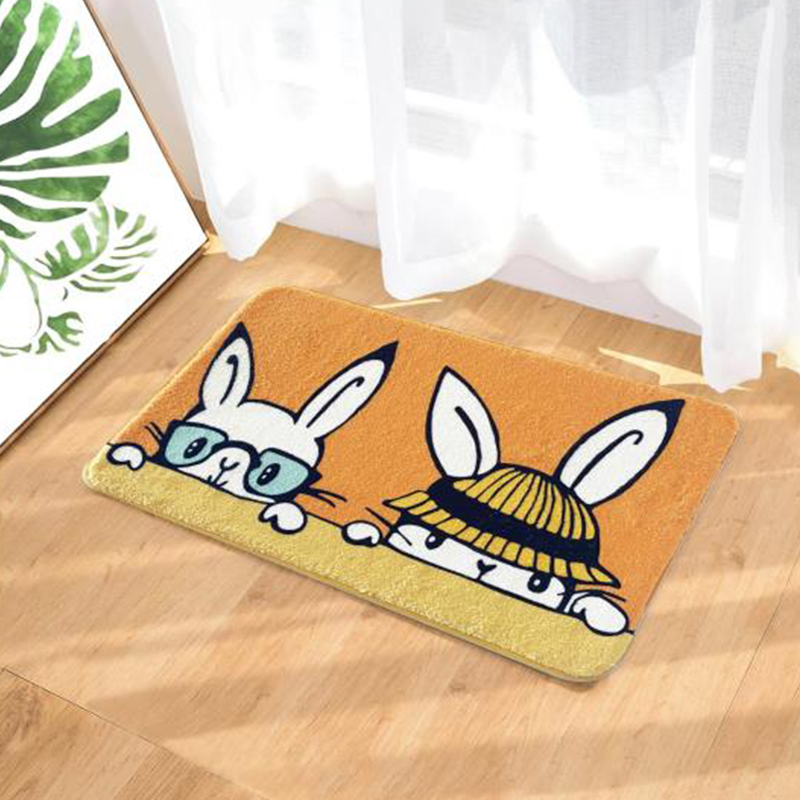
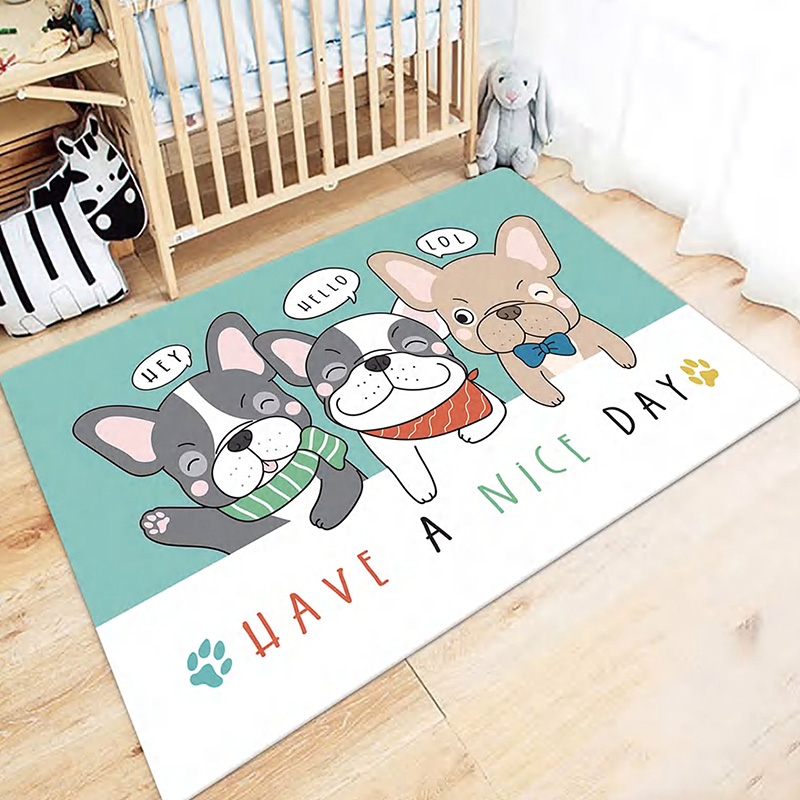
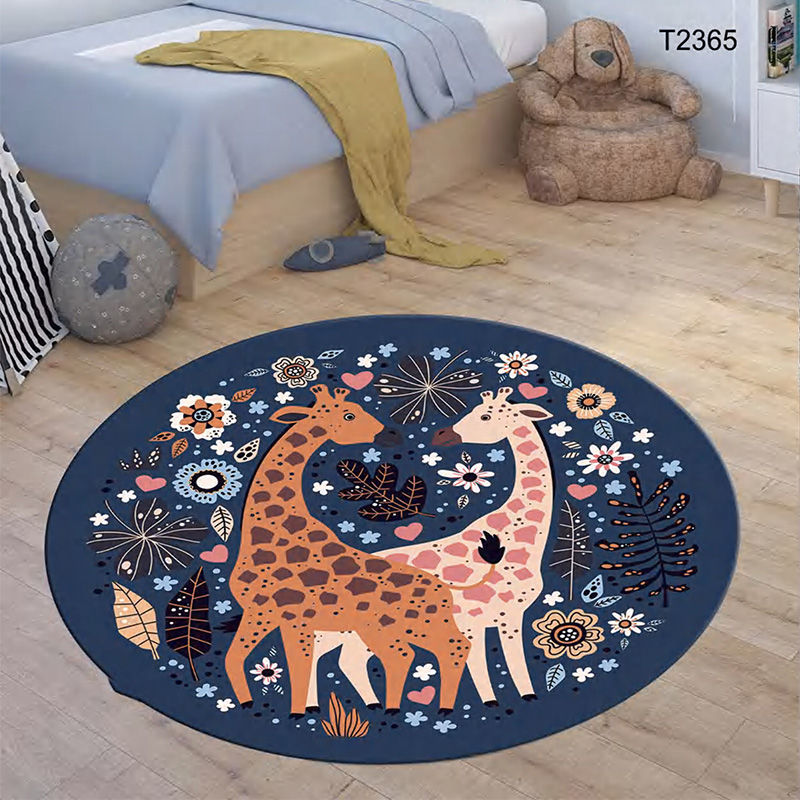
Visual design also contributes to the growing relevance of Kids Rugs. Patterns often feature gentle shapes, playful illustrations, or calming color palettes that stimulate imagination without overwhelming the senses. Rather than relying on strong contrast, many designs favor balance and clarity, allowing rugs to complement other elements in the room. This approach reflects broader design thinking that values harmony within children’s environments.
Safety considerations remain central to discussions around Kids Rugs. Families often look for rugs that support stable placement and reduce slipping during active play. Beyond physical safety, emotional comfort also plays a role. A familiar rug can become part of a child’s daily routine, offering a consistent element in spaces that may change as furniture or storage evolves.
Kids Rugs are also appearing more frequently in shared living areas rather than being limited to bedrooms. In living rooms or playrooms, they help signal child-friendly zones while maintaining cohesion with overall home design. This integration reflects a shift toward inclusive interiors where children’s needs are considered part of the broader household experience rather than isolated to one room.
Educators and child-focused designers increasingly note how Kids Rugs support social interaction. When children gather on a shared rug, activities such as storytelling, group games, or collaborative play feel more structured yet relaxed. The rug becomes a natural meeting point, helping children understand boundaries and shared space without formal instruction. This social function adds another layer to the value of Kids Rugs in daily life.
Another emerging discussion centers on emotional attachment. Children often associate certain rugs with comfort, imagination, or routine, turning them into familiar landmarks within the home. Over time, a Kids Rug may carry memories connected to learning moments or quiet play, reinforcing a sense of belonging. This emotional layer contributes to why families view rugs as lasting elements rather than temporary accessories.
The rising visibility of Kids Rugs points to an ongoing discussion about how interiors shape childhood experiences. Their role keeps expanding because families seek spaces that encourage creativity, comfort, and daily interaction. Thoughtful design and careful placement allow Kids Rugs to influence how children engage inside their homes, creating environments that feel supportive and adaptable.