 0
0
 Language
  英语
英语 阿拉伯语
阿拉伯语 德语
德语
Round Rugs Appear in Evolving Interior Design Conversations
Round Rugs have emerged as a noticeable topic in current interior design conversations, reflecting changing preferences in how spaces are organized and experienced. Designers and homeowners alike show growing interest in softer visual forms that contrast structured furniture and straight architectural lines. The circular shape introduces movement into rooms that might otherwise feel rigid, offering a visual pause that feels intentional rather than decorative.
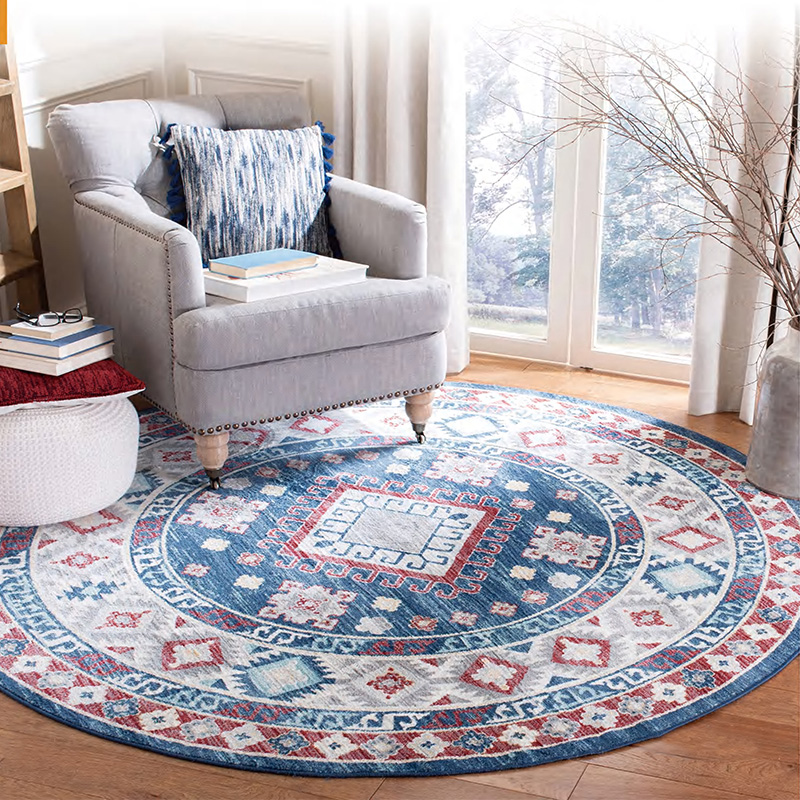
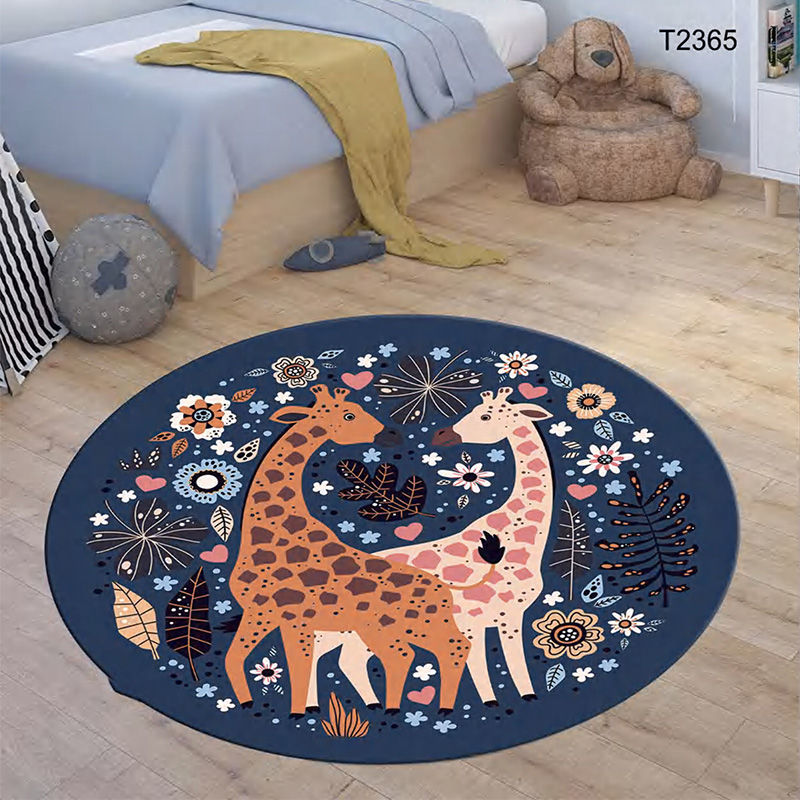
Unlike traditional rectangular floor coverings, Round Rugs often act as a focal point, encouraging alternative ways of arranging furniture. Seating layouts appear more conversational, and open areas feel more defined without the need for physical barriers. These rugs are frequently placed in living rooms, bedrooms, reading corners, and entryways, signaling flexibility in use rather than adherence to fixed design rules. Their growing presence reflects an effort to balance function and atmosphere, a theme increasingly present in home-related design reporting.
The discussion around Round Rugs also reflects shifting lifestyle habits. Homes now serve as places for rest, work, and social interaction, increasing the demand for design elements that support multiple activities. Circular rugs help soften transitions between zones, allowing rooms to feel connected while still visually organized. This adaptability places Round Rugs firmly within contemporary conversations about spatial efficiency and emotional comfort.
Material Choices and Craft Influence Round Rugs Development
The visibility of Round Rugs also connects to expanded material exploration within the flooring market. Natural fibers, blended textiles, and textured weaves appear frequently in recent collections, reflecting interest in tactile experience alongside visual appeal. These material choices influence how rugs interact with light, sound, and movement inside a space.
Craft techniques contribute to their appeal as well. Hand-finished edges, subtle pattern transitions, and layered color tones bring depth without overpowering surrounding décor. This approach aligns with current preferences for understated detail rather than strong contrast. Round Rugs produced through such methods often communicate a sense of care and durability, qualities valued by consumers paying closer attention to long-term interior investments.
Color palettes used in Round Rugs also reflect restraint and adaptability. Earth tones, muted neutrals, and gentle gradients allow the rugs to integrate smoothly into different environments. Rather than dominating a room, they tend to support existing elements, reinforcing harmony between floors, furniture, and lighting.
Round Rugs Support Flexible and Multi-Use Spaces
Modern living spaces increasingly serve multiple purposes, and Round Rugs contribute directly to this adaptability. In smaller homes or open-plan layouts, a circular rug can define a dining nook, workspace, or relaxation zone without walls or partitions. This spatial guidance feels intuitive, guiding movement while maintaining openness. The absence of corners allows the rug to blend smoothly into surrounding areas, reducing visual interruption.
Round Rugs also support fluid circulation paths. Foot traffic tends to move naturally around curved edges, which may enhance comfort in frequently used areas. In family homes, this shape often feels welcoming and informal, supporting shared activities. In quieter settings, such as bedrooms or study areas, the circular form introduces calm through repetition and balance. These functional qualities continue to attract attention from designers focused on practical living solutions.
Cultural Influence and Market Response to Round Rugs
The renewed attention toward Round Rugs reflects broader cultural influences shaping interior design. Current narratives emphasize balance, softness, and human-centered spaces. Circular forms often symbolize continuity and connection, ideas that resonate in contemporary lifestyle discussions. This symbolism appears subtly in décor choices, where objects communicate meaning beyond immediate use.
Retail responses suggest steady demand across varied style categories. Their versatility supports long-term use even as furnishings change, aligning with consumer interest in adaptable home products. This flexibility allows Round Rugs to remain relevant despite evolving design preferences.