 0
0
 Language
  英语
英语 阿拉伯语
阿拉伯语 德语
德语
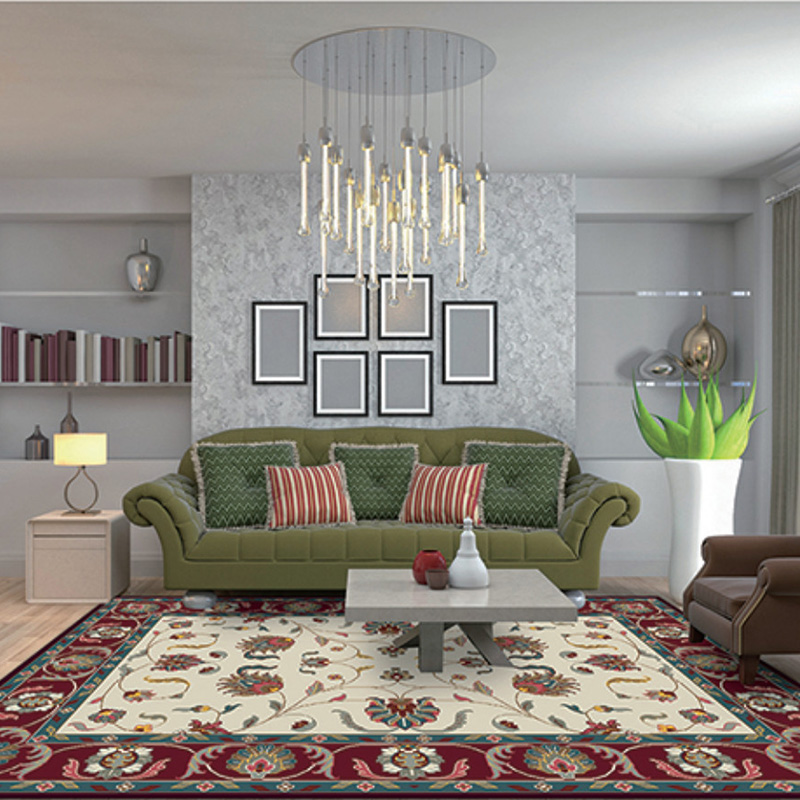
Living room rugs have become a central element in modern home design, offering both functional and aesthetic benefits. Homeowners increasingly recognize that the choice of a rug can significantly influence the overall atmosphere of a living space. From adding warmth and texture to defining different areas, living room rugs play a versatile role that extends beyond simple decoration.
One of the key advantages of incorporating a rug into the living room is the comfort it provides. Walking on soft, well-constructed rugs can improve the feel of a room and create a more inviting environment for family members and guests. Rugs made from natural fibers, such as wool or cotton, are often preferred for their durability and soft texture. These materials provide cushioning underfoot, reducing fatigue during extended periods of standing or walking. The insulating properties of certain rugs help maintain a consistent temperature in the room, making the living space more comfortable throughout the year.
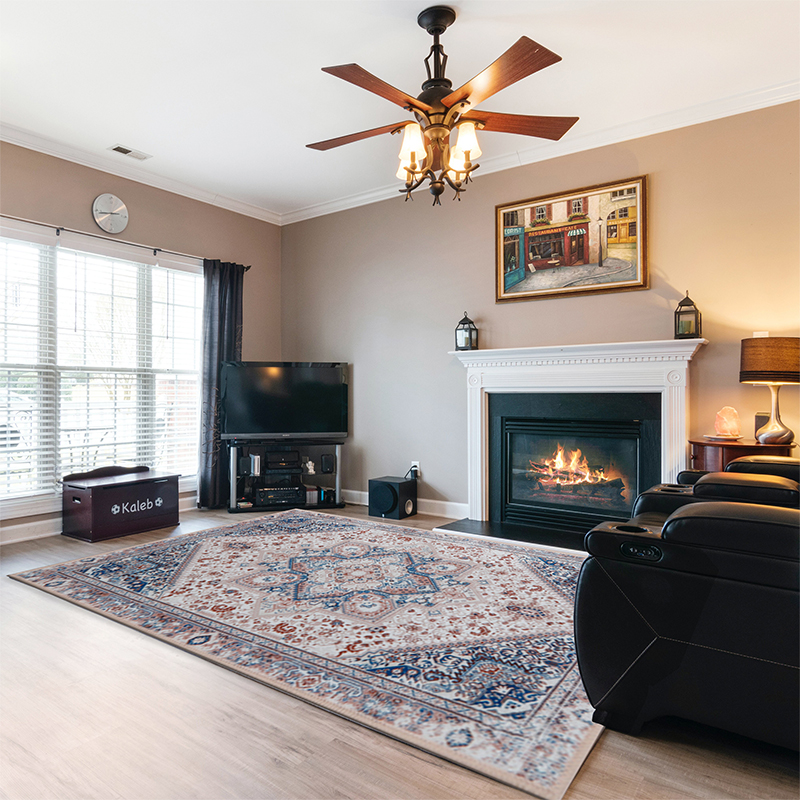
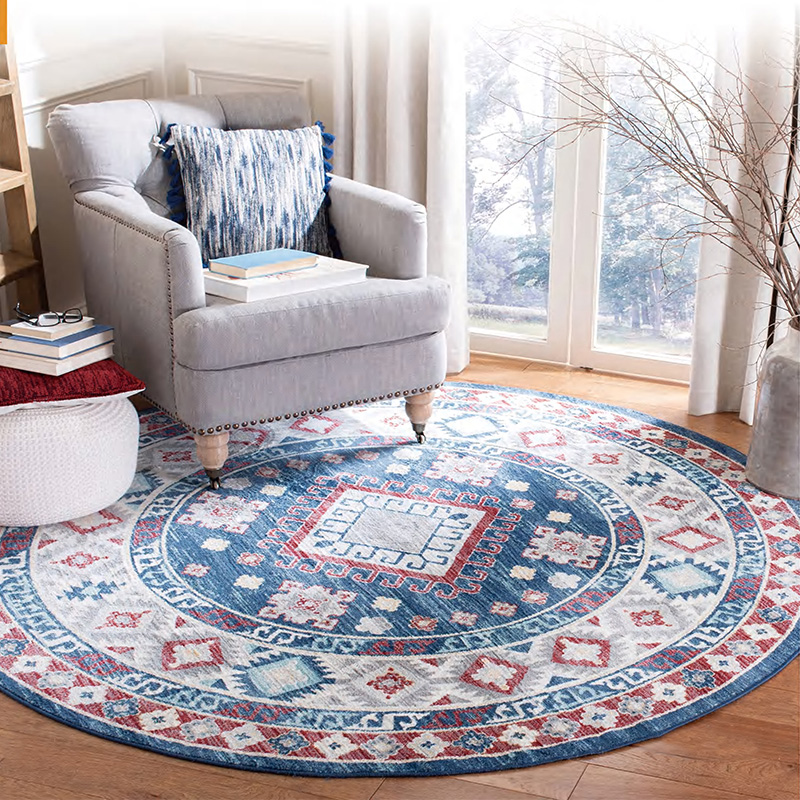
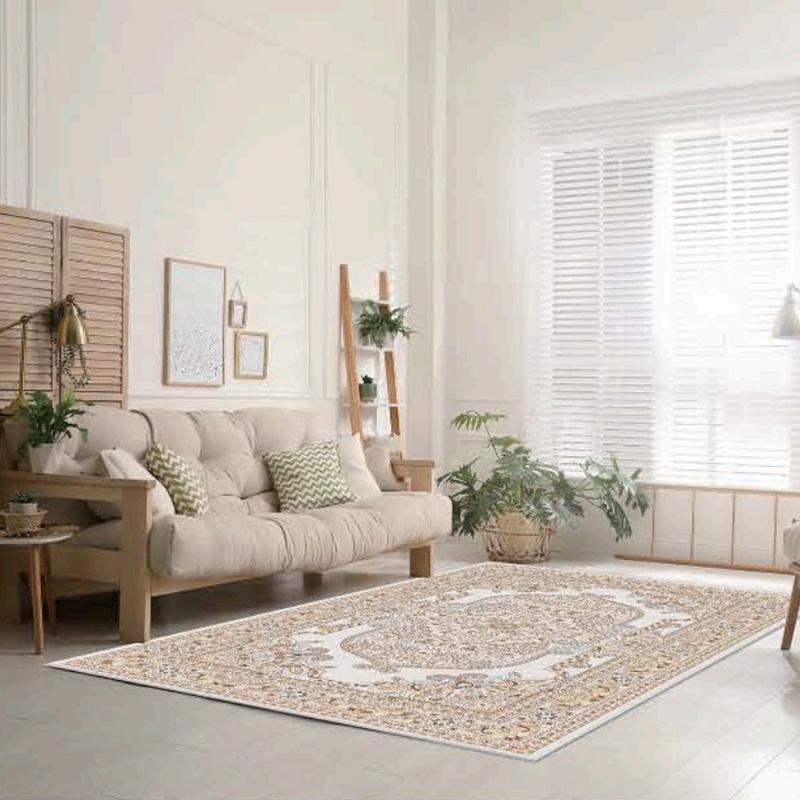
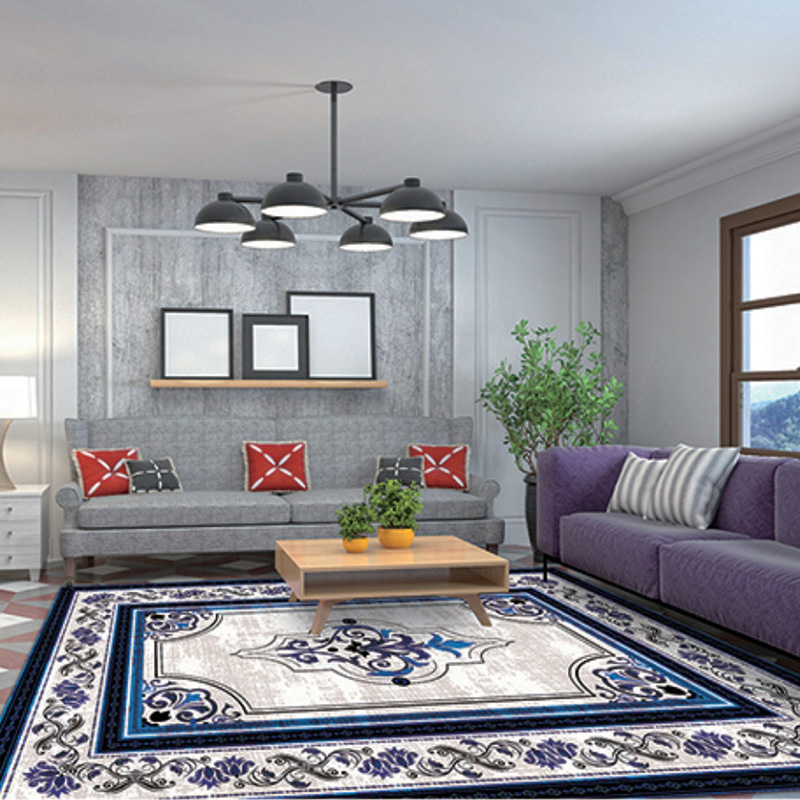
Another important aspect of living room rugs is their ability to define and organize space. In open-plan layouts, a rug can visually separate seating areas from dining or study sections, creating a sense of structure without the need for physical barriers. Proper rug placement enhances the flow of a room, guiding movement and offering clear boundaries that make the space feel more organized. In smaller homes, rugs can also create the illusion of a larger area by drawing attention to specific zones, while in larger spaces, multiple rugs can be used to create a layered, cohesive design that connects various furnishings.
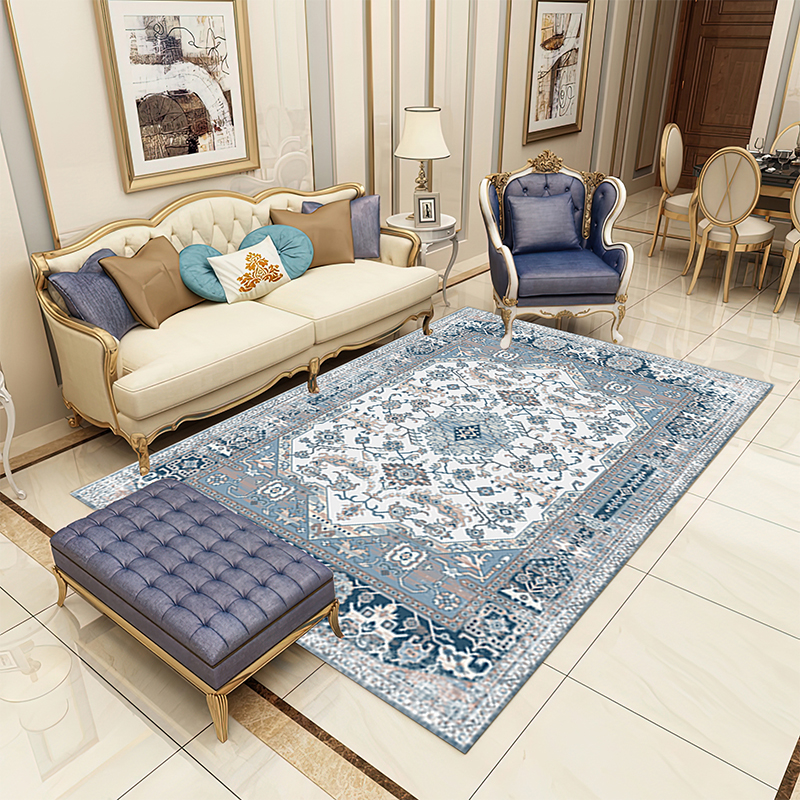
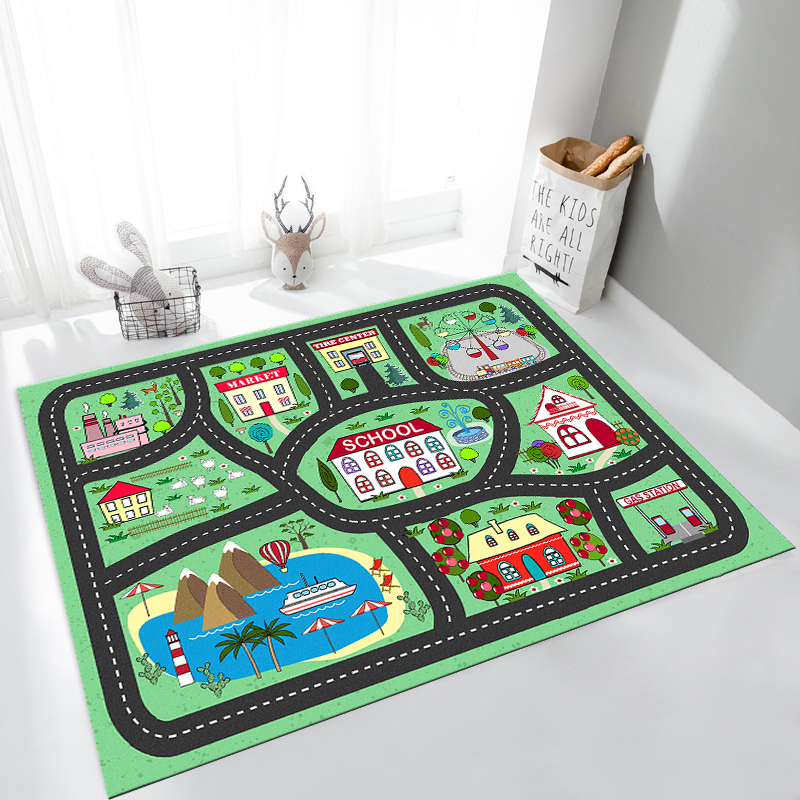
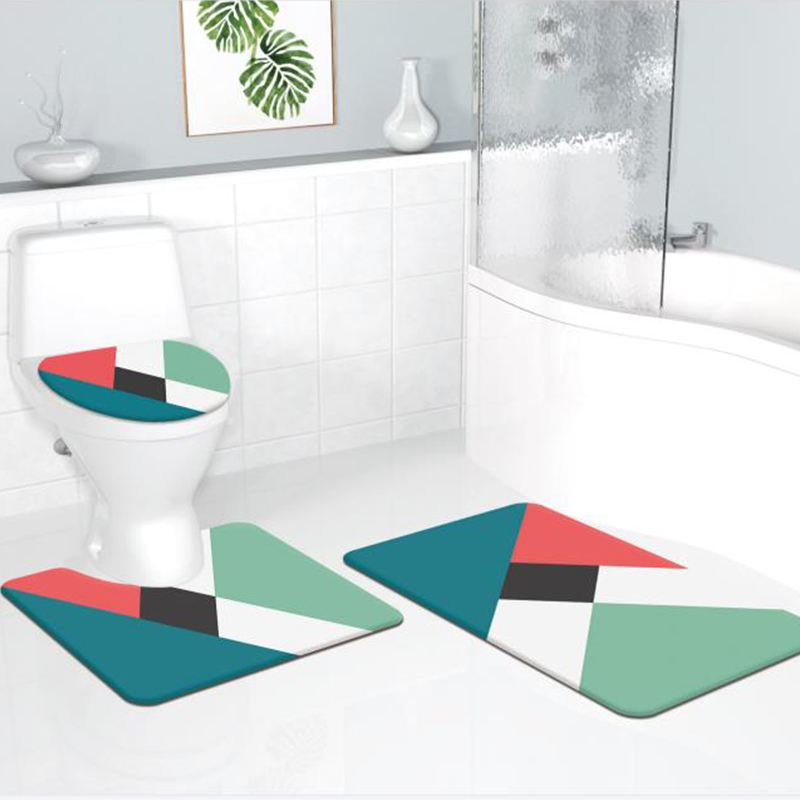
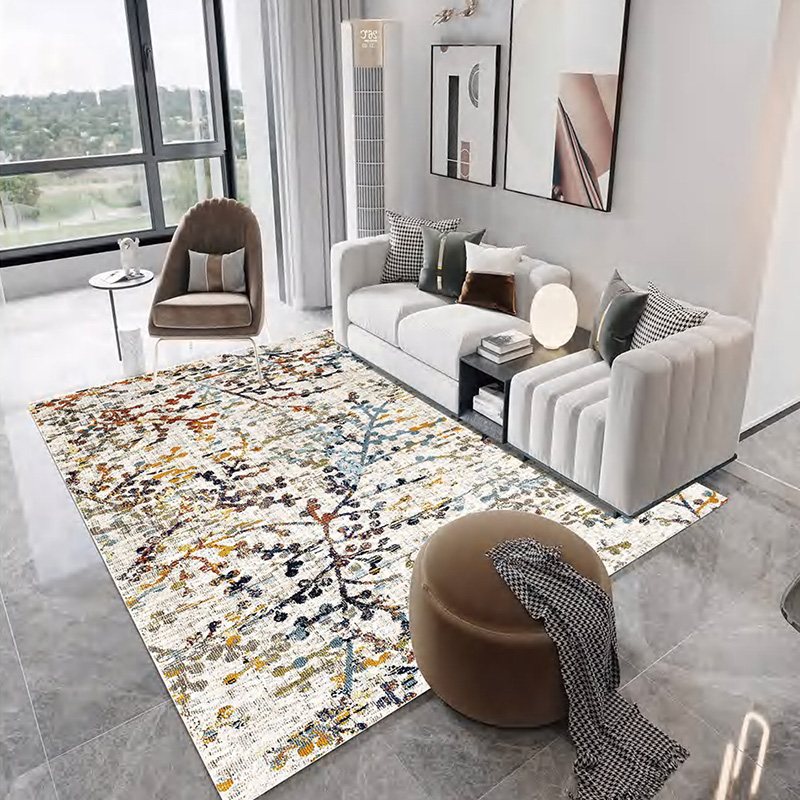
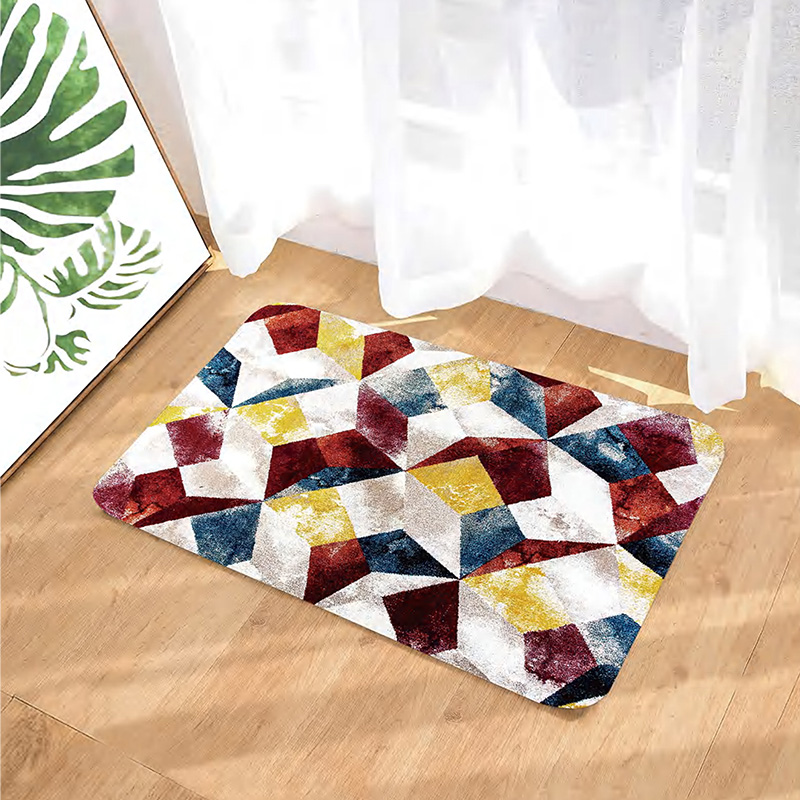
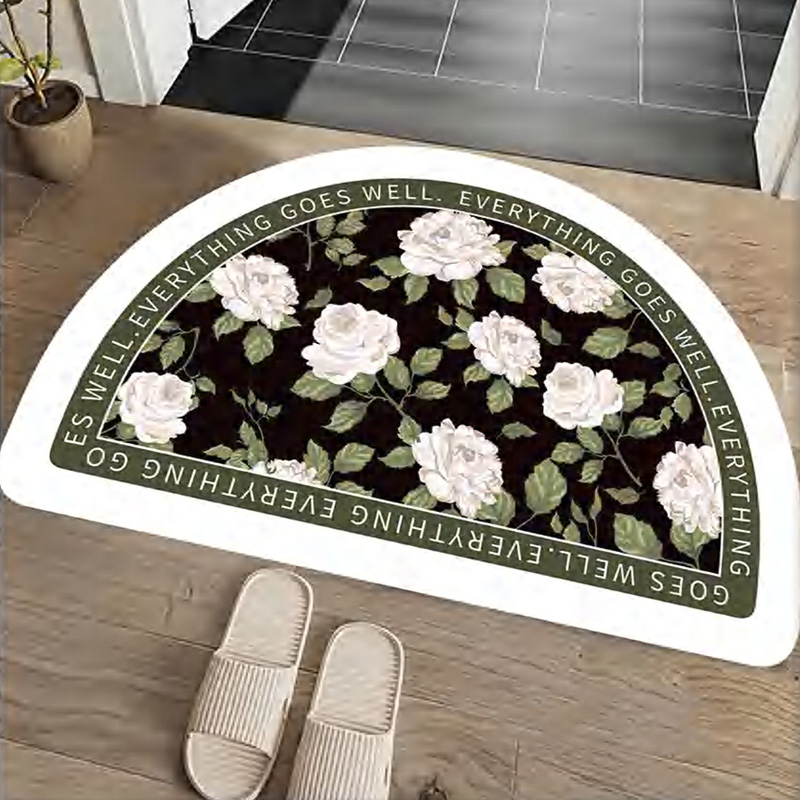
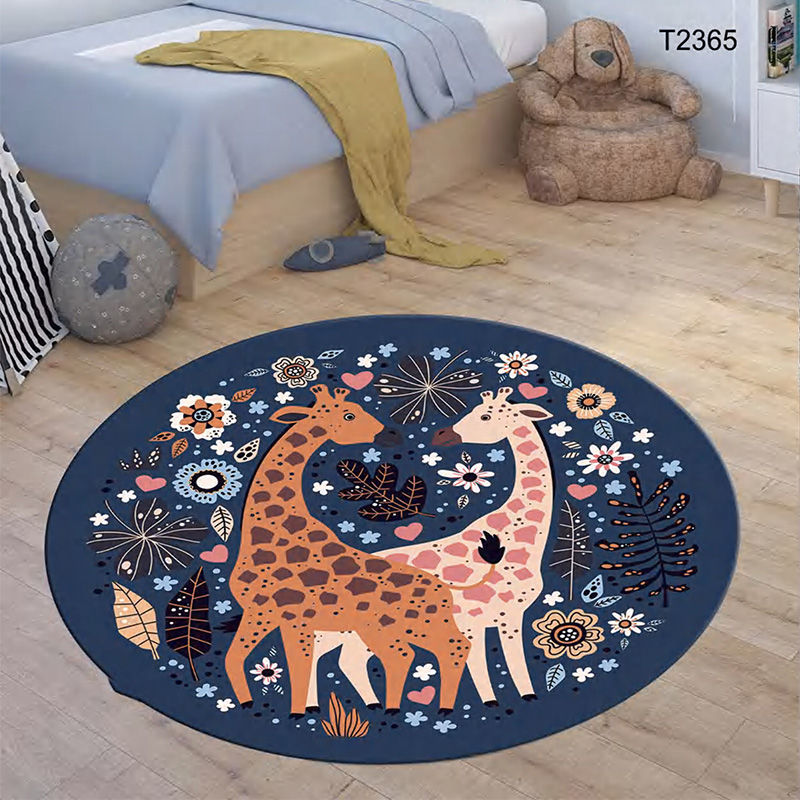
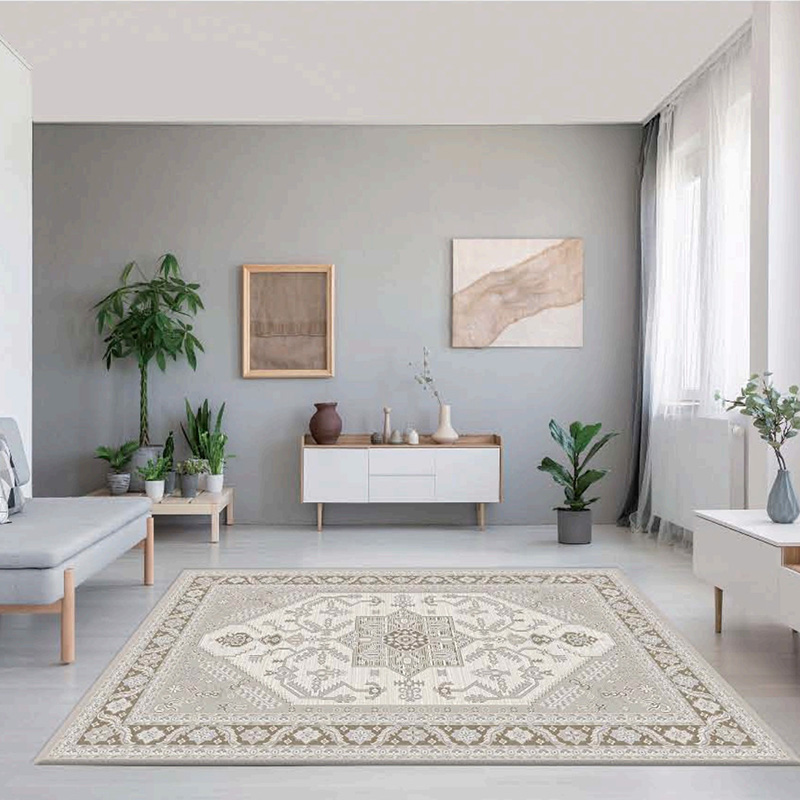
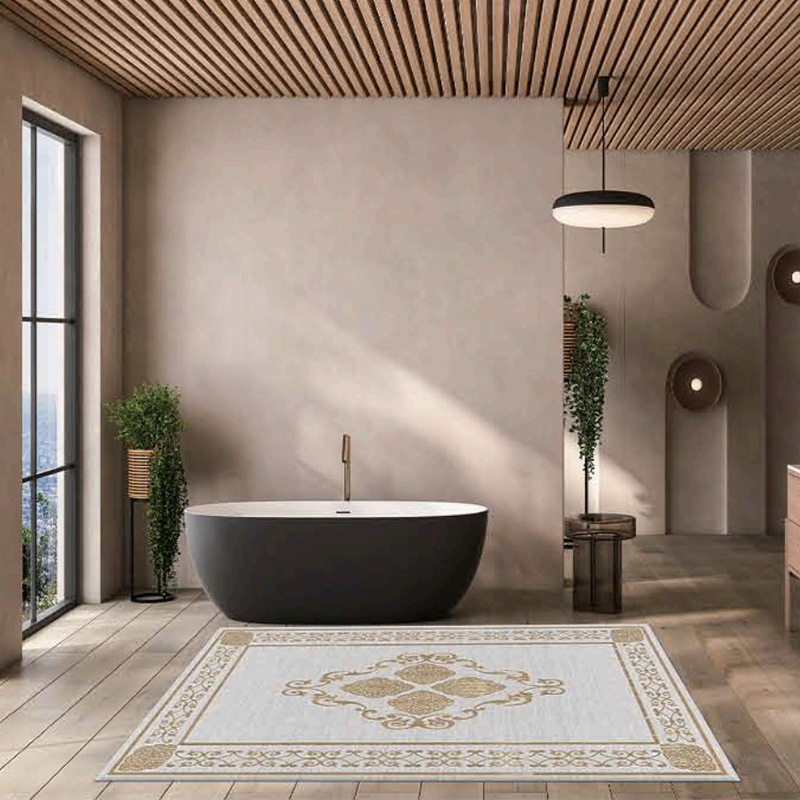
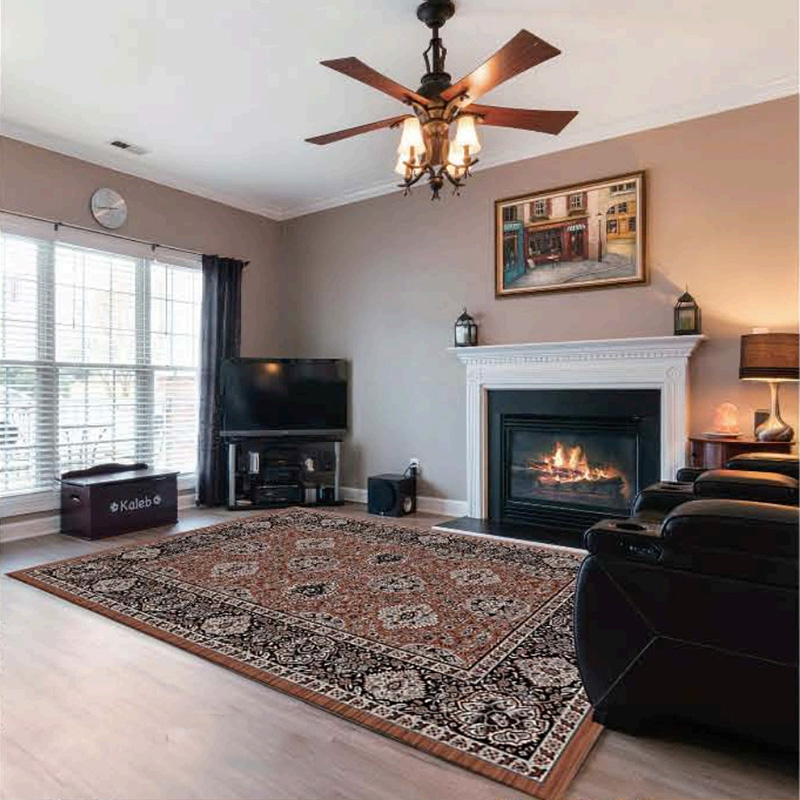
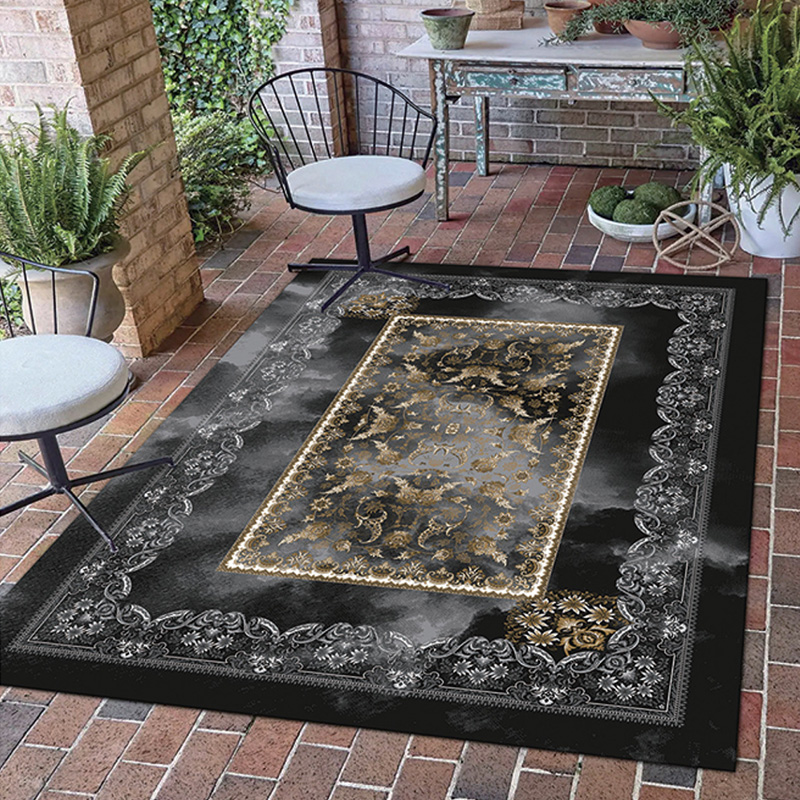
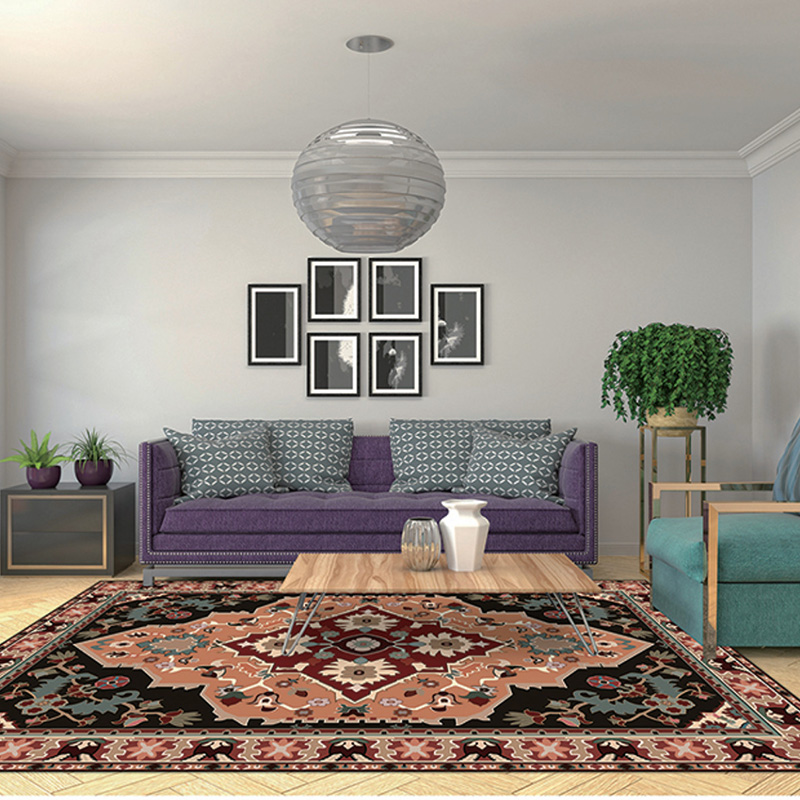
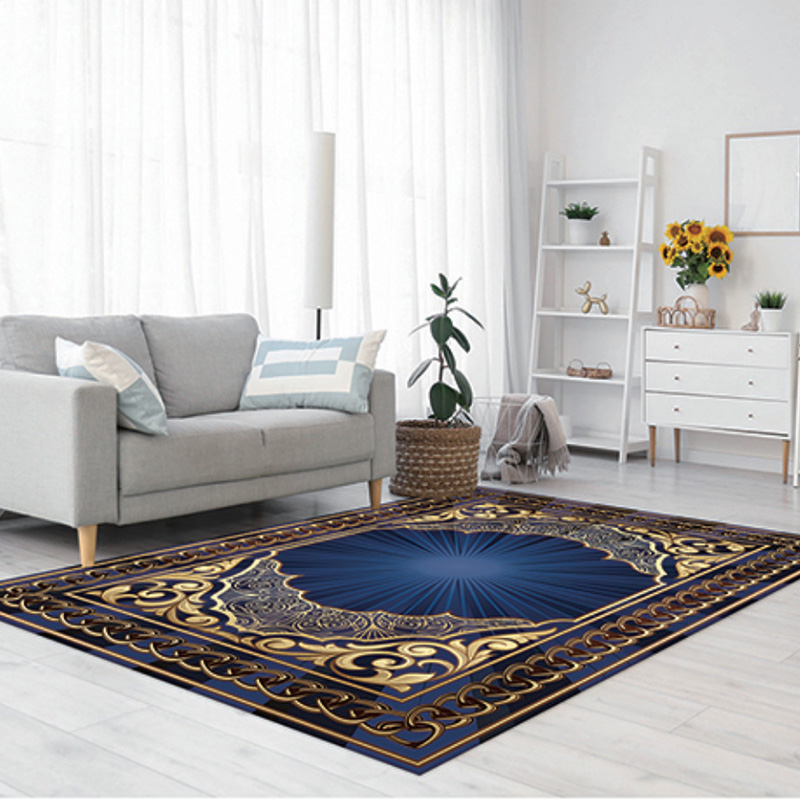
The style and design of living room rugs have evolved to reflect contemporary trends while retaining classic appeal. Modern rugs come in a wide range of colors, patterns, and textures, allowing homeowners to select options that align with their interior decor. Subtle, neutral tones can complement minimalist or Scandinavian-inspired interiors, while patterned rugs provide visual interest in more eclectic spaces. Rugs can serve as focal points or accent pieces, drawing attention to furniture arrangements or architectural features within the room. The diversity of rug designs ensures that every homeowner can find an option that fits personal taste and complements existing decor elements.
Maintenance and longevity are also important considerations when choosing a living room rug. Durable materials and well-constructed rugs can withstand daily use, including foot traffic and occasional spills. Many modern rugs are designed for easy cleaning, making it simpler for homeowners to maintain their appearance over time. Regular vacuuming and periodic professional cleaning help preserve the texture and color of the rug, ensuring it continues to enhance the living space for years. Selecting a rug with proper padding can also extend its life by reducing wear and preventing slipping, while adding an extra layer of comfort.
Living room rugs contribute to the acoustic quality of a home. Rugs help absorb sound, reducing echo and creating a quieter, more peaceful environment. This is especially beneficial in homes with hard flooring, where rugs can soften the sound of footsteps and other daily activities. By enhancing acoustics, rugs improve the overall experience of the living space, making it more suitable for relaxation, conversation, or entertainment.
Living room rugs offer a blend of practicality and design that makes them essential elements in modern homes. Their ability to transform the look and feel of a space, provide comfort underfoot, and improve acoustics demonstrates the multifaceted value of this home accessory. Homeowners can choose from a wide range of styles, materials, and sizes to suit individual needs and preferences, ensuring that every living room benefits from the presence of a carefully selected rug.