 0
0
 Language
  英语
英语 阿拉伯语
阿拉伯语 德语
德语
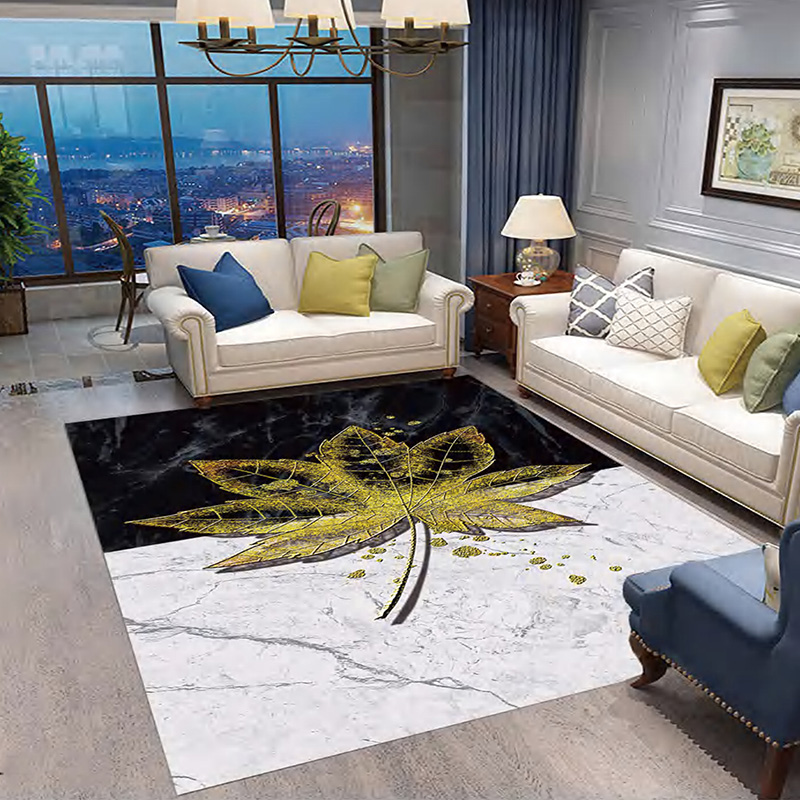
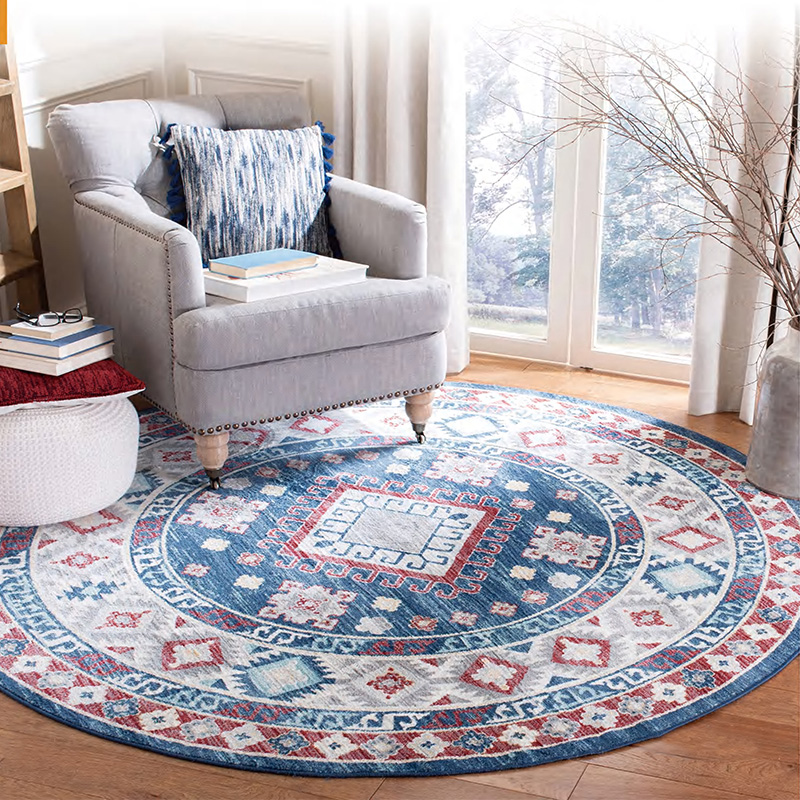
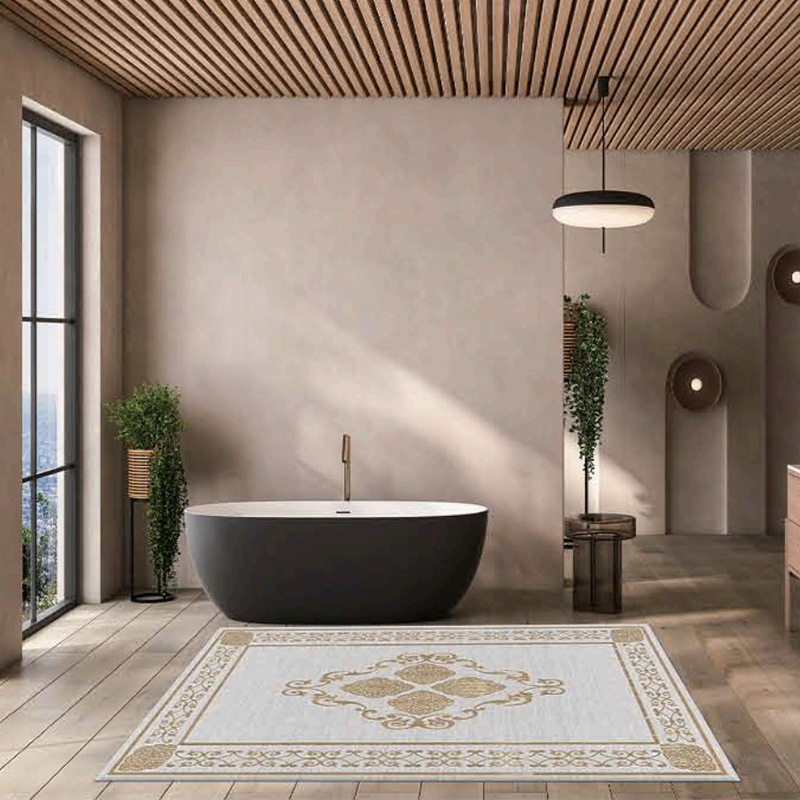
Oversized rugs have become a significant trend in modern interior design, offering a blend of style, comfort, and functionality. These large, statement pieces are making their way into living rooms, bedrooms, and even dining areas, transforming spaces with their bold presence.
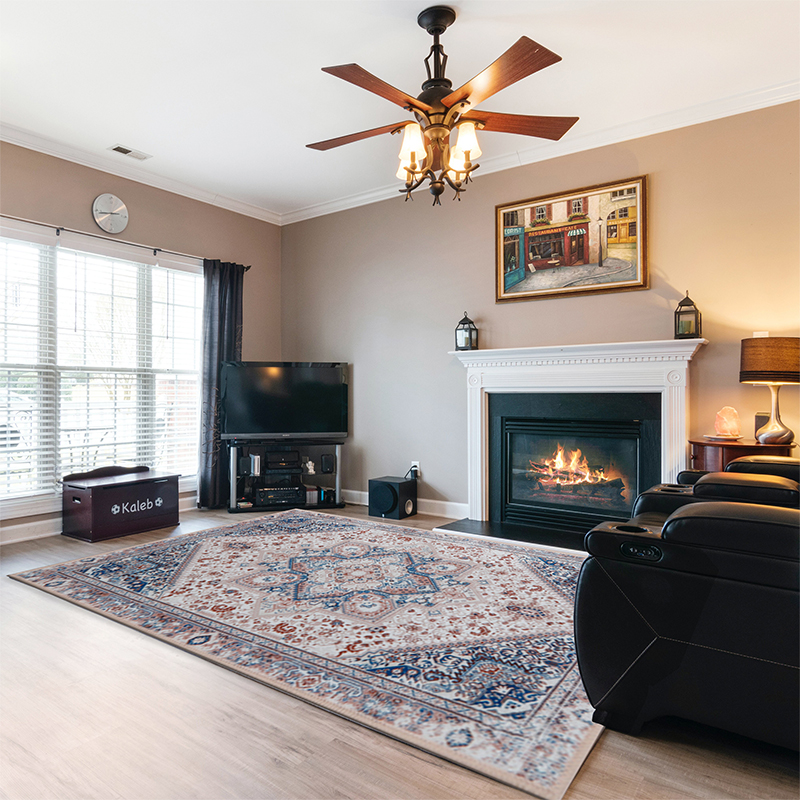
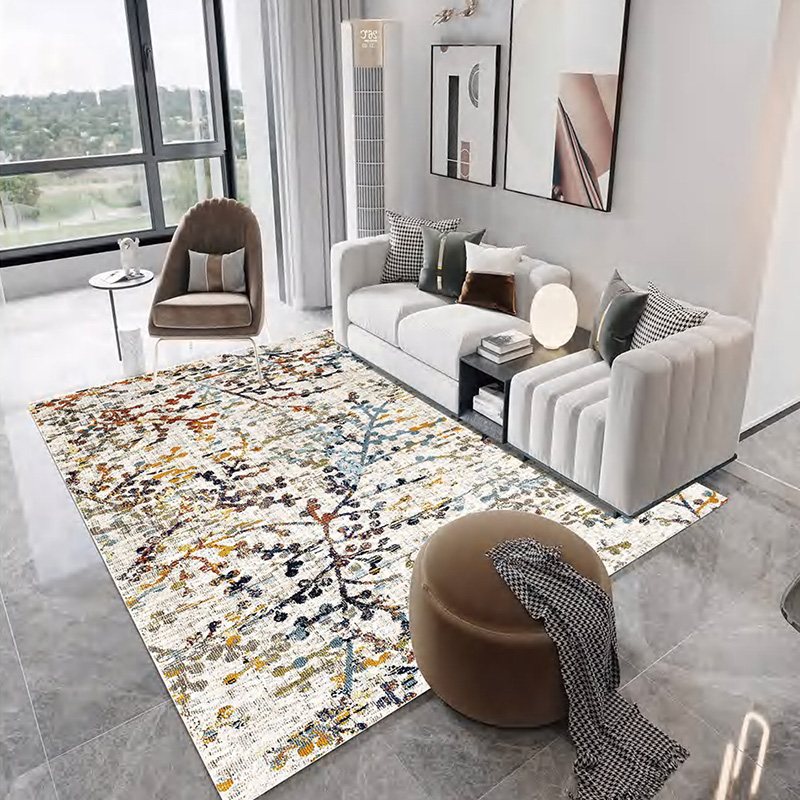
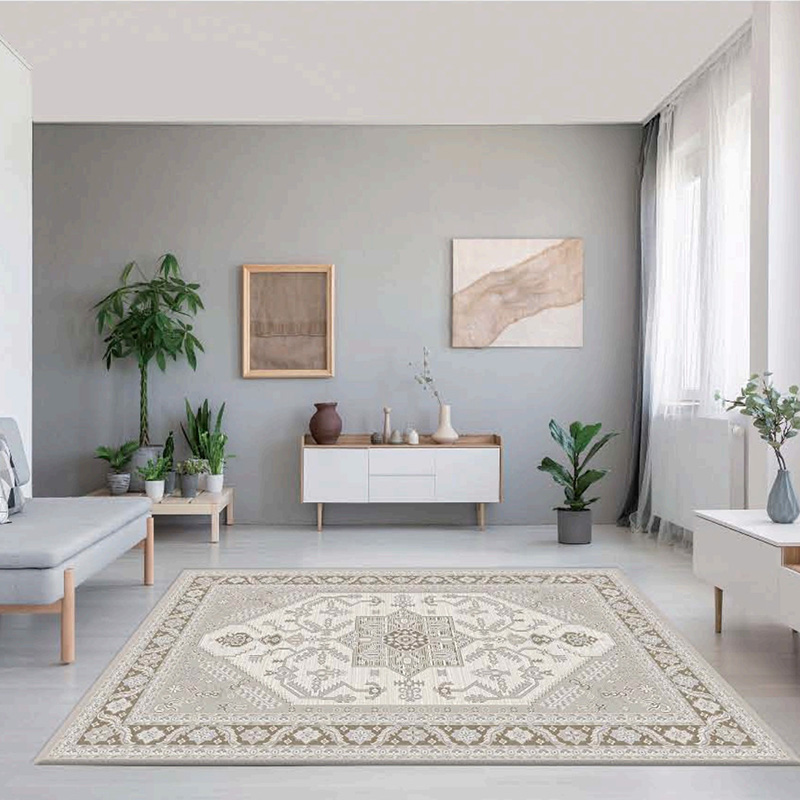
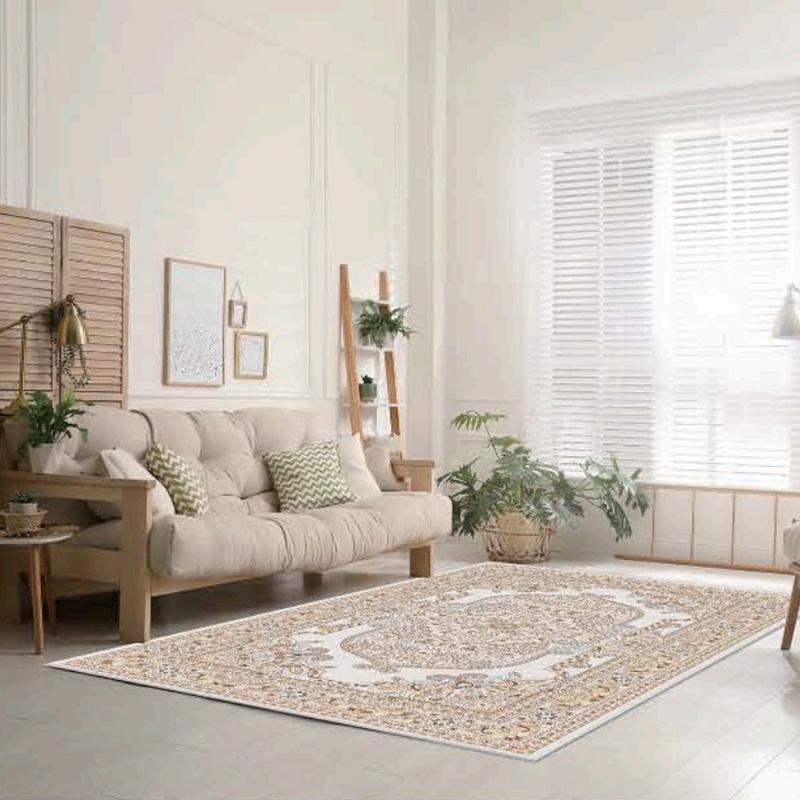
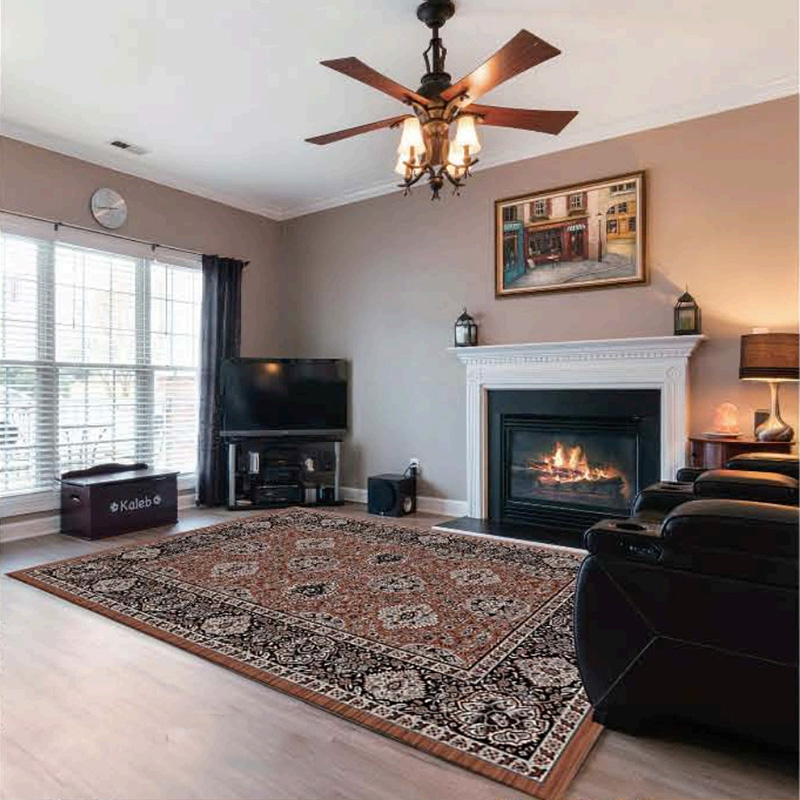
The oversized rug trend reflects a shift toward creating more expansive, cohesive, and comfortable living environments. In large open-plan homes, oversized rugs serve as a visual anchor, helping to define different areas within a room. They can separate the living area from the dining space or demarcate a cozy corner in an otherwise vast room. This use of rugs to establish boundaries within a space is especially popular in contemporary designs, where open floor plans are common.
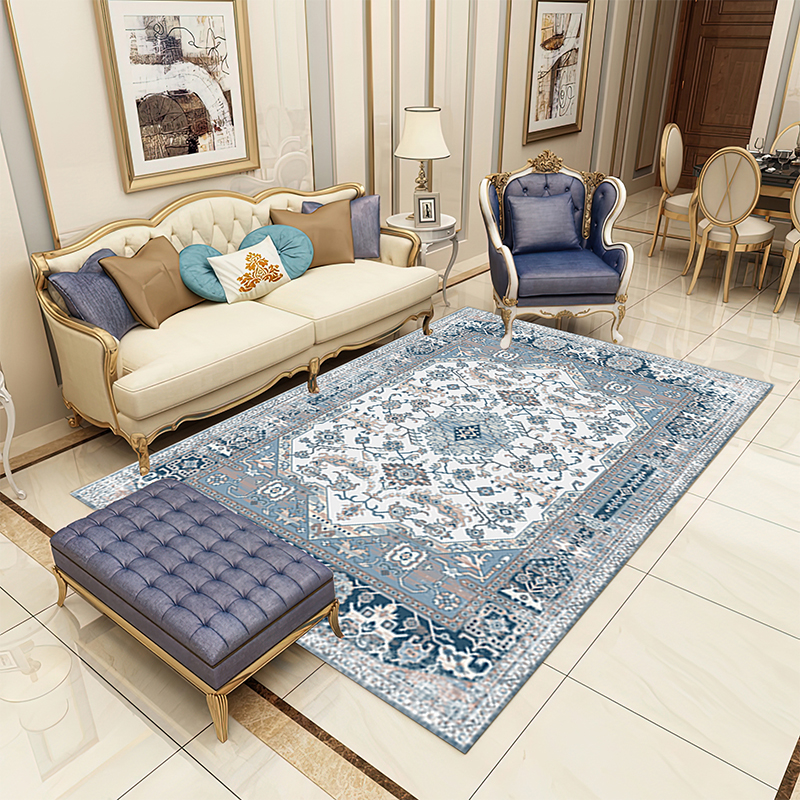
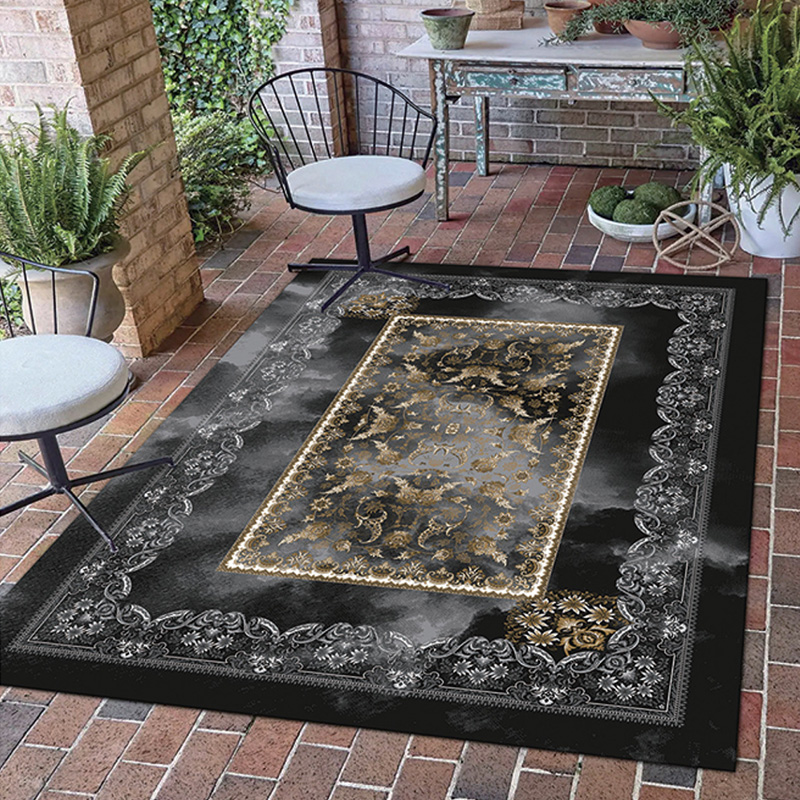
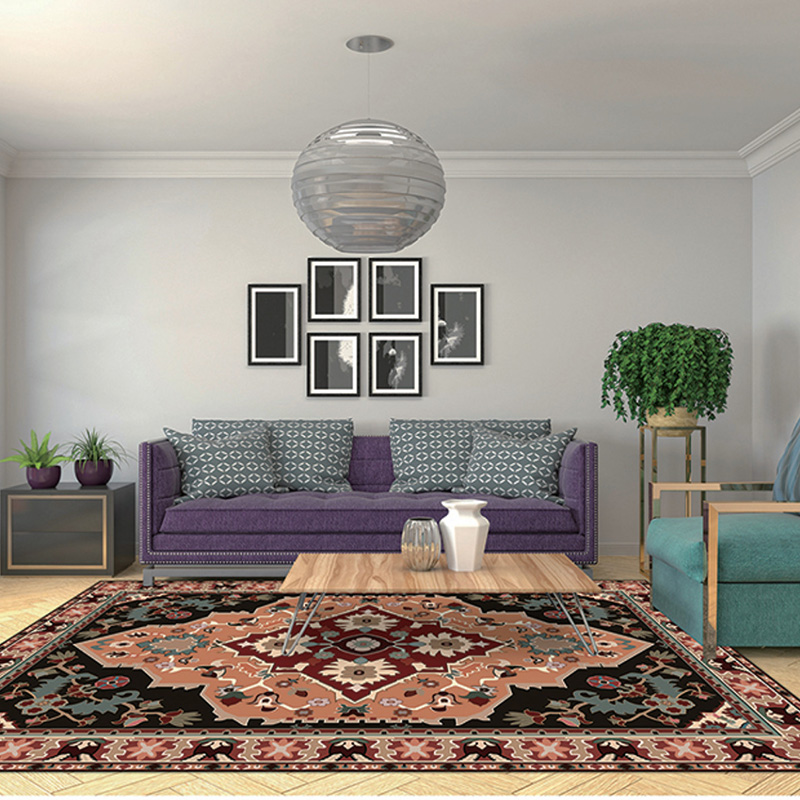
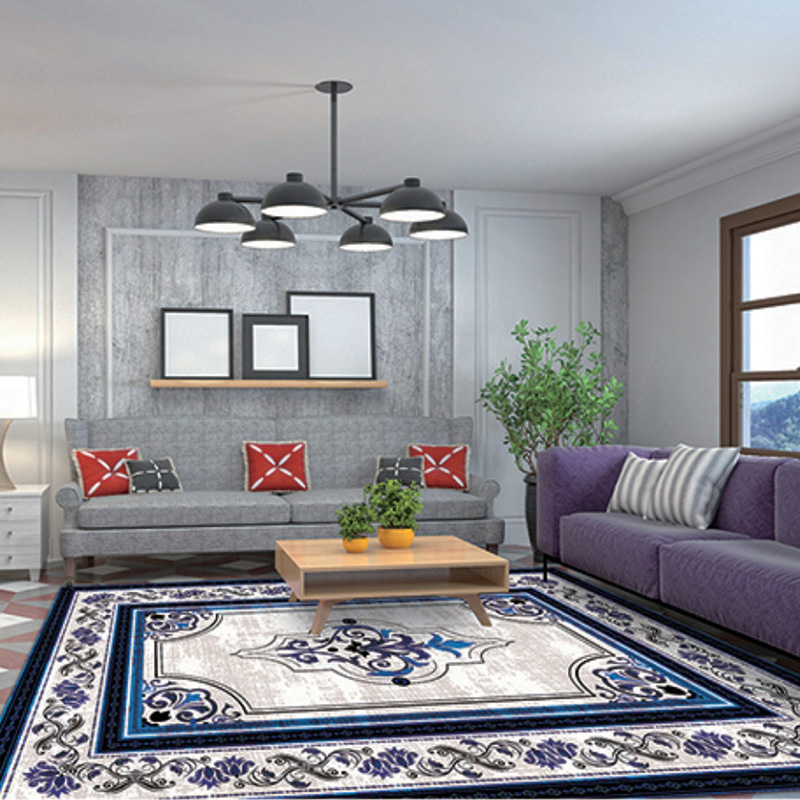
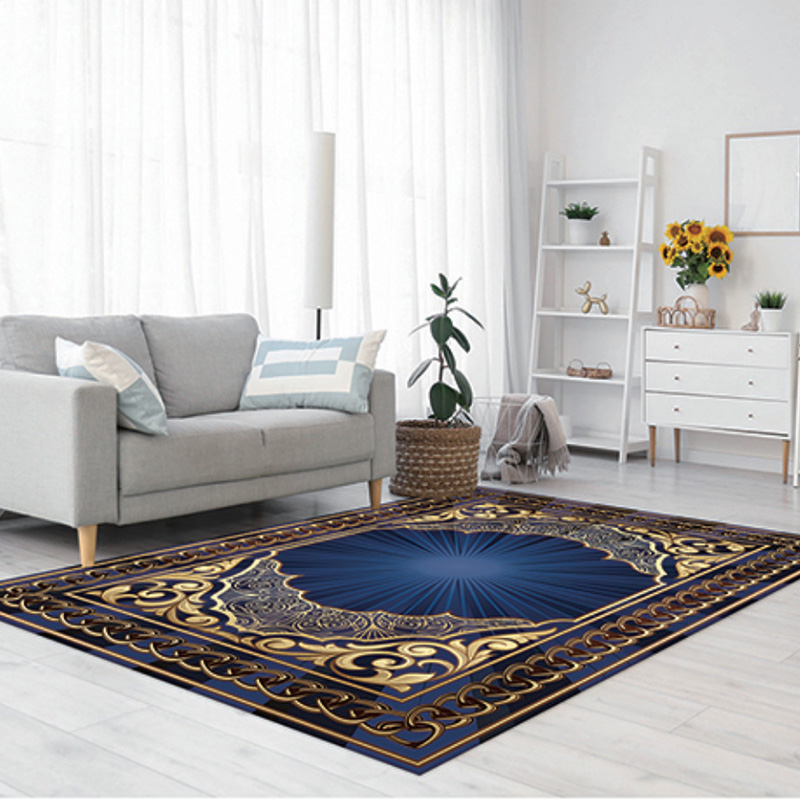
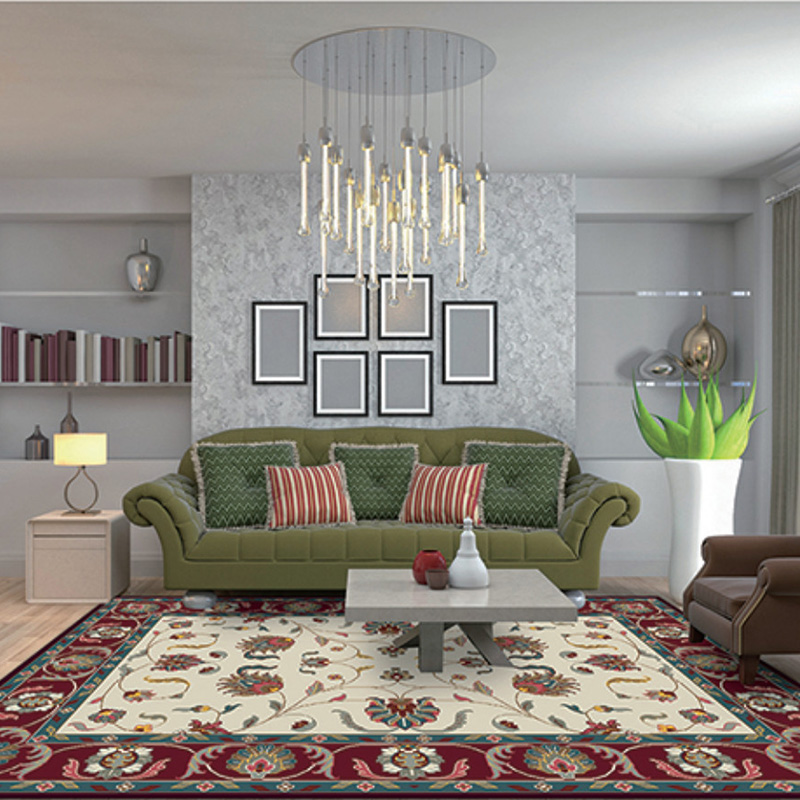
Beyond their functional benefits, oversized rugs offer significant aesthetic advantages. Their larger size allows for more intricate and bold patterns to shine. The scale of the rug allows these patterns to become a focal point, drawing attention and setting the tone for the entire space. In some cases, the rug’s design can even inspire the color palette and overall theme of the room, tying together furniture and decor elements.
Oversized rugs bring comfort and warmth to a space. Their larger surface area provides a soft and inviting feel underfoot, making them good for areas where people gather, such as living rooms or family rooms. The added warmth of a large rug can also help to reduce the chill of hardwood or tile floors, creating a more comfortable environment during colder months. The plush surface of an oversized rug encourages relaxation and comfort, making it a good choice for spaces meant for lounging and socializing.
When choosing an oversized rug, it’s important to consider both the size and placement to ensure it complements the room's layout. An oversized rug should be large enough to cover a significant portion of the floor but not so large that it overwhelms the space. In living rooms, for example, a rug should typically be large enough to fit under the front legs of furniture pieces, such as sofas and chairs, to create a unified look. In dining areas, a rug should extend beyond the edges of the table to accommodate chairs and prevent them from sliding off the mat when pulled out.
The material of the oversized rug is another important consideration. Rugs come in a variety of materials, from natural fibers like wool and cotton to synthetic options such as polyester and nylon. Wool rugs, for instance, are known for their durability and soft texture, making them ideal for high-traffic areas. Synthetic rugs, on the other hand, may offer more affordability and are often easier to clean, making them a practical choice for families with children or pets. The right material will depend on your lifestyle, the level of foot traffic in the room, and your personal preferences for texture and durability.
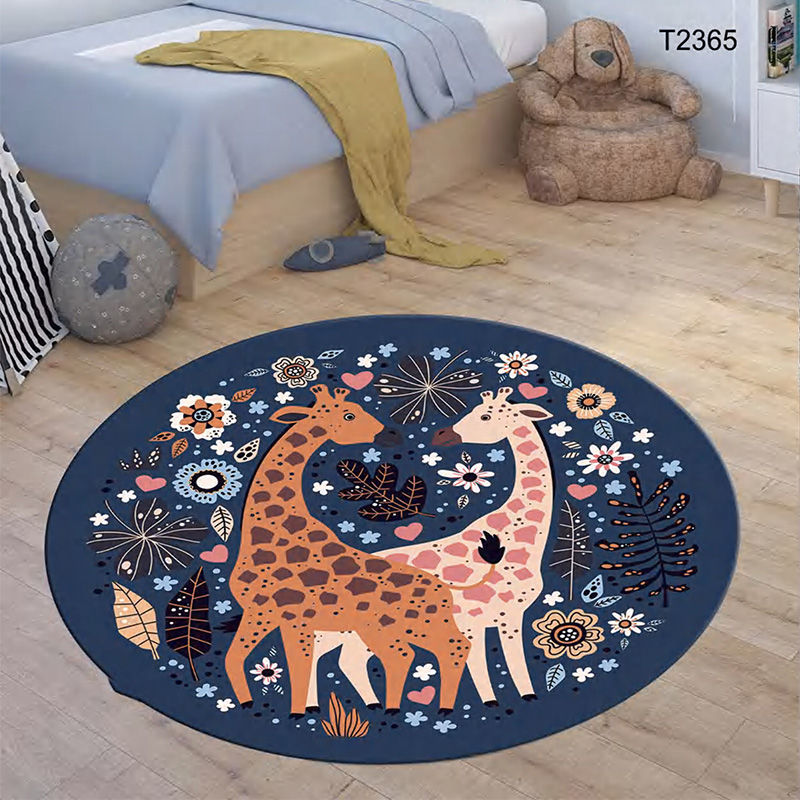
The versatility of oversized rugs extends beyond the living room. They are increasingly being used in bedrooms, dining rooms, and even home offices. In the bedroom, an oversized rug can be placed under the bed, creating a soft and luxurious surface to step onto each morning. In dining rooms, a large rug can help to define the dining area and make the space feel more intimate. Even in home offices, oversized rugs can add a touch of warmth and elegance, making the workspace more inviting and comfortable.