 0
0
 Language
  英语
英语 阿拉伯语
阿拉伯语 德语
德语
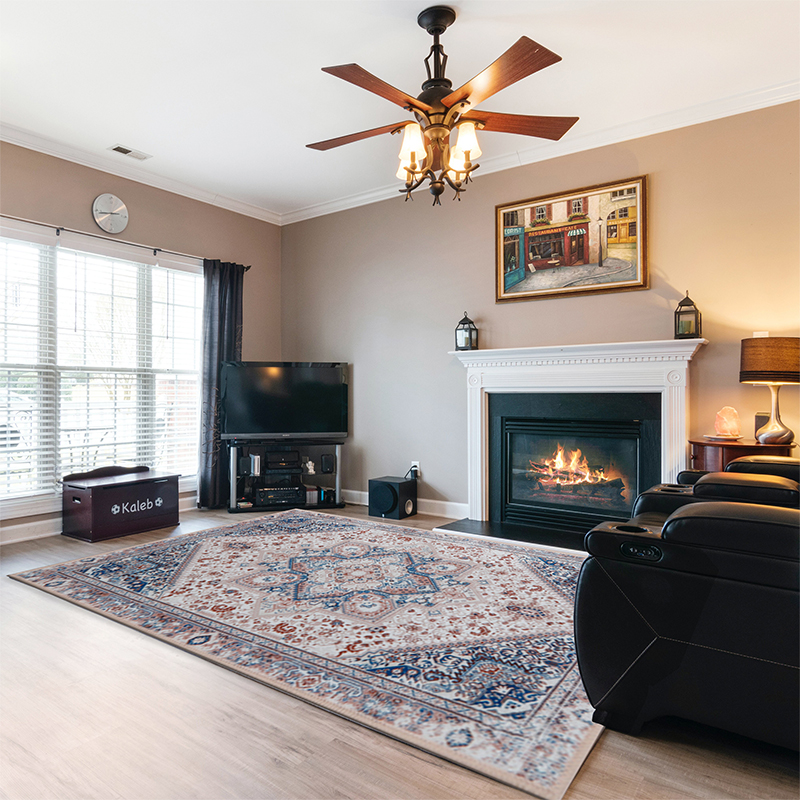
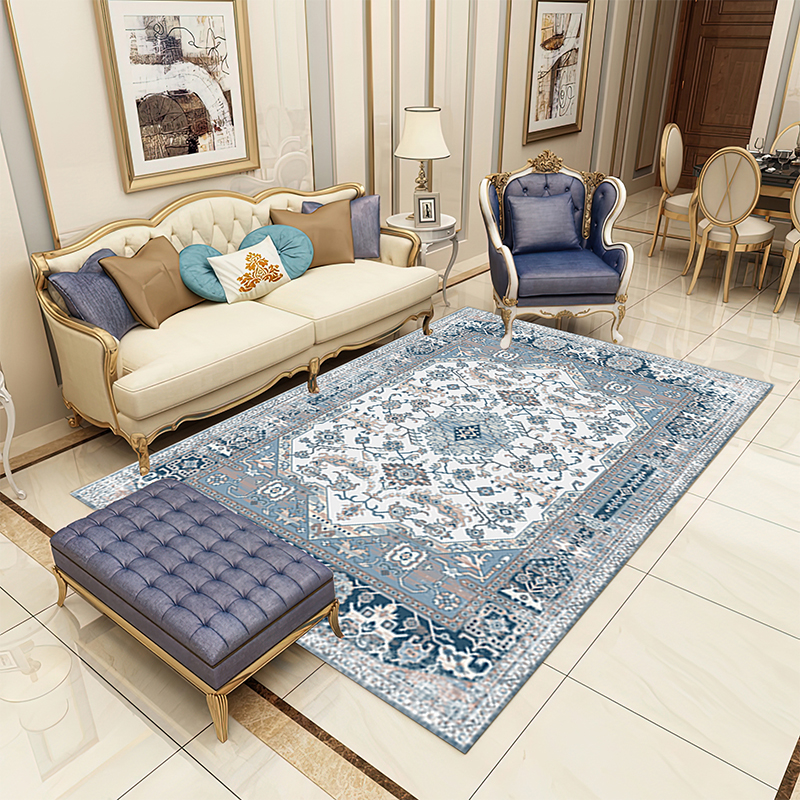
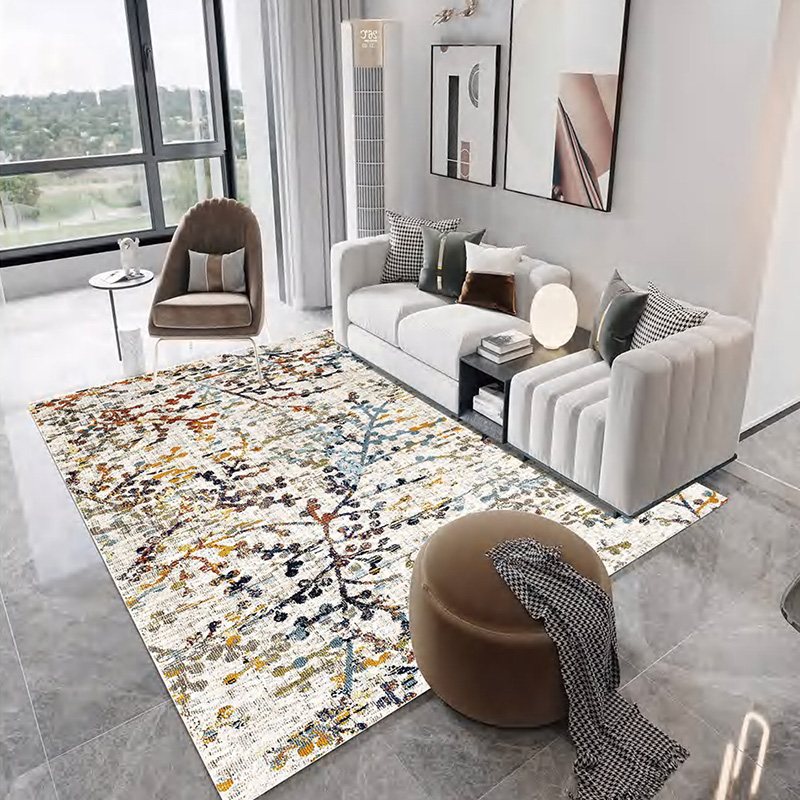
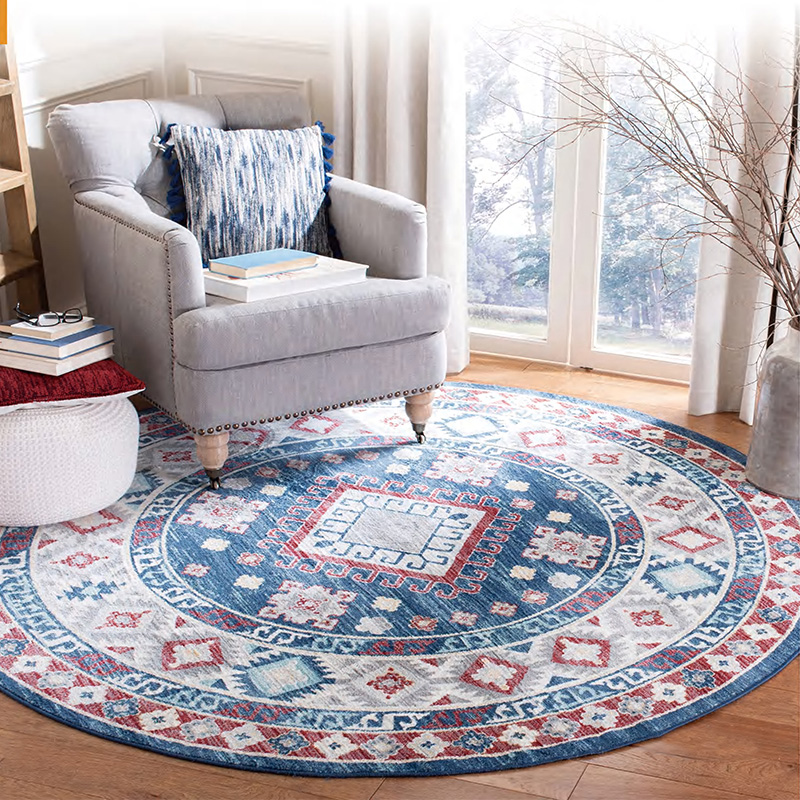
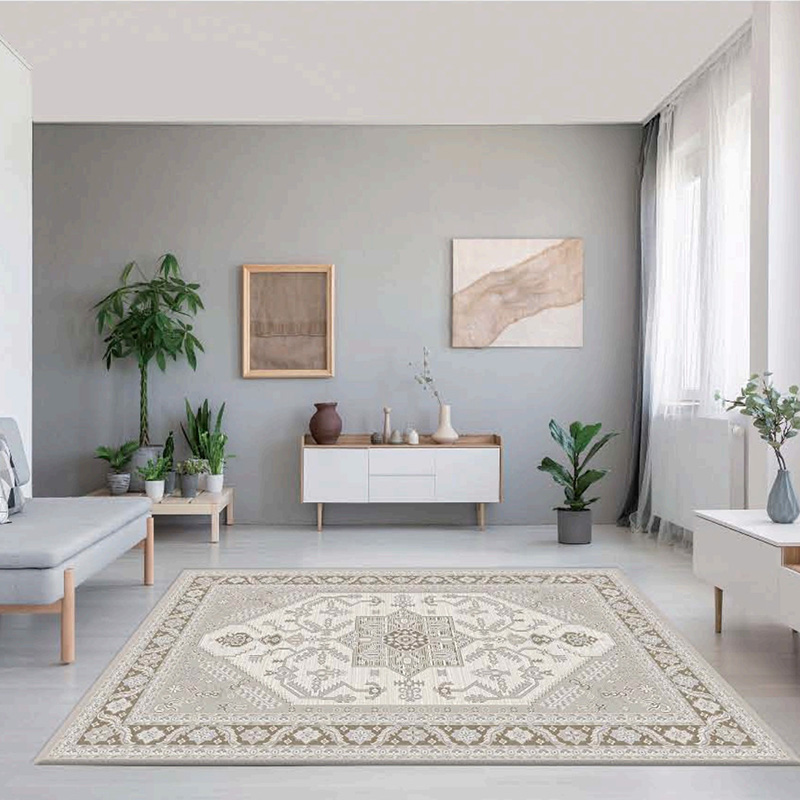
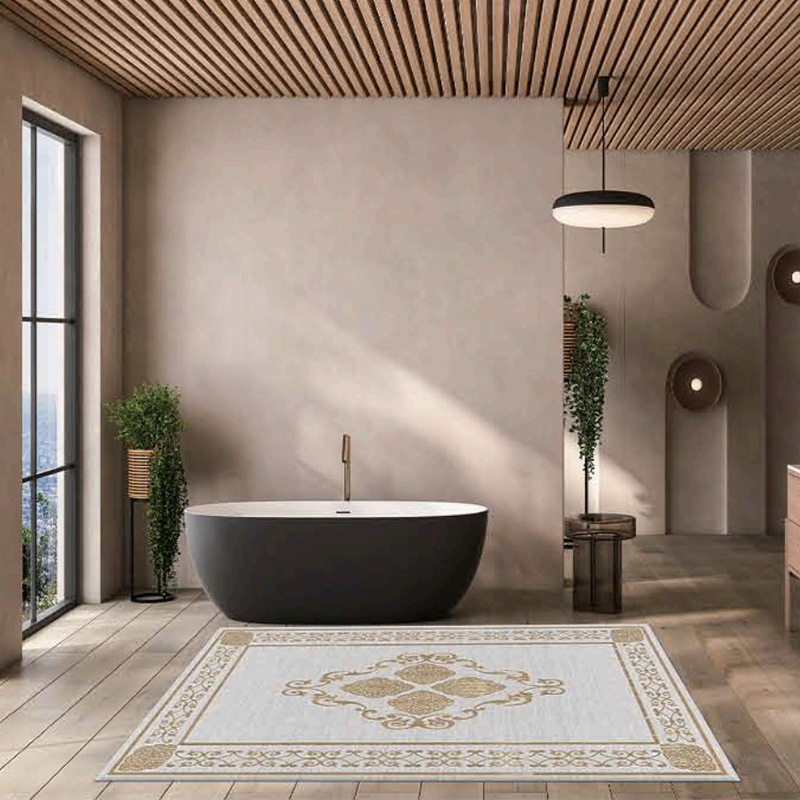
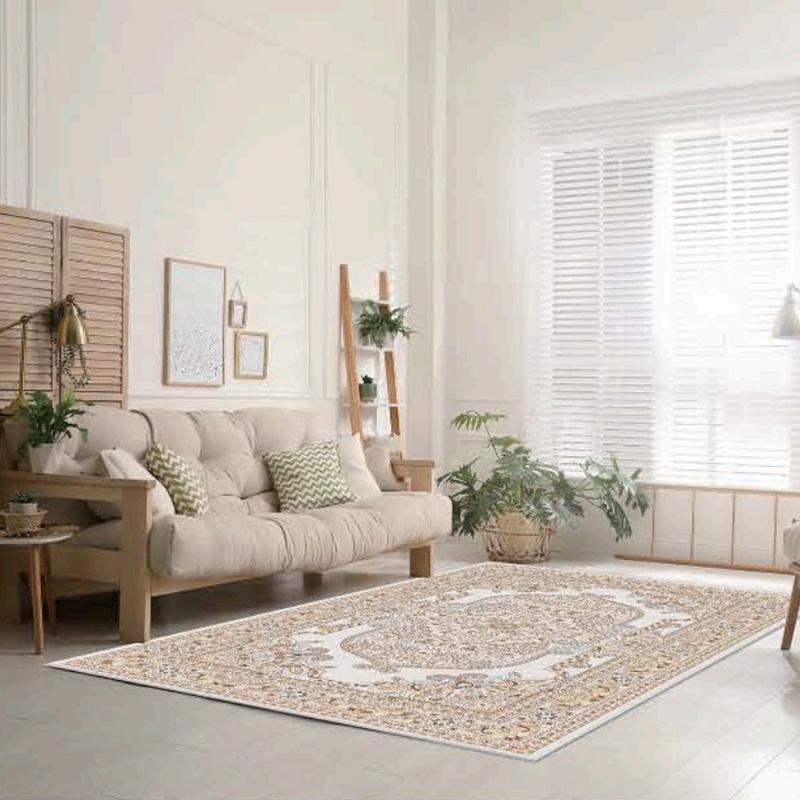
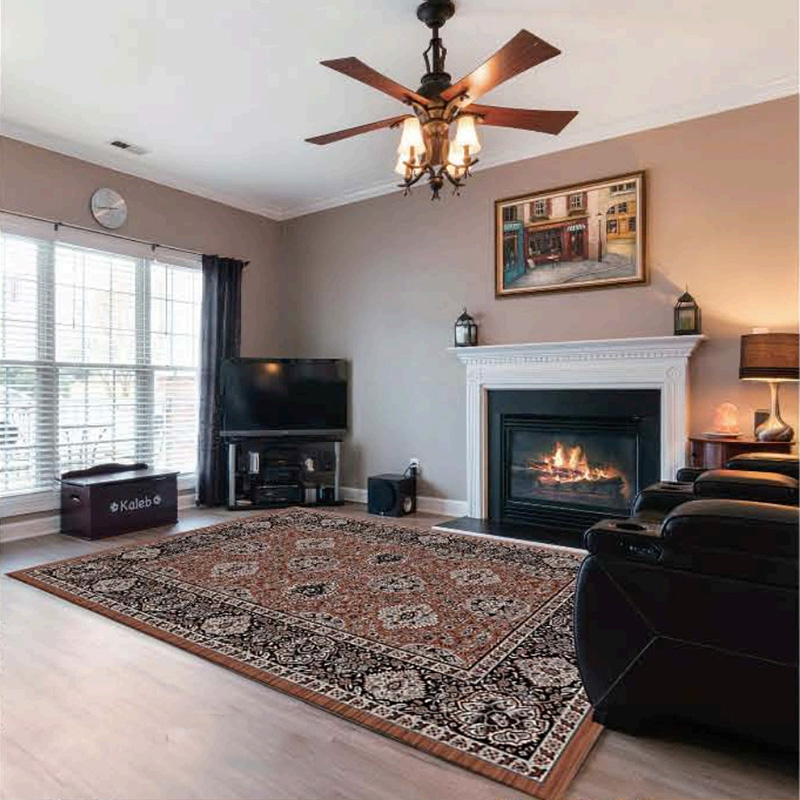
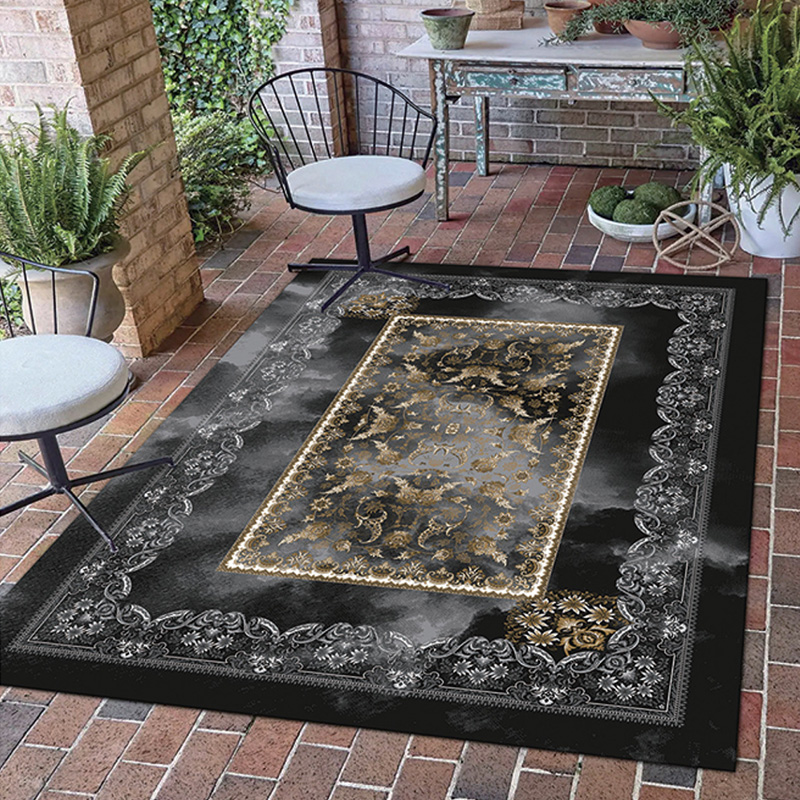
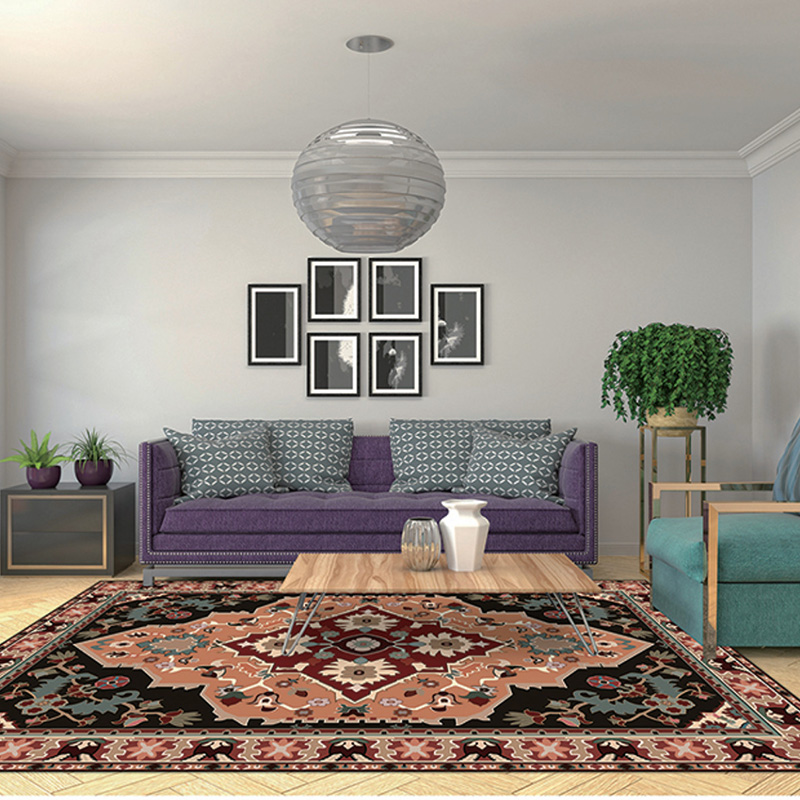
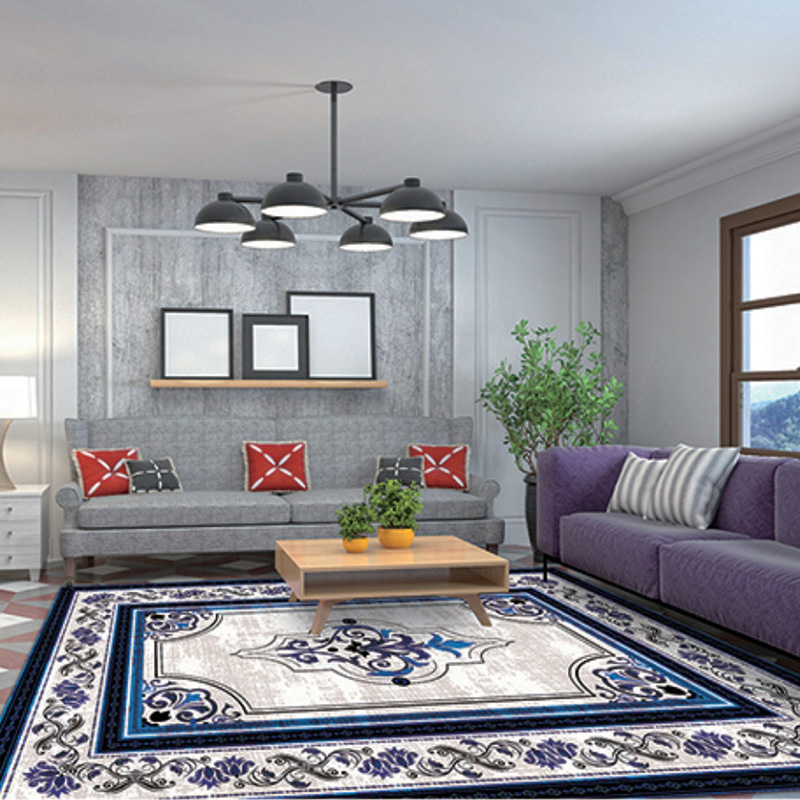
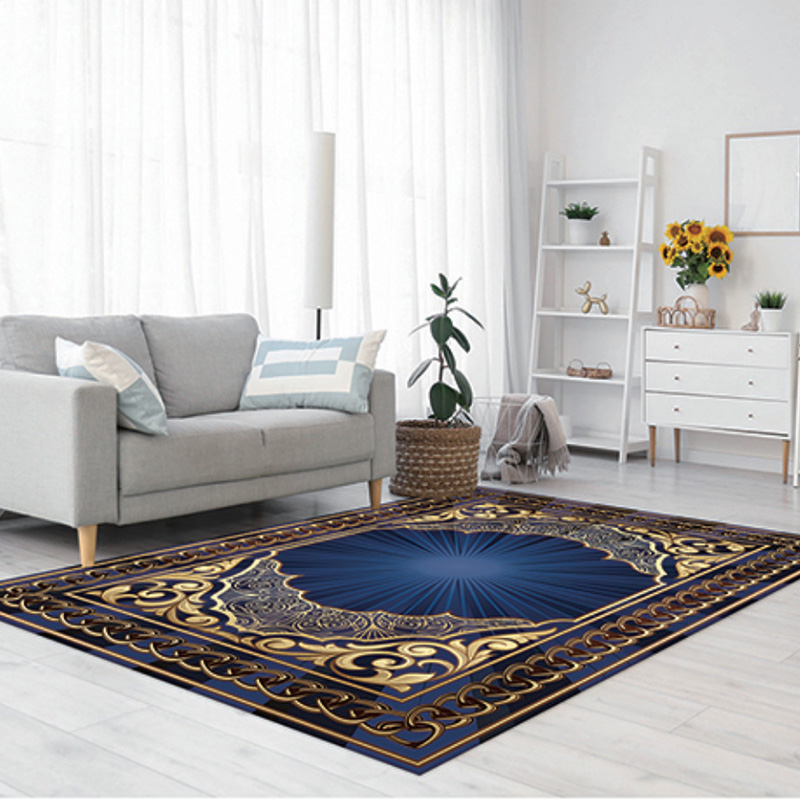
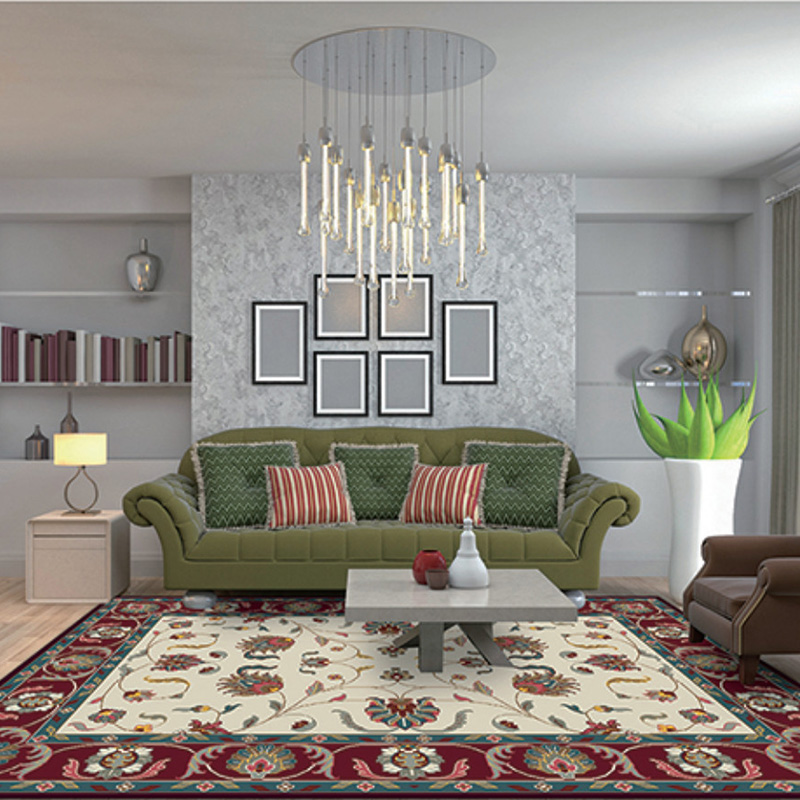
Living room rugs are versatile home accessories that provide both functional and decorative benefits in residential spaces. Placed under furniture, seating areas, or open floor spaces, these rugs create a defined area within a room, adding visual interest while also offering a soft surface to walk or sit on. Rugs can help anchor furniture layouts, making living rooms feel more organized and comfortable. With various sizes, shapes, and textures available, homeowners can select rugs that complement interior styles, from traditional and modern to casual and eclectic.
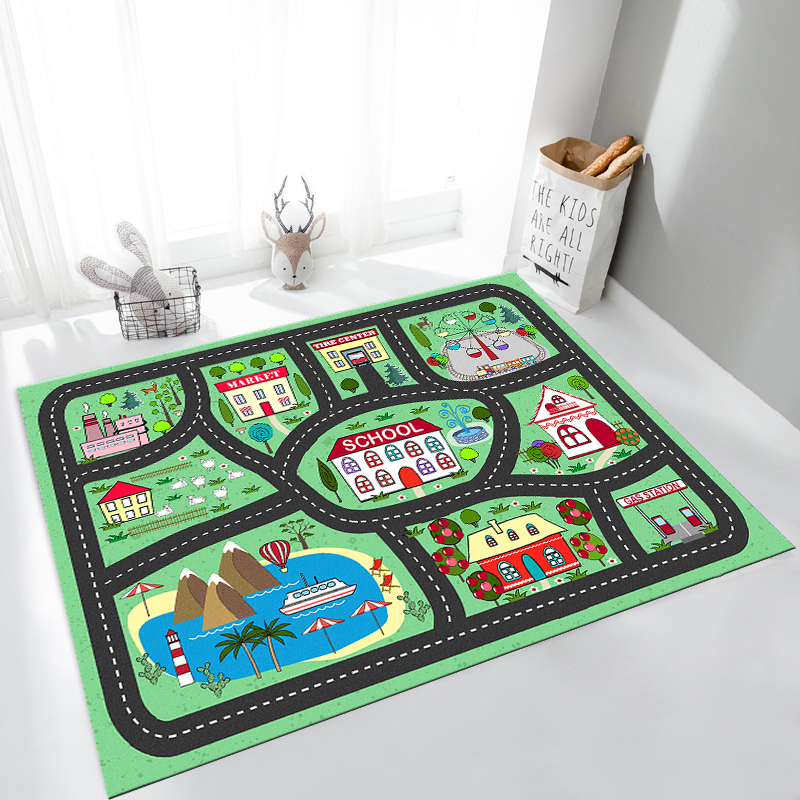
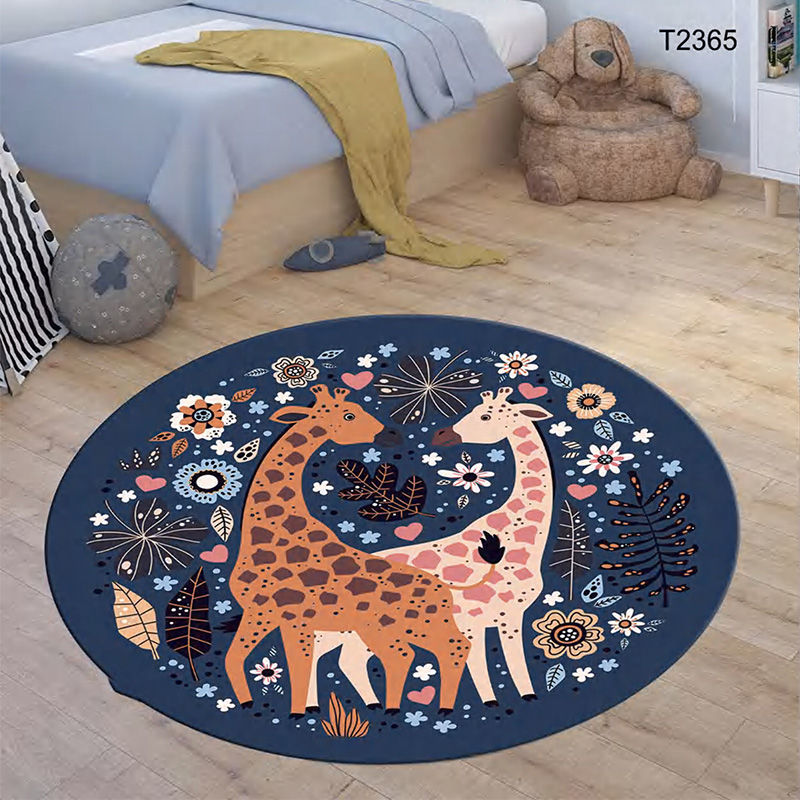
One of the primary advantages of living room rugs is the comfort they offer. Rugs made from materials such as wool, cotton, or synthetic fibers provide cushioning underfoot, reducing fatigue when walking or standing. For households with children or pets, rugs create a safe and comfortable play area, adding a layer of insulation against hard floors. Pile height and density influence the feel; higher-pile rugs offer plush softness, while low-pile or flat-weave options provide easier maintenance and mobility for furniture.
Living room rugs also contribute to noise reduction in homes. The textile fibers absorb sound from footsteps, conversations, or movement, making the room quieter and more pleasant. This feature is particularly useful in apartments, multi-level homes, or open-concept spaces where sound control enhances comfort and usability. Additionally, rugs protect flooring surfaces from wear, scratches, and minor spills, extending the lifespan of hardwood, laminate, or tile floors.
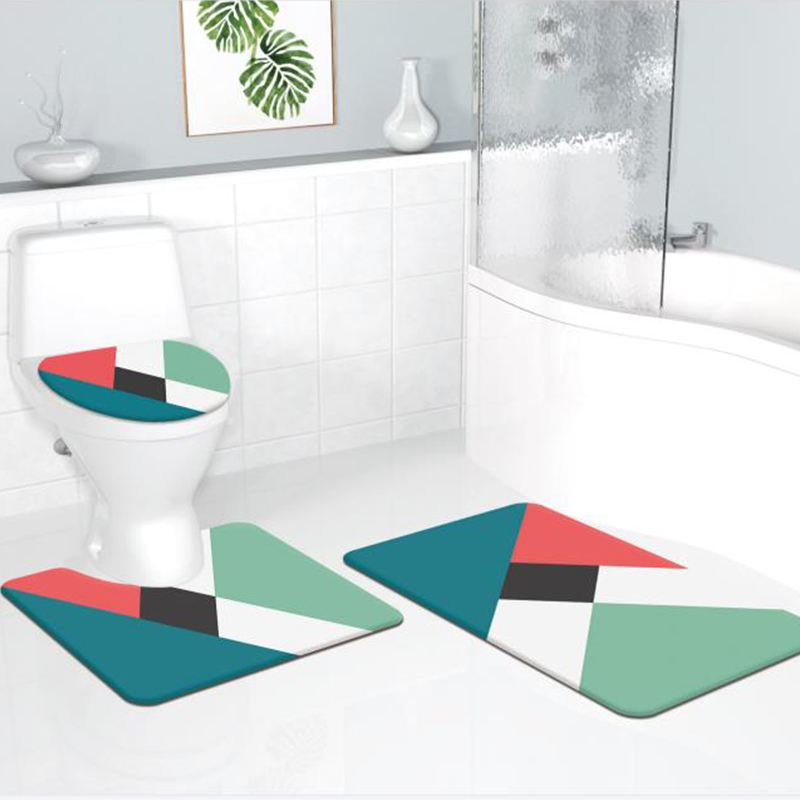
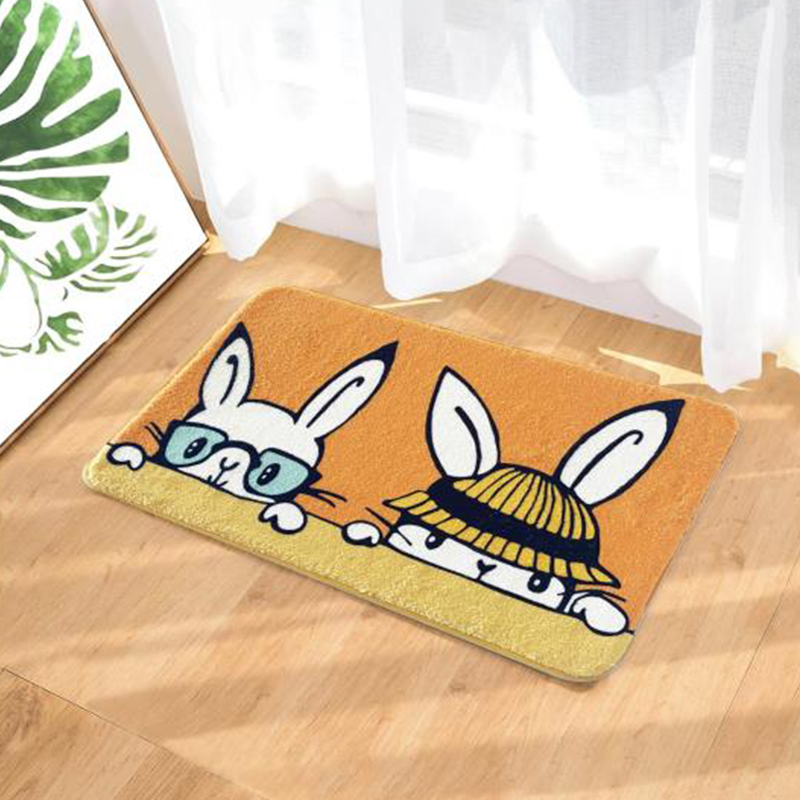
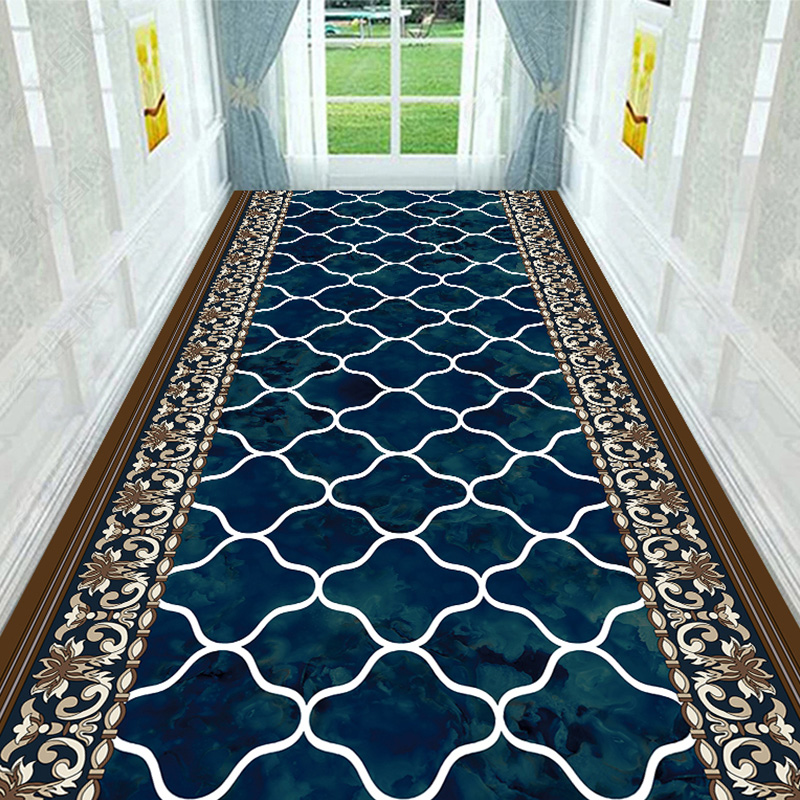
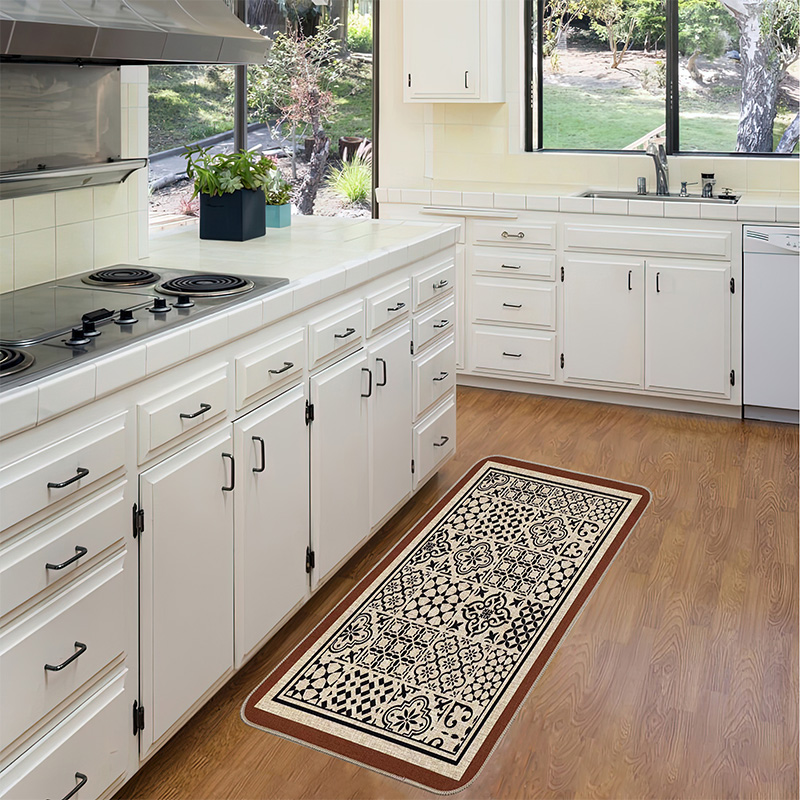
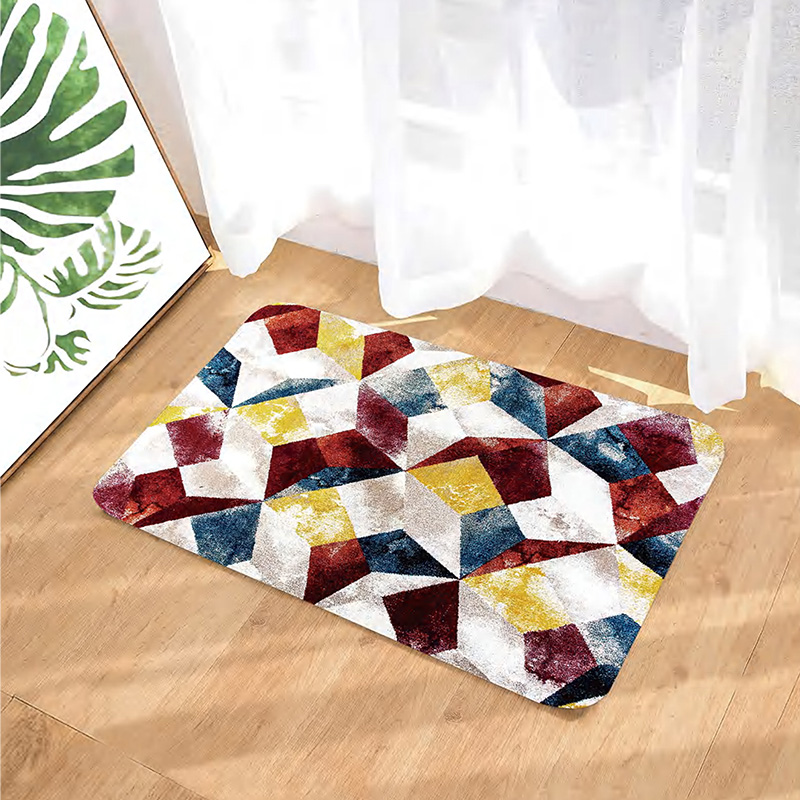
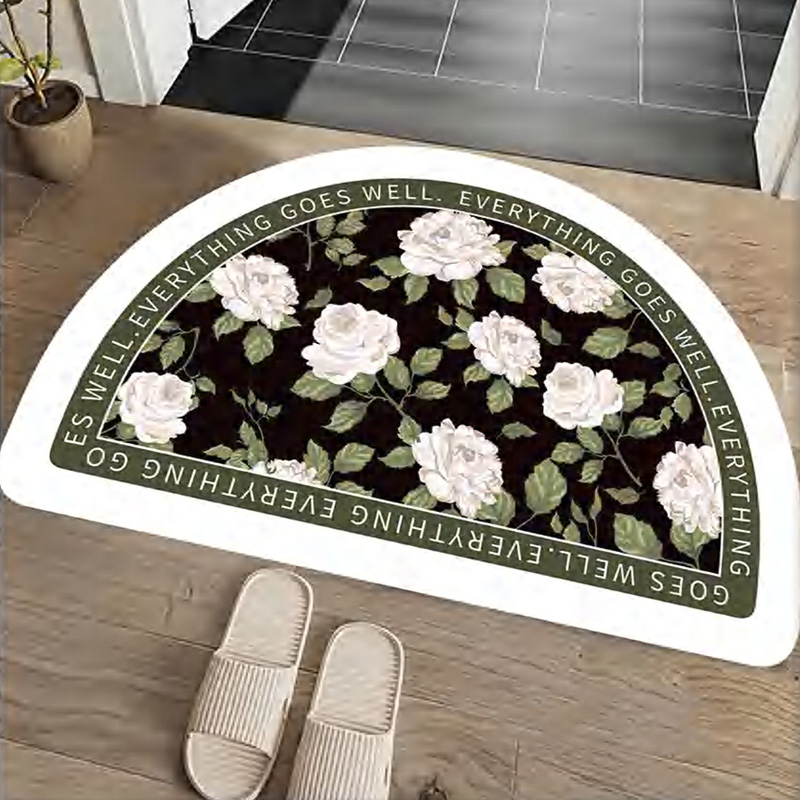
A wide array of design options allows living room rugs to serve as focal points or subtle enhancements. Patterns, colors, and textures can coordinate with furniture, curtains, or decorative accents, tying the room’s aesthetic together. Geometric prints, abstract designs, and traditional motifs give homeowners the ability to personalize their living space, while solid colors or neutral tones provide versatile backdrops for other decorative elements. Seasonal or themed rugs can also be swapped out to refresh the room’s appearance without extensive remodeling.
Maintenance of living room rugs varies depending on material and construction. Many rugs are vacuum-friendly, while some washable or synthetic options allow for easier cleaning of spills and stains. Rotating rugs periodically helps prevent uneven wear, maintaining appearance and cushioning over time. Regular grooming, such as shaking out dust or brushing pile, can also keep rugs looking fresh and vibrant. Certain rugs feature stain-resistant or water-repellent finishes, which help them endure high-traffic areas while maintaining their visual appeal.
In everyday use, living room rugs provide a combination of comfort, style, and functionality. They create cozy areas for family activities, reading, or entertaining guests while softening the room’s acoustics and protecting the underlying flooring. Rugs also encourage social interaction by marking gathering spaces and creating an inviting atmosphere, making living rooms feel more connected and welcoming. For pets, rugs offer a comfortable surface for lounging or playing, adding both utility and charm to the household environment.
Living room rugs combine style, comfort, and practicality, enhancing both the look and functionality of a home. They define spaces, anchor furniture, and provide soft, cushioned surfaces for walking, sitting, or playing. Rugs help reduce noise, protect floors, and add warmth to interiors. With a wide variety of materials, patterns, and sizes, they suit diverse design preferences while remaining easy to maintain. They also offer flexibility, allowing homeowners to update decor, highlight focal points, or add texture without extensive renovations.