 0
0
 Language
  英语
英语 阿拉伯语
阿拉伯语 德语
德语
A memory foam bath mat is a household accessory designed to provide comfort, support, and functionality in the bathroom. These mats are made from viscoelastic foam that responds to the weight and shape of feet, creating a soft and supportive surface to stand on. This quality makes stepping out of the shower or bath more comfortable, as the foam cushions pressure points and helps reduce fatigue from standing.
One notable feature of memory foam bath mats is their ability to absorb water and reduce slipping. The top layer often includes a soft, textured surface that holds moisture, while the foam core underneath allows for gradual drainage and drying. This combination helps minimize puddles on bathroom floors and provides a safer environment when exiting the bath or shower. Some mats include an anti-slip backing, which prevents movement on tile or hardwood floors and ensures that the mat stays in place, enhancing safety during routine bathroom activities.
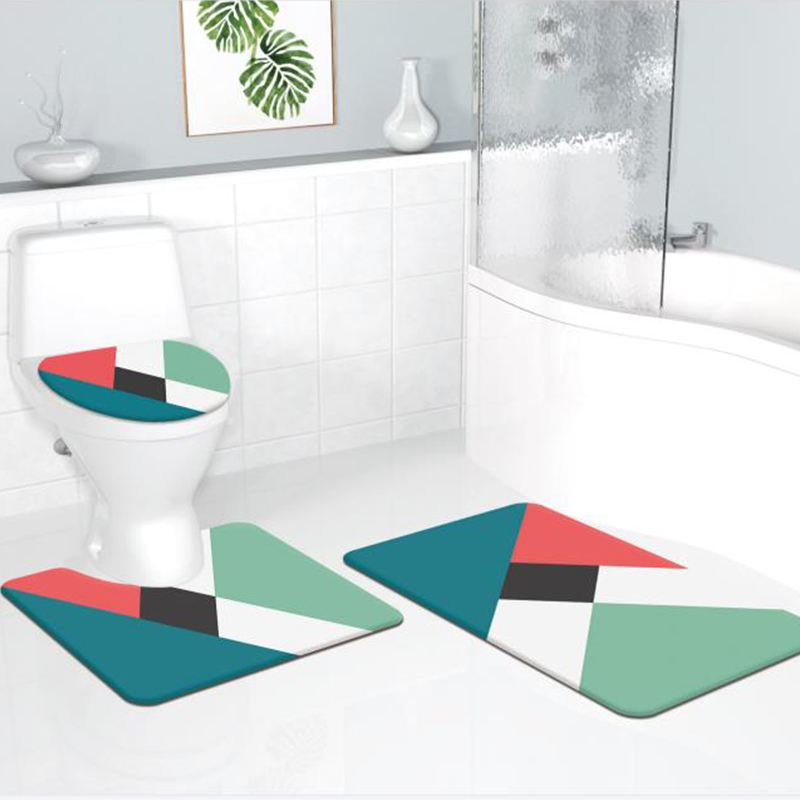
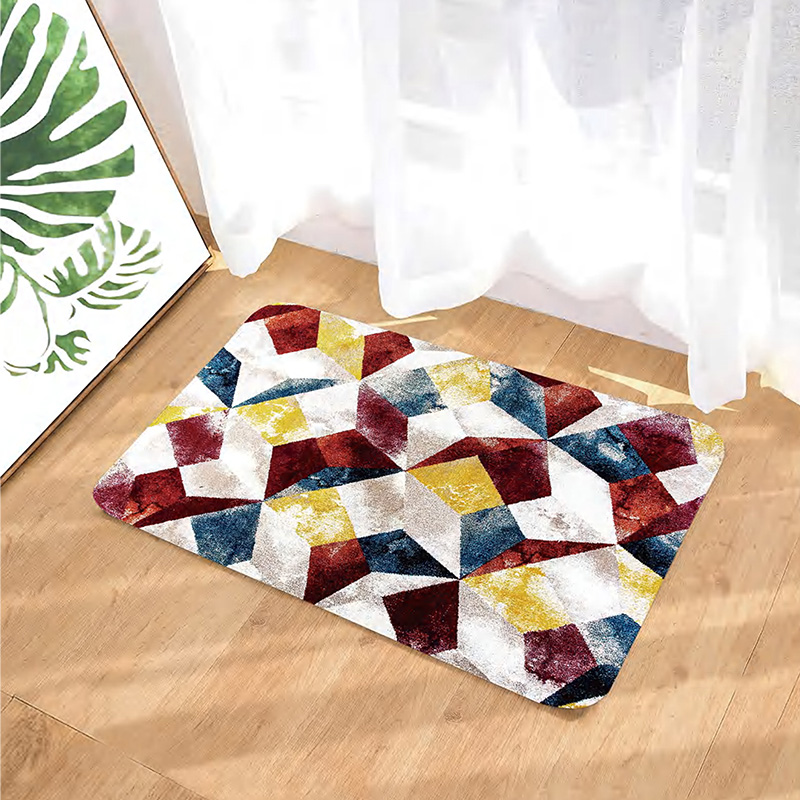
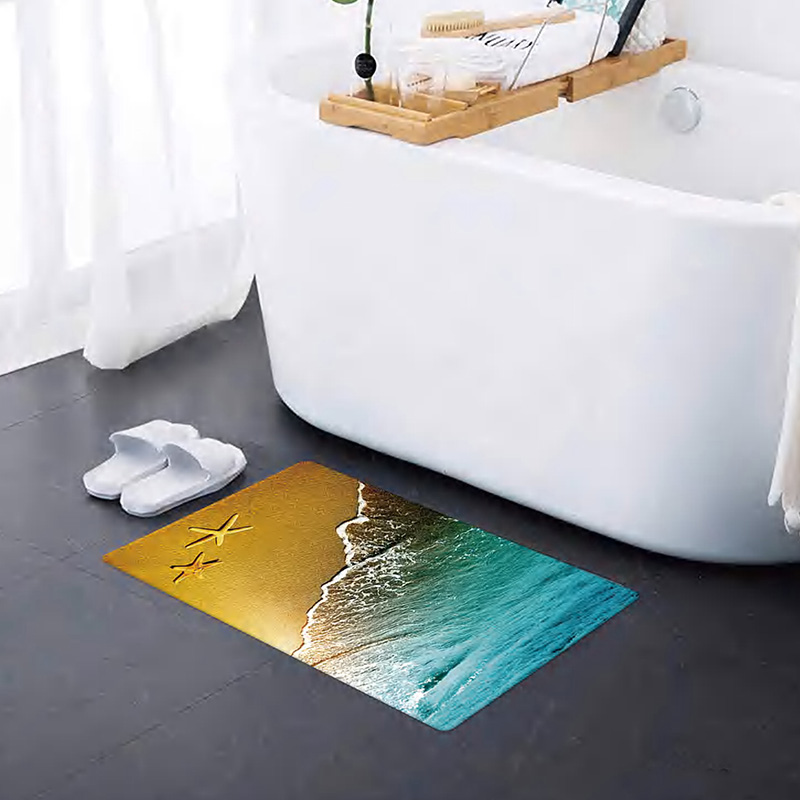
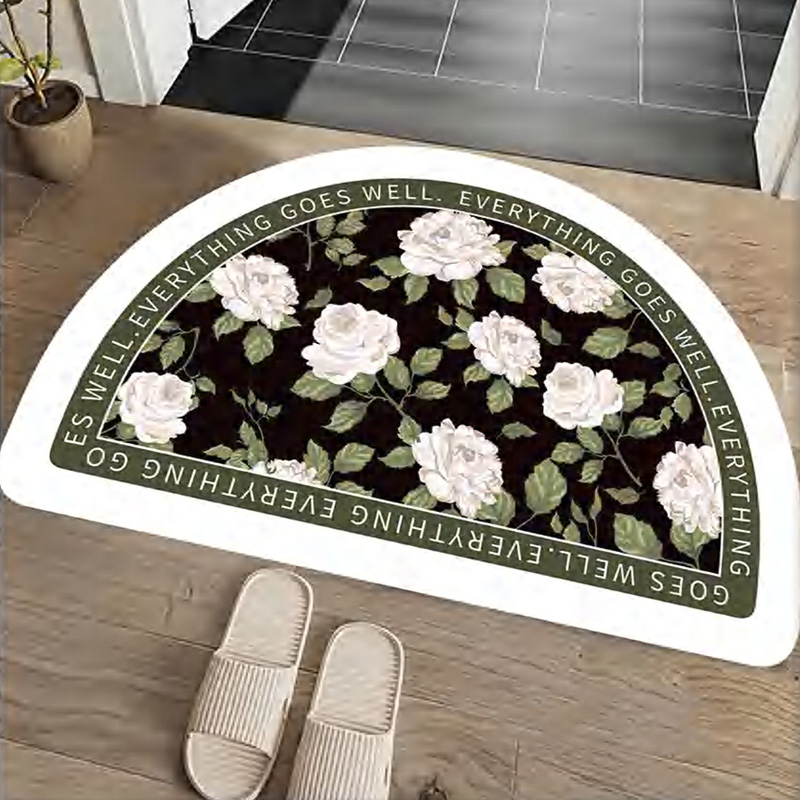
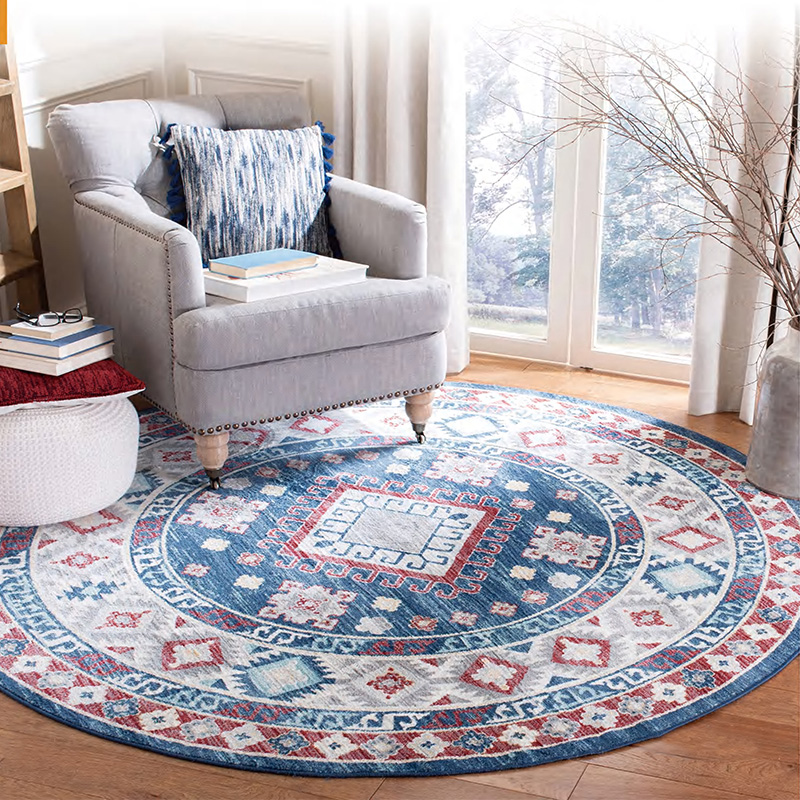
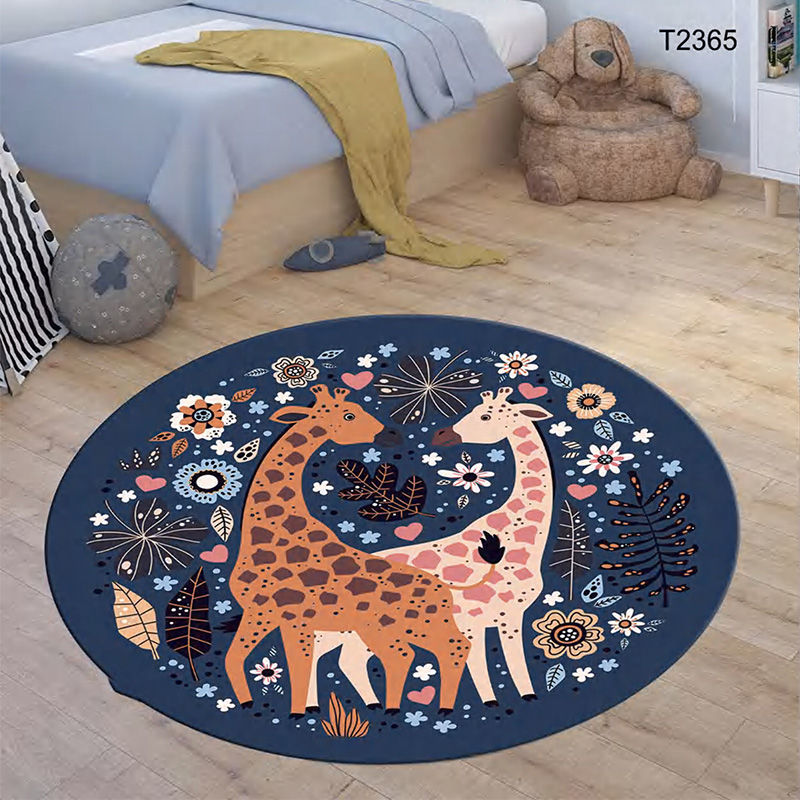
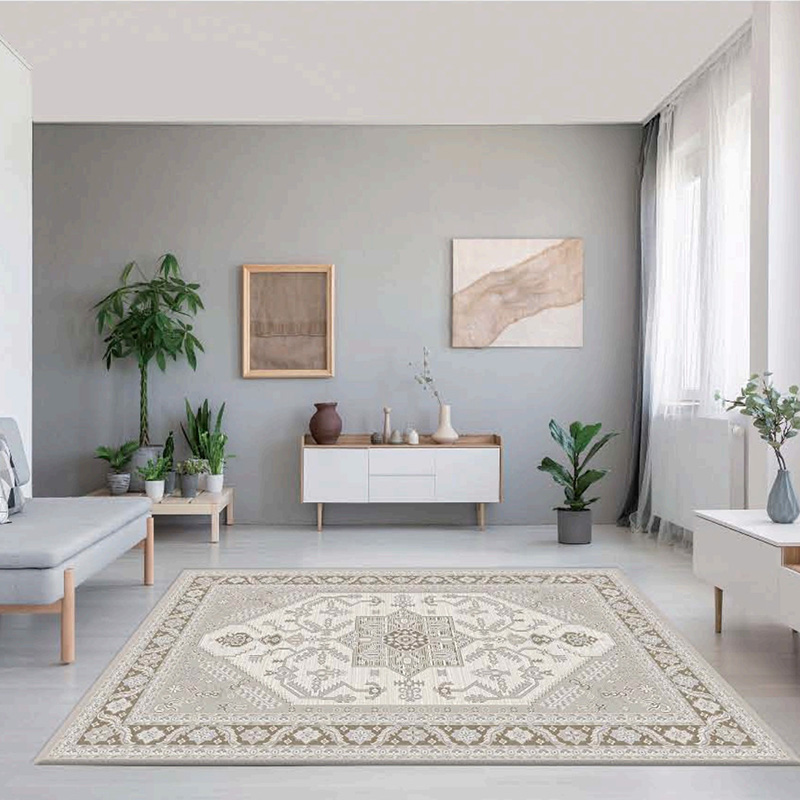
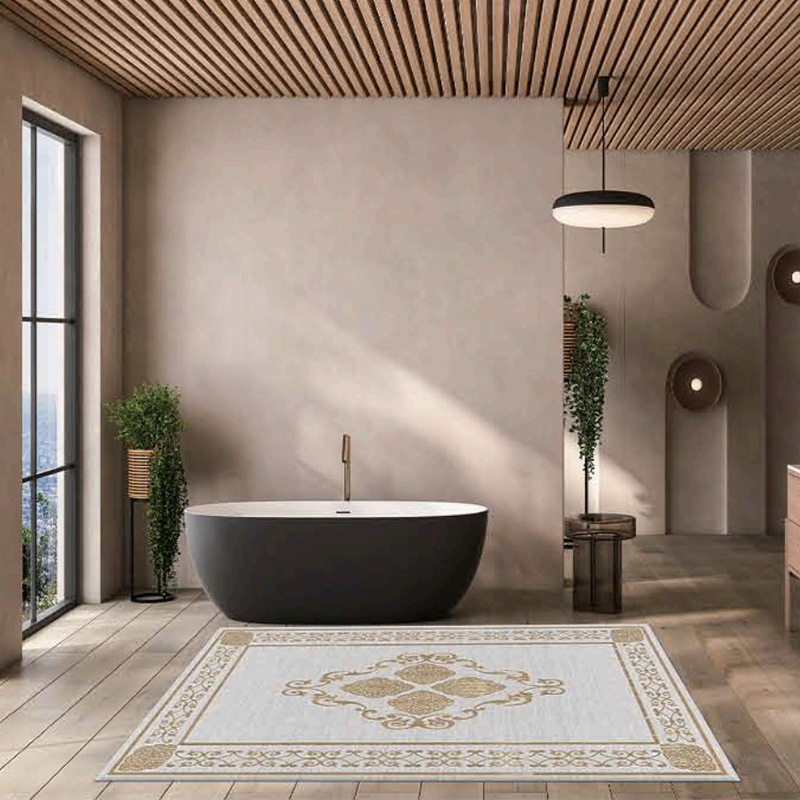
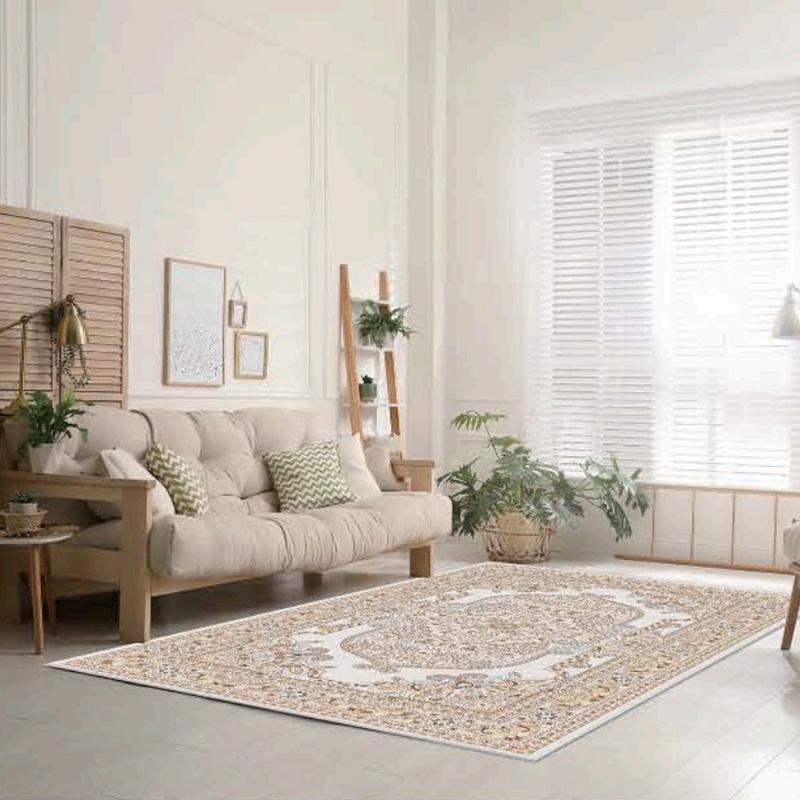
The size and shape of memory foam bath mats vary to accommodate different bathroom layouts. Rectangular, contoured, and circular designs allow homeowners to select a mat that fits around the bathtub, shower entrance, or vanity area. Color and pattern options add decorative appeal, allowing the mat to blend with existing bathroom decor. The foam density and thickness also influence the level of support; thicker mats provide additional cushioning, while thinner options work well in smaller spaces where floor height and clearance are factors.
Memory foam bath mats are relatively easy to maintain. Many are machine washable, allowing for simple cleaning routines that keep the surface fresh and free of buildup. Fast-drying foam and synthetic fibers help reduce odor or mildew, keeping the mat hygienic for repeated use. Users can rotate or shake out mats to maintain their shape and longevity, ensuring that the cushioning effect continues to perform over time.
These mats are not only functional but also add an element of luxury to the bathroom experience. Standing on a soft memory foam surface can create a sense of relief after a long day, offering a moment of comfort in daily routines. The cushioning properties reduce stress on feet and joints, making them suitable for people of all ages who may be sensitive to hard floors. By providing a supportive and moisture-resistant surface, memory foam bath mats integrate seamlessly into the daily activities of a modern household.
In addition to comfort and safety, memory foam bath mats contribute to a cohesive bathroom design. Many mats feature modern textures, geometric patterns, or subtle stitching that complement tiles, cabinetry, and fixtures. Some models include color-coordinated borders or decorative accents that enhance visual appeal without overwhelming the space. Mats can help define zones within a bathroom, such as a standing area near a sink, or a step-out zone by the bathtub, adding functional organization to the room.
Another benefit of memory foam bath mats is their ability to reduce noise. Stepping onto a cushioned surface produces less sound than walking directly on tile or hardwood floors, which can be particularly useful in households with multiple occupants or in apartments with shared walls. This sound-absorbing feature contributes to a quieter, more comfortable environment, complementing the mat’s other practical qualities such as anti-slip backing and water absorption.
Memory foam bath mats also encourage ergonomic use in the bathroom. For people who spend a significant amount of time standing, such as when brushing teeth, shaving, or grooming, a cushioned surface helps prevent fatigue and distributes pressure evenly across the feet. This can make daily routines feel less tiring, while also reducing discomfort in the lower back and legs.