 0
0
 Language
  英语
英语 阿拉伯语
阿拉伯语 德语
德语
The foam layer and the cover layer are two separate decisions
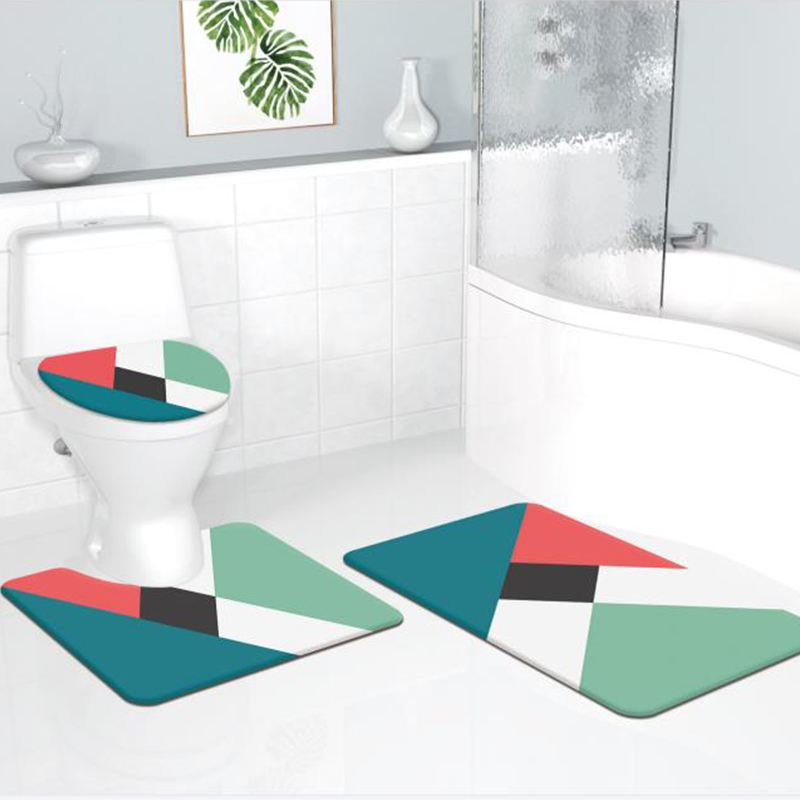
Most buyers focus on how a memory foam bath mat feels underfoot, which makes sense — but the top cover layer deserves equal attention. The foam handles the cushioning. The cover handles the moisture. Those are different jobs, and not every mat balances them equally well.
Microfiber covers are the common, and they work well for quick absorption. The texture tends to feel soft on bare feet, and microfiber picks up water fast enough that you're not standing in a puddle after stepping out of the shower. Some mats use a chenille top layer instead, which is plusher and has a slightly different visual texture — closer to the look of a woven bath rug than a typical foam mat. Both work; the choice comes down to what the bathroom needs aesthetically and how much foot traffic the mat will see each day.
Foam density is the other variable worth thinking about. Denser foam holds its shape longer and gives a firmer feel underfoot — good for bathrooms used by multiple people back to back, since the mat doesn't have time to fully recover between uses. Softer foam gives a more pronounced sinking sensation, which some people prefer and others find too much.
Sizing: bigger than you think, placed more deliberately than you'd expect
The sizing question trips people up more than it should. A mat that looks generously proportioned in a product photo can land in a bathroom and immediately read as too small — especially in front of a double vanity or a wide shower enclosure. The rule of thumb that works: measure the space where the mat will sit before ordering, and then round up.
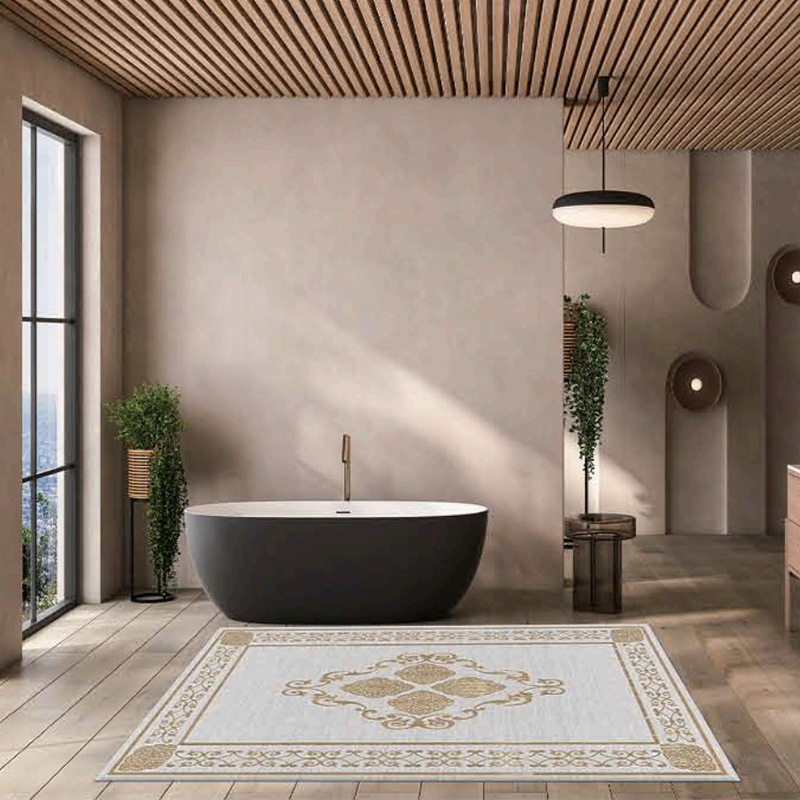
Placement matters too. A mat centered in front of the shower exit does a different visual job than one running lengthwise along a vanity wall. Neither position is wrong, but each one changes how the bathroom reads spatially. In smaller bathrooms, a single well-placed mat often works harder than two smaller ones trying to cover different zones.
One overlooked detail: the mat's thickness can affect how a bathroom door swings. A mat sitting close to an inward-opening door needs to be thin enough that the door clears it. Worth checking before buying something an inch thick.
Non-slip backing — the part that actually keeps people safe
A soft mat that slides on wet tile is worse than no mat at all. The non-slip backing on a memory foam bath mat is genuinely load-bearing in terms of safety, and it's the part of the product that's hardest to evaluate from a photo.
TPR (thermoplastic rubber) backing with a raised grip pattern performs better on wet tile than a flat rubber sheet, which can lose traction when the floor gets slippery. Some mats use suction-cup dots along the base — these create individual grip points that hold more reliably on smooth porcelain or ceramic tile. For households with older family members or young kids, this detail moves from "nice to have" to a genuine purchasing priority.