 0
0
 Language
  英语
英语 阿拉伯语
阿拉伯语 德语
德语
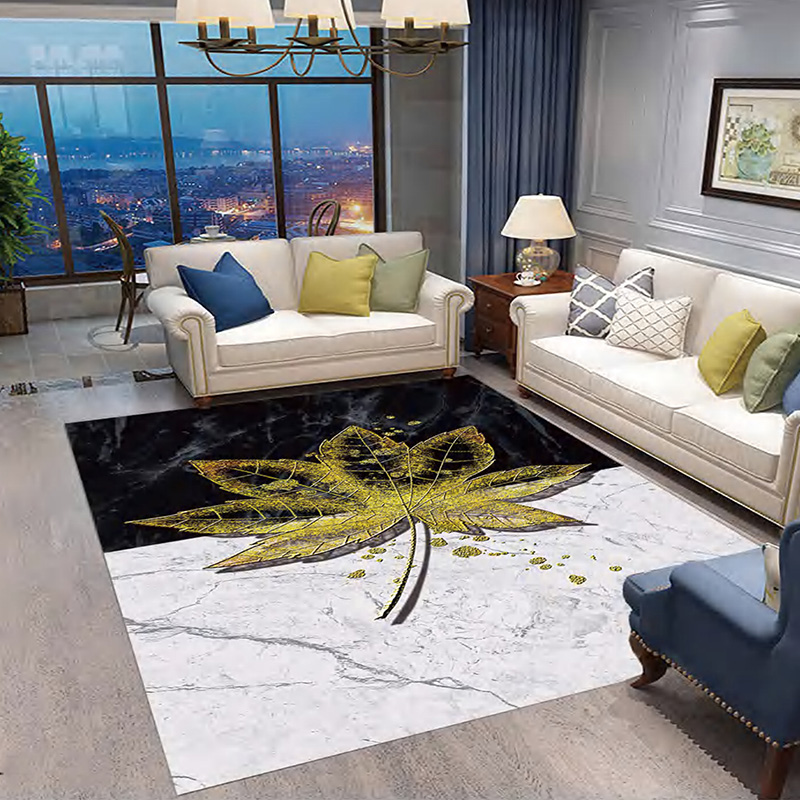
Few decorating decisions carry as much visual weight as the rug you choose for a living room. It anchors the furniture, sets the tone for the entire space, and — perhaps more than any single piece of décor — communicates something about the character of the room. Yet living room rugs are frequently treated as an afterthought, selected quickly after everything else is already in place. That approach often leads to a rug that technically fits but never quite feels right.
Material and texture: what each option brings to the room
Once size is settled, material becomes the next meaningful variable — and it affects far more than just how the rug feels underfoot. Texture has a direct relationship with how light moves across a surface, which in turn influences the mood of the space throughout the day.
Wool rugs remain a widely chosen option for living rooms because of their natural resilience and the depth of color they hold. The fiber structure diffuses light in a way that gives wool rugs a warmth that synthetic alternatives can replicate visually but rarely match in person. Flat-weave options like kilims and dhurries take a different direction — lower pile, crisper patterns, and a lighter visual footprint that works well in rooms where the furniture is already doing a lot of the decorating work.
Jute and sisal have gained a consistent following in casual and coastal interiors. They introduce natural texture and an informal energy that softens rooms that might otherwise feel too polished. That said, they tend to be firmer underfoot than wool or synthetic pile rugs, which is a consideration worth factoring in if the living room sees heavy daily use as a lounge or gathering space.
Layering two rugs — a larger flat-weave as a base with a smaller, textured rug on top — has moved from a niche styling trick to a broadly adopted approach. It adds visual complexity without requiring the commitment of a single statement rug, and it offers flexibility when design preferences shift.
Pattern, color, and how they interact with existing decor
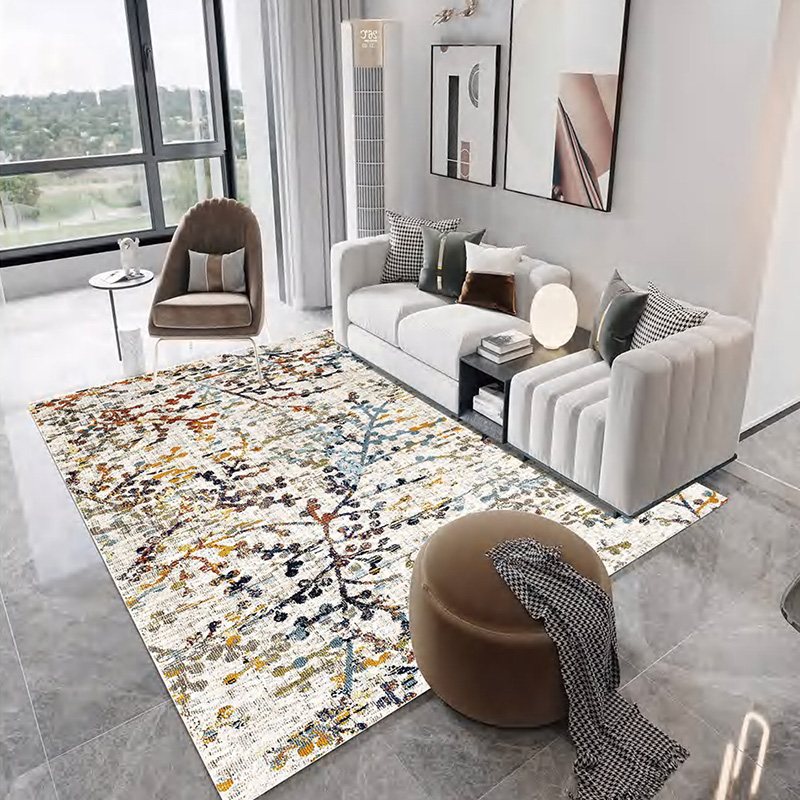
A patterned rug in a room full of solid-colored furniture gives the eye somewhere to travel. A solid rug in a room with busy upholstery or heavily patterned curtains provides relief. Neither approach is inherently more sophisticated than the other — what matters is whether the living room rug creates balance or tips the room into visual noise.
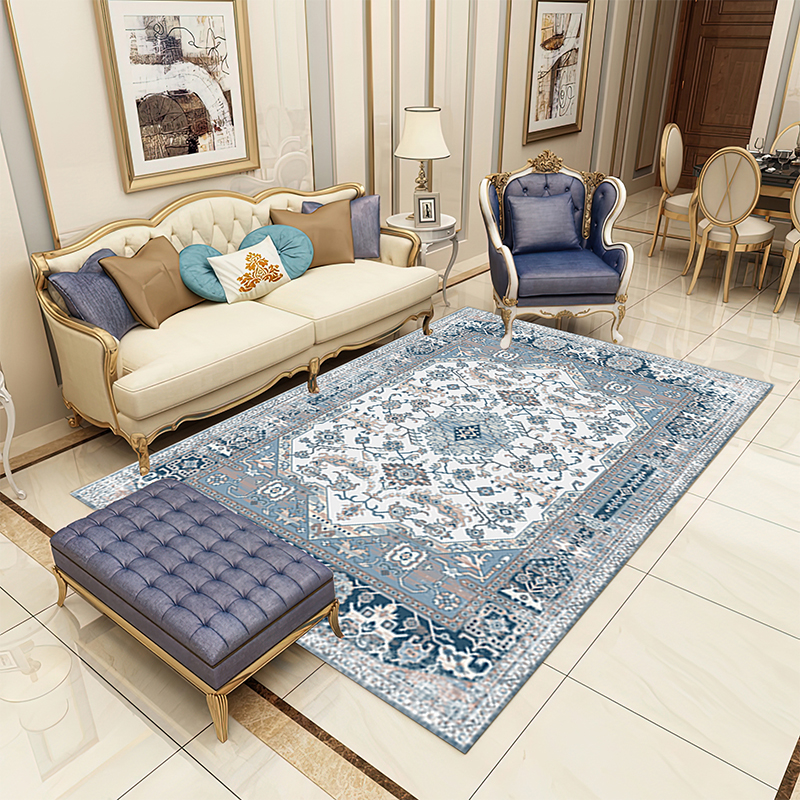
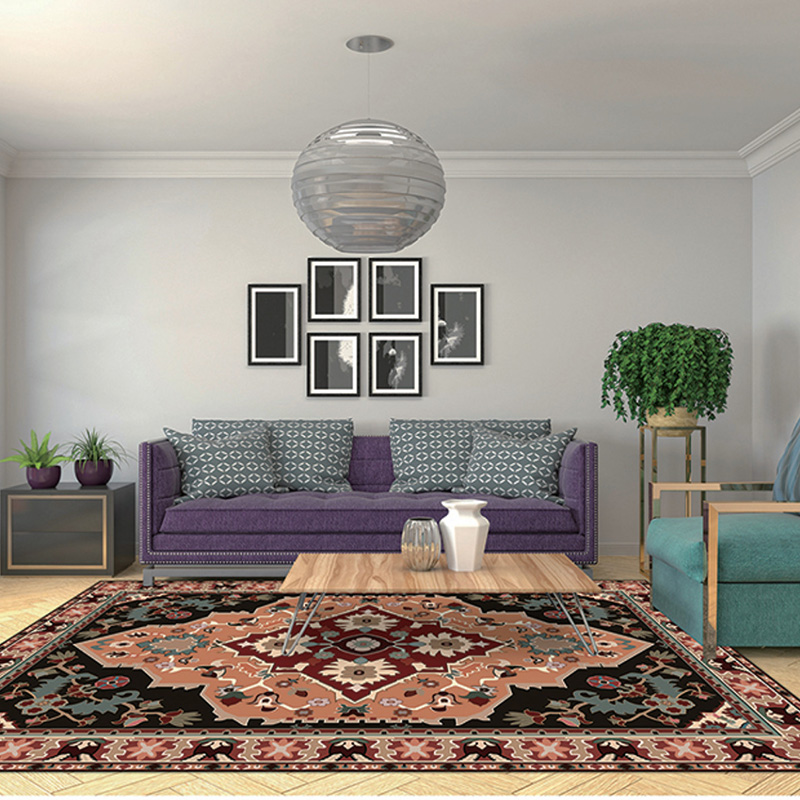
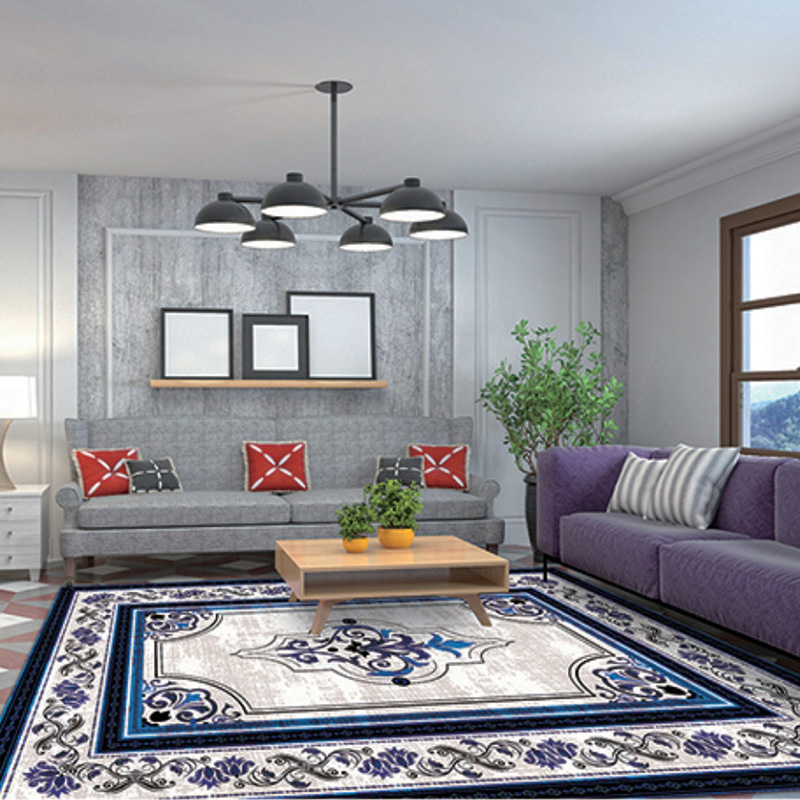
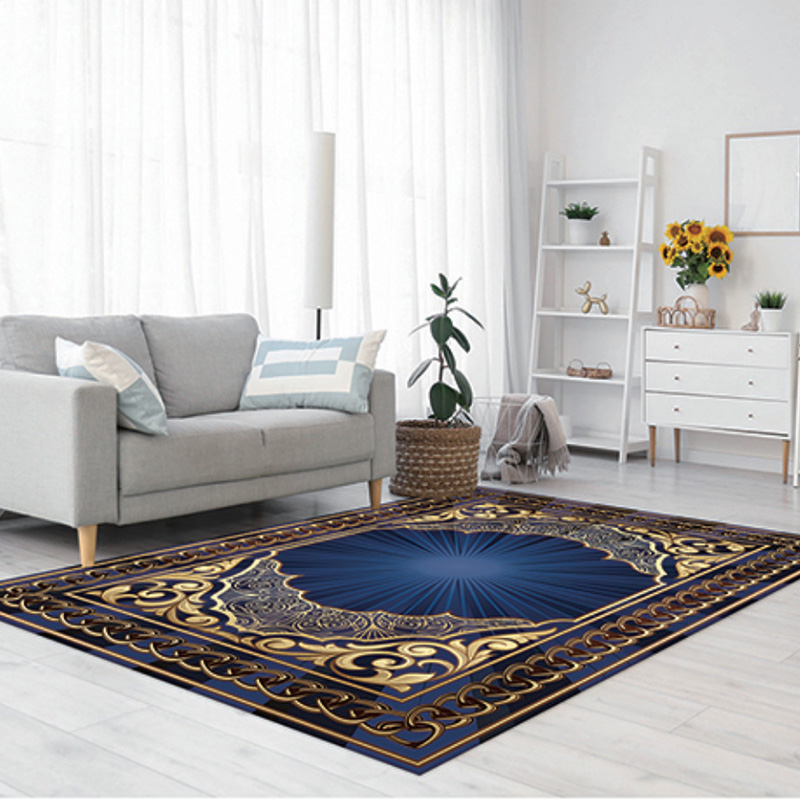
Color temperature is worth considering, too. Warm-toned rugs — terracotta, rust, ochre, deep cream — tend to make a room feel more enclosed and intimate, which works well in larger living rooms that might otherwise feel cold. Cool-toned rugs in blues, greys, and sage greens push a room in the other direction, adding a sense of openness that suits smaller spaces or rooms with limited natural light.
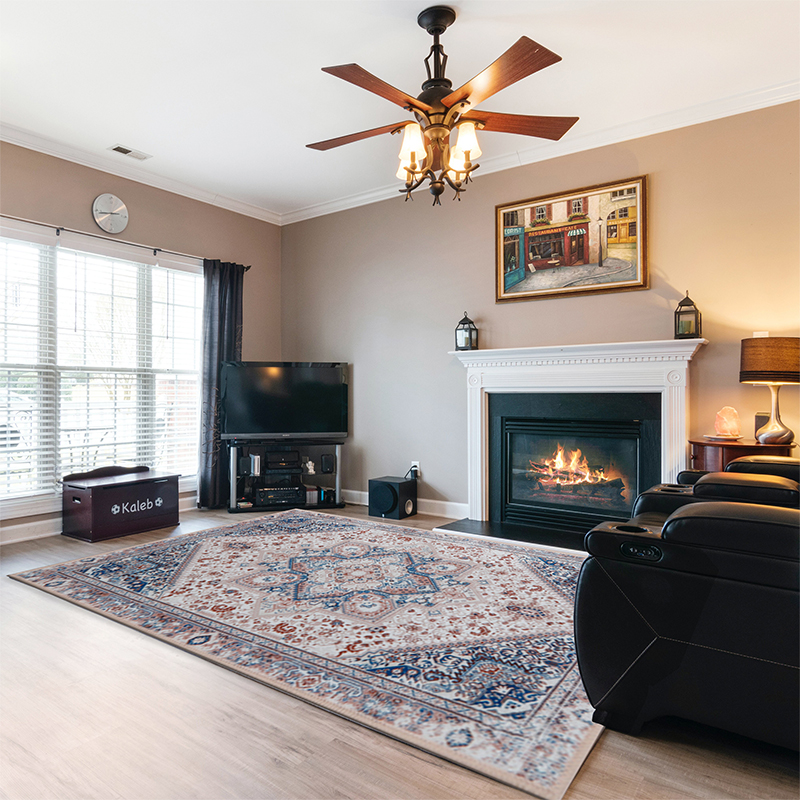
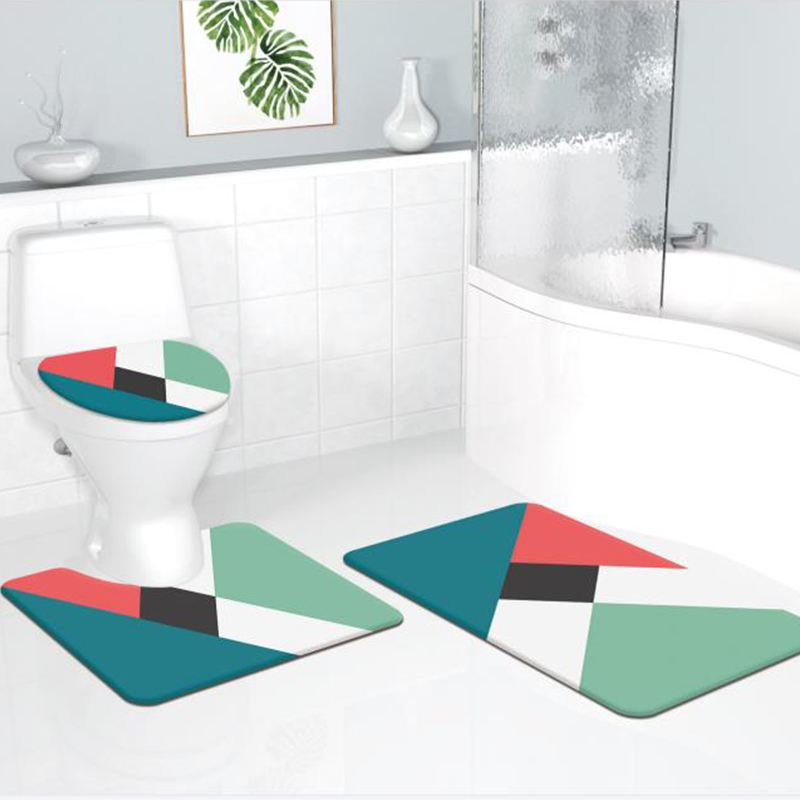
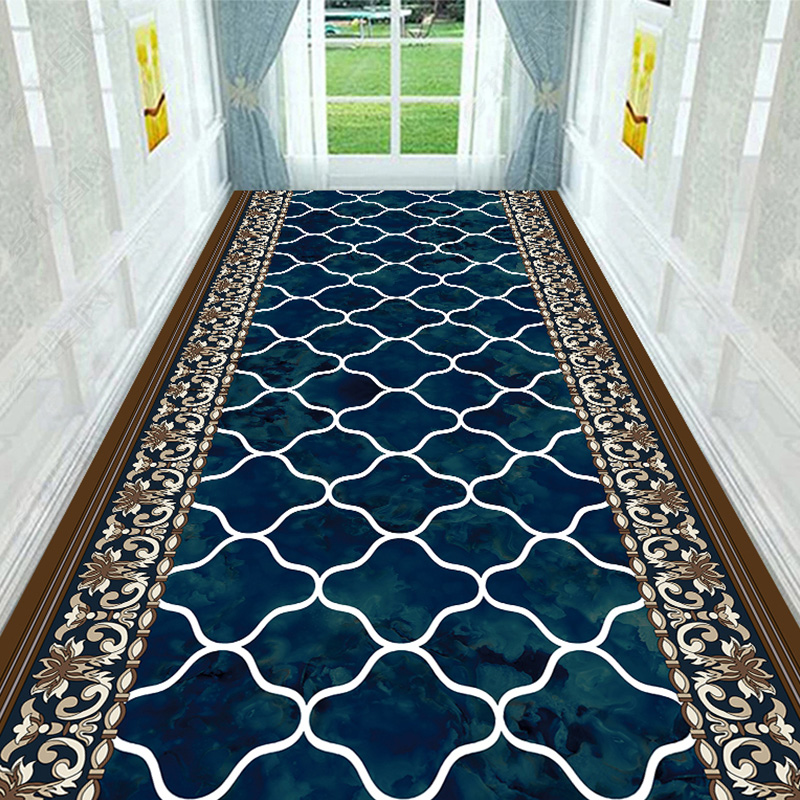
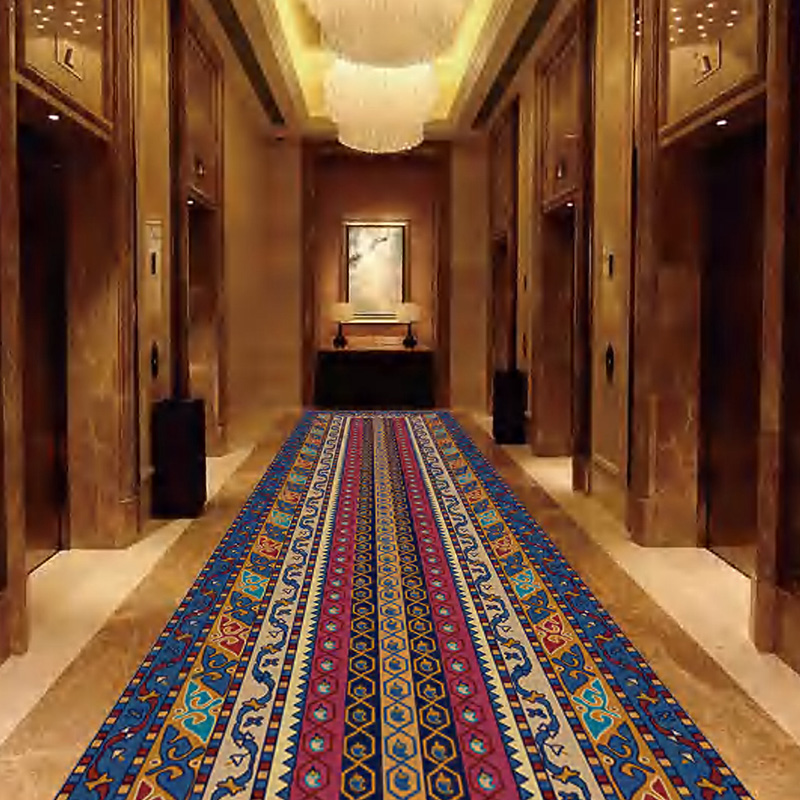
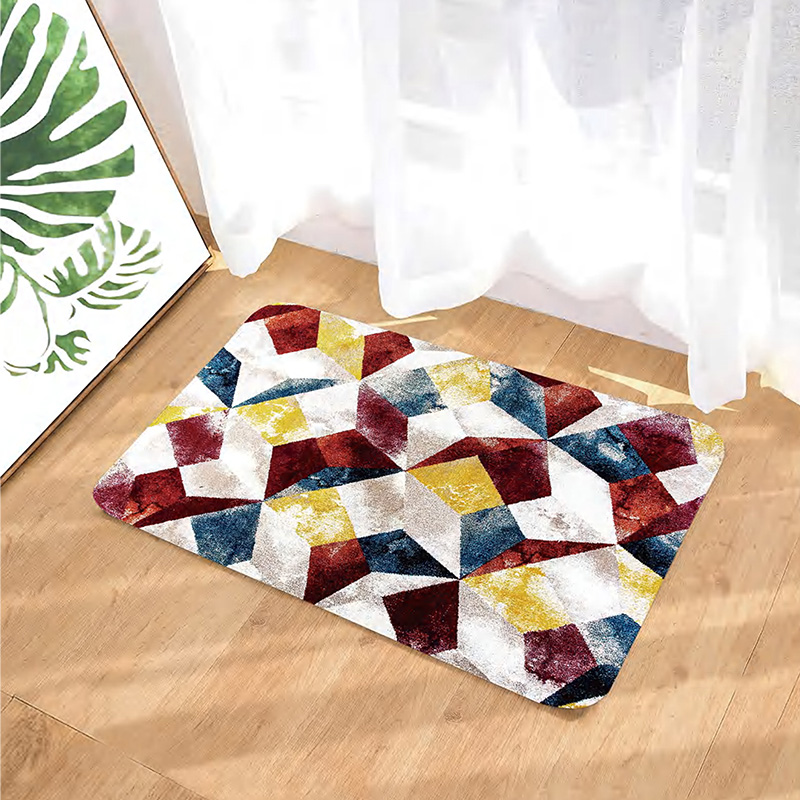
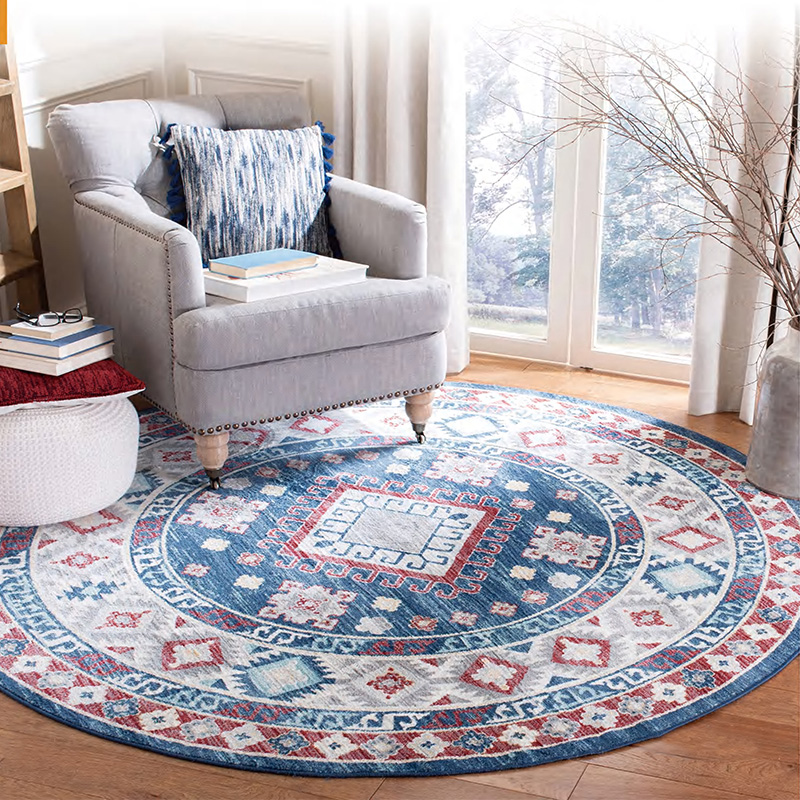
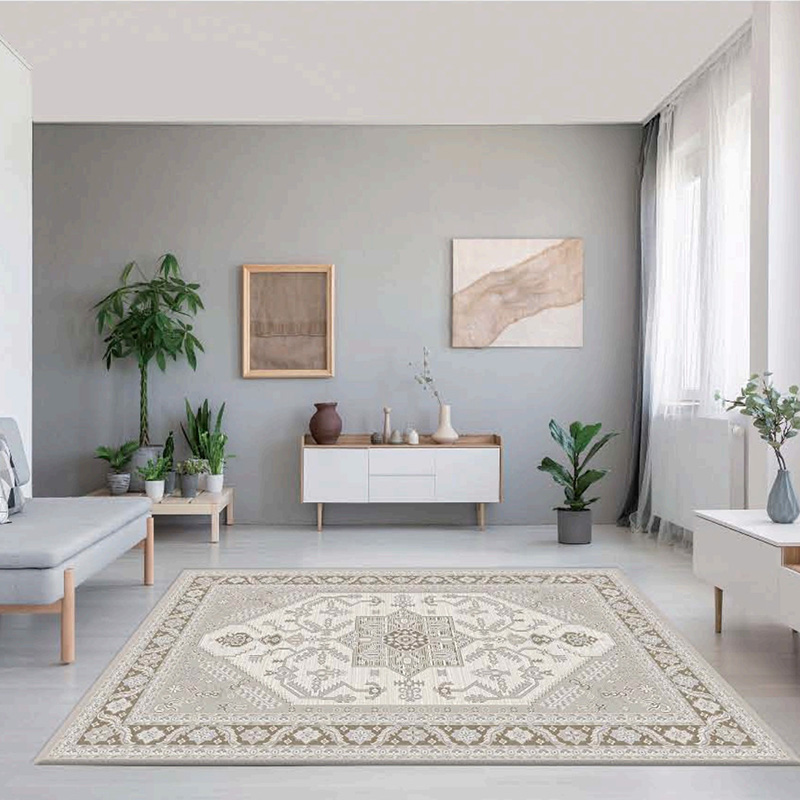
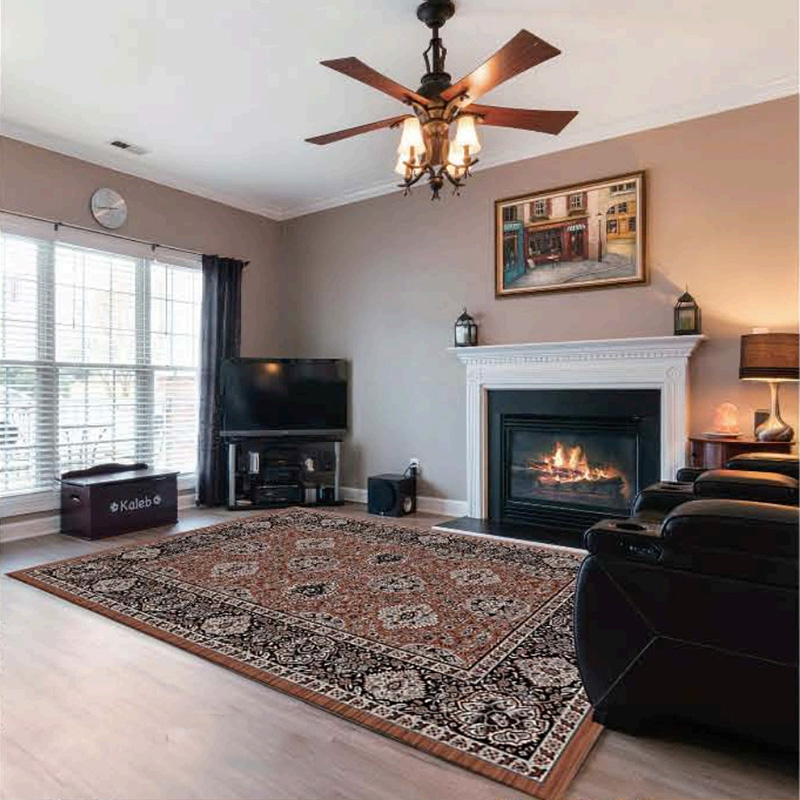
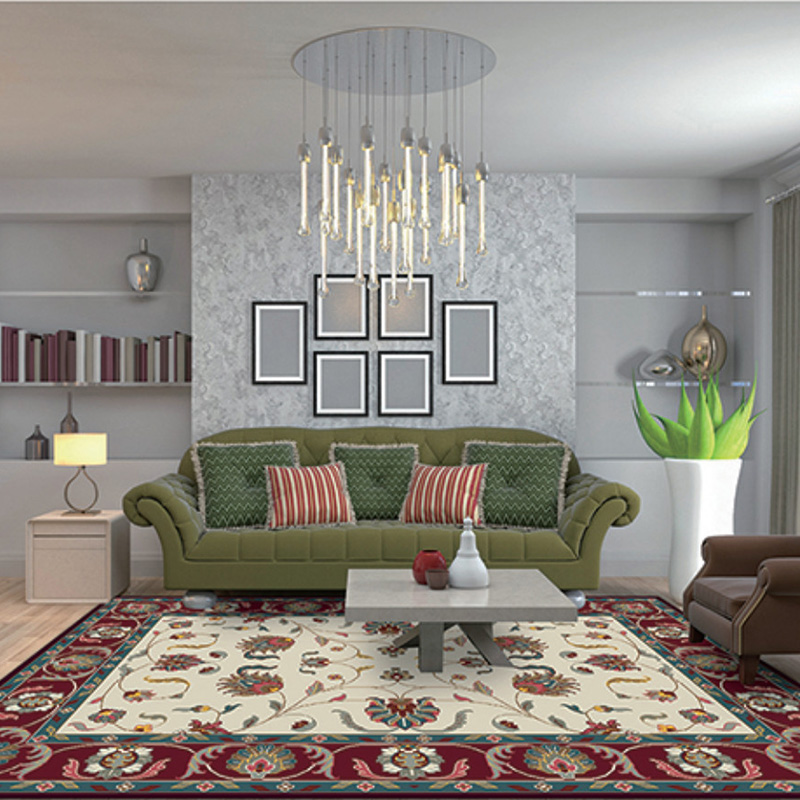
Geometric patterns have remained popular across a range of interior styles, from Scandinavian-influenced minimalism to more eclectic, globally inspired rooms. Traditional oriental and Persian-style rugs, meanwhile, have moved well beyond period-specific interiors and now appear in contemporary settings where they function almost as art pieces on the floor.