 0
0
 Language
  英语
英语 阿拉伯语
阿拉伯语 德语
德语
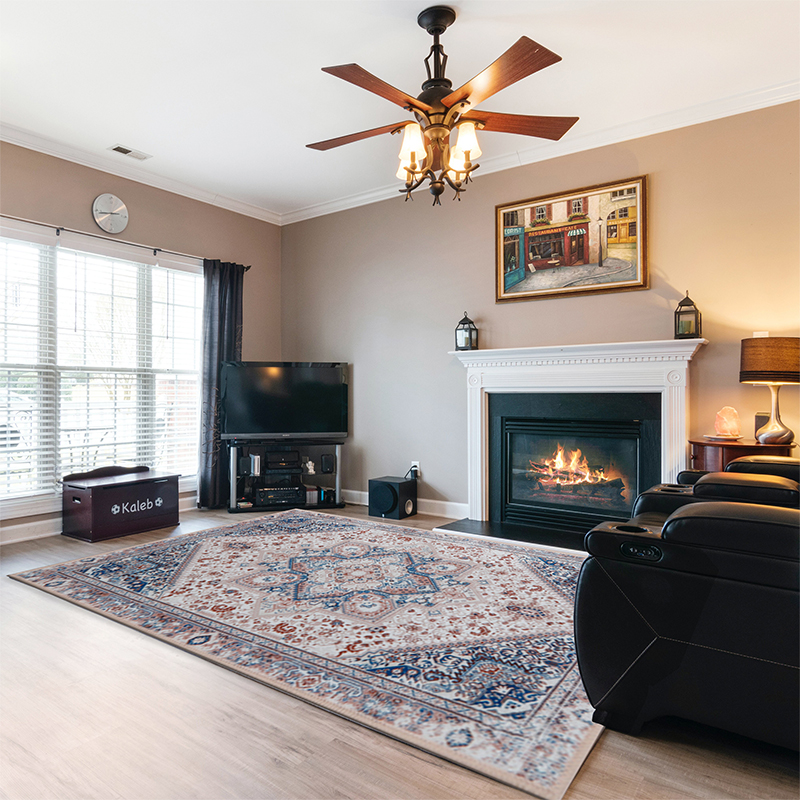
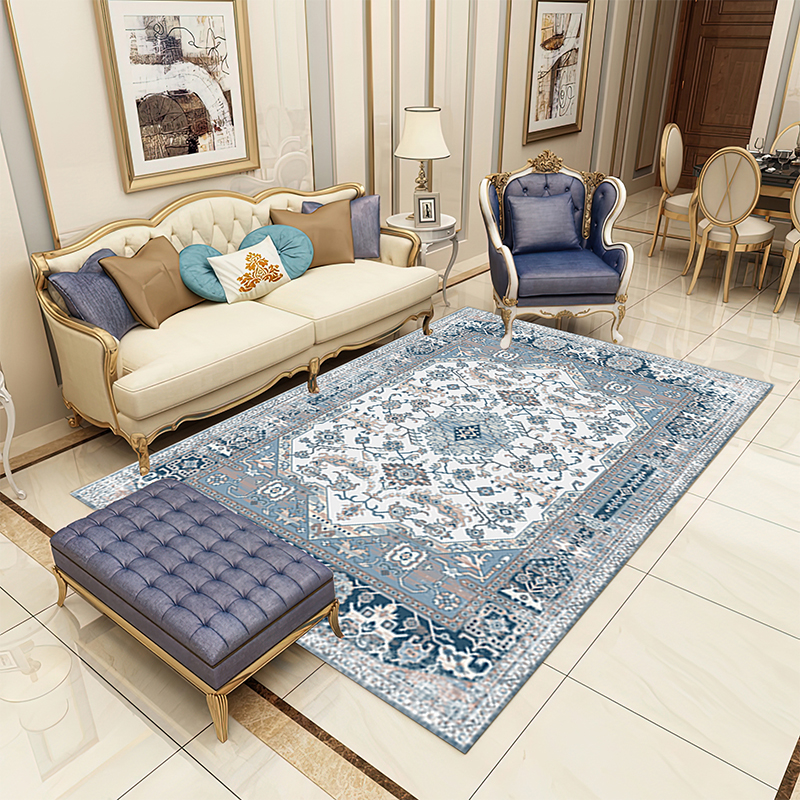
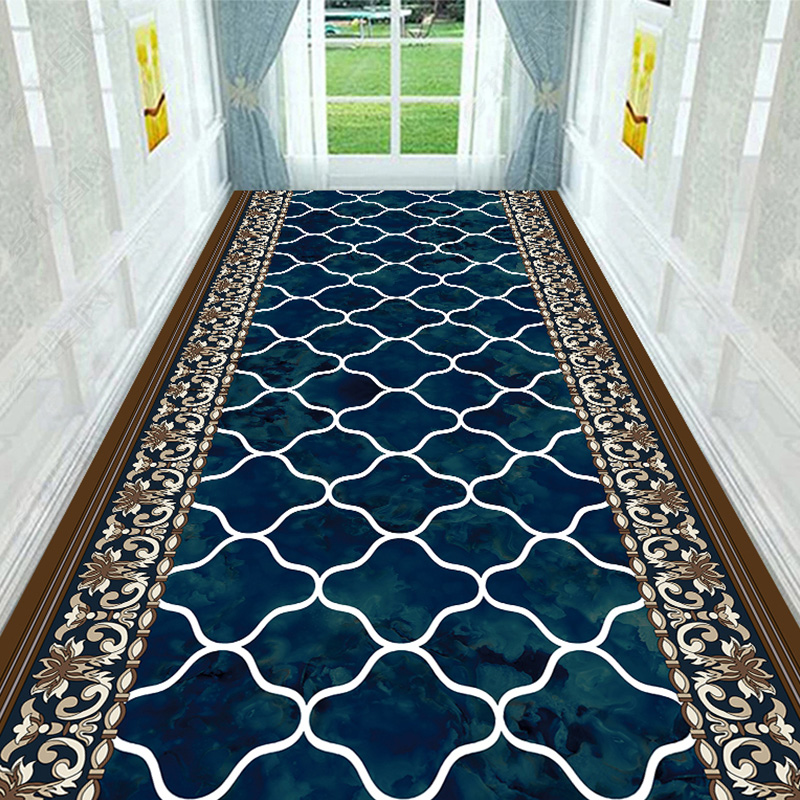
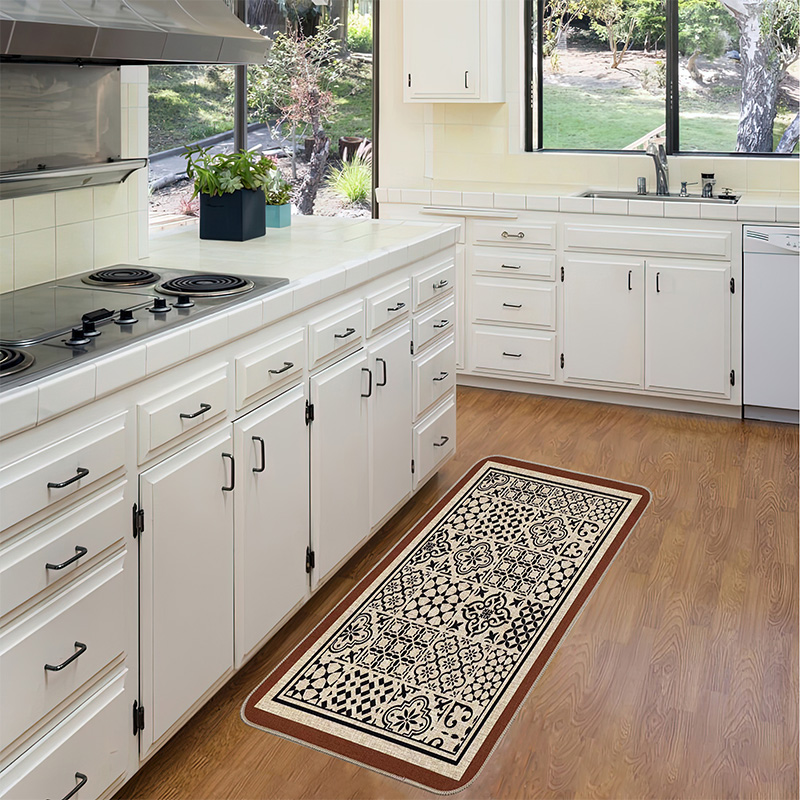
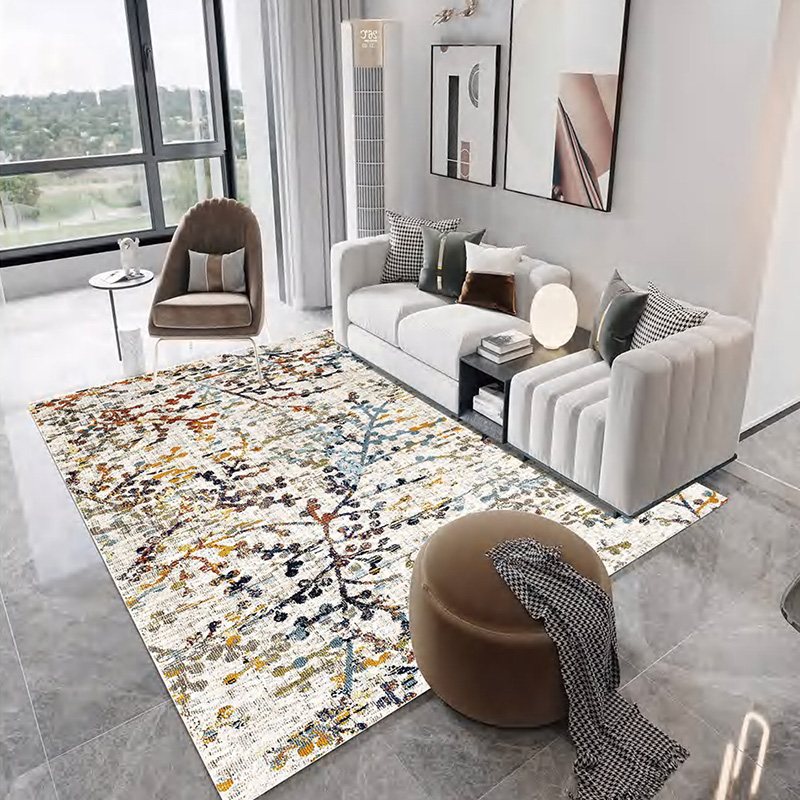
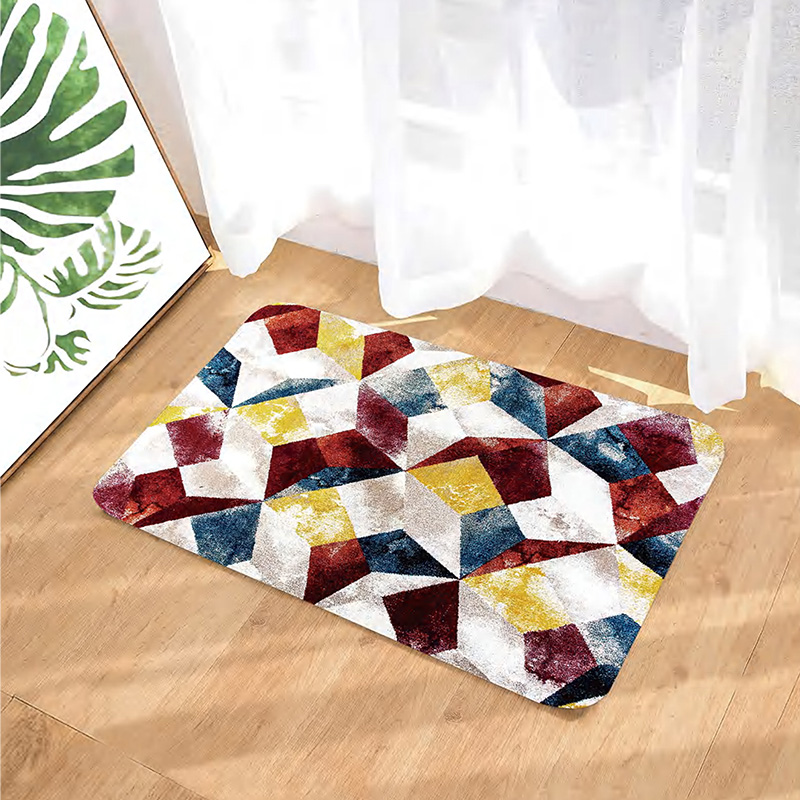
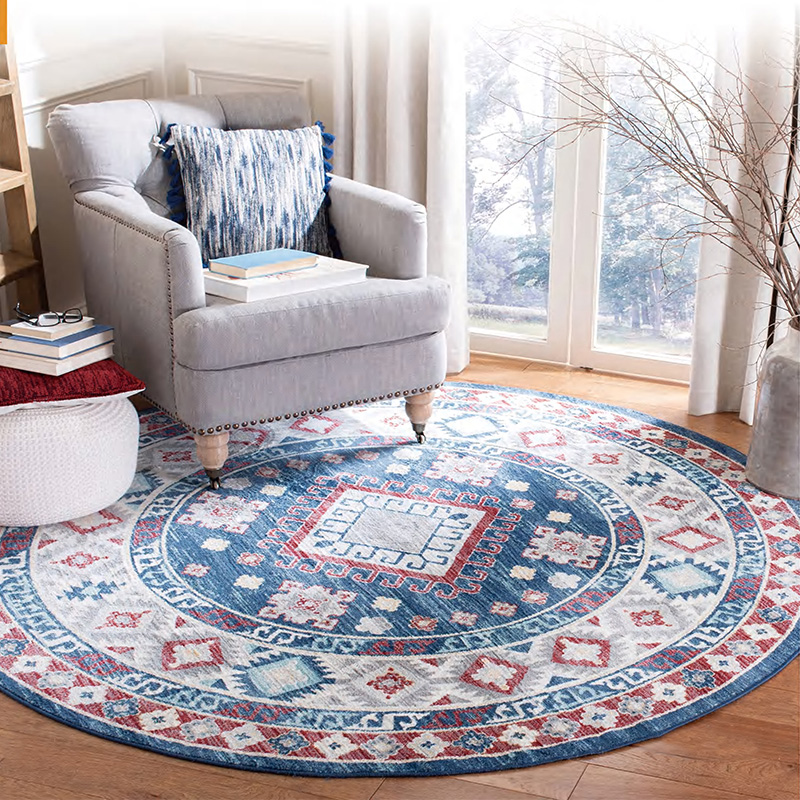
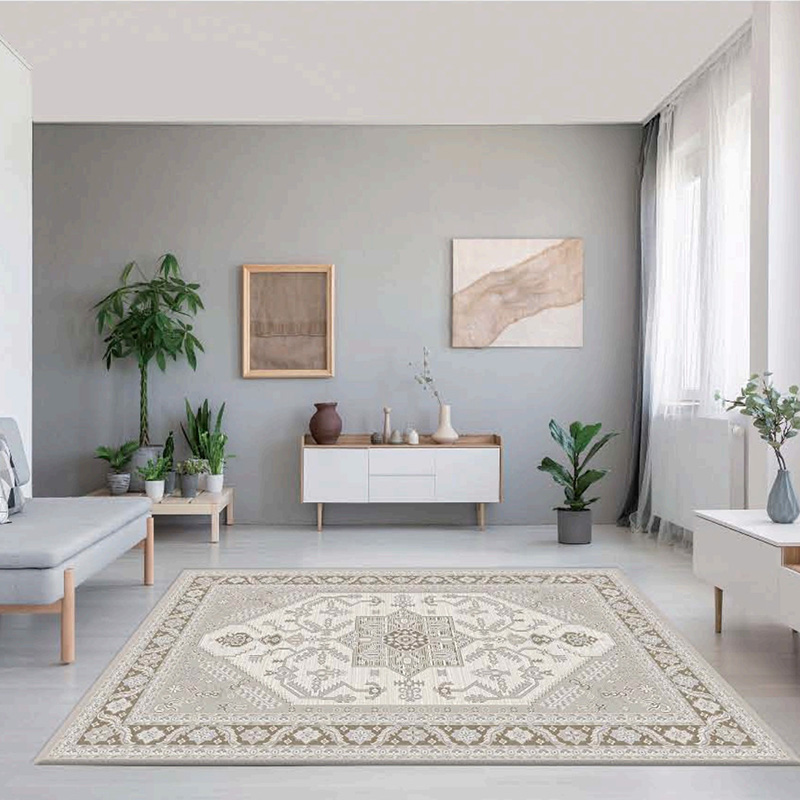
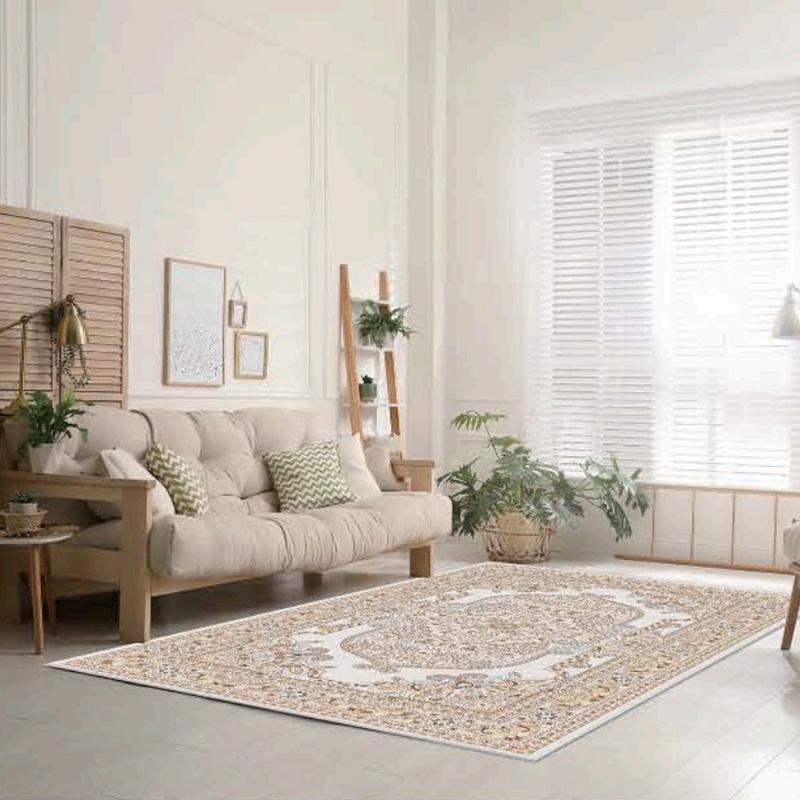
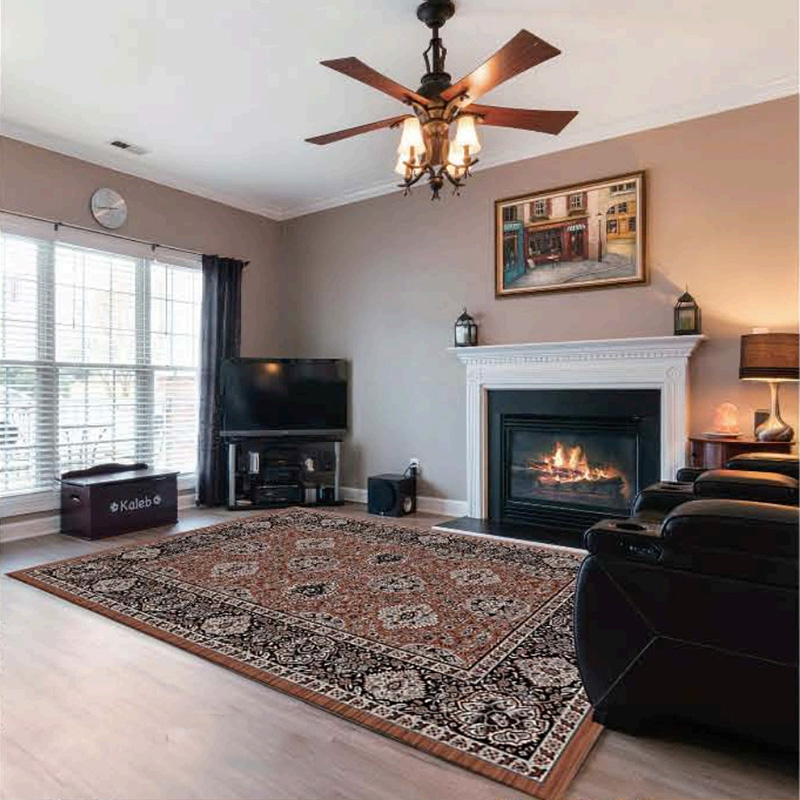
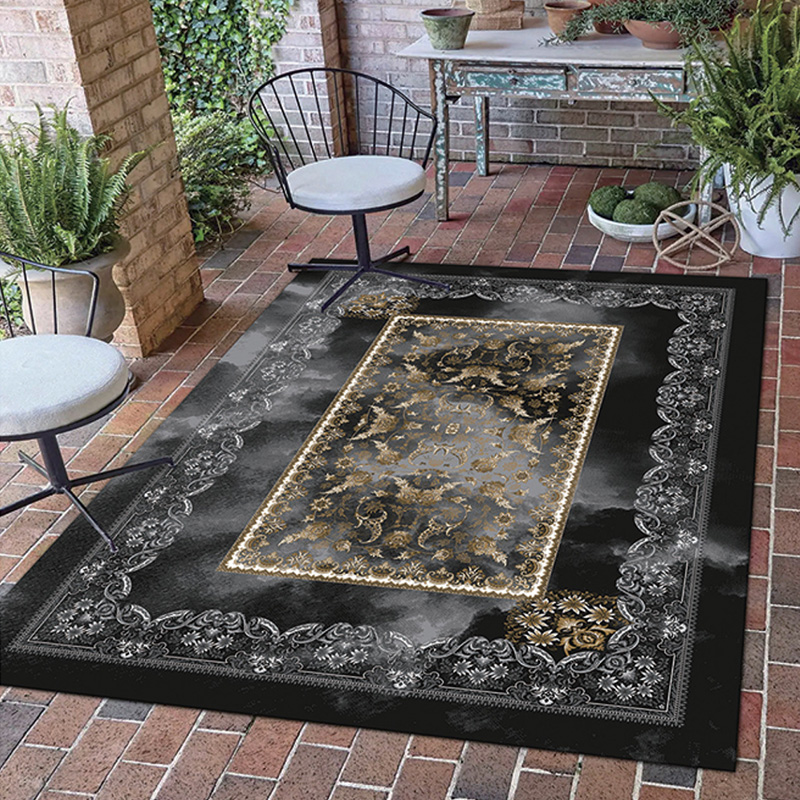
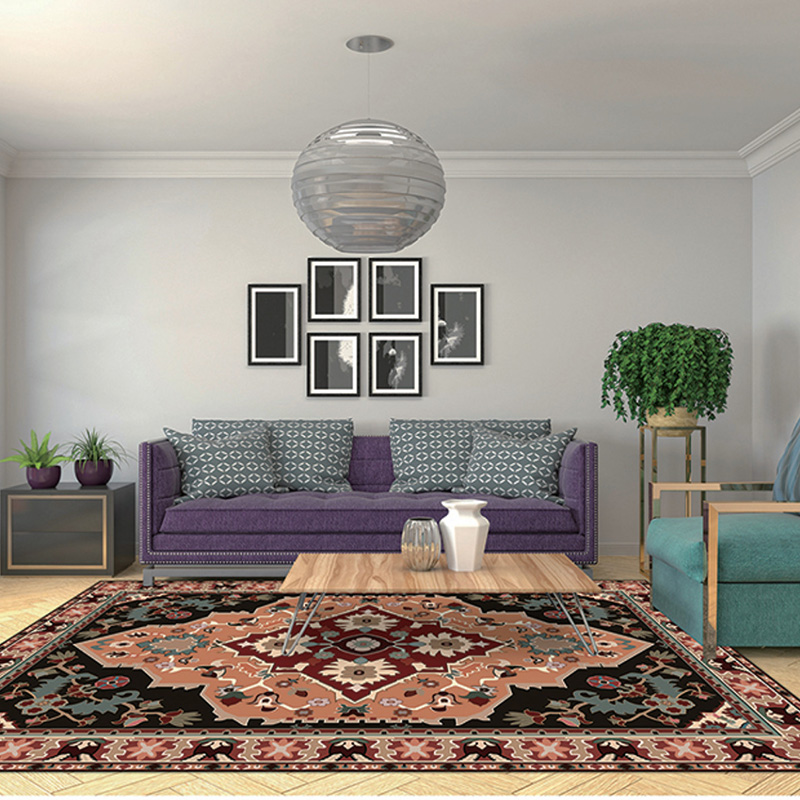
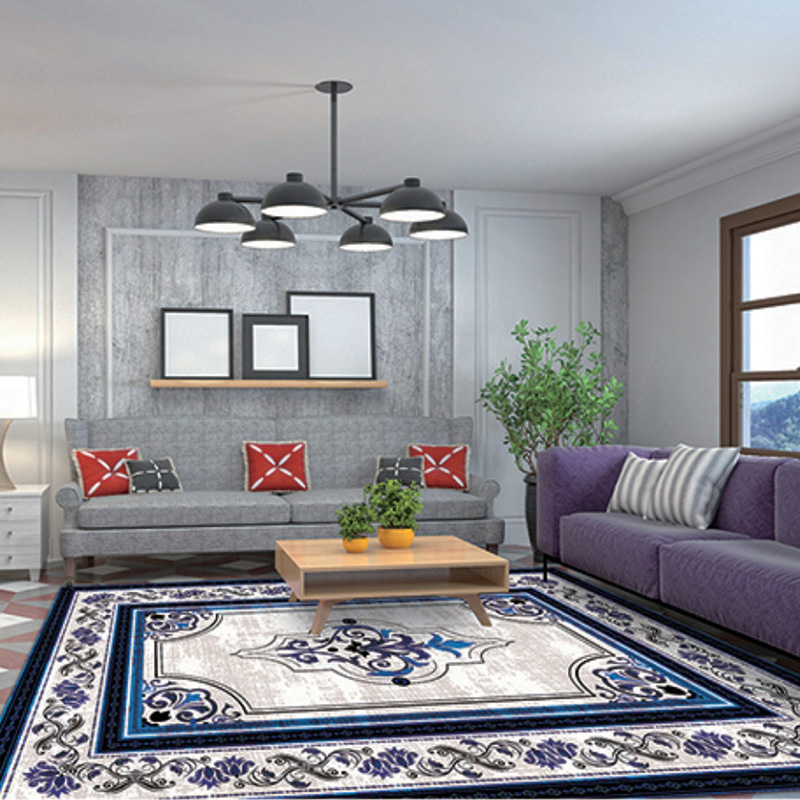
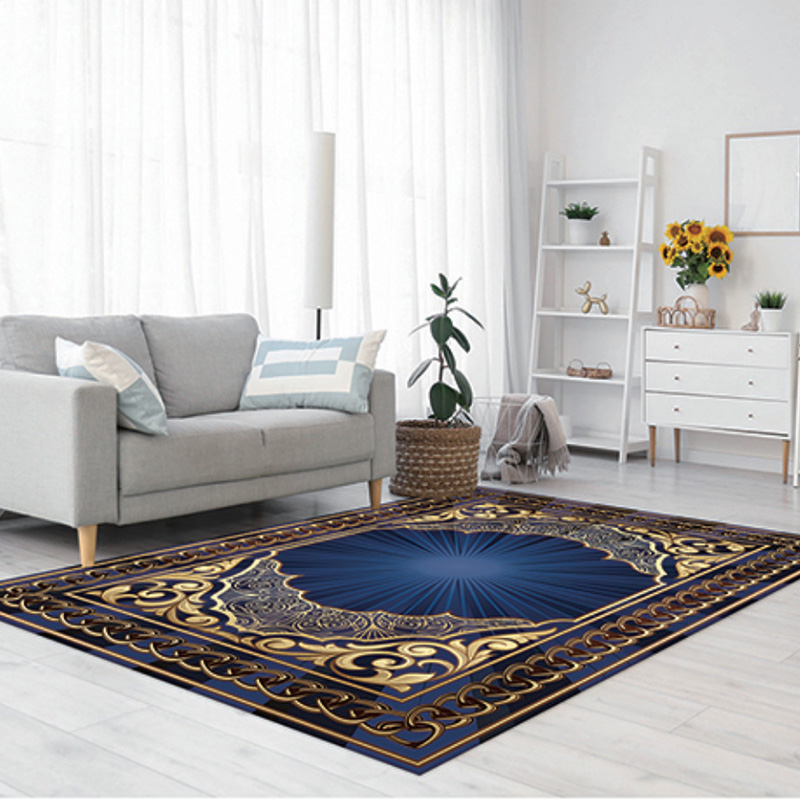
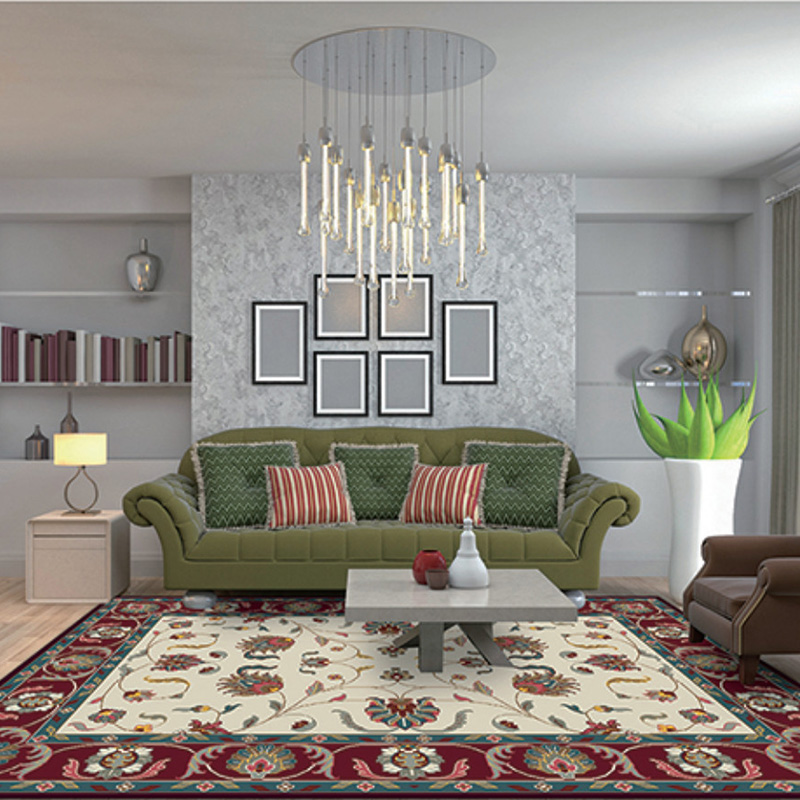
The growing popularity of warm and natural interior aesthetics has contributed to renewed interest in decorative rugs. Many homeowners are moving away from overly minimal spaces and introducing more texture into rooms using woven floor coverings, vintage-inspired patterns, and detailed fabric surfaces. Oriental Rugs often feature intricate geometric shapes, floral designs, and rich color palettes that help create visually balanced spaces without requiring major furniture changes.
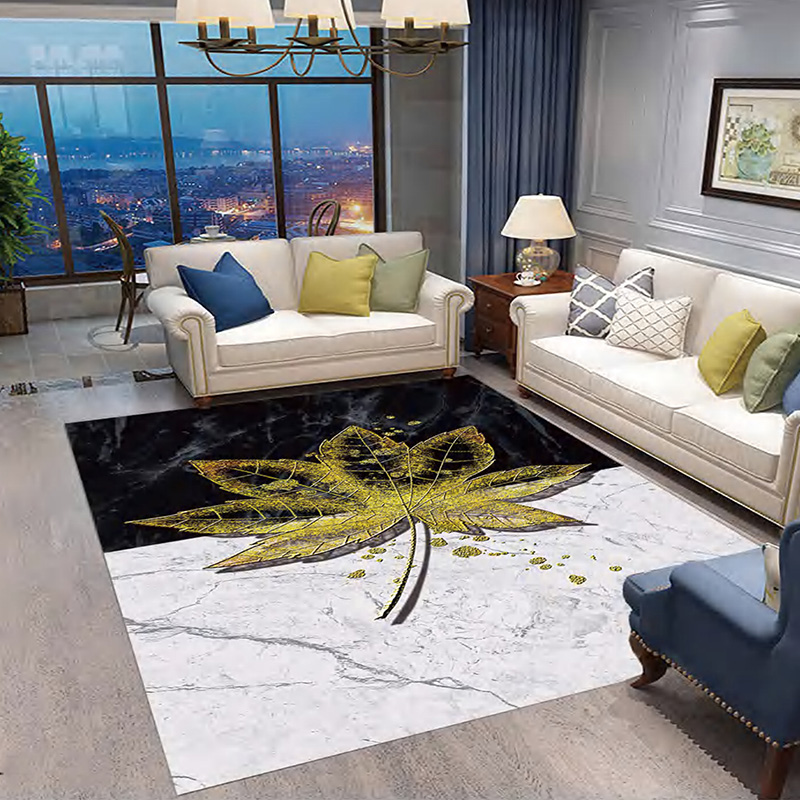
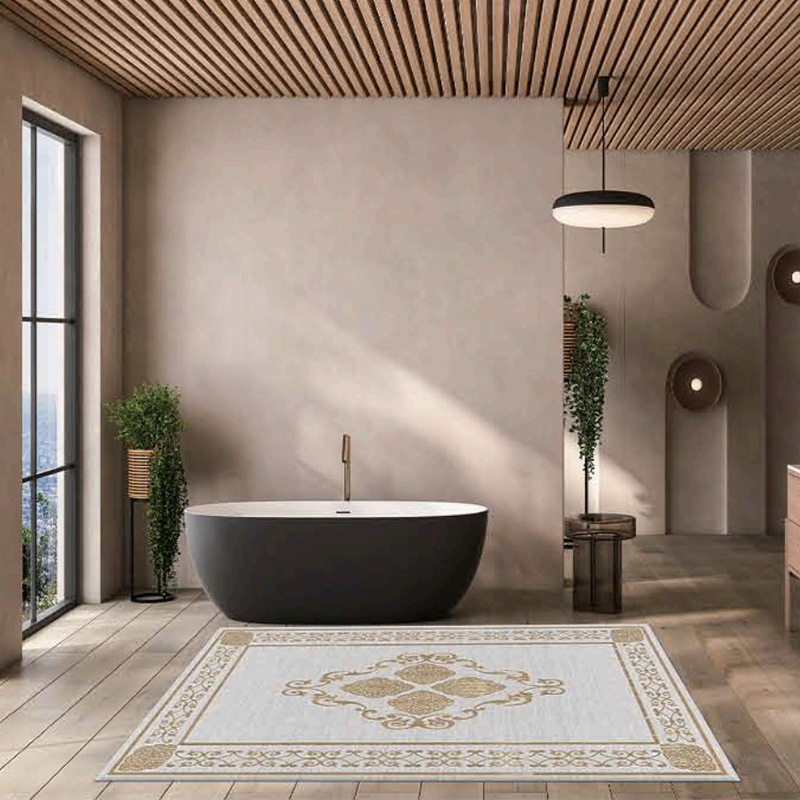
Interior designers are also using Oriental Rugs to connect traditional decorative elements with contemporary furniture styles. Neutral sofas, wooden tables, metal lighting fixtures, and soft fabric seating can all pair naturally with patterned rugs that introduce contrast and visual depth into a room. This blend of old and new design influences has become increasingly common in apartments, renovated houses, and hospitality projects.
Consumer interest in handcrafted and artisan-inspired products continues shaping the market as well. Many buyers appreciate decorative pieces connected to weaving traditions and detailed textile work. Rug manufacturers and retailers are responding by highlighting weaving techniques, material textures, and pattern variations that give each design a distinct appearance. Some collections emphasize vintage-inspired fading effects and distressed finishes that align with current interior styling preferences.
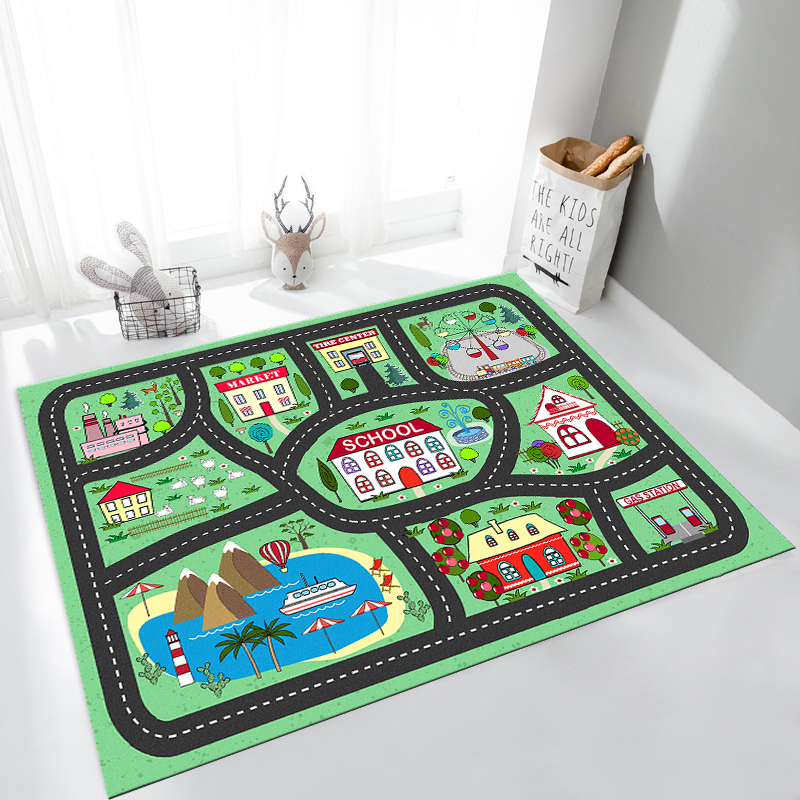
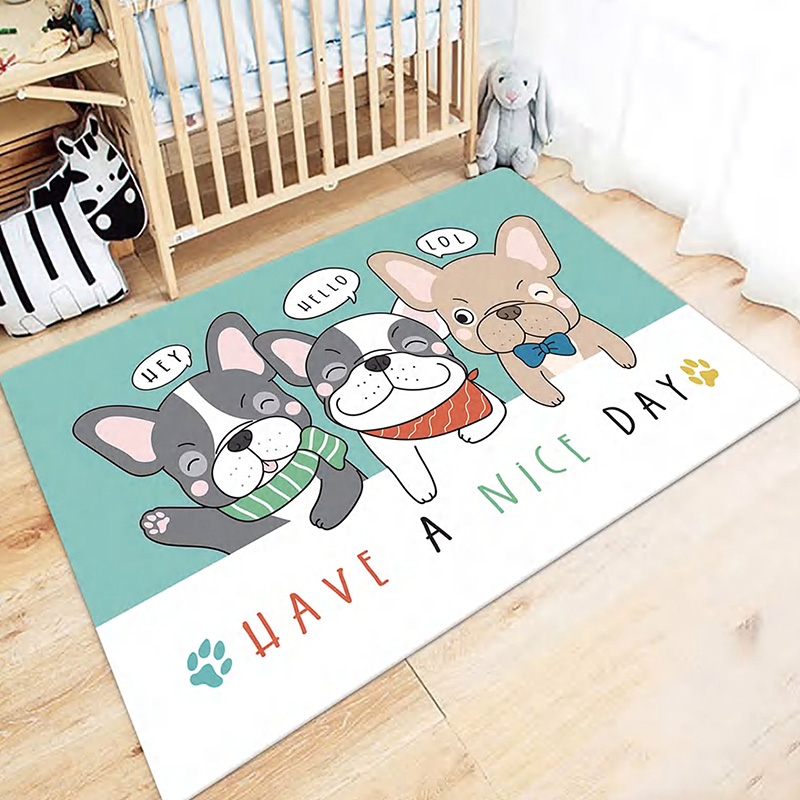
Material innovation is also influencing the Oriental Rugs sector. Traditional wool remains widely used due to its texture and durability, yet manufacturers are introducing blended fibers and synthetic alternatives aimed at improving stain resistance and easier maintenance. Families with children or pets often seek rugs capable of handling regular daily activity without requiring complicated cleaning routines. As a result, washable rug formats and low-maintenance surface treatments are becoming more common in newer collections.
Sustainability discussions are additionally affecting purchasing habits within the home décor industry. Some consumers are choosing longer-lasting decorative products instead of frequently replacing inexpensive furnishings. Oriental Rugs are often viewed as pieces that can remain part of interior spaces across changing design trends due to their decorative flexibility and durable construction. Manufacturers are also exploring recycled fibers, natural dyes, and environmentally conscious packaging approaches in response to evolving consumer expectations.
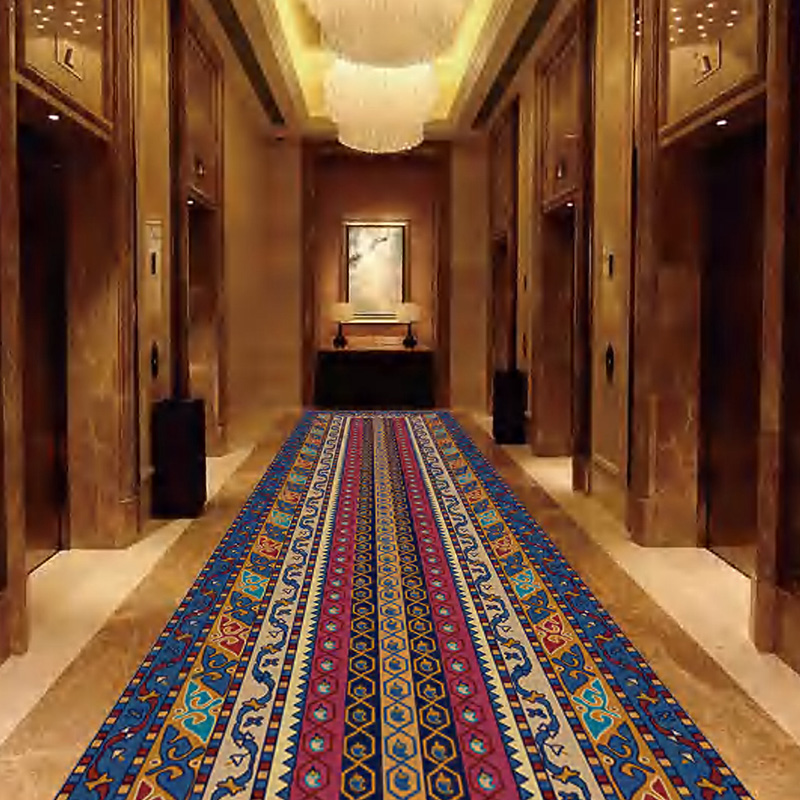
Hospitality businesses are finding creative applications for Oriental Rugs as well. Boutique hotels, cafés, restaurants, and co-working spaces often use patterned rugs to create inviting atmospheres and visually separate seating areas within open layouts. Decorative rugs can help soften large spaces and improve acoustic comfort in commercial interiors where hard flooring materials dominate.
Customization is becoming another noticeable trend in the Oriental Rugs market. Some retailers now offer size adjustments, color modifications, and personalized pattern selections suited to specific room dimensions or design preferences. This flexibility supports interior projects requiring unique layouts or coordinated decorative themes. Rug layering techniques are also becoming more popular, allowing homeowners to combine smaller patterned rugs with larger neutral floor coverings for added visual texture.
Manufacturing technology continues evolving alongside traditional weaving methods. Precision dyeing systems and digital pattern planning tools help manufacturers maintain consistent color application and detailed pattern alignment across production batches. At the same time, hand-finished details and artisan weaving techniques remain important selling points for consumers interested in decorative authenticity and textile craftsmanship.
Oriental Rugs remain connected to evolving home décor habits, textile innovation, and modern interior styling culture. Decorative versatility, material development, digital retail growth, and renewed appreciation for woven textures continue shaping the market across residential and commercial spaces.