 0
0
 Language
  英语
英语 阿拉伯语
阿拉伯语 德语
德语
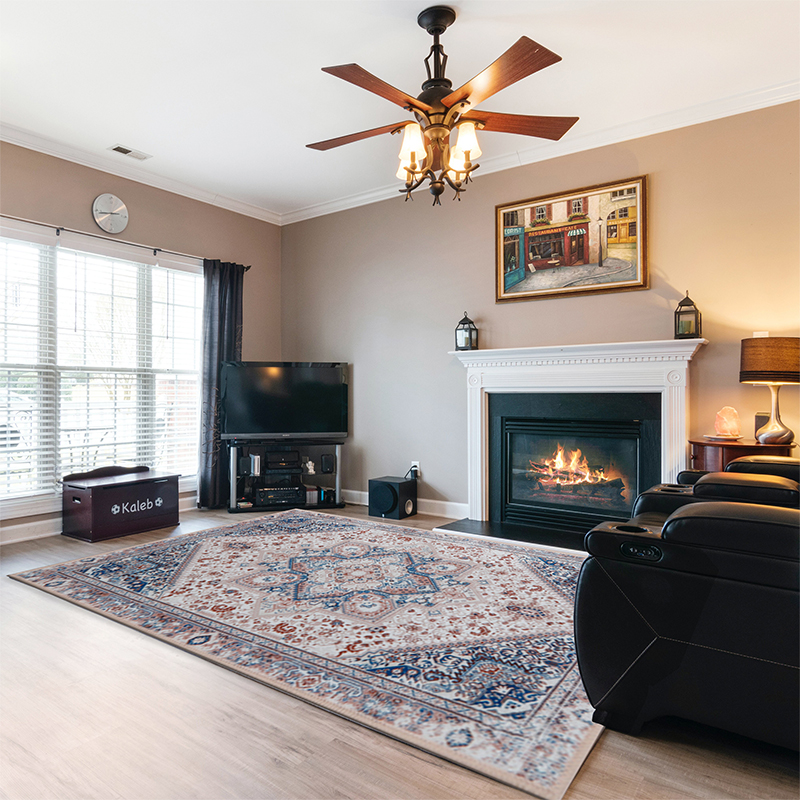
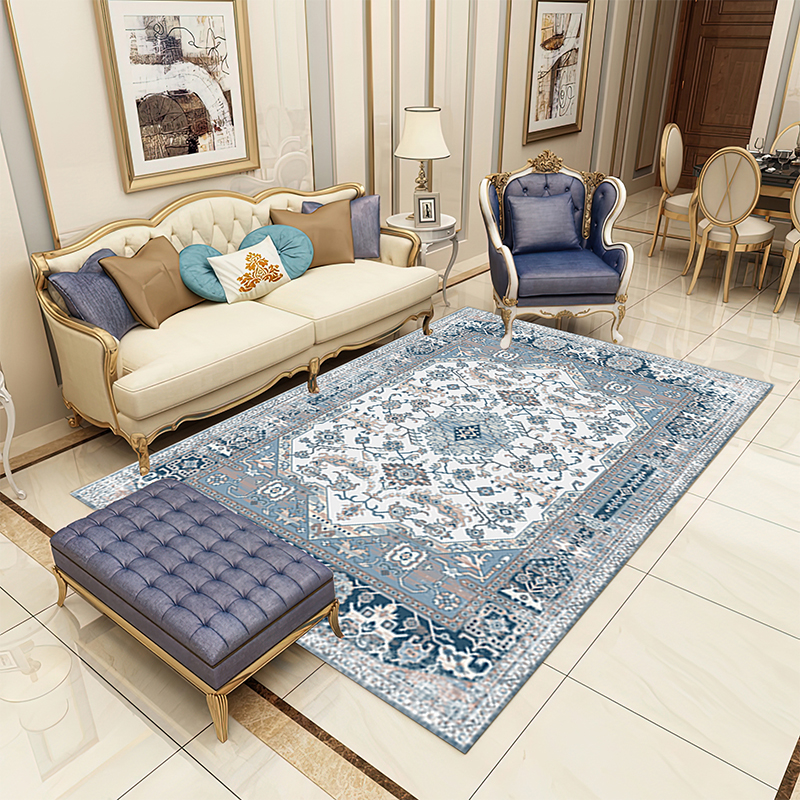
Washable rugs have become a defining product in modern home décor, offering versatility and style without sacrificing convenience. Companies producing these rugs focus on combining aesthetic appeal with functionality, allowing homeowners to enjoy patterned and textured surfaces without worrying about difficult cleaning processes.
The production of washable rugs begins with careful material selection. High-quality fibers such as cotton blends, synthetic microfibers, and recycled yarns are chosen based on durability, softness, and color retention. These fibers undergo rigorous testing to ensure that they maintain their shape, resist shedding, and hold vibrant patterns even after repeated exposure to water and detergent. Engineers and designers collaborate during this phase to evaluate how different fibers interact with dyes and weaving techniques, producing rugs that meet both functional and aesthetic standards.
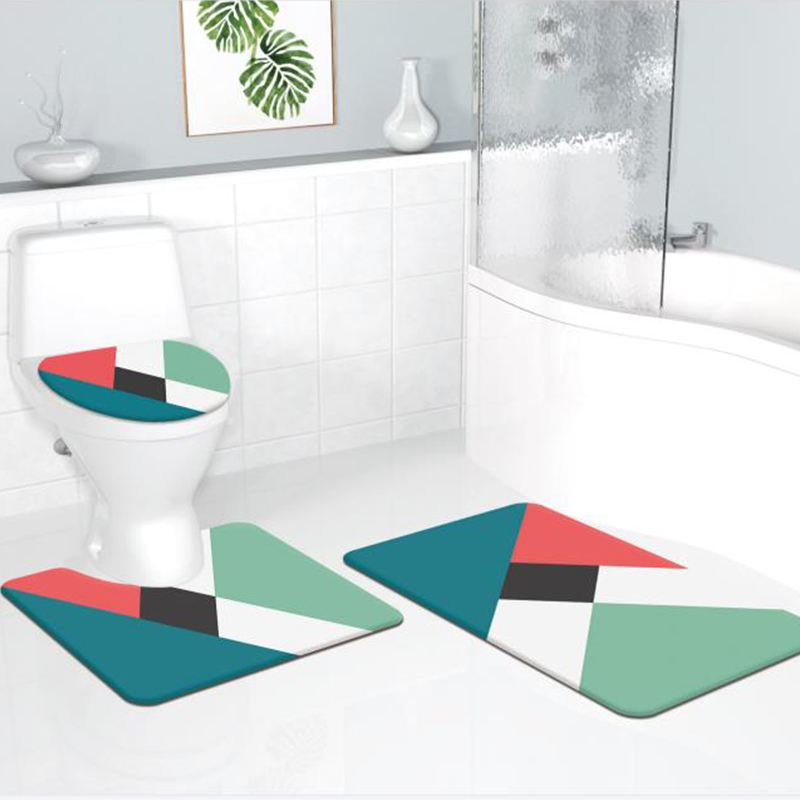
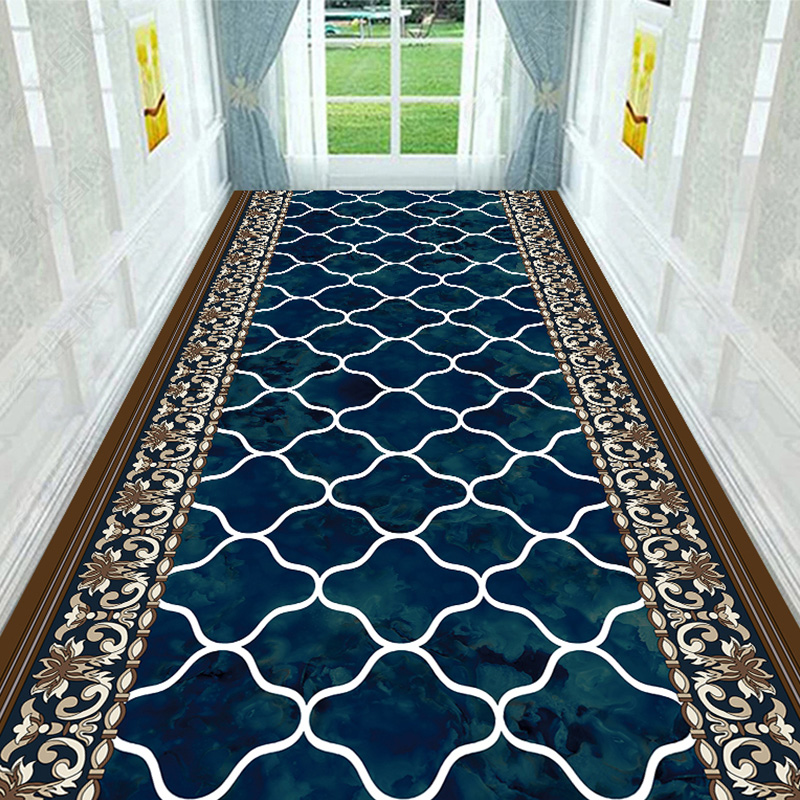
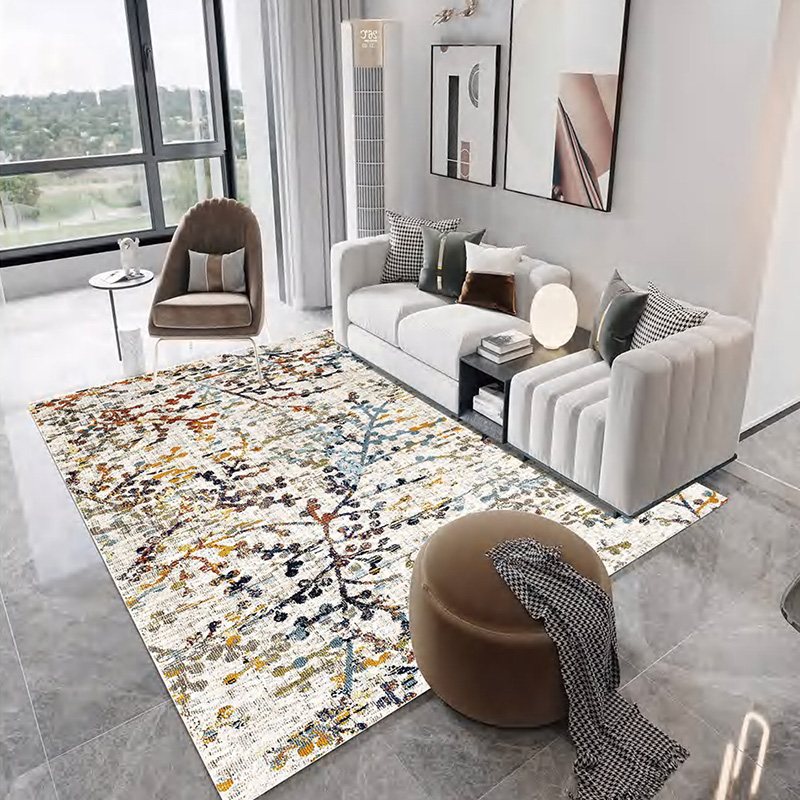
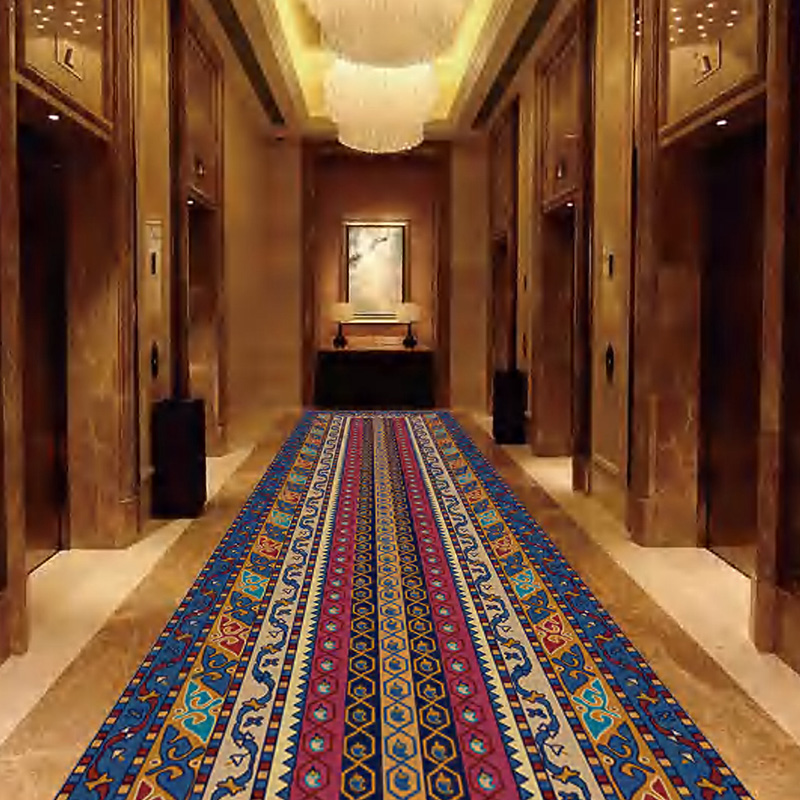
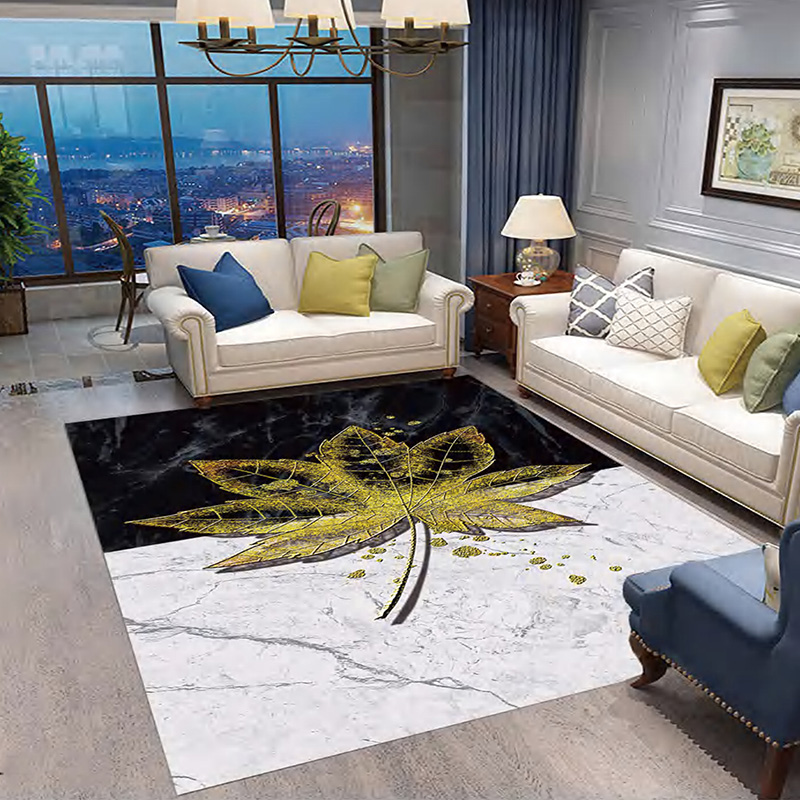
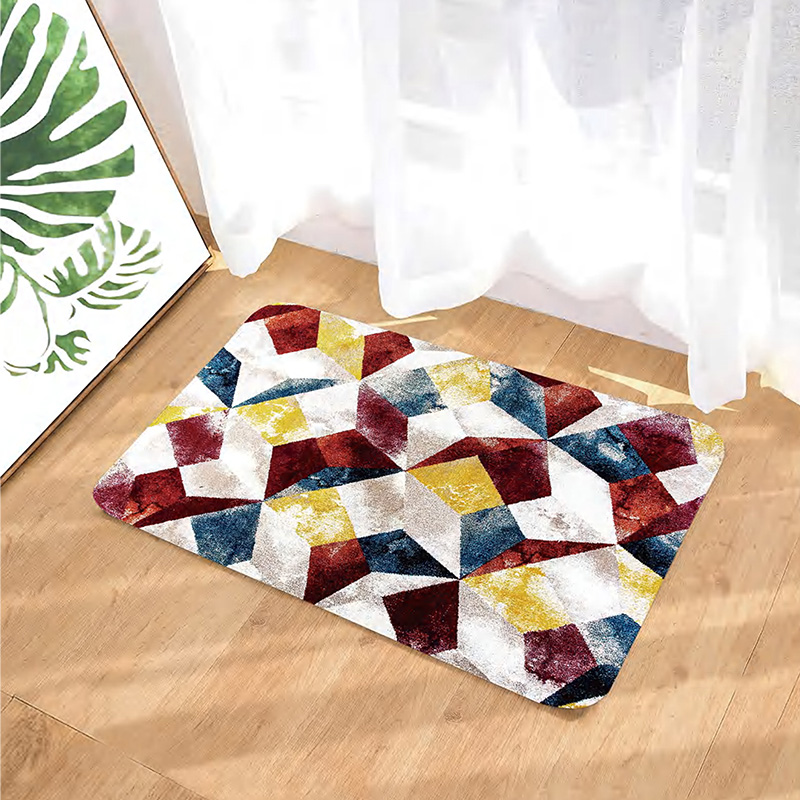
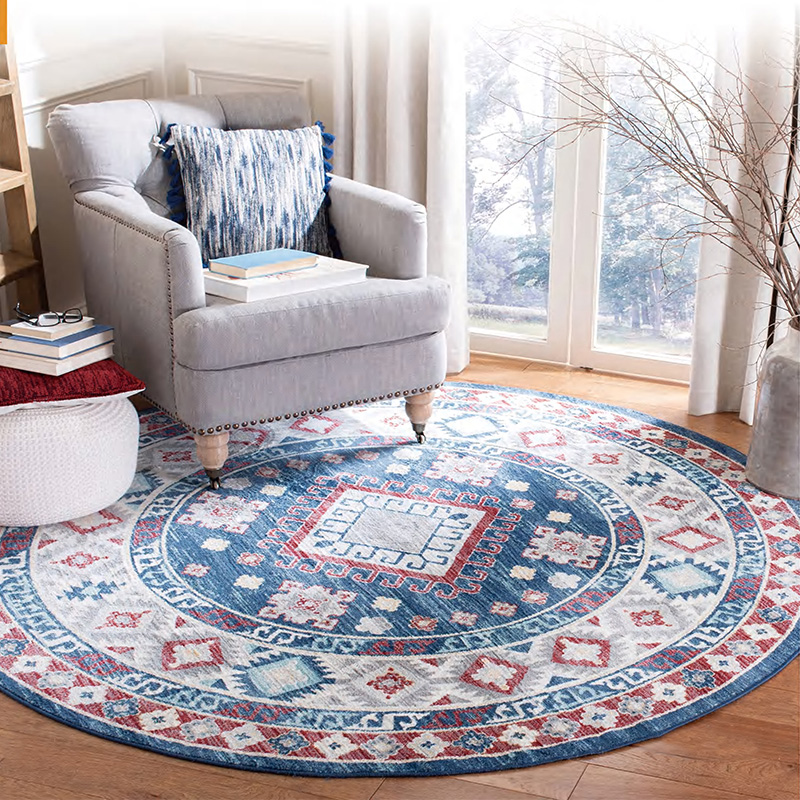
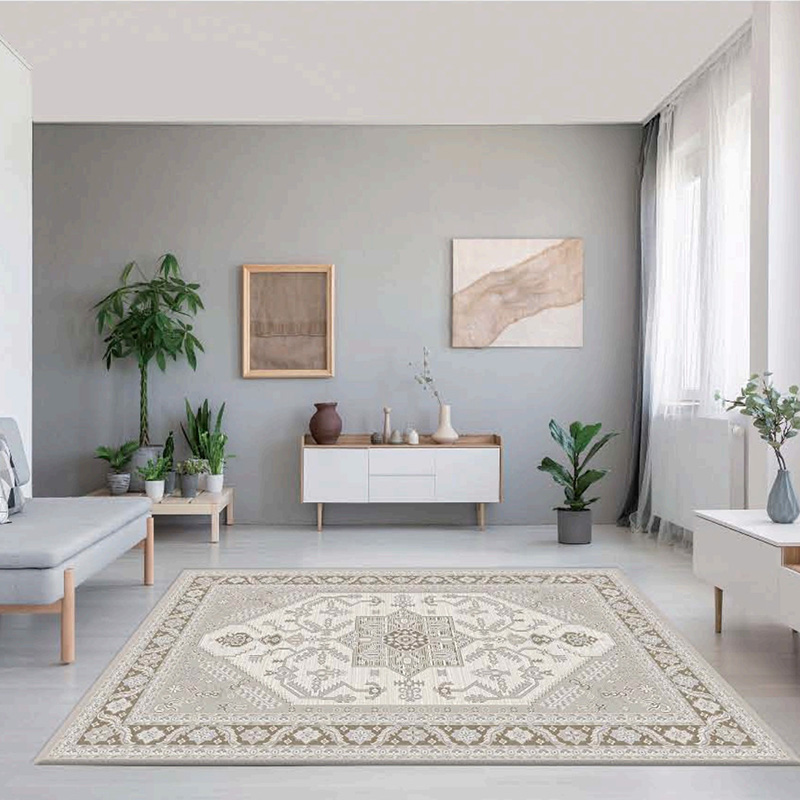
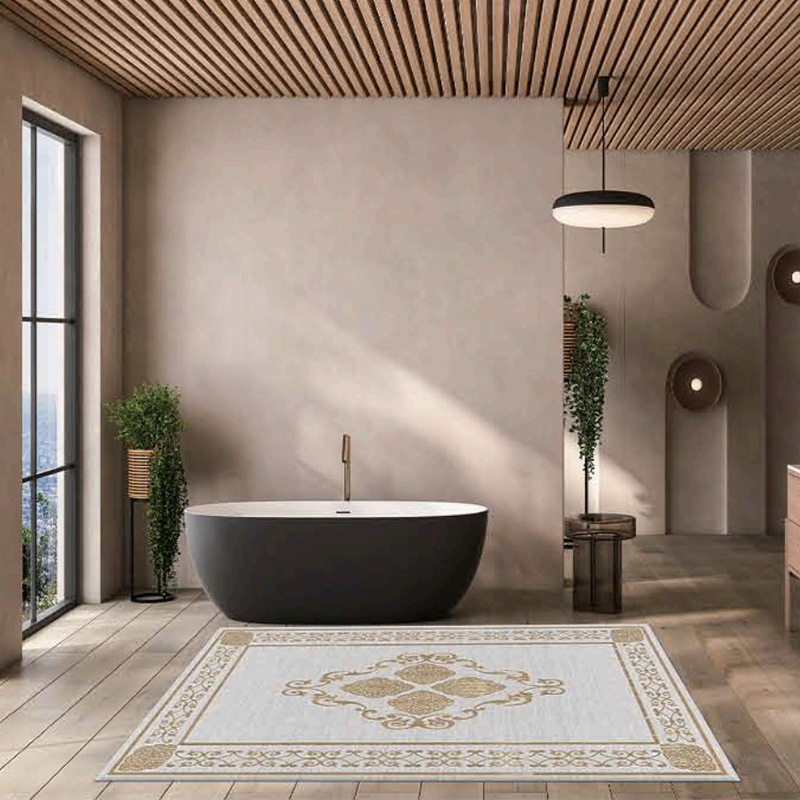
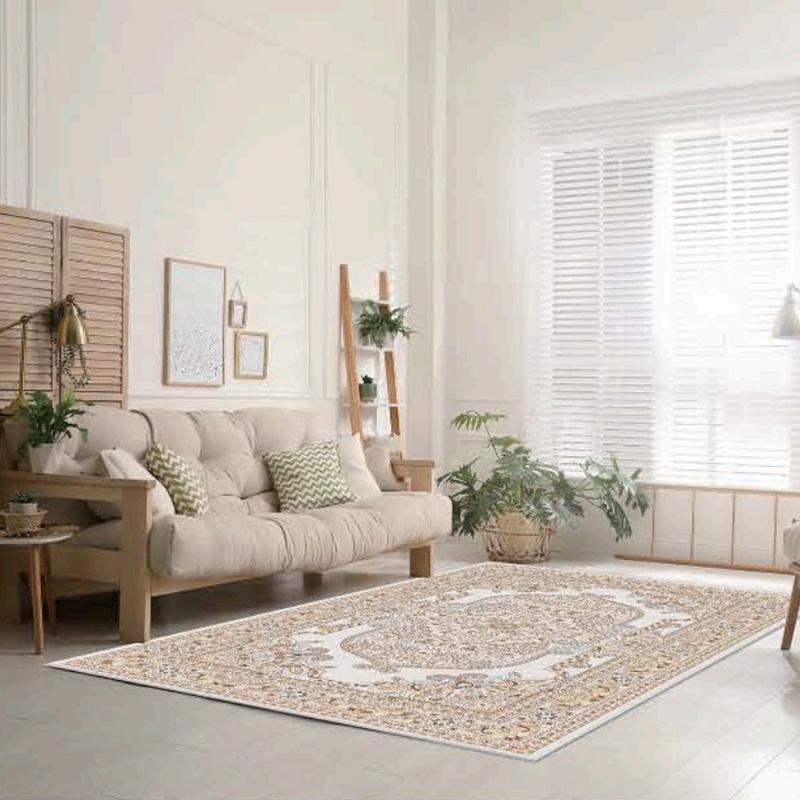
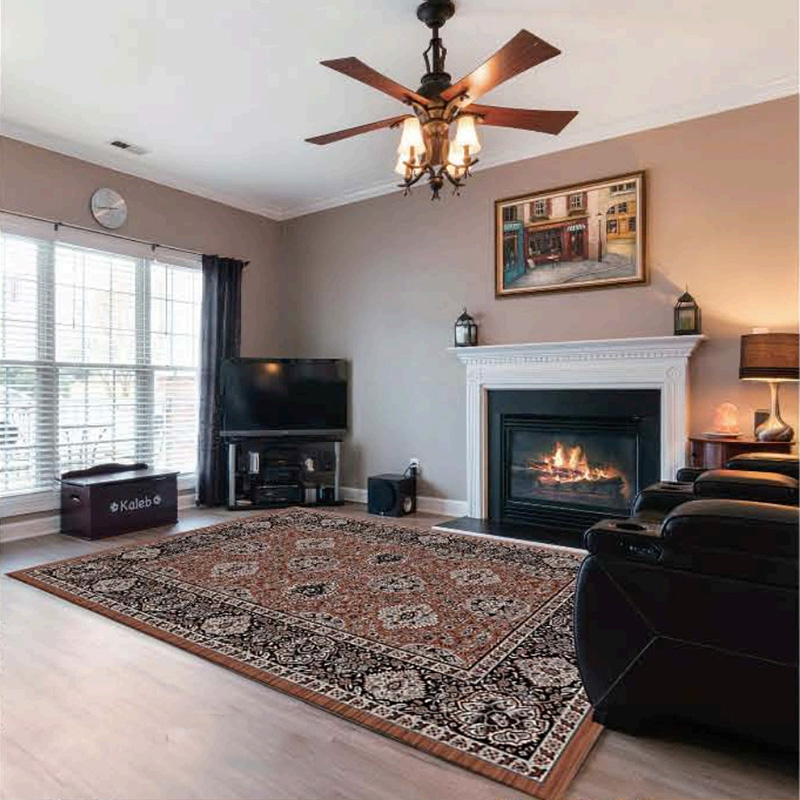
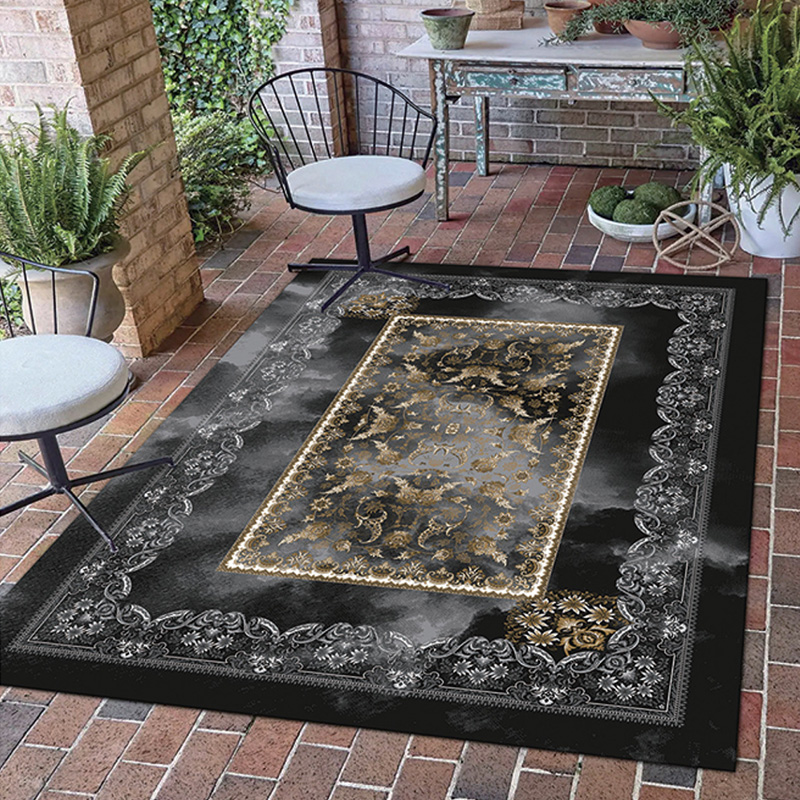
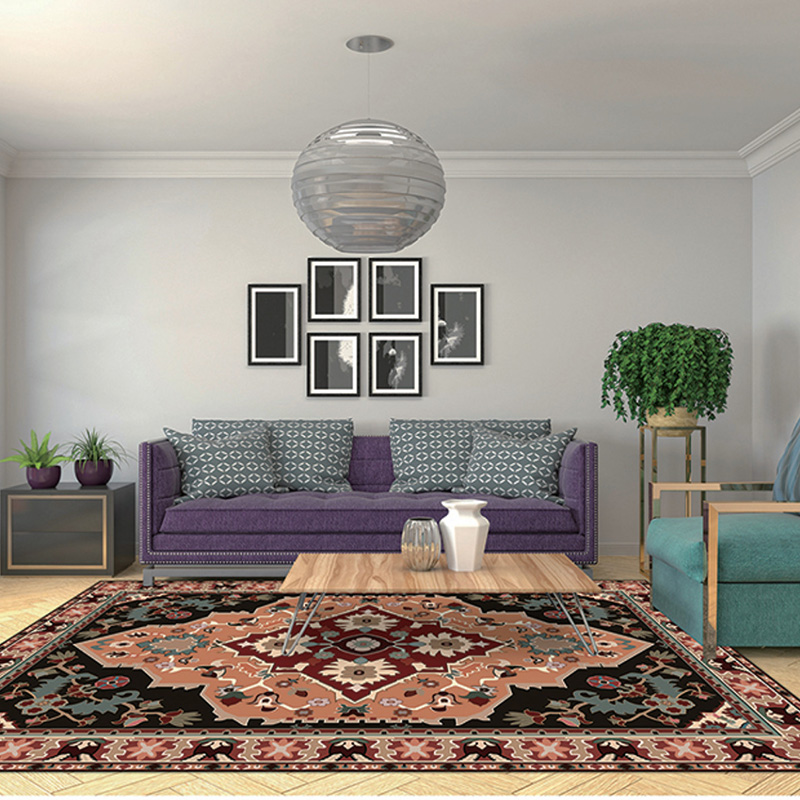
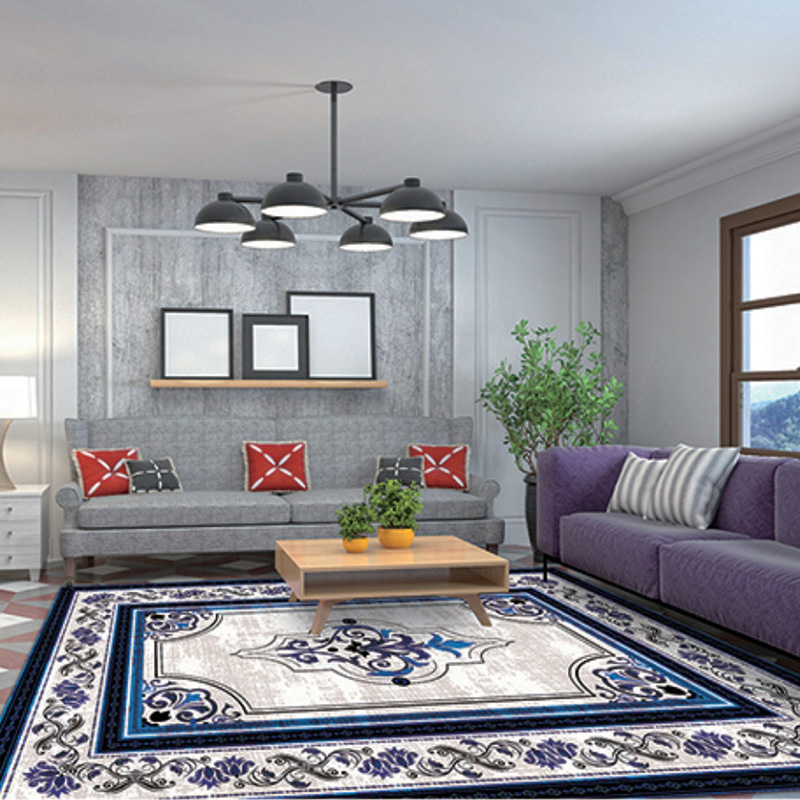
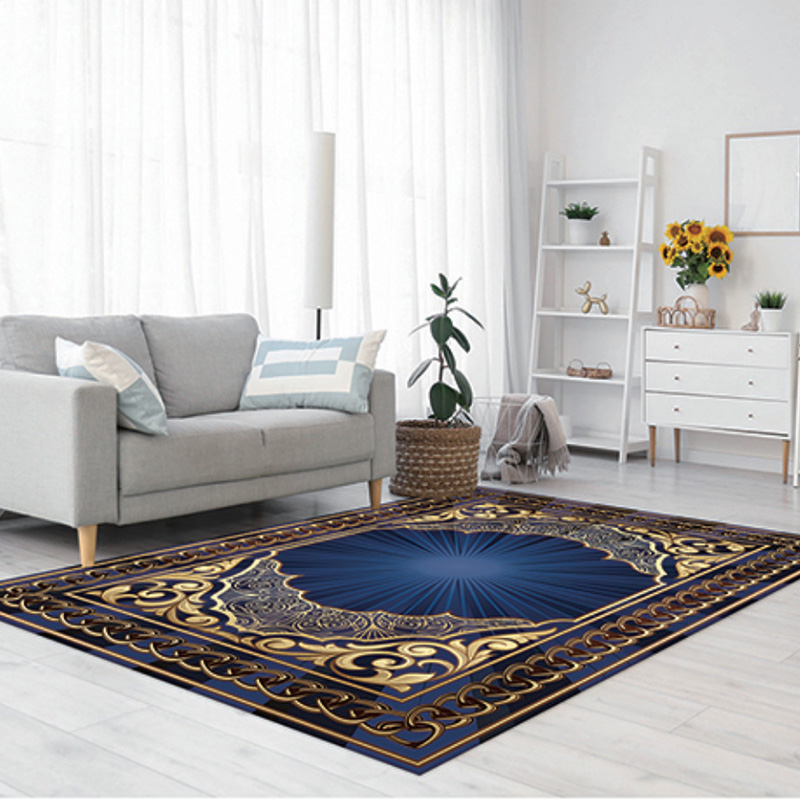
Design plays a central role in the rug development process. Teams of designers explore patterns, textures, and color combinations, considering how each rug will integrate with varied interior styles. A bold geometric pattern can energize a living room, while a subtle textured weave adds depth to a quiet bedroom. Every choice in pattern, color saturation, and fiber alignment reflects a deliberate attempt to balance style with usability. Prototype rugs are reviewed repeatedly, adjusting weaving density, pile height, and edge finishing to achieve a product that performs well during both use and cleaning.
Manufacturing techniques in washable rug production combine traditional weaving practices with modern machinery. Jacquard looms, tufting machines, and flat-weave presses are used to create intricate patterns and consistent textures. Artisans pay special attention to edge finishing and backing materials, ensuring that each rug maintains its shape over time. The integration of these techniques allows for rugs that can be machine-washed or hand-washed without losing structure, softness, or visual appeal.
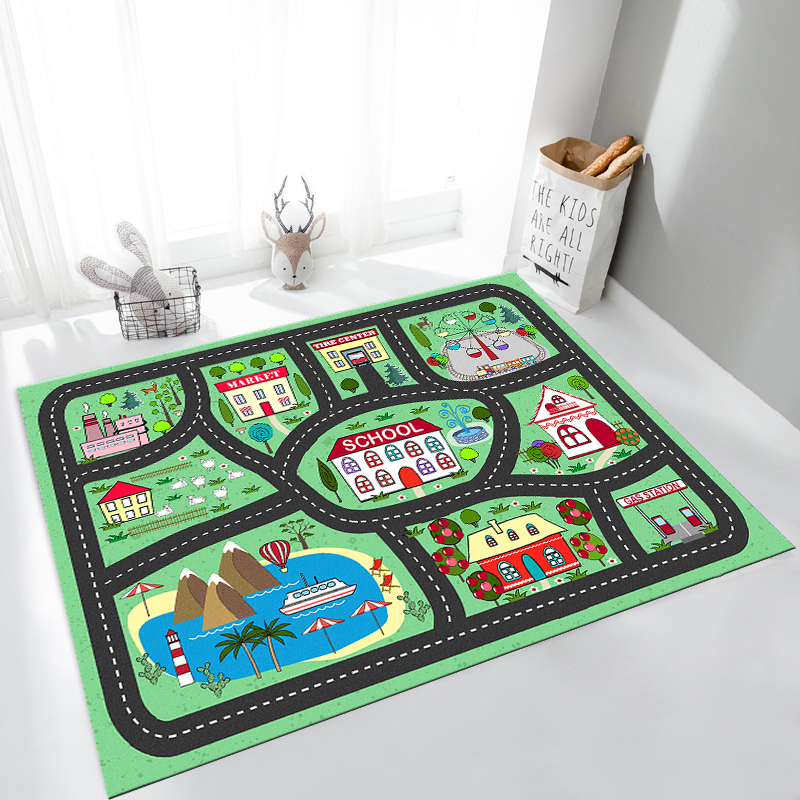
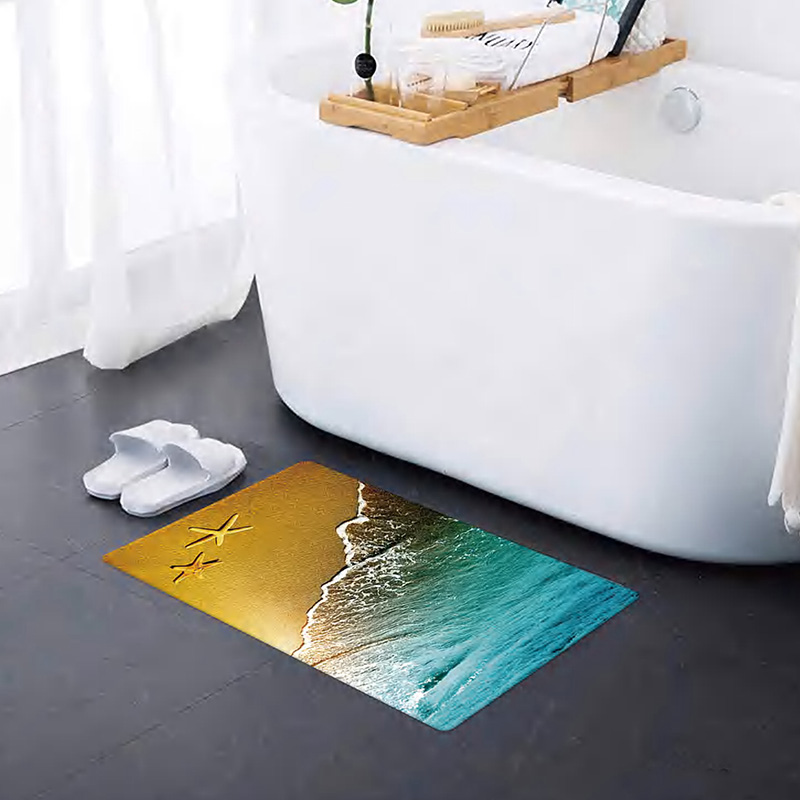
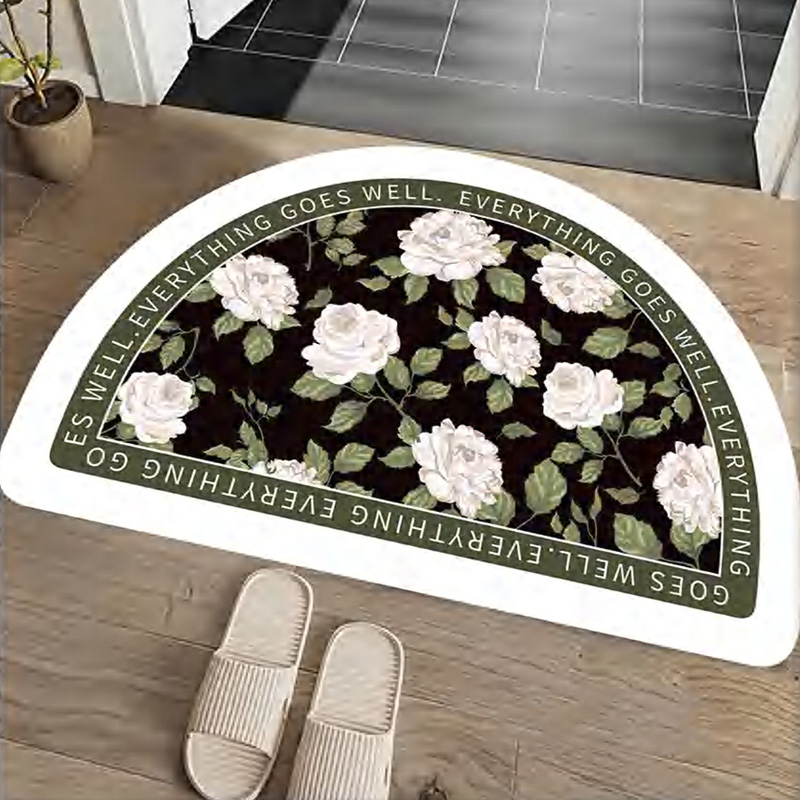
Color application is another critical aspect of production. Dyes are selected for their ability to penetrate fibers deeply, producing patterns that remain clear after multiple washes. Some companies employ digital printing methods to reproduce complex designs with precision, enabling motifs that range from playful abstract shapes to detailed floral patterns. Designers evaluate these color processes not only for appearance but also for how they interact with different fiber types and pile structures.
Attention to detail continues into final inspections. Each rug is measured for size accuracy, checked for weaving consistency, and inspected for color fidelity. Any deviation is corrected before packaging. This meticulous process ensures that the rugs delivered to customers reflect the intended design and meet the company’s standards for usability. Customers can then place these rugs in high-traffic areas, confident that they will maintain both appearance and texture.
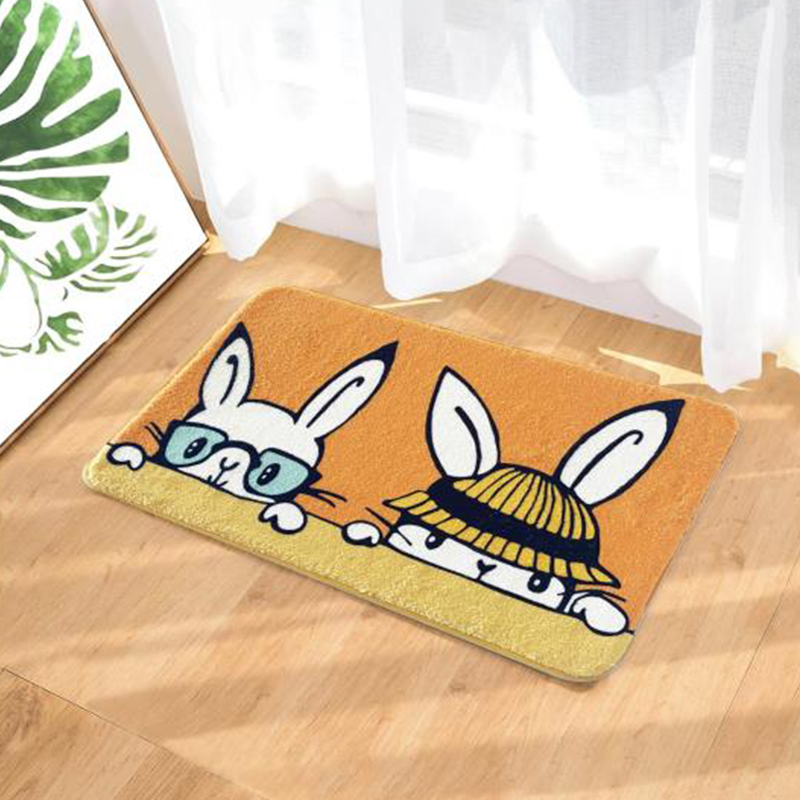
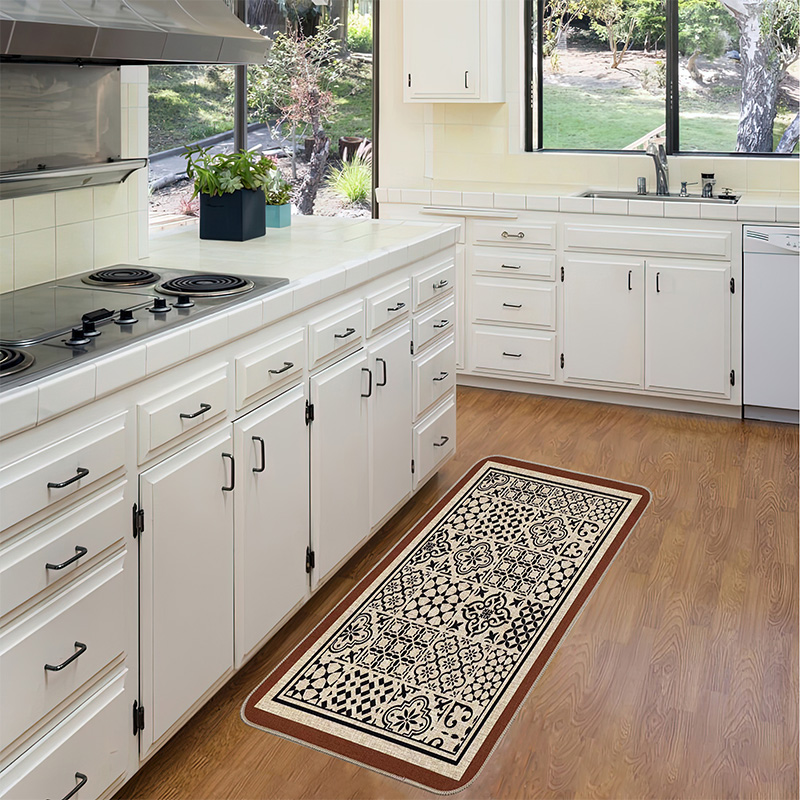
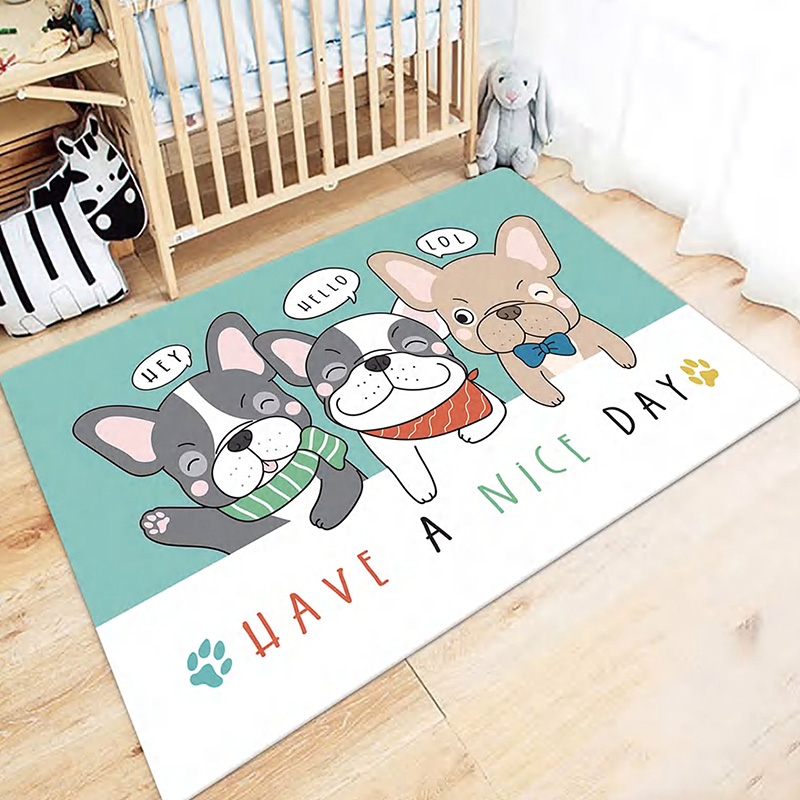
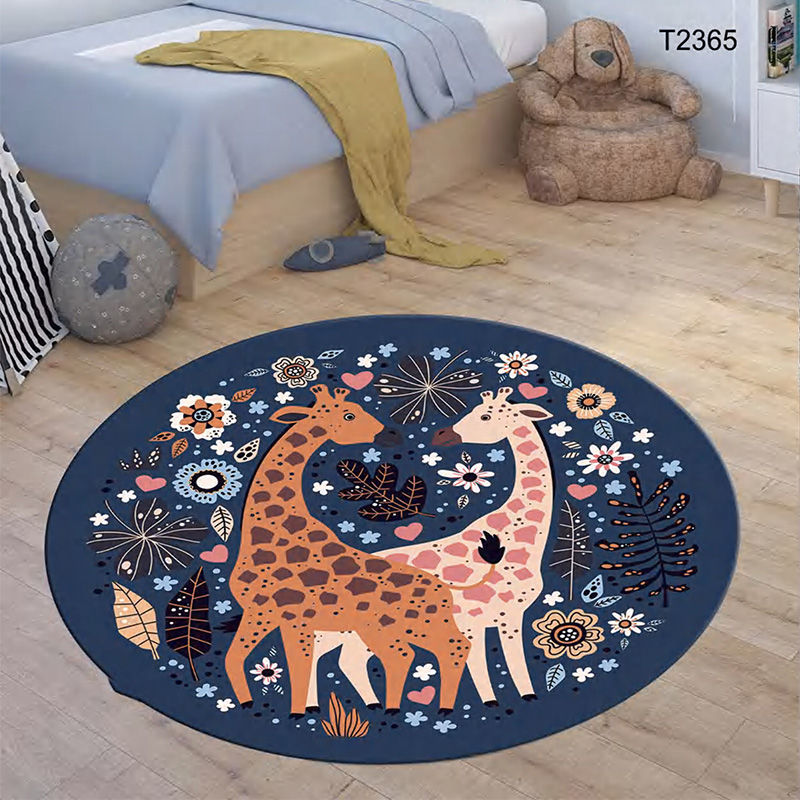
Companies producing washable rugs also focus on creating collections that cater to diverse tastes. Minimalist monochrome rugs sit alongside vibrant, multicolored options. Textures range from smooth, low-pile surfaces to plush, looped fibers that create a tactile experience underfoot. Each rug is engineered to handle common household conditions, from accidental spills to pet activity, making them practical choices for family homes, apartments, and even office spaces.
Washable rugs have redefined what homeowners can expect from floor coverings. They offer stylish design, tactile comfort, and ease of cleaning in one package. The result is a product that resonates in diverse home settings, making it a versatile choice for anyone seeking functional and attractive floor solutions.