 0
0
 Language
  英语
英语 阿拉伯语
阿拉伯语 德语
德语
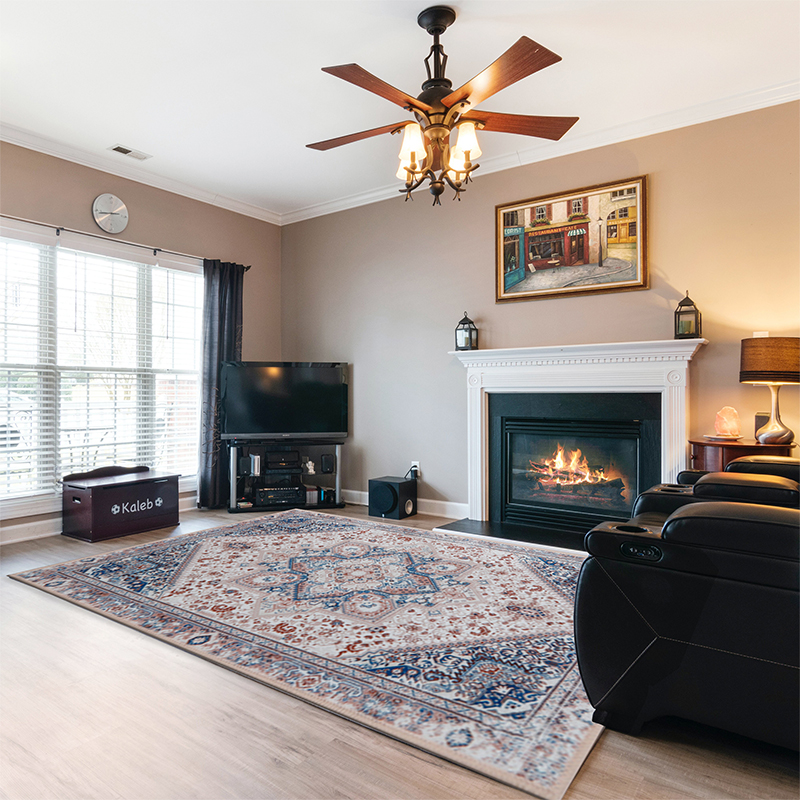
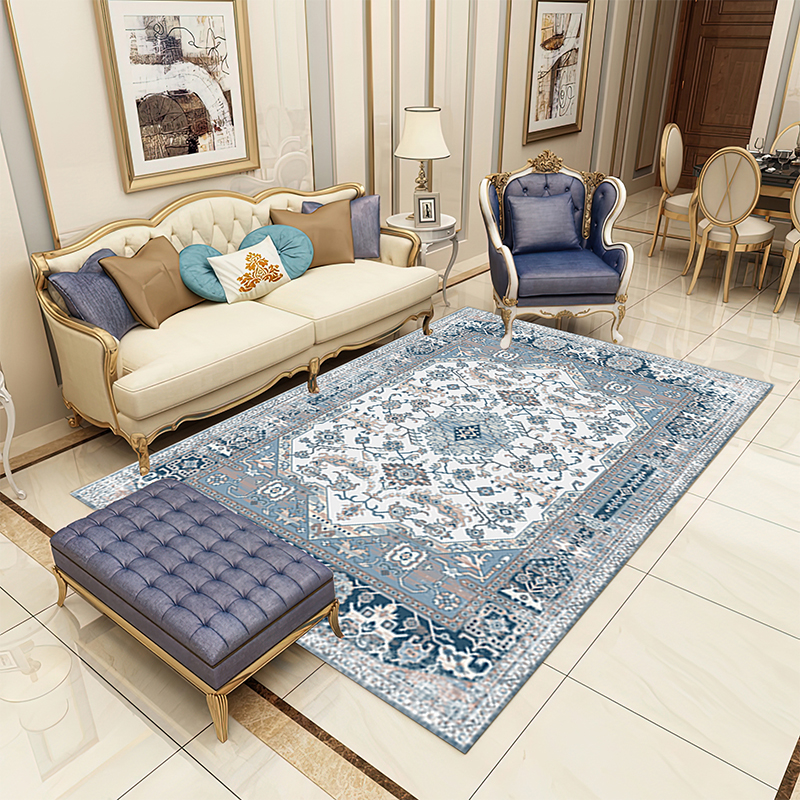
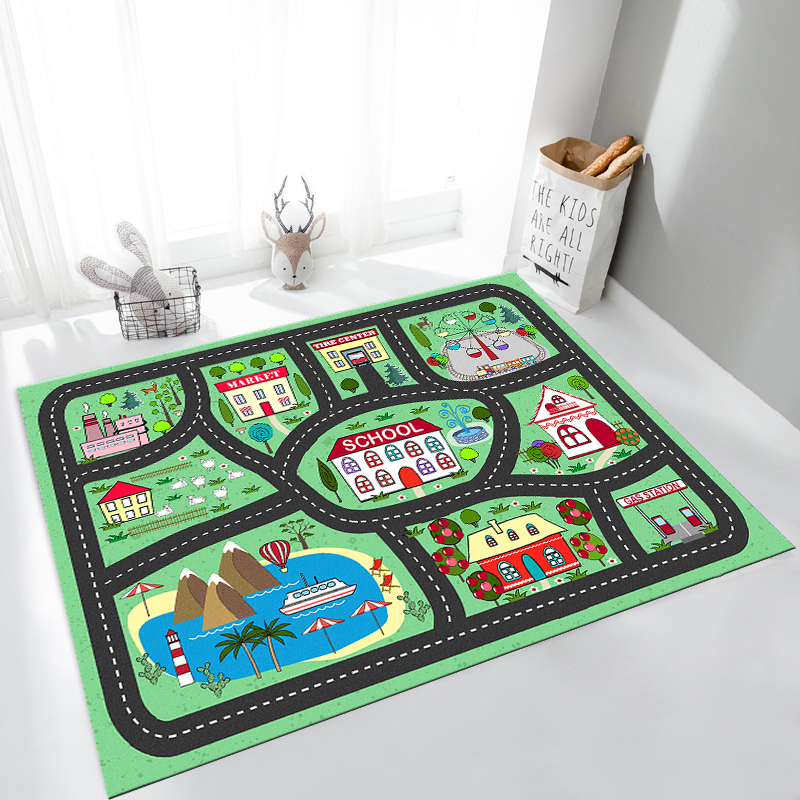
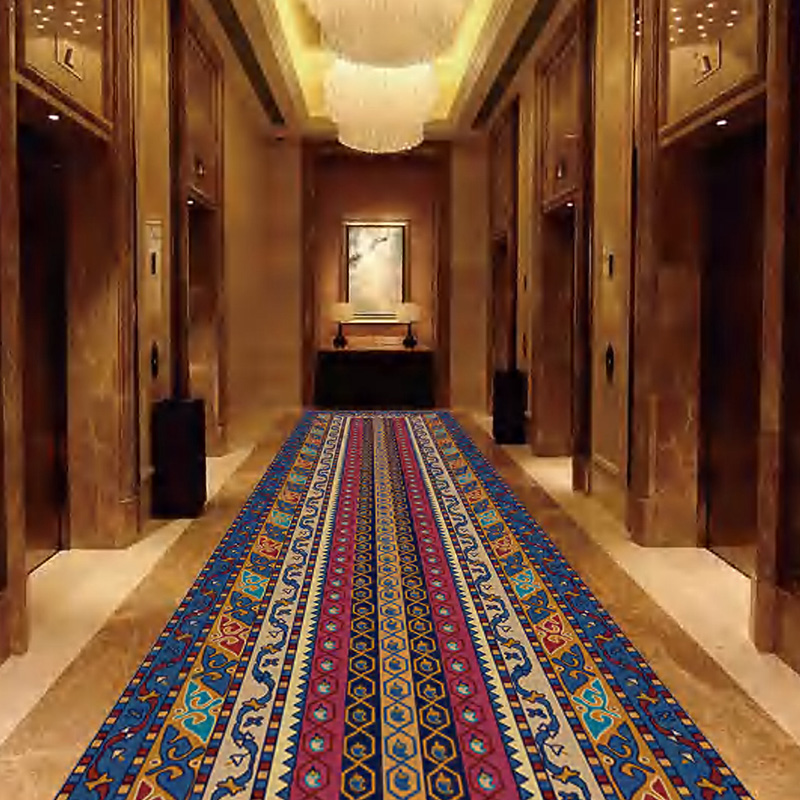
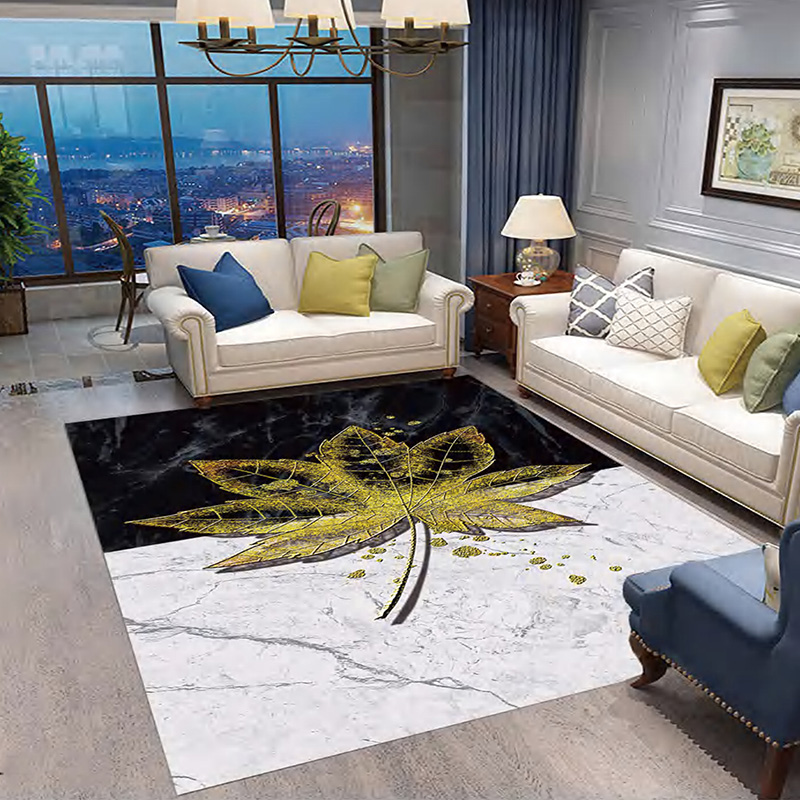
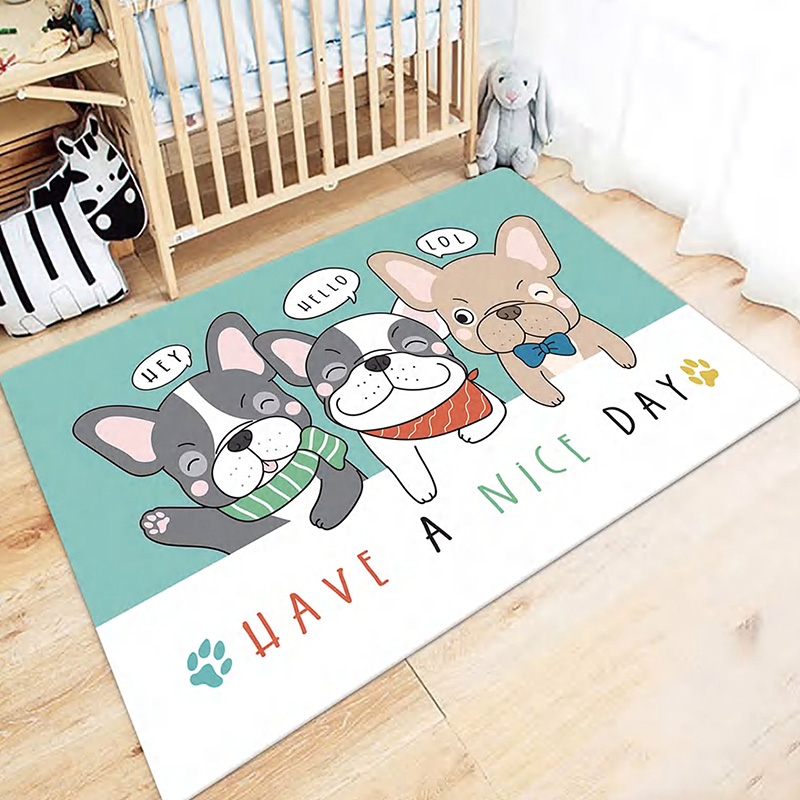
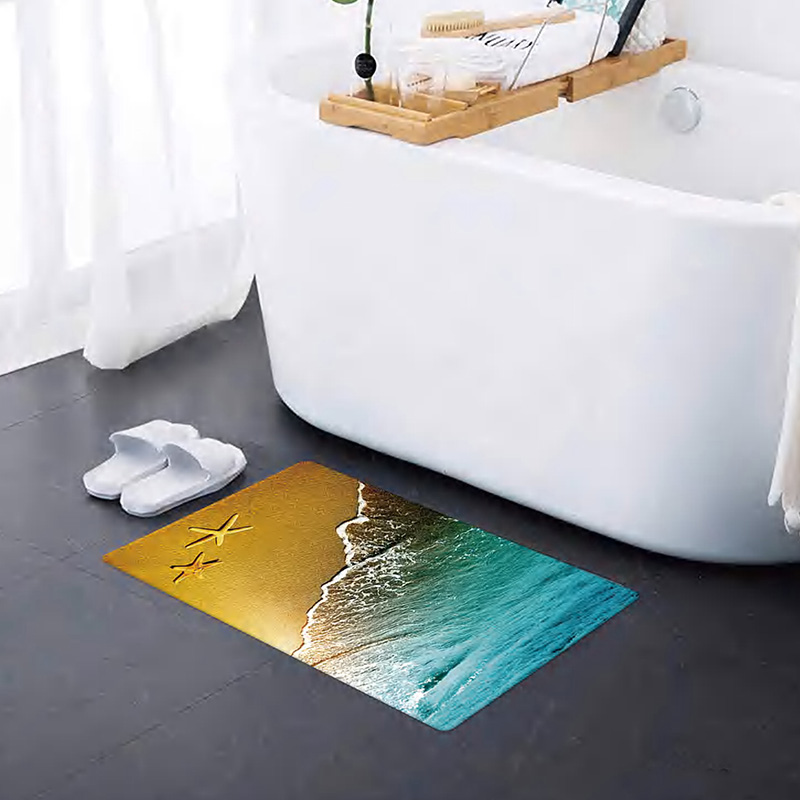
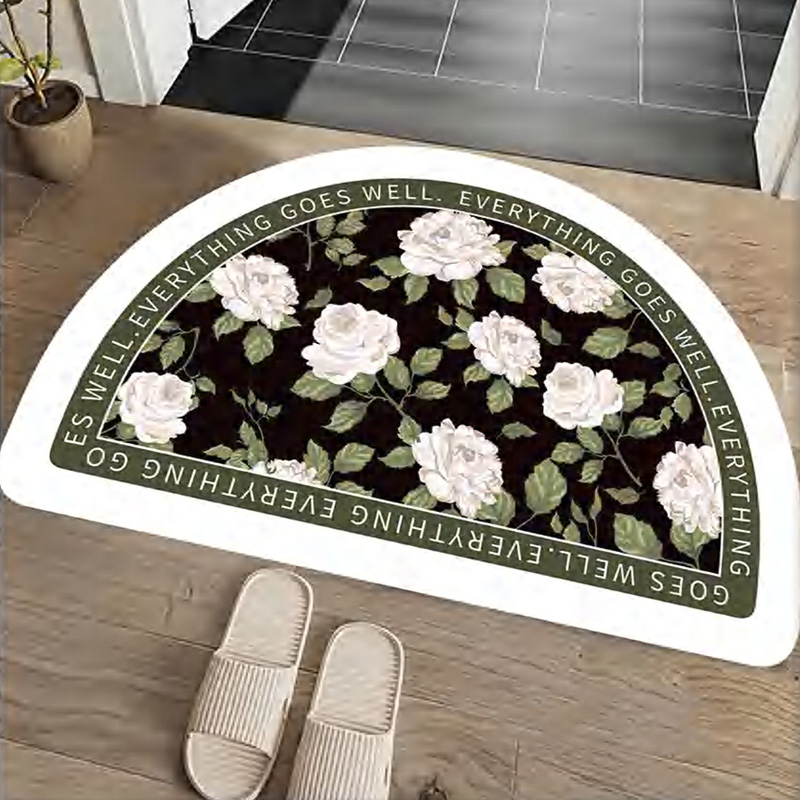
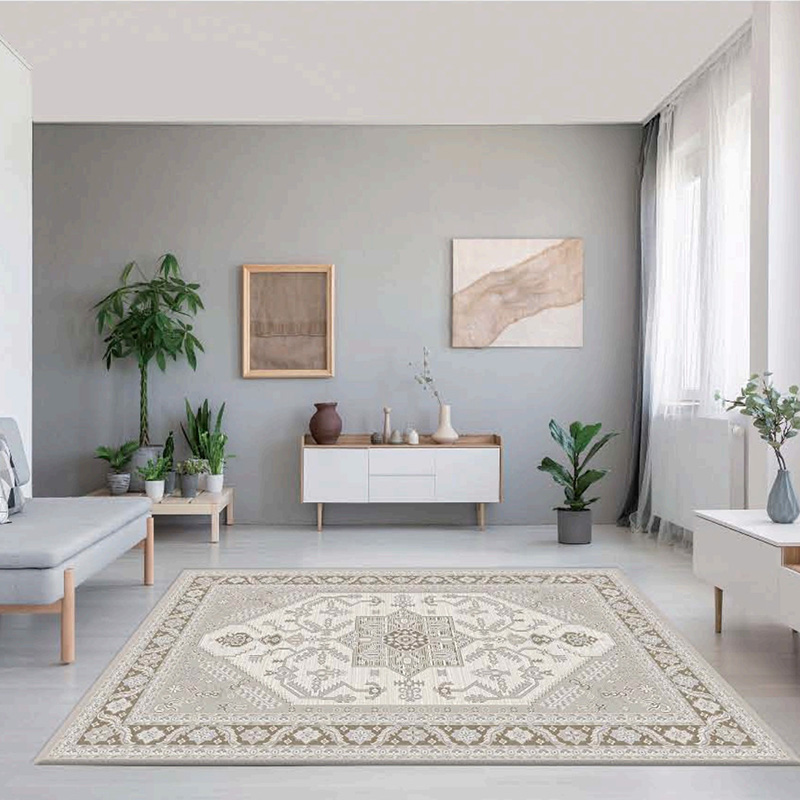
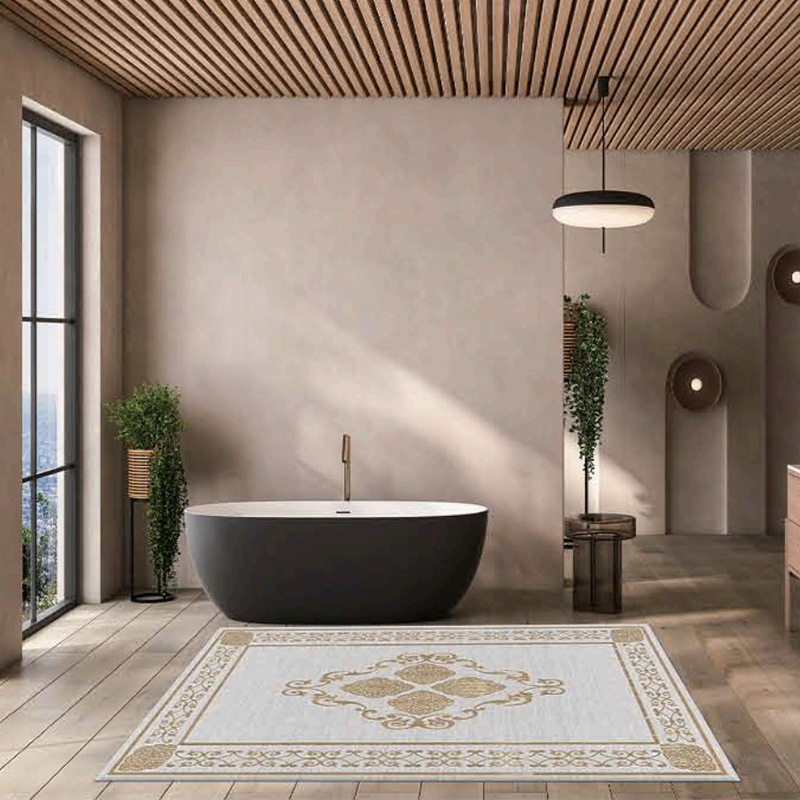
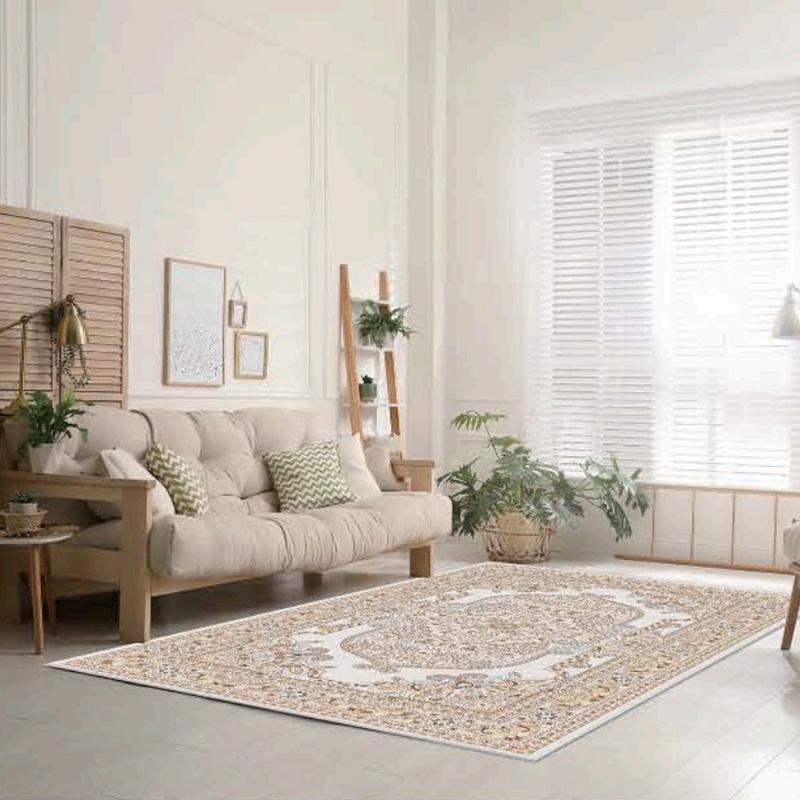
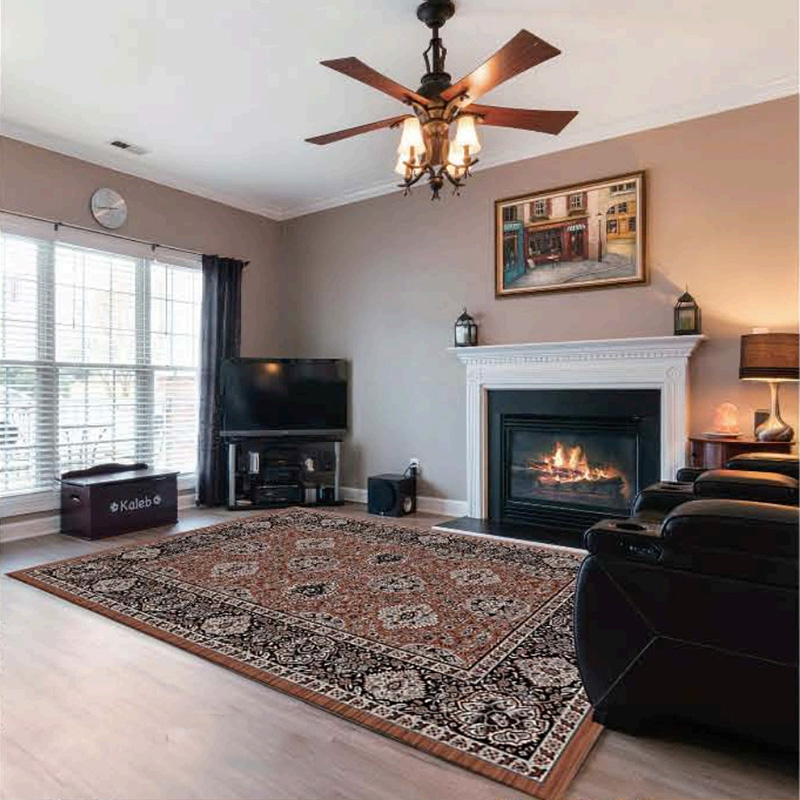
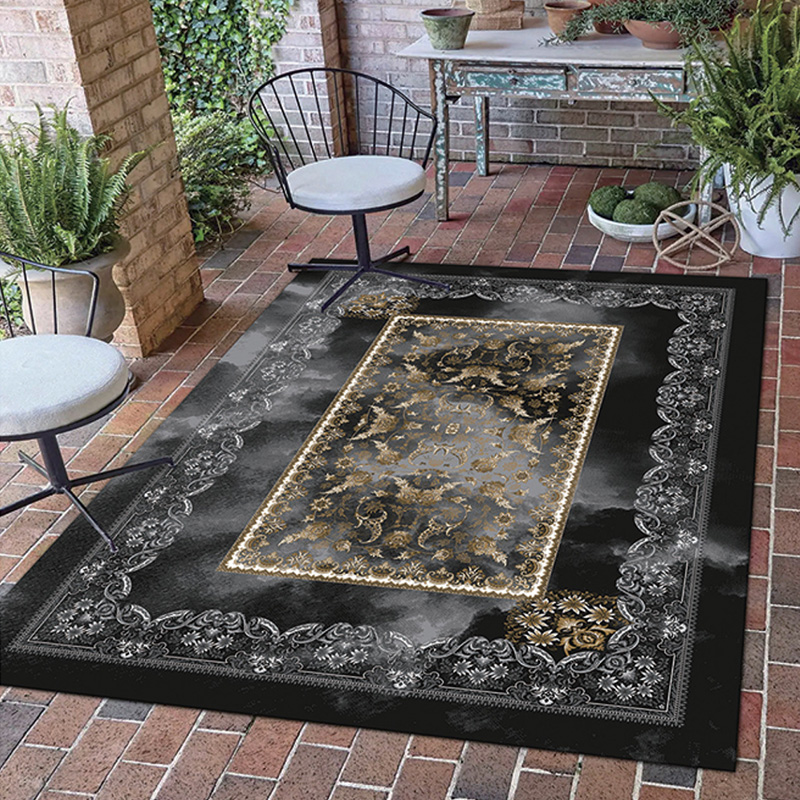
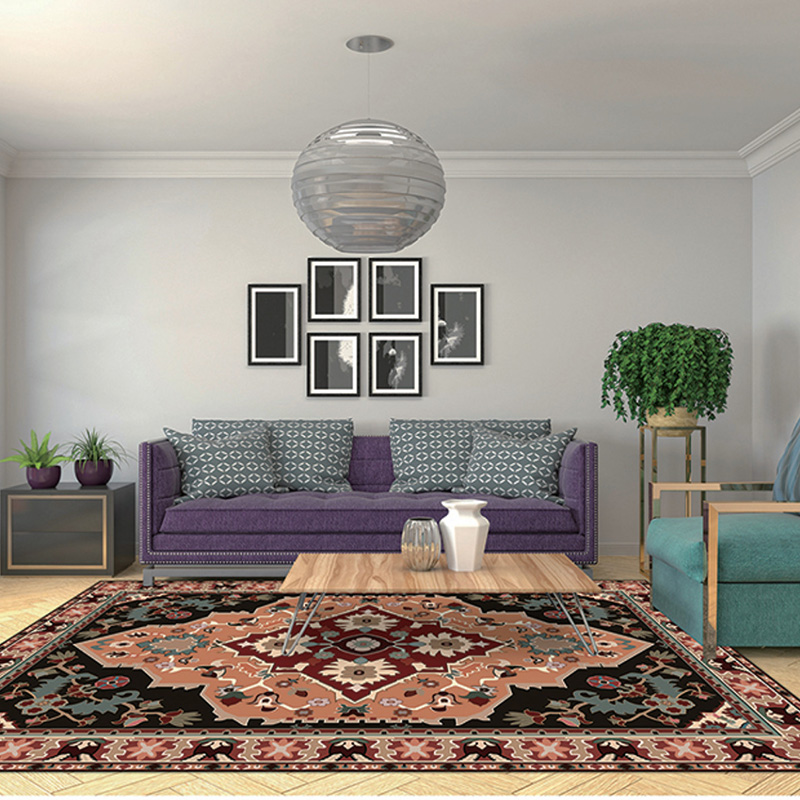
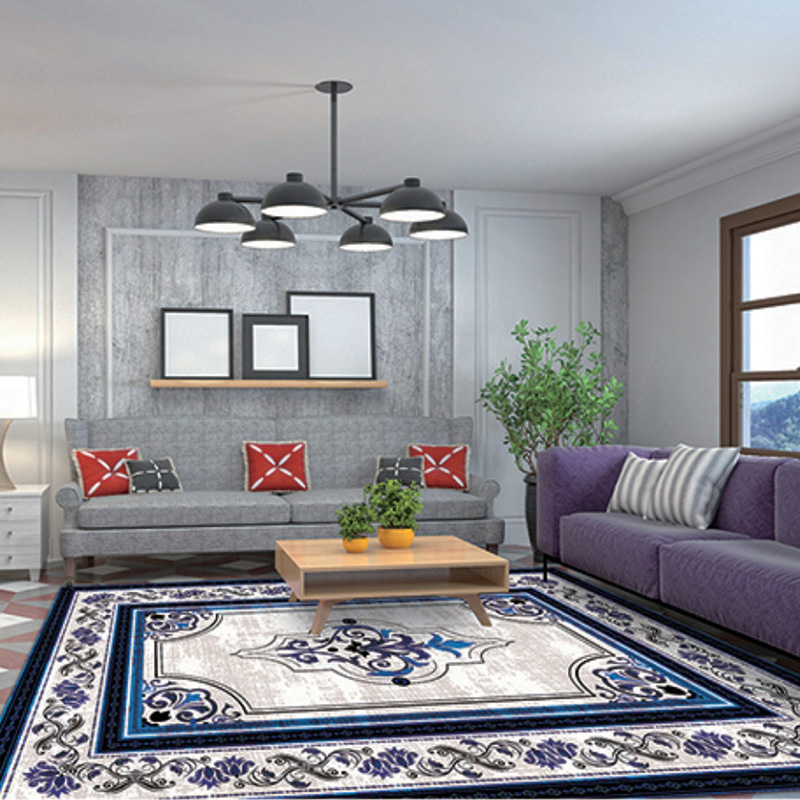
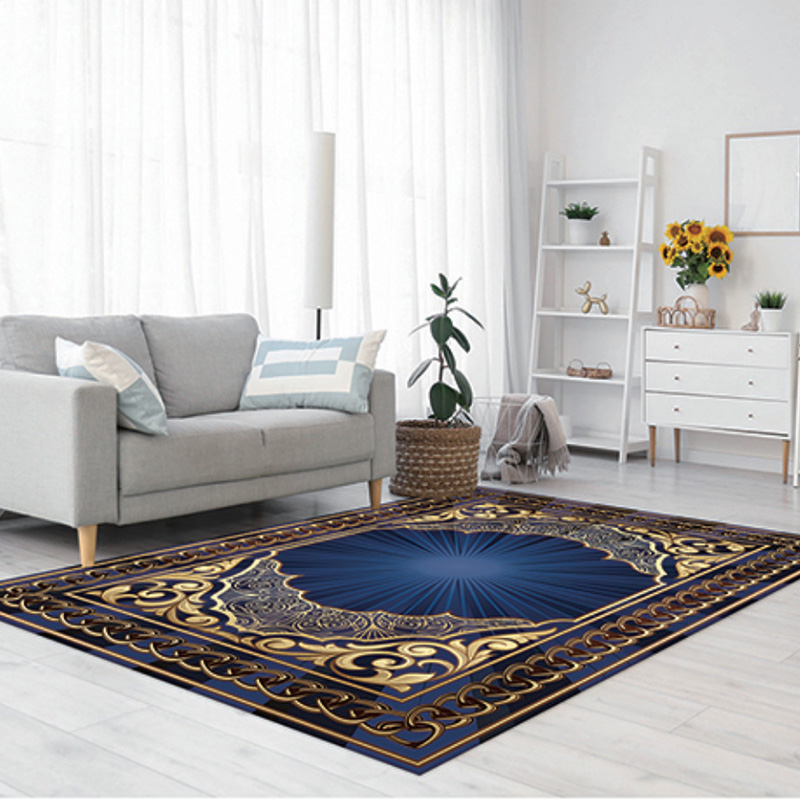
Custom Rugs are gaining attention as personalized floor coverings that combine function, creativity, and individual expression. In a world where interiors increasingly reflect personal tastes and lifestyles, custom rugs serve as a platform for translating design ideas into tangible textures beneath one’s feet. Custom rugs offer flexibility in size, pattern, and color, inviting both designers and homeowners to participate in creating floor coverings that align with specific aesthetic preferences or spatial needs.
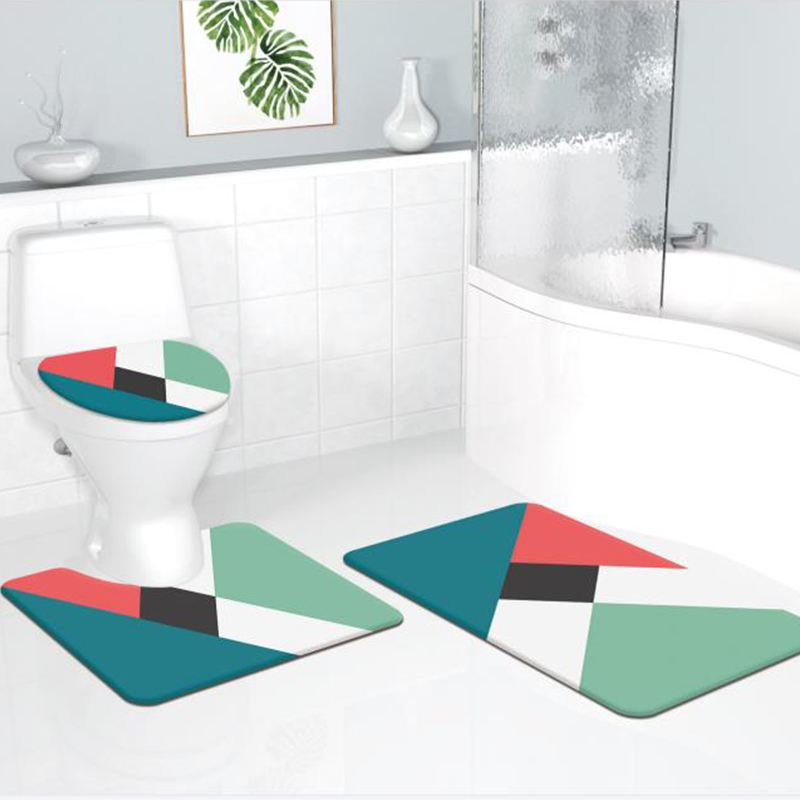
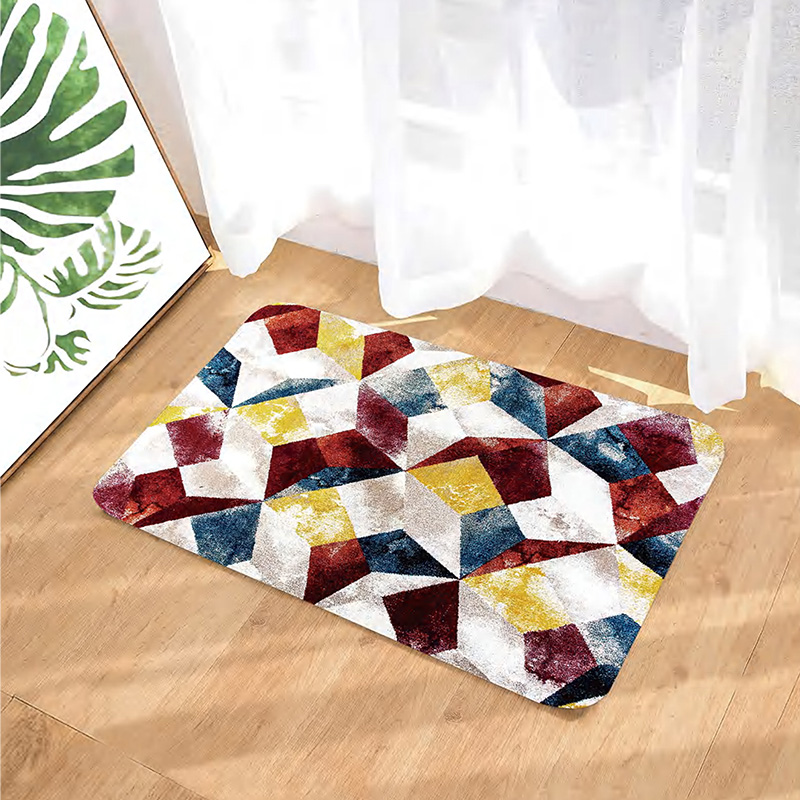
Custom rugs begin as ideas. Designers and customers collaborate to determine how the rug will look and function within a particular space. This process involves selecting materials, choosing patterns or motifs, and defining dimensions that match room proportions. Tailored decisions in the rug’s design phase let a bold geometric pattern echo contemporary interiors or a subtle textured design complement traditional décor, matching the room’s visual narrative.
Materials play a key role in how custom rugs feel and perform. Wool, known for its softness and natural resilience, is a common choice for rugs intended to be comfortable underfoot. Cotton blends and synthetic fibers offer lighter options that often come with vibrant colors and distinctive textures. The selection of fibers influences not only appearance but also tactile sensation, making custom rugs pleasant to walk on, sit near, or place under furniture.
Once design choices are finalized, production begins. The company utilizes a combination of skilled artisans and carefully calibrated machinery to transform yarns into finished rugs. Weaving techniques vary depending on the desired effect. Hand‑tufted rugs produce a lively surface that captures subtle variations in pile height and pattern, making each piece feel unique. Machine‑made rugs offer precise pattern repetition and consistency across larger batches. Attention to fiber alignment, edge finishing, and color fidelity shapes the production process, ensuring the final product matches the design intent.
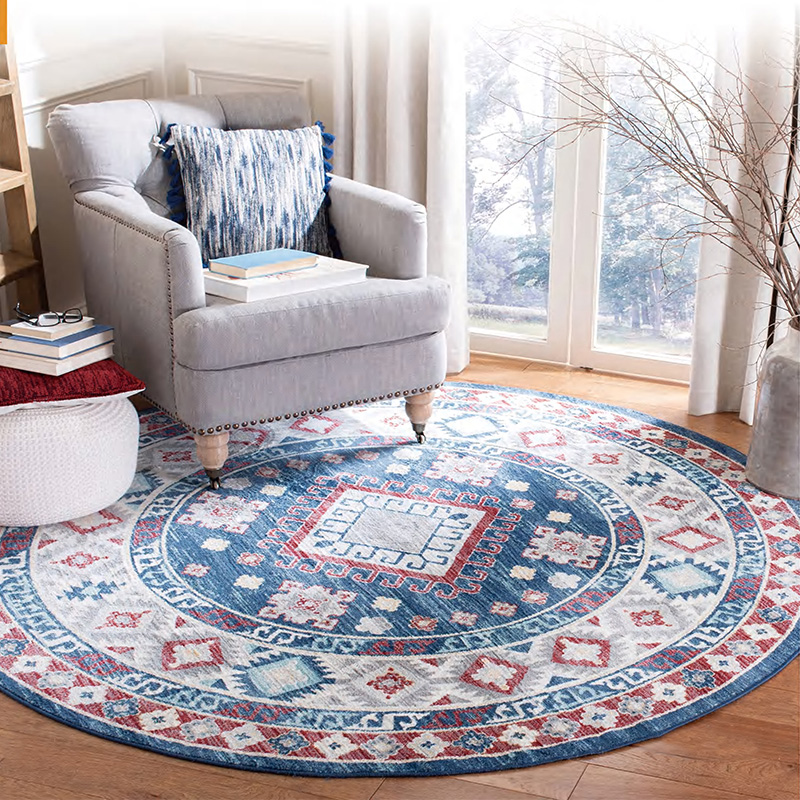
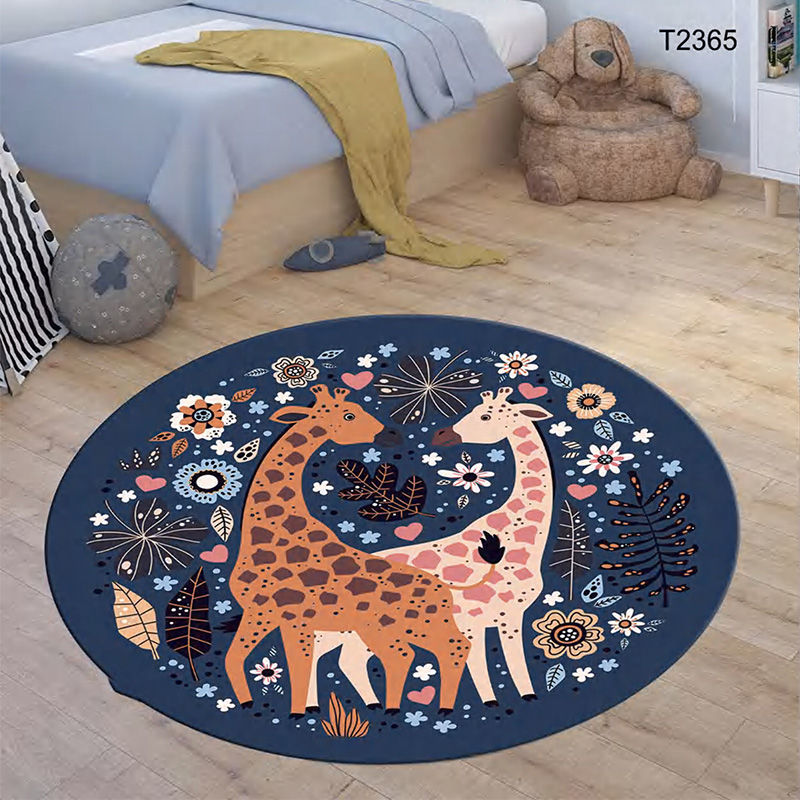
During weaving, yarns are dyed, arranged, and secured through loops or knots that define the rug’s surface texture. These details influence how light interacts with the rug and how patterns manifest visually. For instance, high‑contrast designs tend to draw the eye and anchor seating areas, while softer gradients can create a serene base that supports layered décor. The circular or geometric shapes in custom rugs help define seating clusters or delineate functional zones within open spaces.
After the weaving stage, finishing touches ensure that the custom rug lies flat and maintains its intended shape. Edges are bound carefully to prevent fraying, and the rug’s backing is prepared to support stability on different types of flooring. Customers often appreciate how these finishing touches contribute to both performance and overall appearance, helping the rug fit seamlessly into everyday life.
Custom rugs also play an interesting role in how rooms feel. Floor coverings influence acoustics, soften footsteps, and provide an inviting surface during social gatherings. In rooms where conversations flow, such as living rooms or dining areas, a custom rug contributes to a sense of cohesion by tying furnishings together visually. In bedrooms, rugs add an element of comfort as impressions in the morning and evening, making spaces feel complete and intentional.
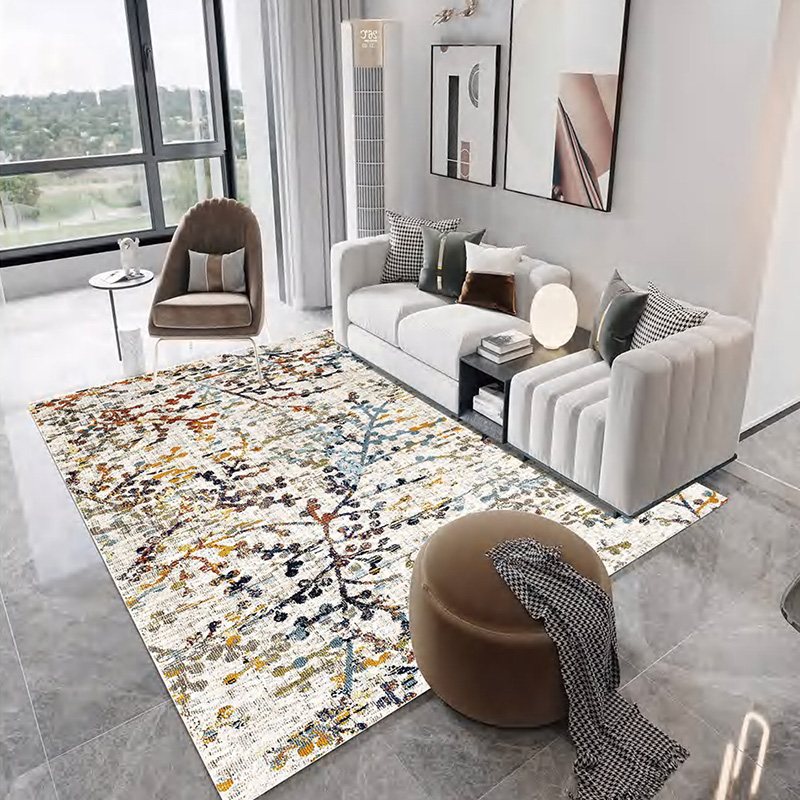
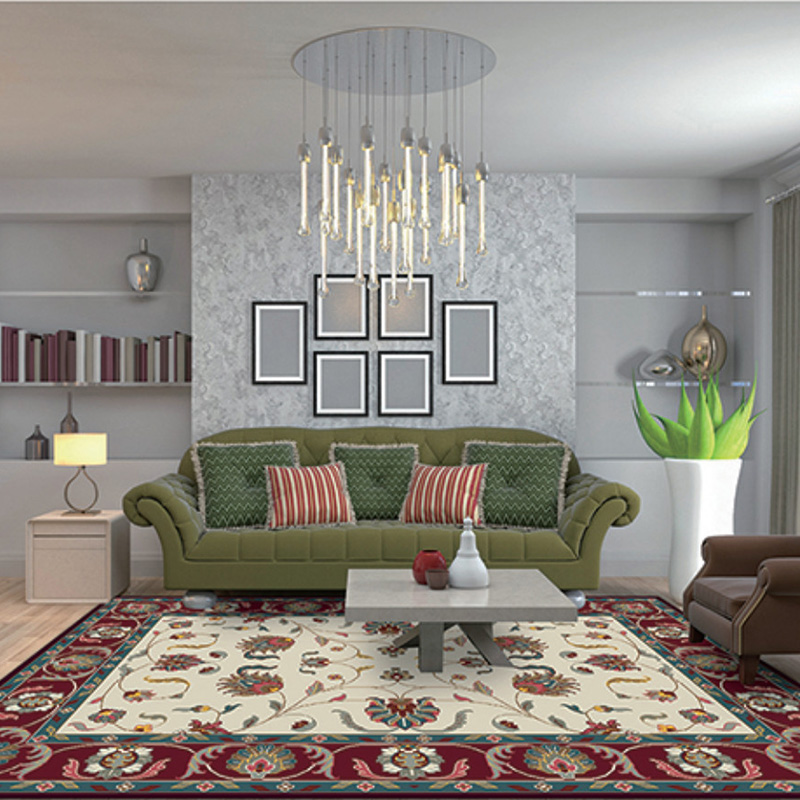
Clients working with custom rug companies often describe the process as collaborative. Communication between designer and customer helps clarify expectations around color palettes, pattern density, and spatial proportions. This dialogue extends into mockups or digital renders that preview how the custom rug will appear in its intended environment. Such previews help refine decisions before production begins, ensuring that the final piece fits well within the physical space and aesthetic context.