 0
0
 Language
  英语
英语 阿拉伯语
阿拉伯语 德语
德语
The Appeal of Round Rugs
Round Rugs are gaining attention as versatile decorative elements that add softness, texture, and visual interest to various interior spaces. Homes, offices, and studios have started using round rugs to define seating areas, highlight furniture arrangements, or provide playful accents that soften geometric layouts. Their circular shape can complement both modern and classic interiors, creating a unique visual flow that encourages the eye to move naturally around the room.
Made from materials like wool, cotton, or synthetic fibers, round rugs provide a comfortable surface underfoot while remaining durable enough for everyday use. The combination of texture and shape allows them to function in multiple roles: as area rugs under coffee tables, as statement pieces in reading corners, or even as playful additions to children’s rooms. Their adaptability makes them an attractive option for anyone looking to introduce gentle shapes into interiors without sacrificing practicality.
Design and Patterns in Round Rugs
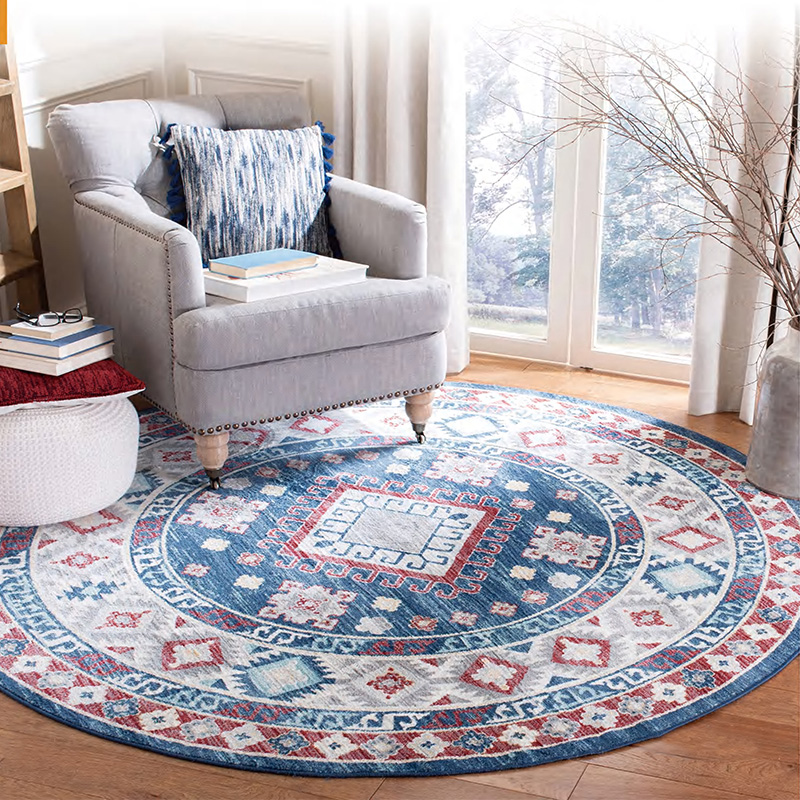
Round rugs come in a wide variety of patterns and designs. Geometric motifs, concentric circles, floral prints, and abstract patterns are commonly featured, offering options that suit different tastes and interior styles. Some designs focus on bold colors to create visual impact, while others use subtle shades to harmonize with existing décor. Pattern placement within a circular format often emphasizes the center, creating a natural focal point that draws attention and anchors furniture arrangements effectively.
The choice of pattern can dramatically influence how a room feels. Circular designs can soften rigid furniture layouts or complement existing curves in sofas, chairs, and tables. By using a round rug with carefully chosen patterns, designers can guide movement through the space and subtly indicate functional zones, such as conversation areas or reading nooks. This flexibility enhances both aesthetic appeal and the practical organization of interiors.
Production Techniques and Materials
Creating round rugs requires specific production techniques that differ slightly from those used for rectangular or square rugs. Materials are selected not only for visual appeal but also for durability and comfort. Wool is often used for its natural softness and resilience, cotton for its lightweight and breathable qualities, and synthetic fibers for their affordability and ease of maintenance.
Edges of round rugs are typically finished with binding or stitching that prevents fraying while maintaining the clean circular shape. The precision of production ensures that the rug lays flat, preventing curling or uneven surfaces that could affect both aesthetics and functionality.
Everyday Use and Placement Ideas
Round rugs are not limited to specific rooms; they fit comfortably into various interior environments. In living rooms, a round rug can anchor a coffee table, create a seating area, or highlight a reading chair. In bedrooms, placing a round rug at the foot of a bed or under a small desk adds warmth and comfort while breaking the dominance of straight lines. Entryways and hallways can also benefit from round rugs, providing a welcoming touch that contrasts with angular walls or furniture.
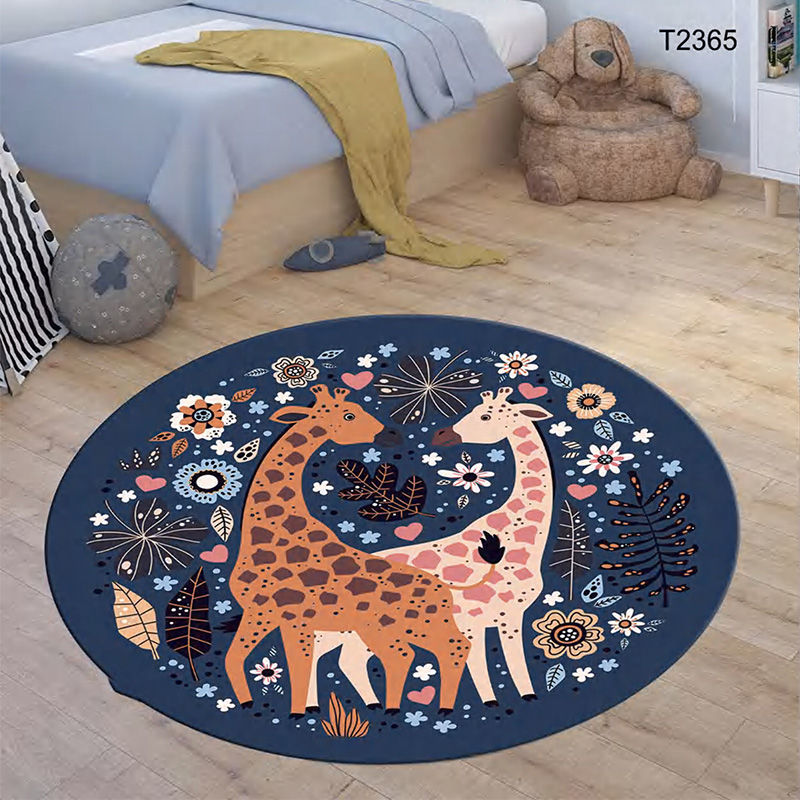
Offices and creative studios have found round rugs to be effective in softening hard flooring and defining collaborative areas. Even children’s playrooms benefit from circular rugs that offer a defined, comfortable surface while encouraging imaginative activities. The versatility of round rugs ensures that their use is only limited by imagination rather than room size or function.