 0
 Language
 英语
 阿拉伯语
 德语

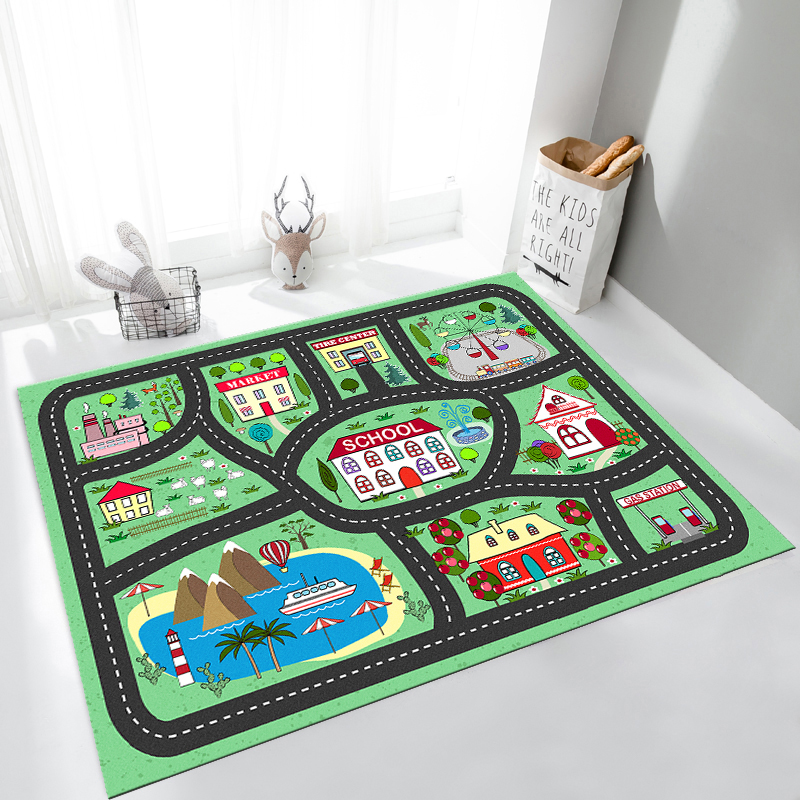
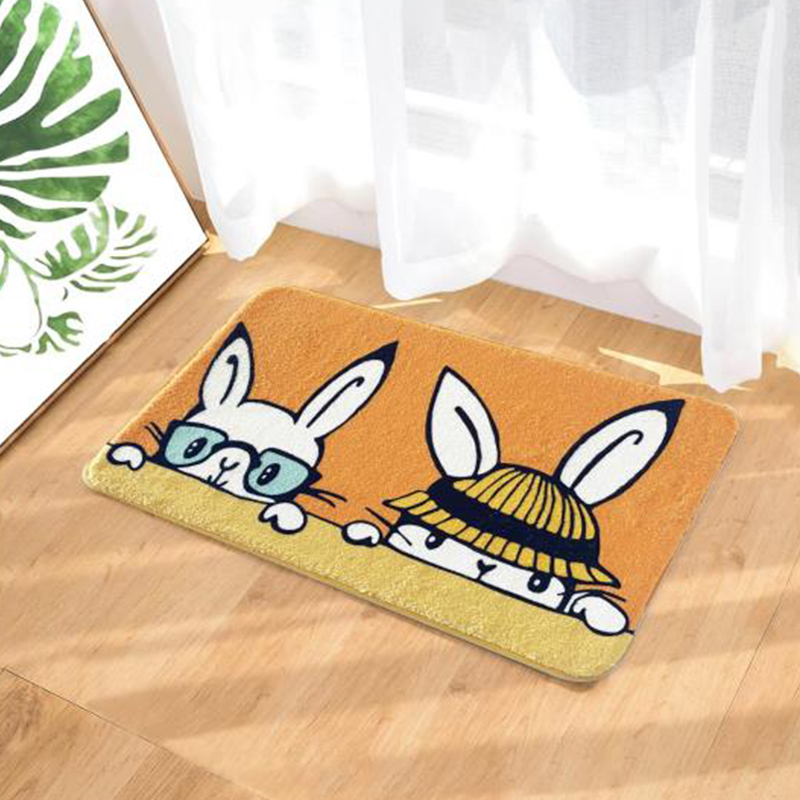
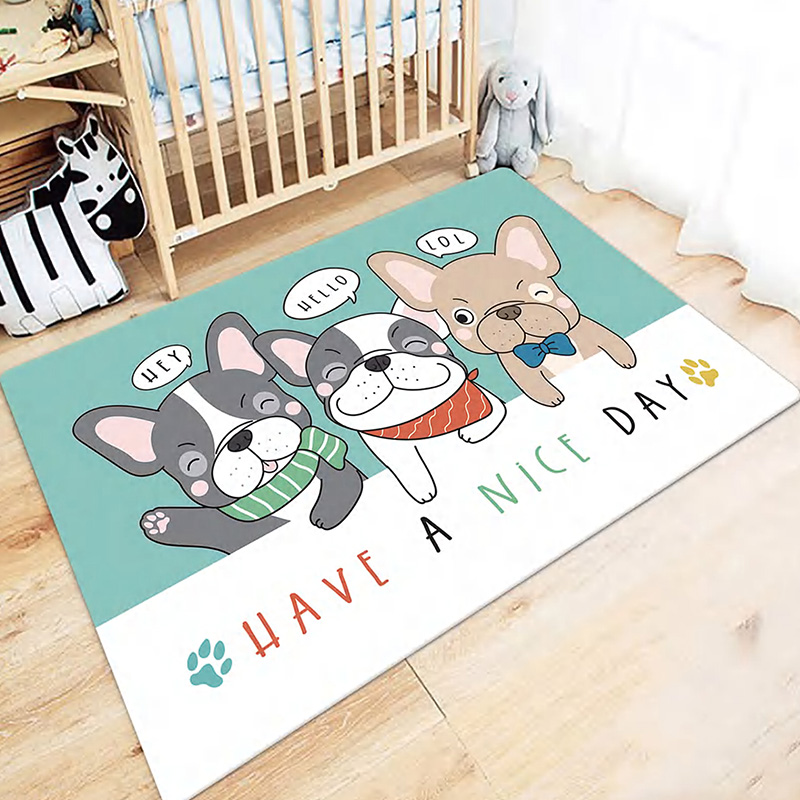
Floor coverings designed for younger users continue to play a practical role in interior planning for schools, childcare centers, after-school programs, and family-oriented commercial spaces. Kids Rugs offer a combination of visual interest, tactile comfort, and defined activity zones that help organize rooms used by children throughout the day.
Defining Zones Through Soft Flooring
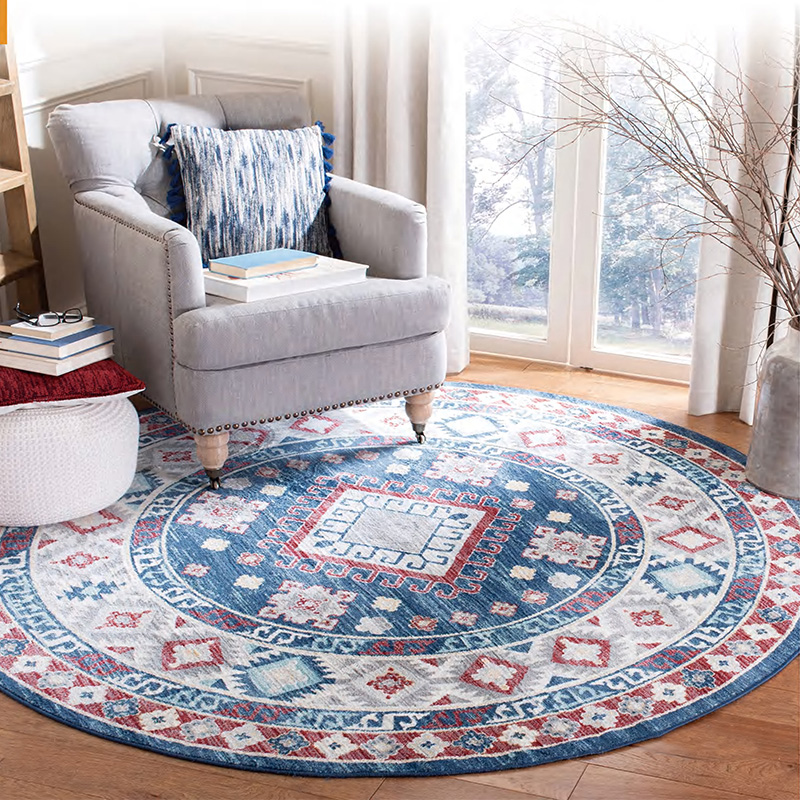
In multi-use rooms, open floor plans often need subtle boundaries. Kids Rugs provide one straightforward way to mark areas for reading, group discussion, quiet play, or creative work without installing permanent partitions. A circular rug can gather a small group for story time, while a rectangular piece can anchor a block-building corner or art table. The visual weight of pattern and color helps children recognize different functions within the same large space.
Educators and facility managers frequently note that clearly defined floor zones reduce wandering and support smoother transitions between activities. The soft surface also encourages children to sit or kneel during floor-based tasks, which can extend engagement time compared with hard flooring alone.
Material Choices for Everyday Use
Kids Rugs are typically constructed from fibers selected for resilience under frequent foot traffic and occasional spills. Common options include nylon, polypropylene, and certain acrylic blends that hold color well and recover from compression. Pile height varies: lower profiles suit rolling toys and wheelchair access, while slightly higher loops or cut piles add cushion under seated groups.
Density of the weave influences how the surface feels underfoot and how quickly it returns to shape after heavy use. Many commercial-grade kids rugs incorporate a non-slip backing or latex underlayer that keeps the piece stable on hard floors. Edge binding is usually reinforced to resist fraying when furniture is moved or when children repeatedly step on the borders.
Pattern and Color in Functional Design
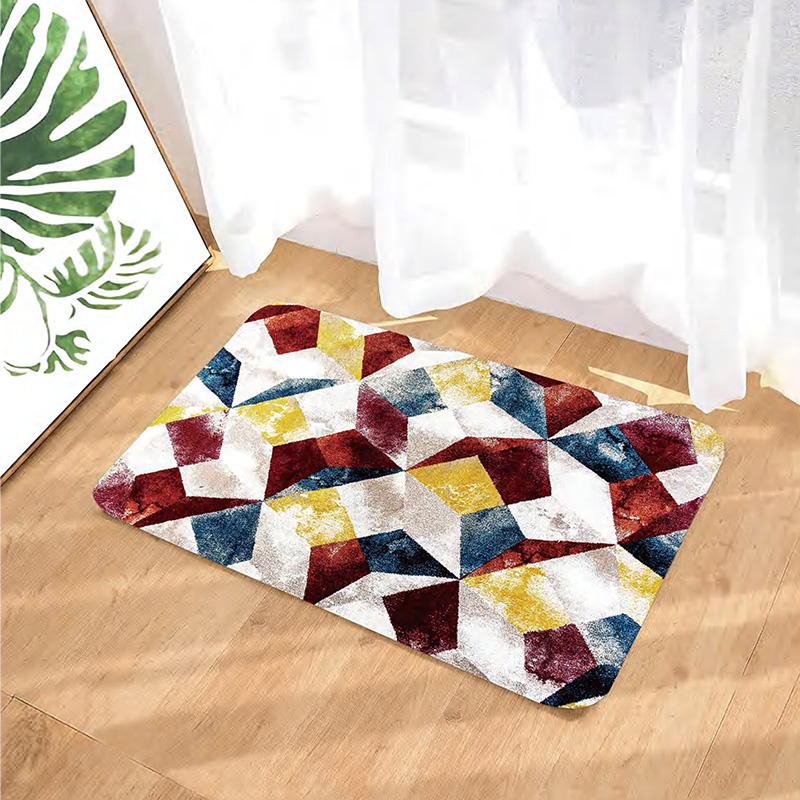
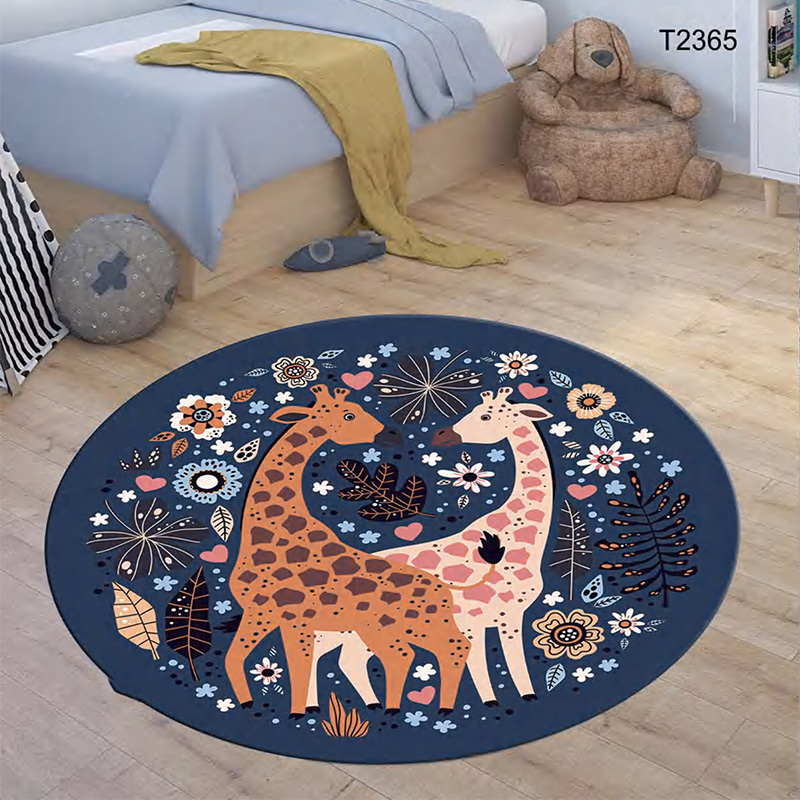
Designers working with children’s environments often choose patterns that balance visual stimulation with calm. Geometric shapes, soft animal motifs, letter and number grids, or abstract maps appear frequently. These elements can double as informal learning tools during free play or structured activities. Color palettes tend toward mid-tone hues rather than extremely bright or washed-out tones, helping the rug remain readable under both natural and artificial light.
In larger institutional settings, matching or coordinating rugs across several rooms creates visual consistency. Smaller accent pieces can highlight specific corners without overwhelming the overall color scheme of the space. The scale of the pattern matters: oversized motifs read clearly from a distance, while finer details reward closer inspection by children sitting on the surface.
Practical Sizing and Layout Decisions
Selecting the right dimensions starts with measuring the intended activity zone. A rug intended for circle time usually needs enough diameter for the expected group size plus a small buffer. Rectangular rugs for reading nooks or quiet corners are often sized to fit under low tables or against wall-mounted shelves. Leaving a border of hard floor around the rug improves traffic flow and makes cleaning paths easier.
In rooms that host rotating programs, modular arrangements of several smaller kids rugs offer flexibility. Staff can reconfigure the layout for different age groups or activity types without large installation work. Consistency in pile height and color family across the set helps the space feel intentional rather than improvised.
Integration with Broader Interior Elements
Kids Rugs interact with surrounding furniture, wall colors, and lighting. Low-profile pieces sit comfortably under open storage units and soft seating. When paired with natural wood tones or neutral walls, patterned rugs supply the main visual interest in the room. In spaces already rich with wall displays, simpler solid or lightly textured rugs prevent visual overload.
Acoustic performance is another consideration. Soft flooring absorbs some of the high-frequency sound generated by active groups, contributing to a more controlled noise level during peak activity periods. This effect is noticeable in rooms with hard ceilings and walls, where every surface reflects sound.