 0
 Language
 英语
 阿拉伯语
 德语

How Oversized Rugs Shape a Room
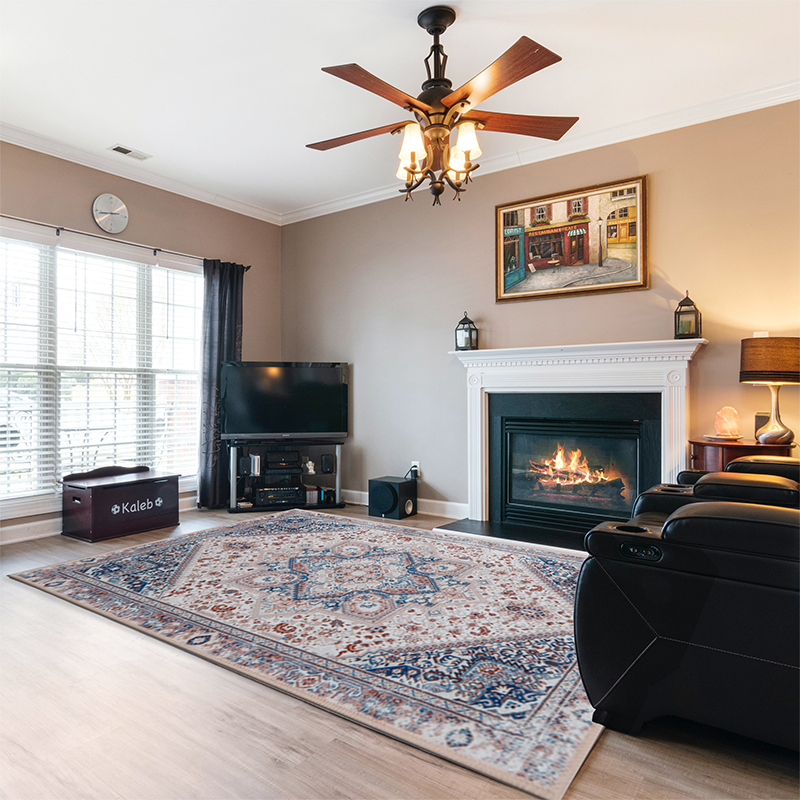
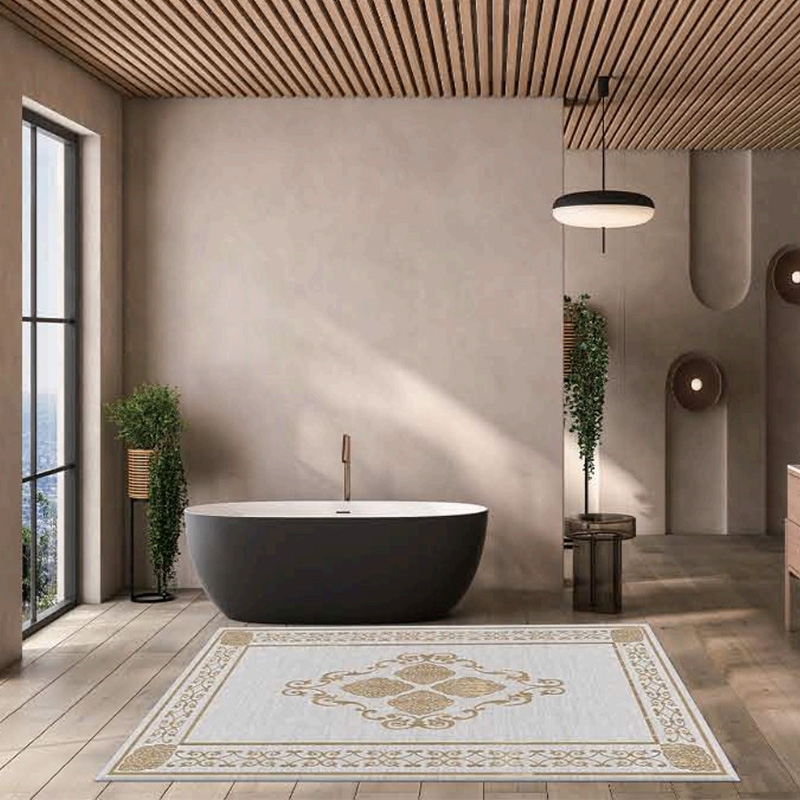
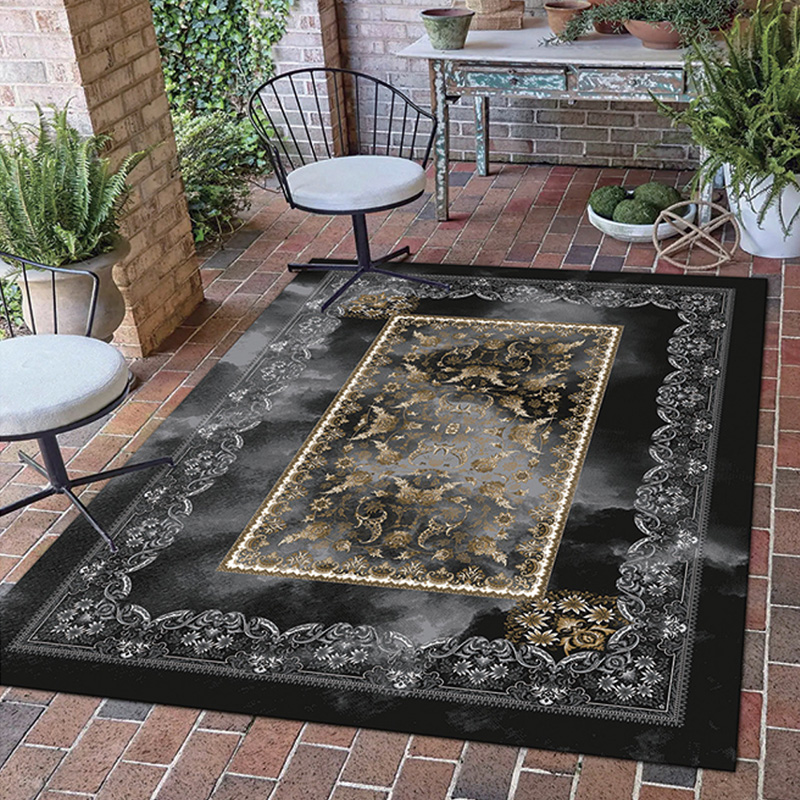
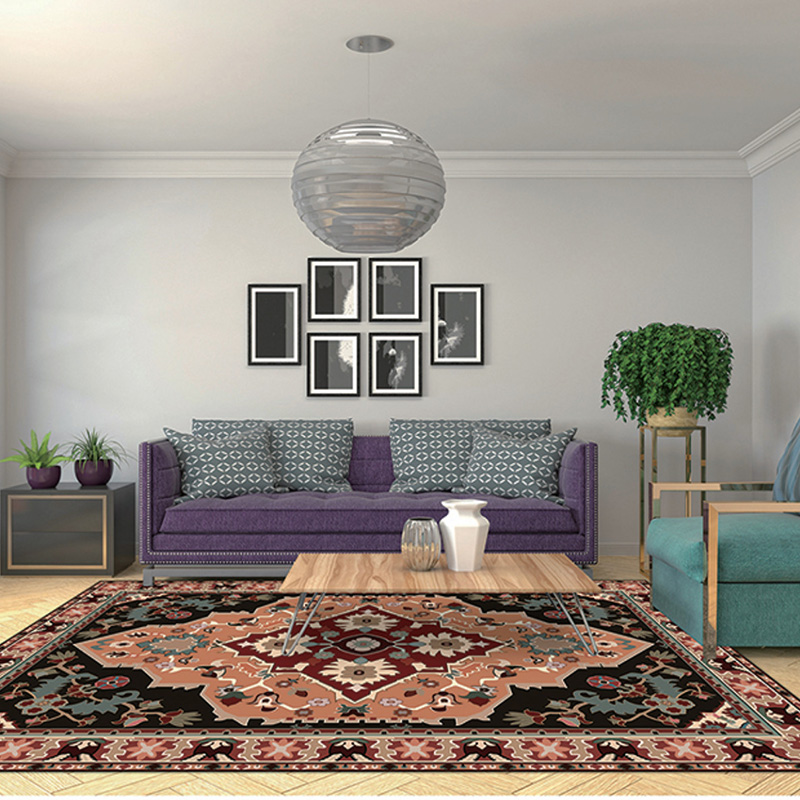
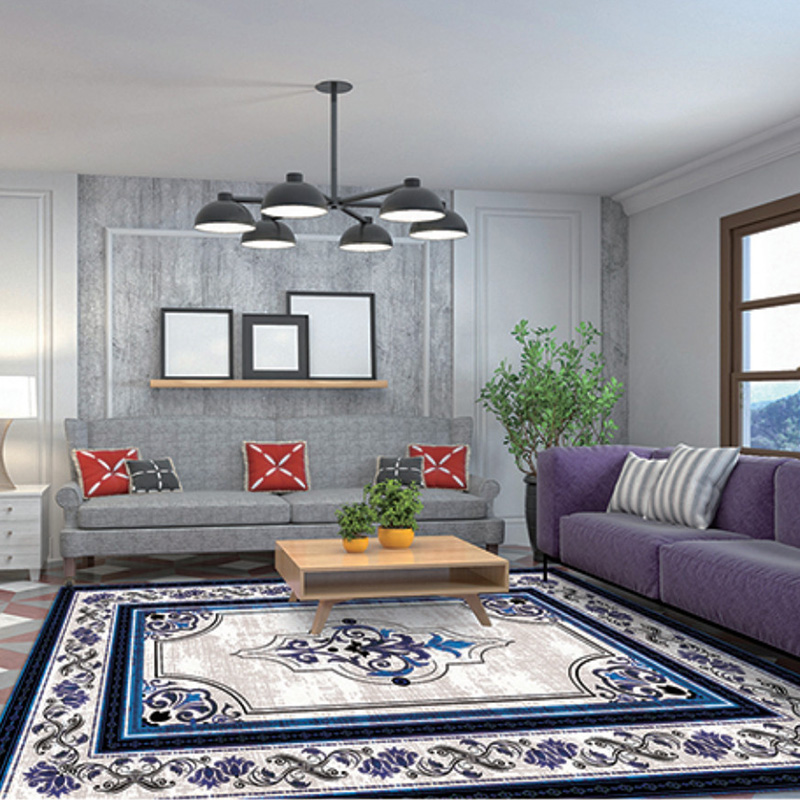
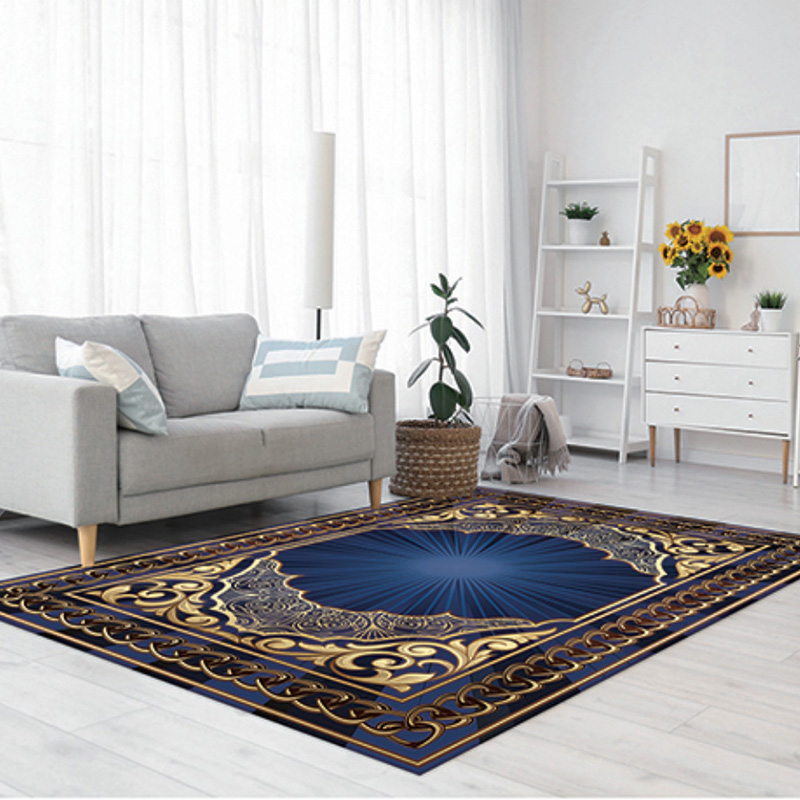
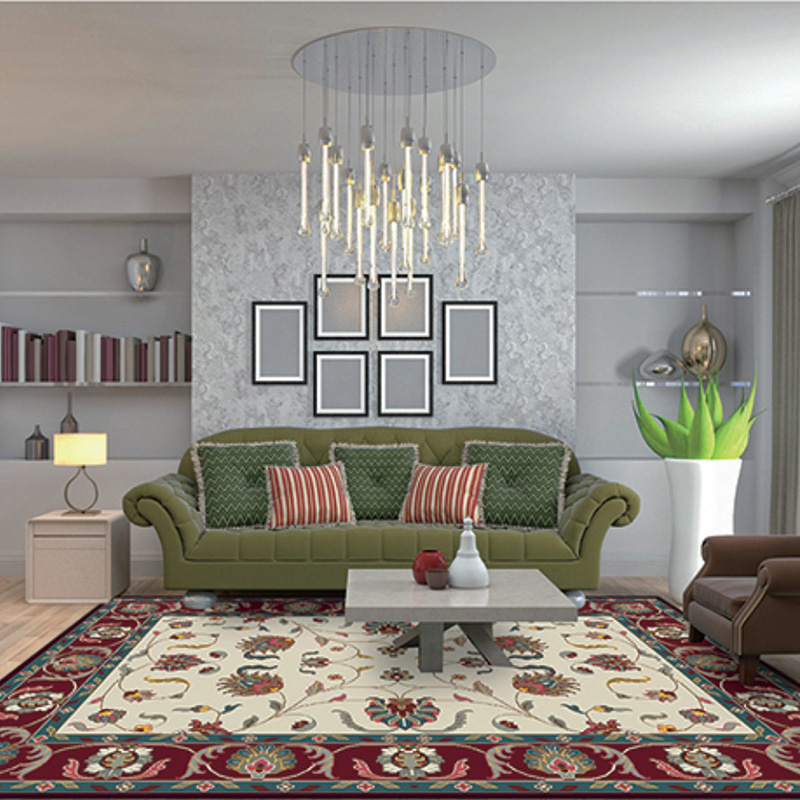
Flooring covers a large part of any interior, but it does not always create a clear visual connection between furniture and surrounding spaces. Oversized Rugs offer a practical way to bring these elements together. By covering a wider floor area, they can establish a defined zone for seating, dining, meetings, or other activities without the need for physical partitions.
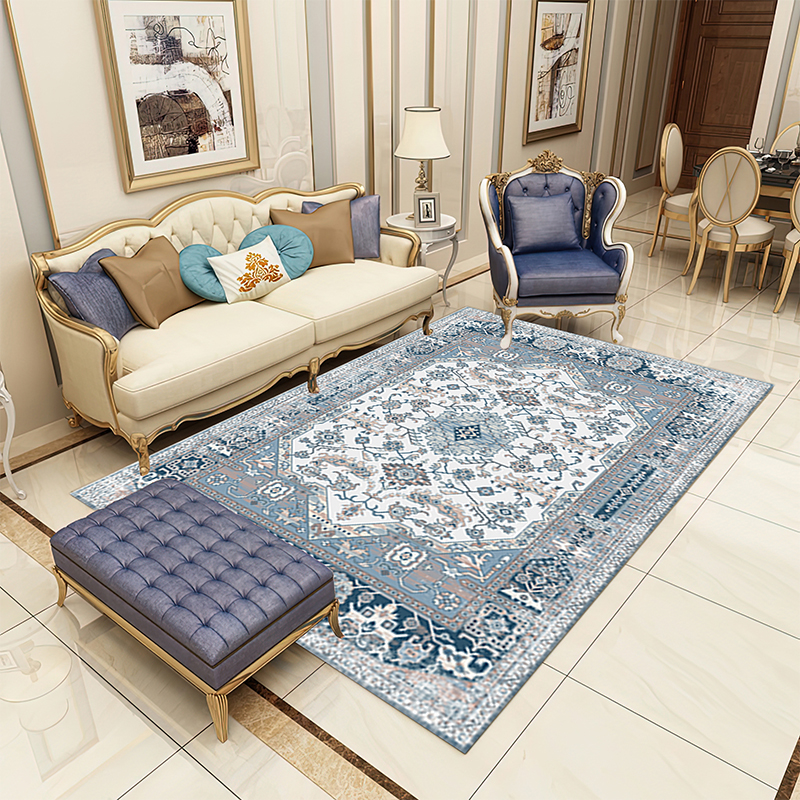
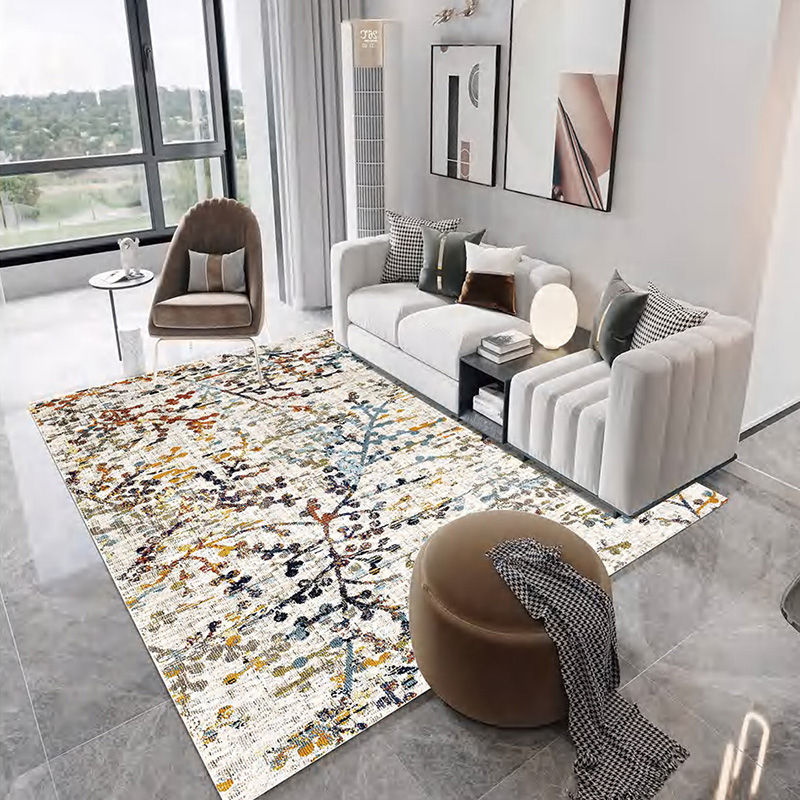
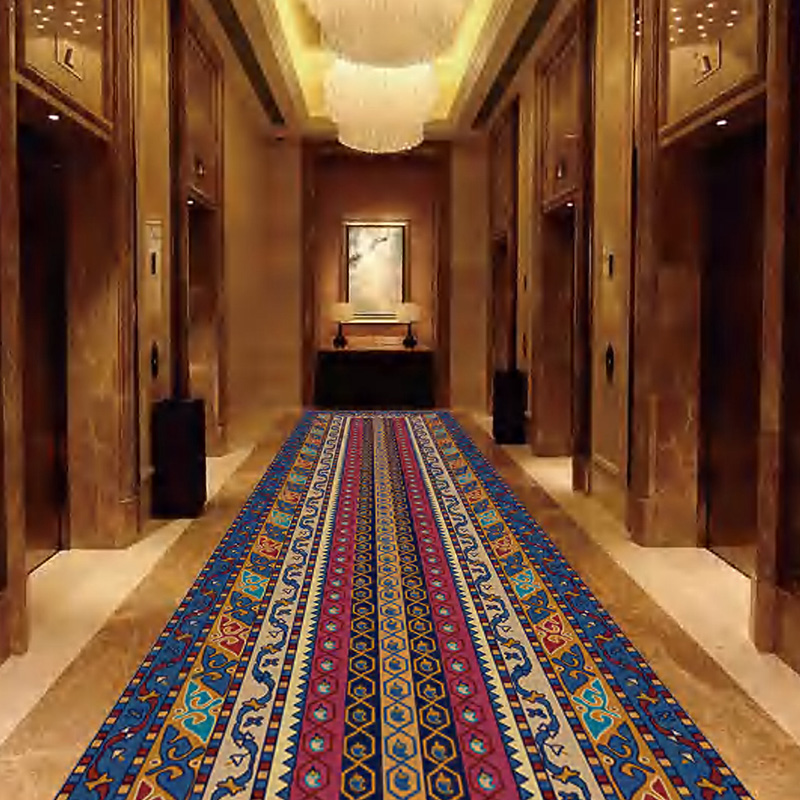
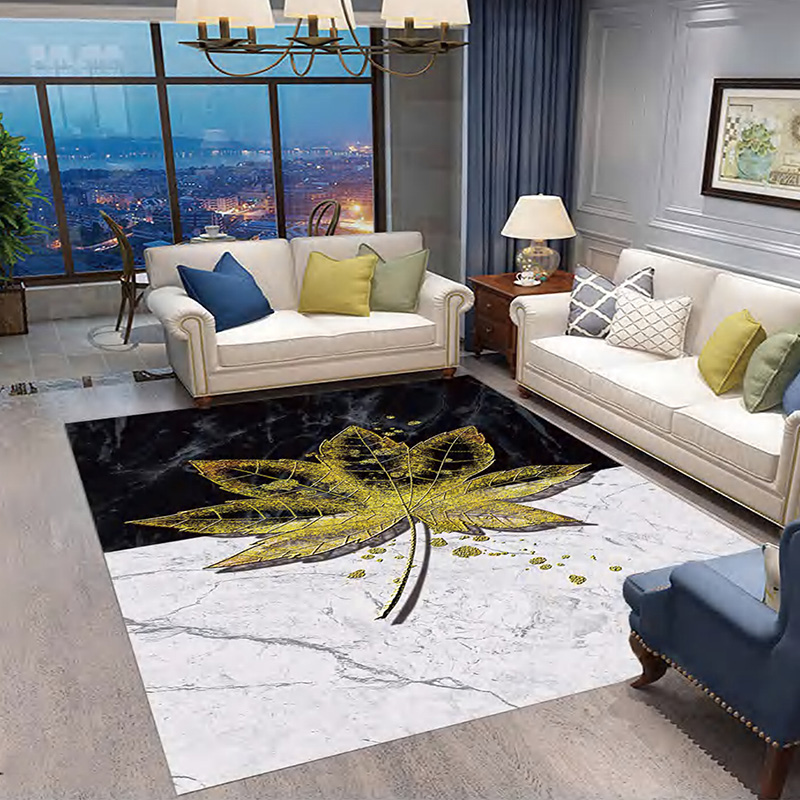
In residential interiors, a large rug can connect sofas, armchairs, and coffee tables into one arrangement. In commercial settings, it can help distinguish a reception area from a walkway or create a more unified appearance in a lounge. The result depends on the rug's dimensions, material, color, and relationship with the furniture.
For furniture retailers, interior designers, hospitality suppliers, and wholesale distributors, oversized rugs also represent a product category with several options for matching different room layouts and design preferences.
Choosing the Right Size for Different Layouts
Size is one of the main considerations when selecting a large rug. A rug that is too small may appear disconnected from the furniture, while a rug that extends too far into circulation areas may interfere with the room's layout.
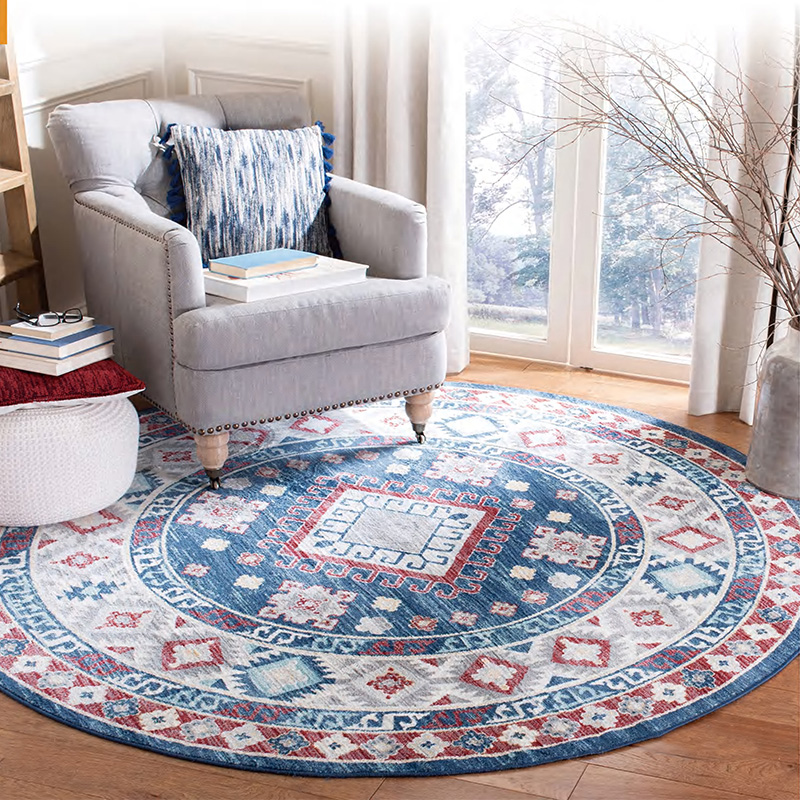
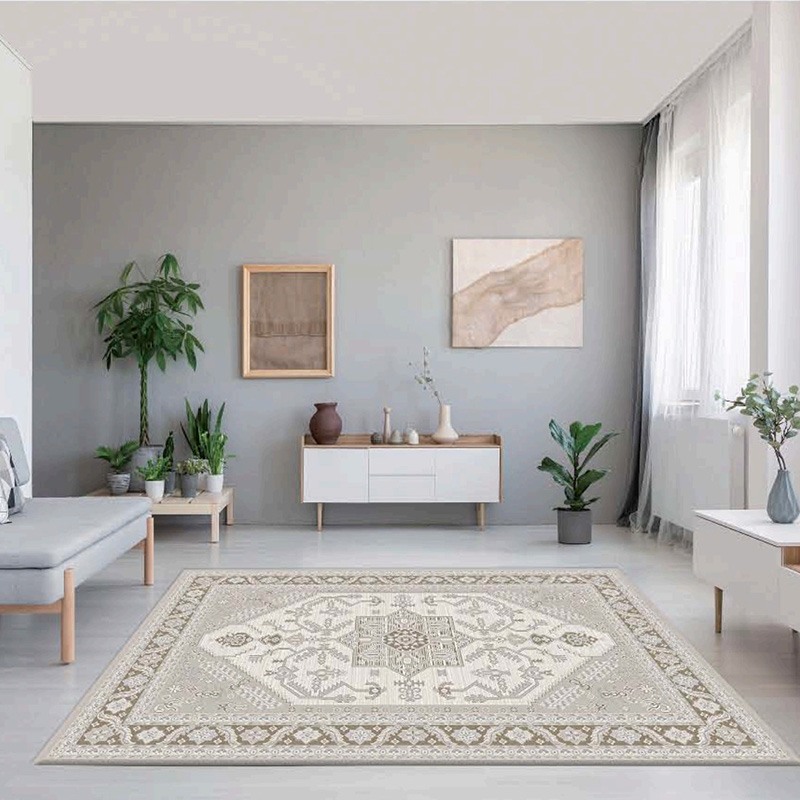
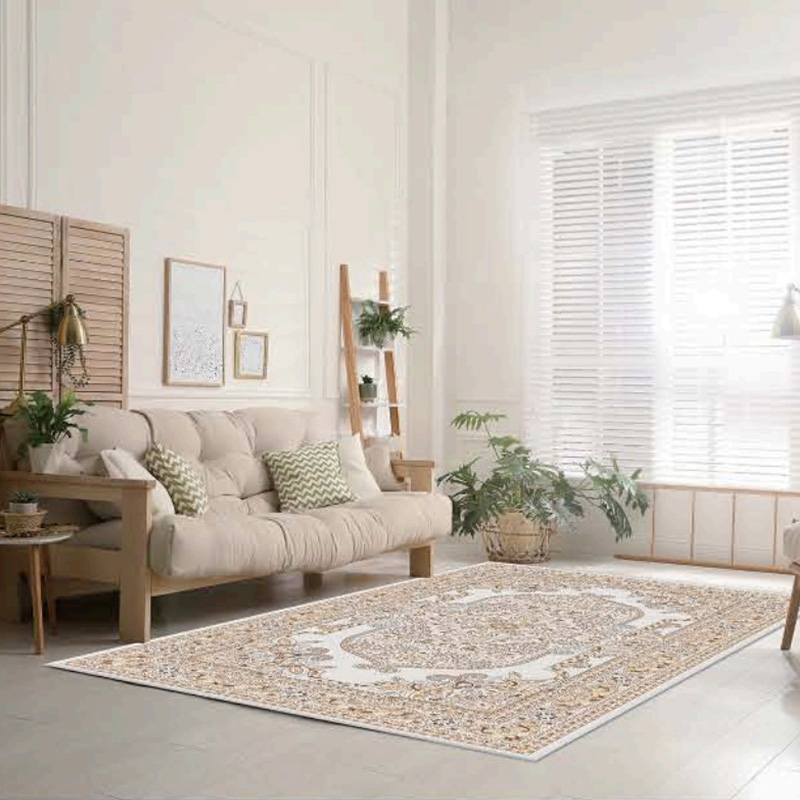
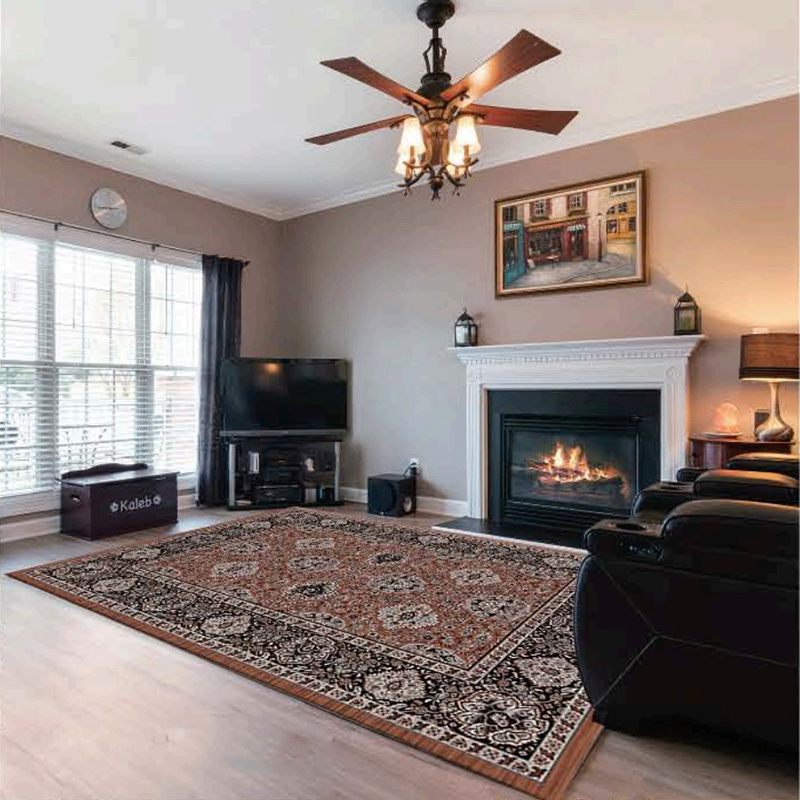
For a living room, the rug can sit beneath the front legs of sofas and chairs to create a shared seating zone. In a dining area, its dimensions should account for the table and the space needed to move chairs in and out. For hotel lounges or office reception areas, a larger rug may help organize several furniture pieces within one visual boundary.
Room measurements and furniture placement should be considered together. Buyers working on commercial projects may also need to evaluate multiple room types within the same property. A coordinated range of oversized rugs in different dimensions can help maintain a consistent interior style while accommodating different floor plans.
Materials Influence Appearance and Performance
Oversized rugs are available in a range of materials, each with its own texture, appearance, and practical characteristics. The choice often depends on the intended setting and the design requirements of the project.
Wool rugs are associated with a soft feel and a textured surface. They can suit residential living rooms, boutique hotels, and selected hospitality interiors. Cotton rugs generally offer a more relaxed appearance and are available in a variety of woven styles.
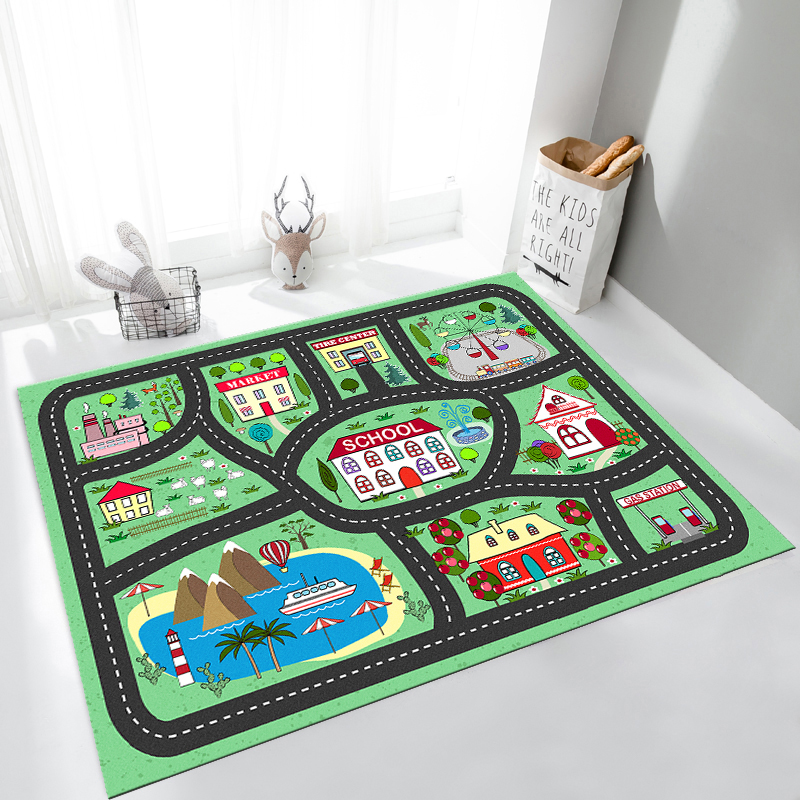
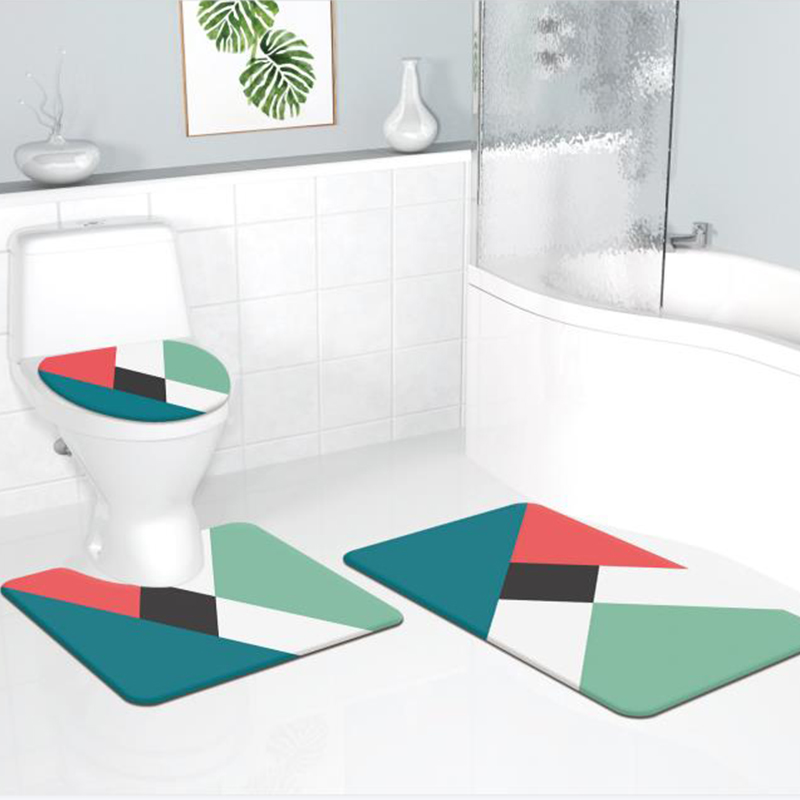
Synthetic fibers, including polyester and polypropylene, are also used in rug production. These materials allow manufacturers to offer different surface textures, colors, and patterns for a range of interior applications. Construction methods, pile height, and backing materials can further influence the finished product.
For wholesale buyers, material descriptions should be clear and specific. Knowing the fiber composition and construction helps distributors present product differences accurately and match rugs with the needs of their customers.
Applications in Residential and Commercial Spaces
Oversized rugs are used across a variety of interior environments.
- Living rooms: Connect sofas, lounge chairs, and tables within a shared seating arrangement.
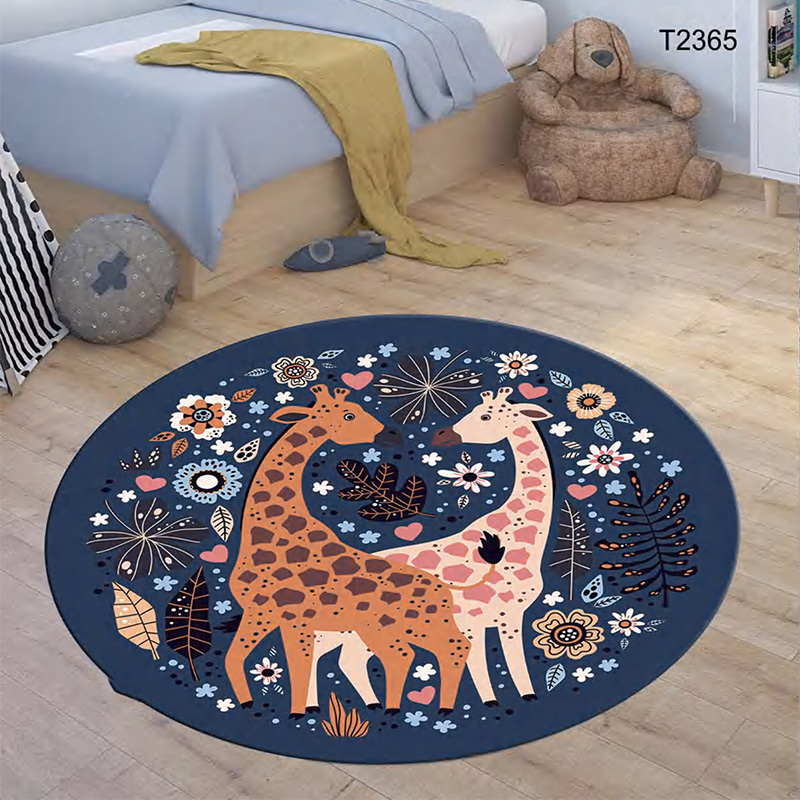
- Bedrooms: Extend beyond the sides of a bed to create a more unified floor layout.
- Hotels: Define lounge areas, suites, and selected reception spaces through color and texture.
- Offices: Separate informal meeting zones from surrounding work areas without installing partitions.
- Showrooms: Help present furniture collections within clearly arranged interior settings.
- Event venues: Establish visual zones for seating and hospitality activities, depending on the floor plan.
Each application has different requirements. A residential customer may focus on color and softness, while a commercial project may place greater emphasis on dimensions, repeatable designs, and coordination across multiple rooms.