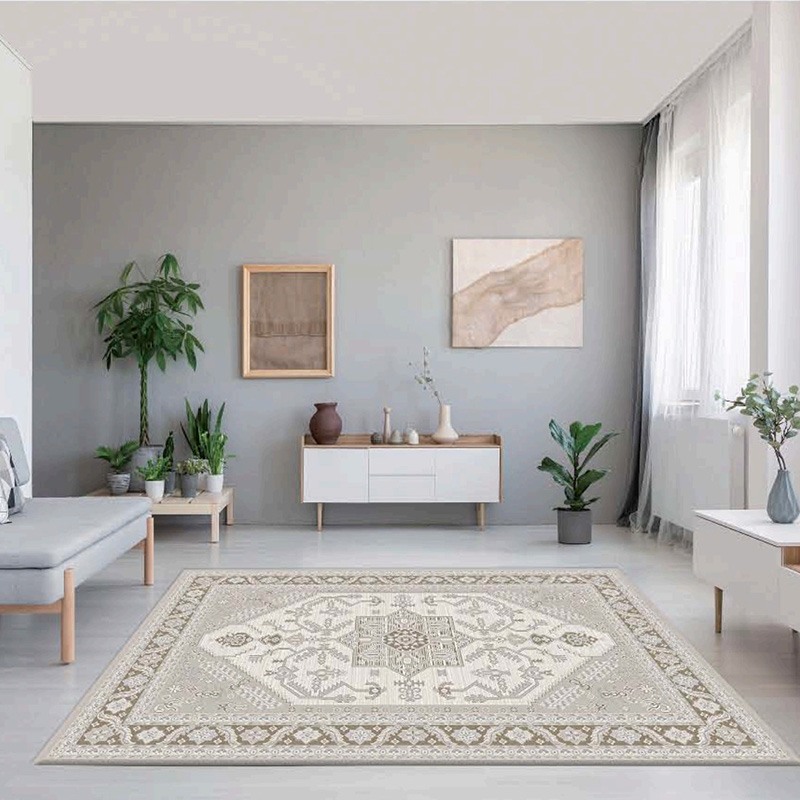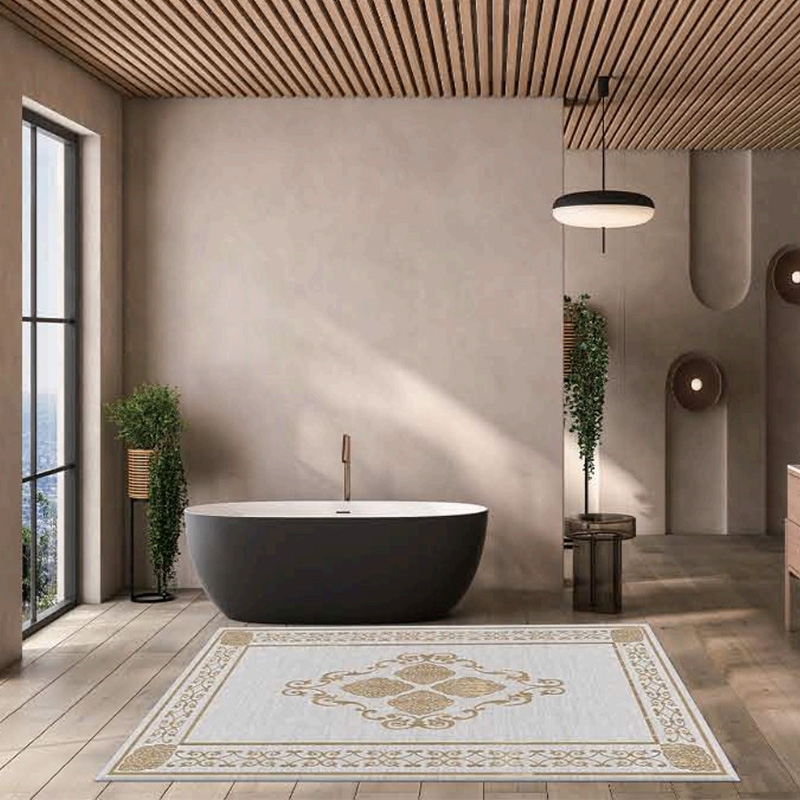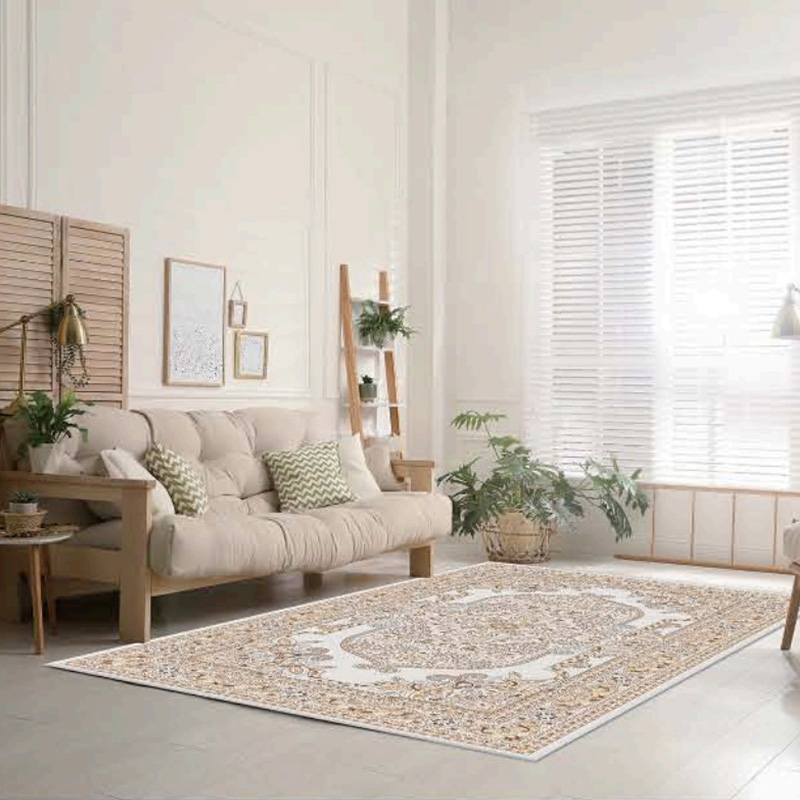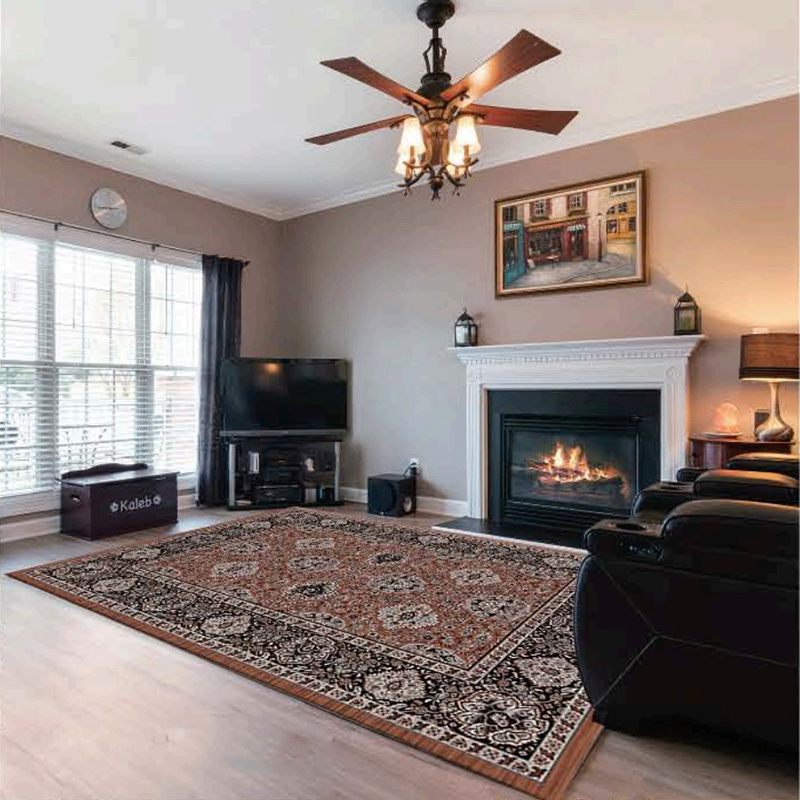
 0
 Language
 英语
 阿拉伯语
 德语

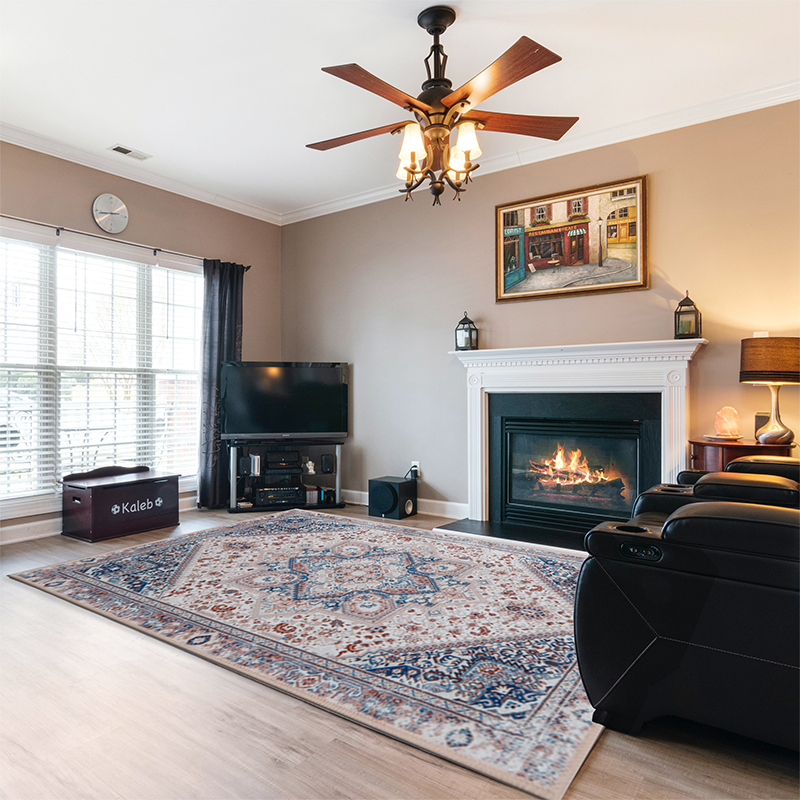
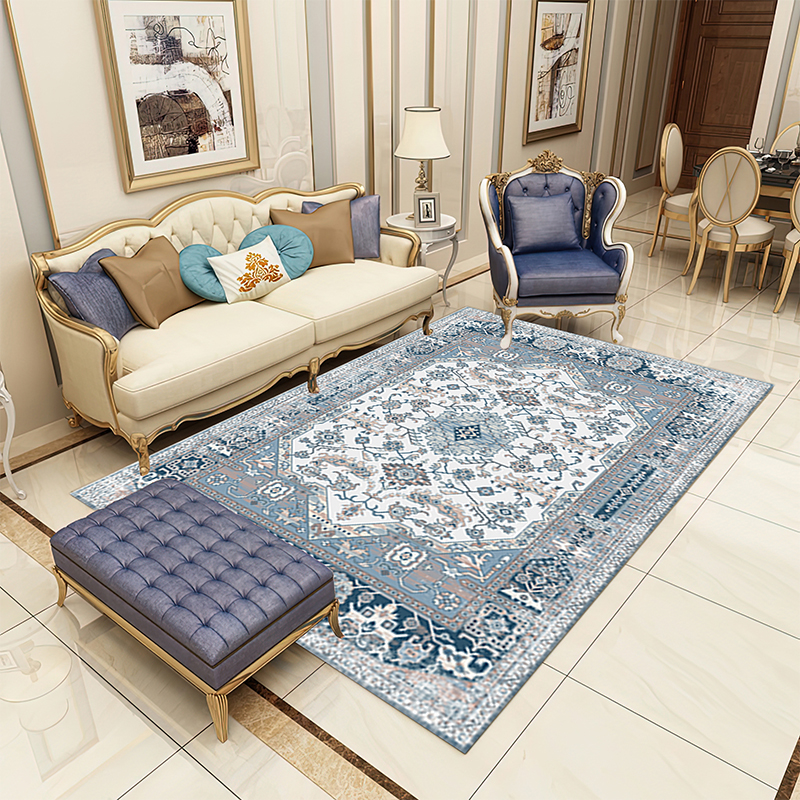
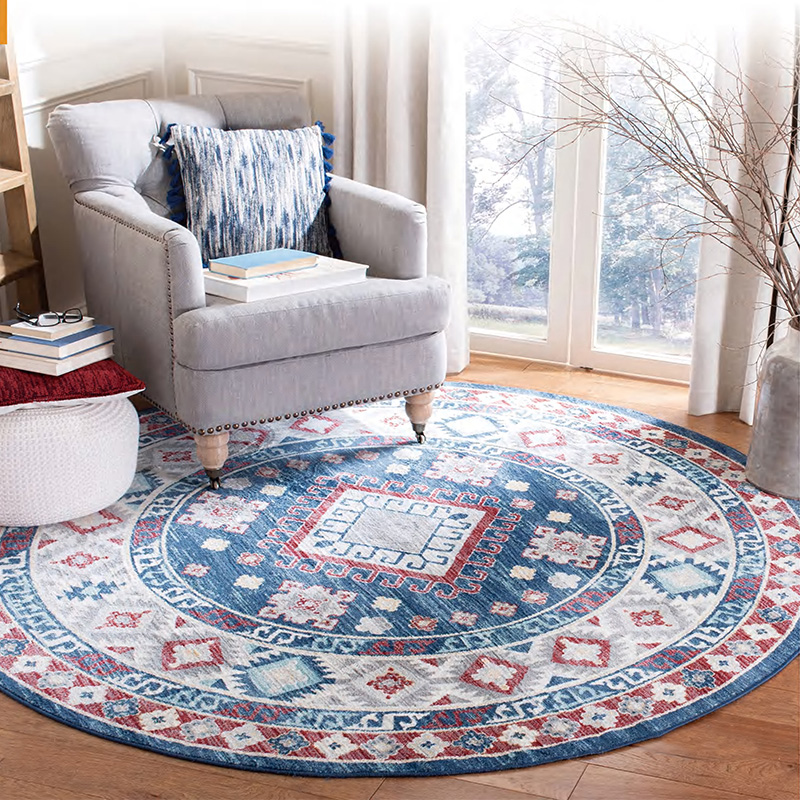
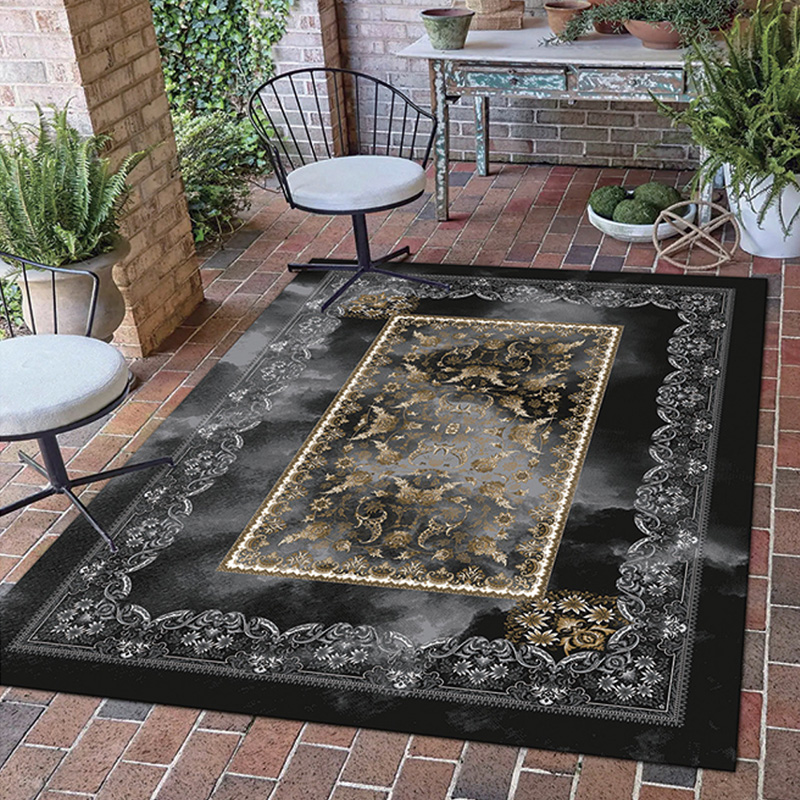
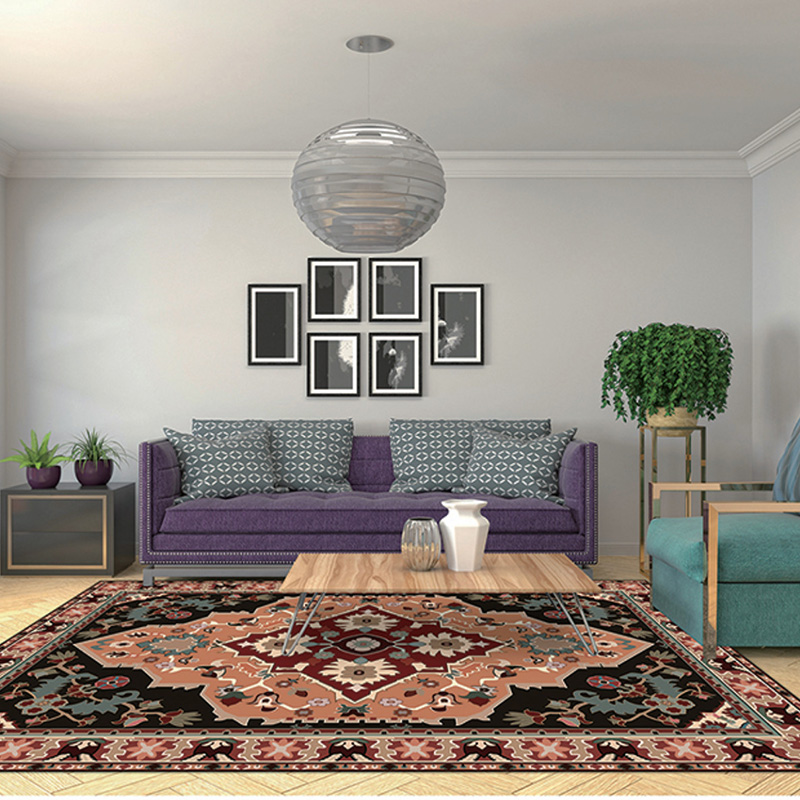
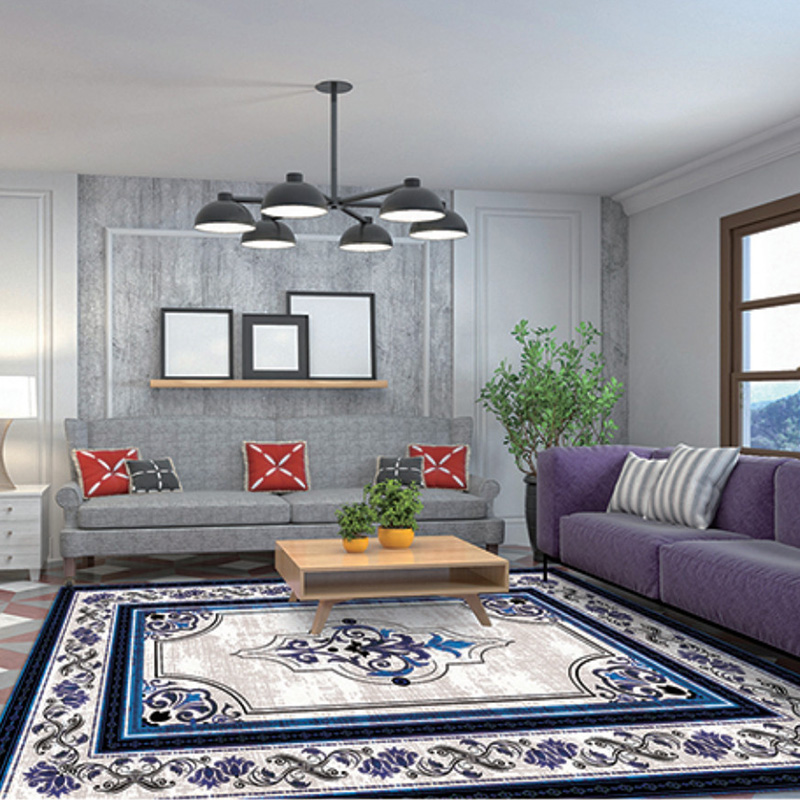
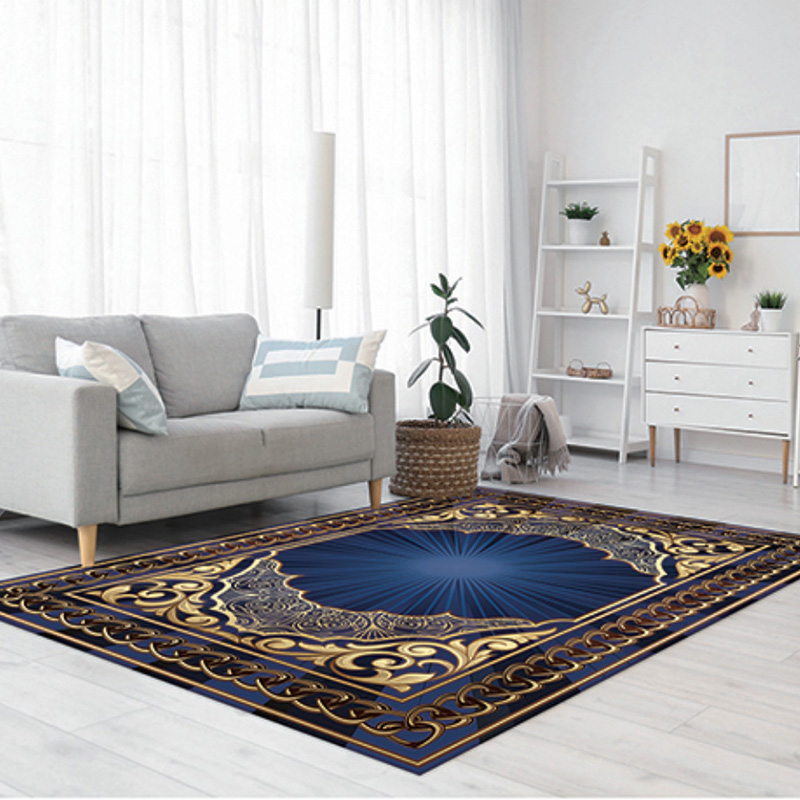
Textile factories that specialize in floor coverings produce Vintage Rugs through a sequence of controlled manufacturing steps. These steps combine fiber preparation, structured weaving or tufting, color application, and surface finishing to create rugs that display aged visual character while meeting volume requirements for commercial buyers. The focus remains on process consistency, material behavior, and practical performance in finished interiors.
Fiber Preparation and Yarn Formation
Production of Vintage Rugs begins with fiber selection and yarn processing. Wool fibers are cleaned, carded, and spun into yarns that accept dye readily and develop a soft surface over time. Cotton yarns often form the foundation structure for stability. In some lines, synthetic fibers are blended in measured proportions to adjust tensile strength and dimensional control.
Spinning equipment sets yarn thickness and twist levels that influence both the final hand of the rug and its resistance to compression. Consistent yarn quality across batches supports uniform pile appearance and reduces variation when multiple rugs are installed in the same space.
Weaving and Tufting Technology
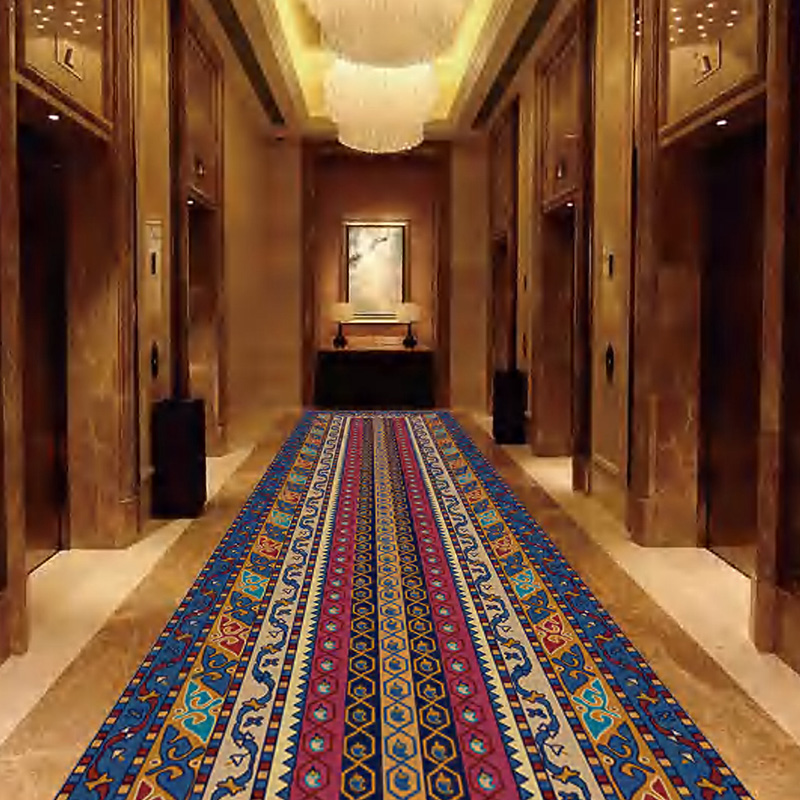
Once yarns are prepared, Vintage Rugs move to the forming stage. Power looms or computer-guided tufting machines create the base structure according to programmed patterns. Traditional motifs—medallions, borders, or all-over fields—are digitized and scaled to standard or custom dimensions. The machines insert pile yarns into a primary backing at controlled densities, determining how full or open the surface appears.
In weaving systems, warp yarns are tensioned on beams while weft and pile yarns interlace to lock the structure. Tufting lines punch yarns through a backing cloth and then apply a secondary backing for added stability. Both approaches allow factories to maintain steady output while reproducing the same pattern across large quantities.
Dyeing Methods and Color Control
Color application is a defining stage in Vintage Rugs manufacturing. Yarns may be dyed before weaving (yarn-dyed) or the finished rug may receive an overall wash or selective color treatment. Dye baths are monitored for temperature, time, and concentration so that tones remain muted and slightly varied, producing the softened look associated with aged textiles.
Some processes include controlled fading or tone reduction steps that further lower color intensity. These treatments are applied uniformly so that each rug in a production run displays comparable visual character. The result is a surface that reads as settled rather than newly colored, while the underlying structure retains its integrity.
Surface Finishing and Edge Treatment
After dyeing and drying, Vintage Rugs undergo finishing operations. Shearing equipment levels the pile to a consistent height. Controlled abrasion or washing can soften the tips of the yarns and create subtle texture variation across the field. Edges receive binding, overlocking, or fringe attachment according to the intended style.
These finishing steps refine both appearance and handling properties. A leveled pile lies flatter under furniture, and secure edges resist fraying during transport and installation. Factories sequence these operations to keep dimensional stability and surface character aligned with the design specifications.
Material Characteristics in Finished Form
The combination of fiber, weave density, and finishing gives Vintage Rugs distinct physical traits. Wool-rich constructions offer natural resilience and a capacity to recover from compression. Cotton foundations contribute to shape retention. Pile height and density influence how the rug feels underfoot and how it interacts with light in a room.
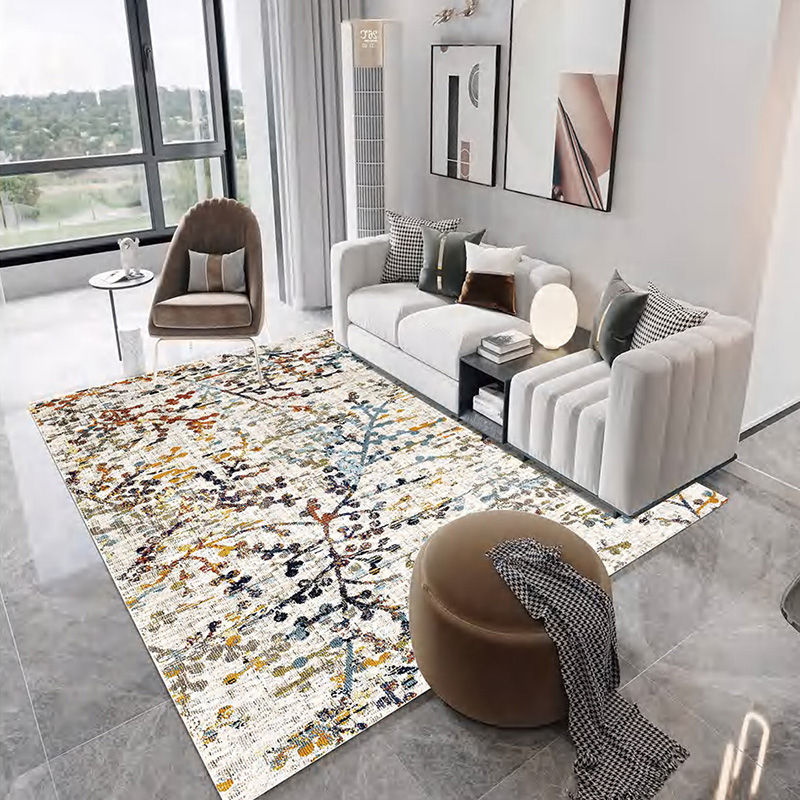
The aged visual effect comes from the interaction of muted coloration, slight surface irregularity, and traditional pattern language. These characteristics allow the rugs to function as both covering and design element without requiring one-of-a-kind artisanal production for every piece.