 0
0
 Language
  英语
英语 阿拉伯语
阿拉伯语 德语
德语
A memory foam bath mat offers a soft surface for stepping out of the shower or bath. It contours to the shape of feet, providing a gentle feel on bathroom floors that are often hard and cool. This article looks at how memory foam bath mats function, their material characteristics, and the ways they fit into everyday home settings.
Material Properties of Memory Foam Bath Mats
Memory foam consists of viscoelastic material that reacts to body heat and pressure. When feet press down, the mat slowly molds around them before returning to shape once the weight lifts. This property creates a cushioning effect that differs from traditional flat rugs or rubber mats.
The foam layer sits atop a base material that helps with stability. Many versions include a textured top surface to improve grip even when slightly damp. The combination allows the mat to remain in place while delivering comfort with each step.
How Memory Foam Bath Mats Respond in Daily Routines
After a morning shower, the memory foam bath mat welcomes tired feet with conforming support. The slow recovery of the foam helps distribute pressure across the sole rather than concentrating it in certain spots. This can make standing at the sink for grooming tasks feel less tiring on hard tile surfaces.
In the evening, the same mat provides a soft landing when stepping out of a relaxing bath. The cushioning effect adds a layer of comfort to routines that involve repeated transitions between wet and dry areas.
- Memory foam contours to foot shape for personalized cushioning.
- Base layer helps keep the mat stable during use.
- Surface texture aids traction on bathroom floors.
Design Variations Available for Memory Foam Bath Mats
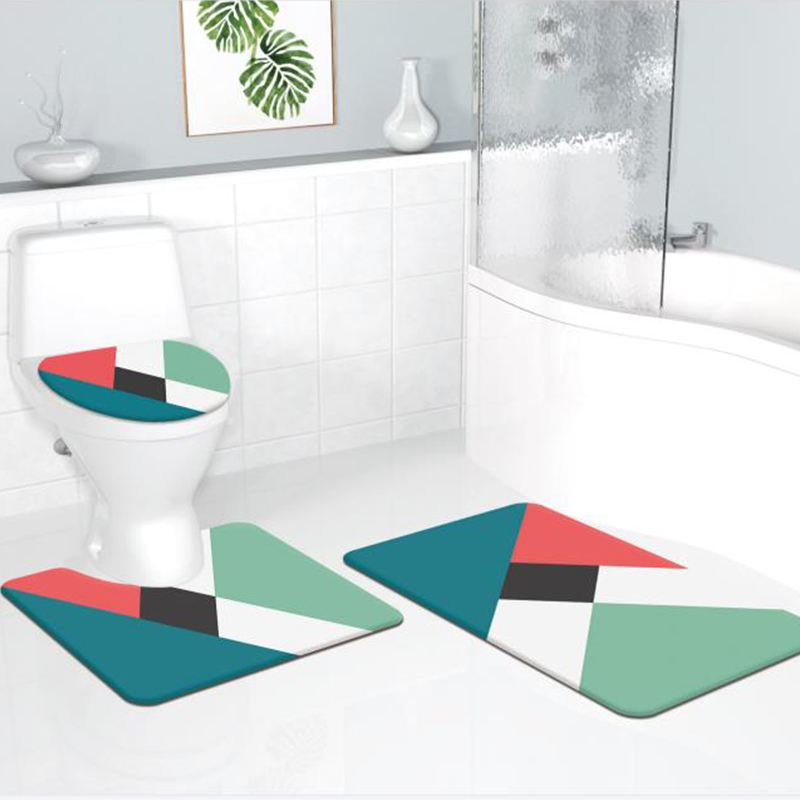
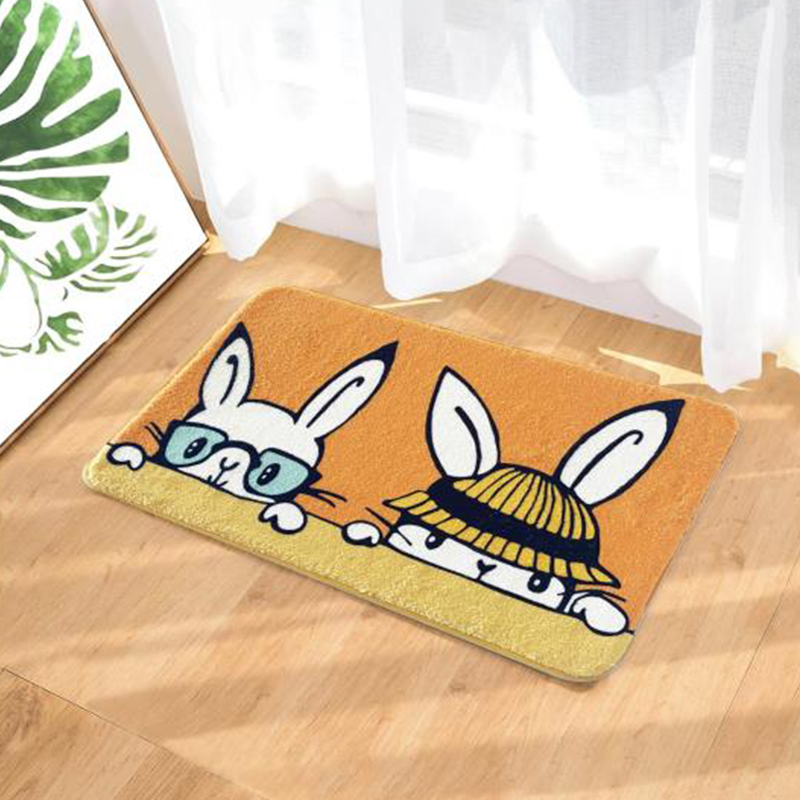
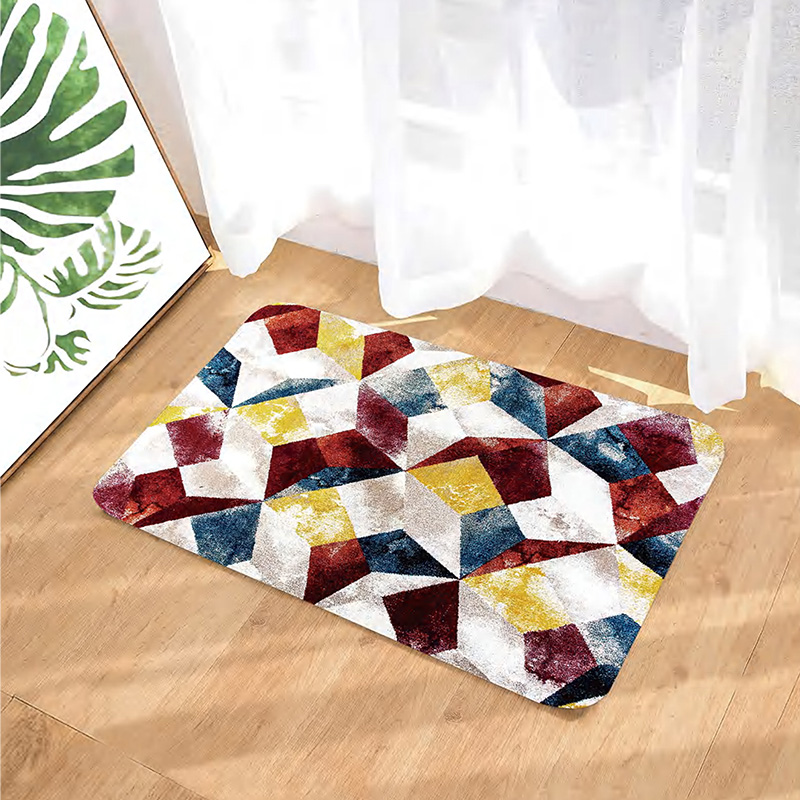
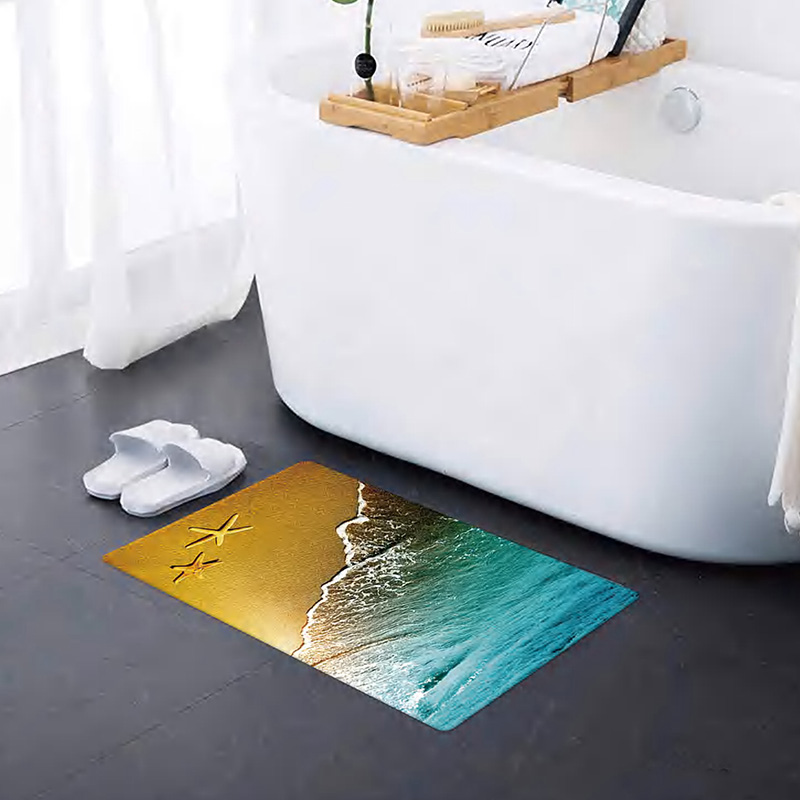
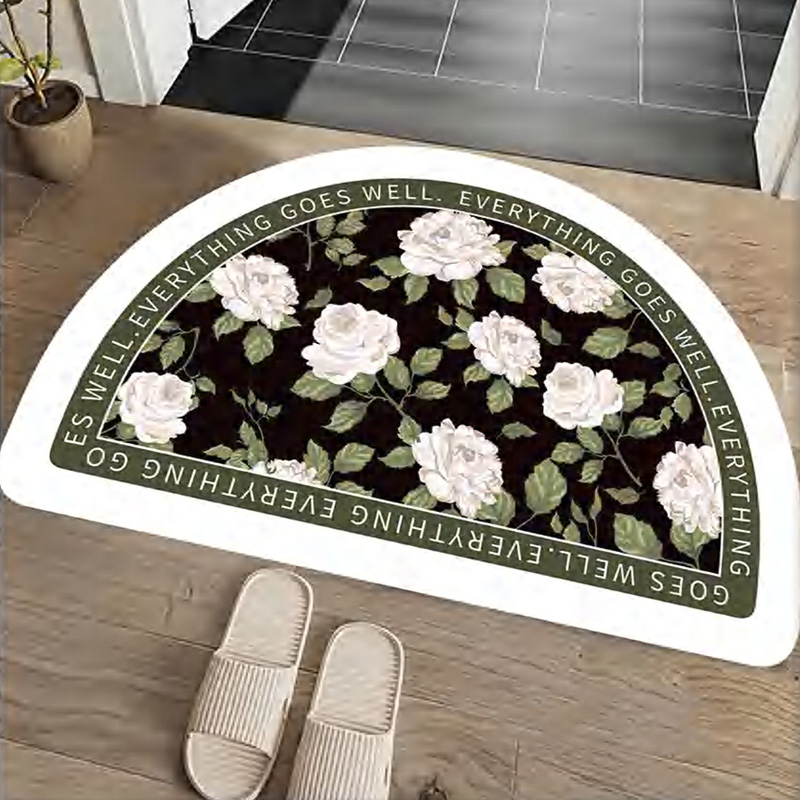
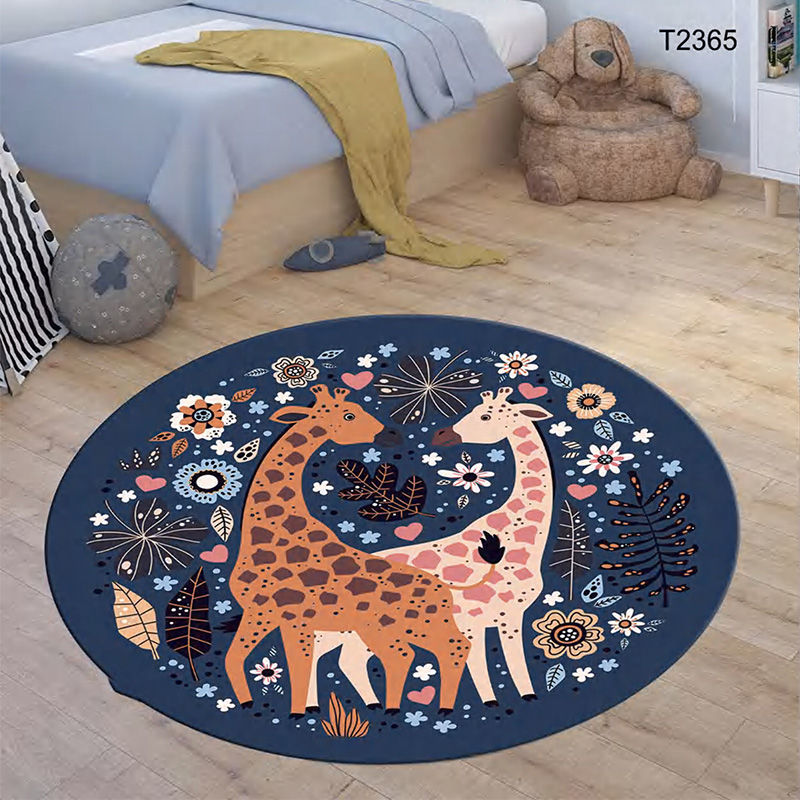
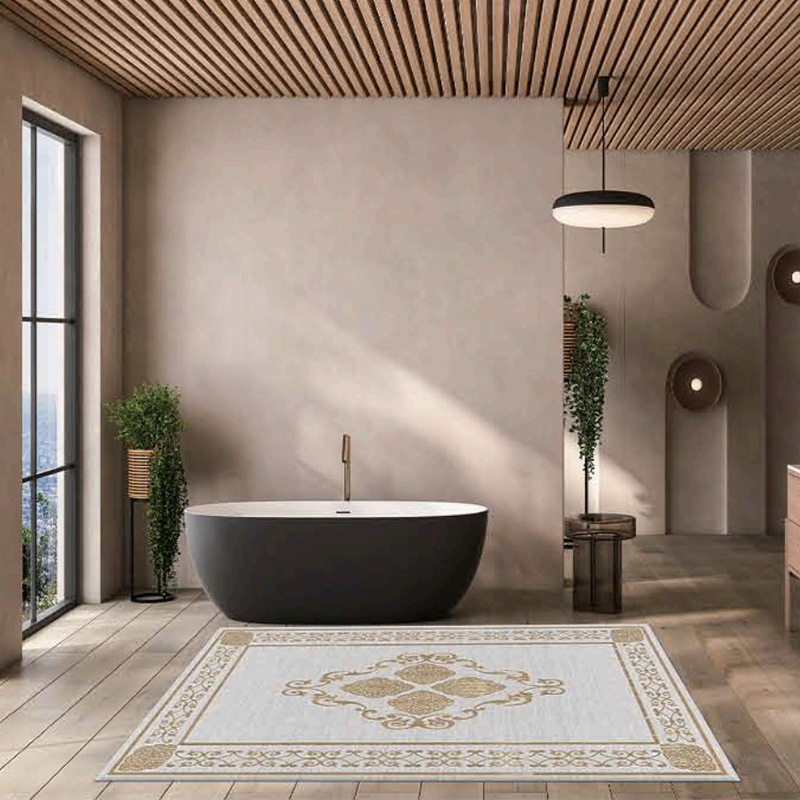
Memory foam bath mats come in rectangular, oval, and contour shapes that fit around toilet bases or along tub edges. Thickness levels vary to suit different preferences for softness. Colors and patterns allow coordination with towels, shower curtains, and wall tiles.
Some mats feature anti-slip backing that works on common bathroom flooring materials like ceramic, vinyl, or laminate. The edges often have binding or beveled designs to reduce tripping risks and improve appearance.
Placement Options Around the Home
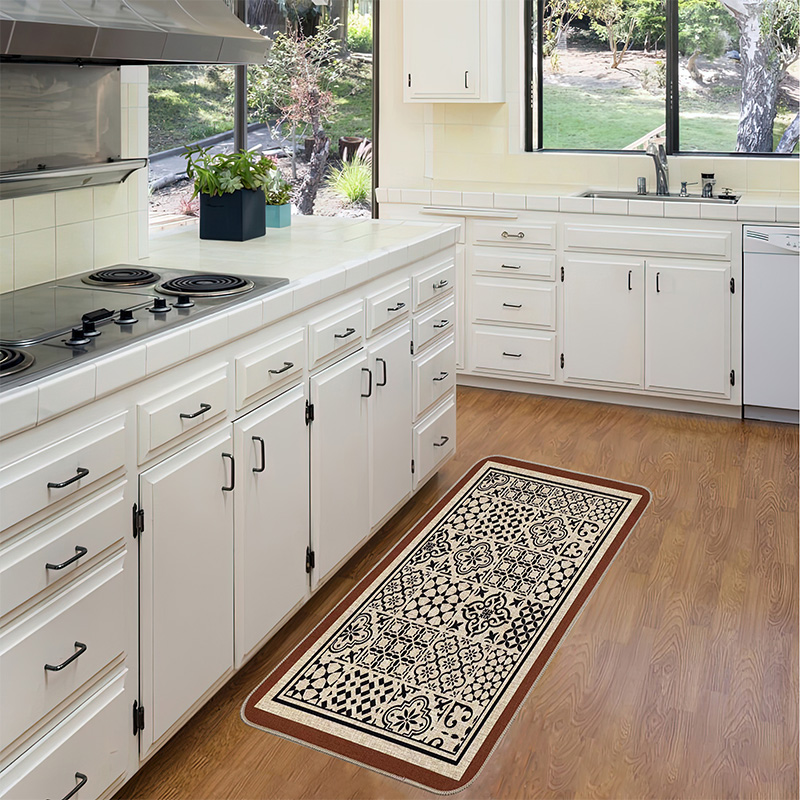
While primarily used in bathrooms, memory foam bath mats also appear near kitchen sinks where people stand for dishwashing. Laundry rooms benefit from their cushioning during sorting and folding tasks that require standing in one spot. Guest bathrooms gain a welcoming touch with these mats placed in front of showers.
The mat’s ability to compress for storage makes it convenient for travel or moving between rooms. Its lightweight nature allows easy repositioning when cleaning floors underneath.
Comparing Memory Foam to Other Bath Mat Materials
Traditional cotton or microfiber mats offer absorbency but may flatten over time. Rubber or vinyl mats provide durability and quick drying but lack the contouring quality. Memory foam combines elements of cushioning and recovery that set it apart in terms of underfoot sensation.
The density of memory foam affects how quickly it responds and recovers. Different formulations balance softness with support for various user needs and bathroom layouts.
Everyday Scenarios Where the Mat Shines
Consider a busy morning where the memory foam bath mat cushions each step as family members prepare for the day. Or picture a relaxing weekend where the mat enhances a long soak in the tub. These ordinary situations highlight the mat’s quiet contribution to home comfort.
In shared living spaces, the mat helps different household members enjoy consistent softness regardless of when they use the bathroom. Its presence supports routines that happen automatically but benefit from added ease.
Memory foam bath mats continue to serve as simple yet effective additions to bathrooms and other areas where standing comfort matters. Their ability to adapt to feet and environments makes them a common choice for enhancing daily experiences at home.