 0
 Language
 英语
 阿拉伯语
 德语

How Textile Construction Shapes Modern Floor Coverings
Floor coverings play an important role in residential interiors, hospitality spaces, offices, and commercial properties. Beyond color and pattern, buyers increasingly pay attention to fabric structure, surface texture, backing materials, and product construction. These details influence how a rug looks, feels, and fits into different interior settings.
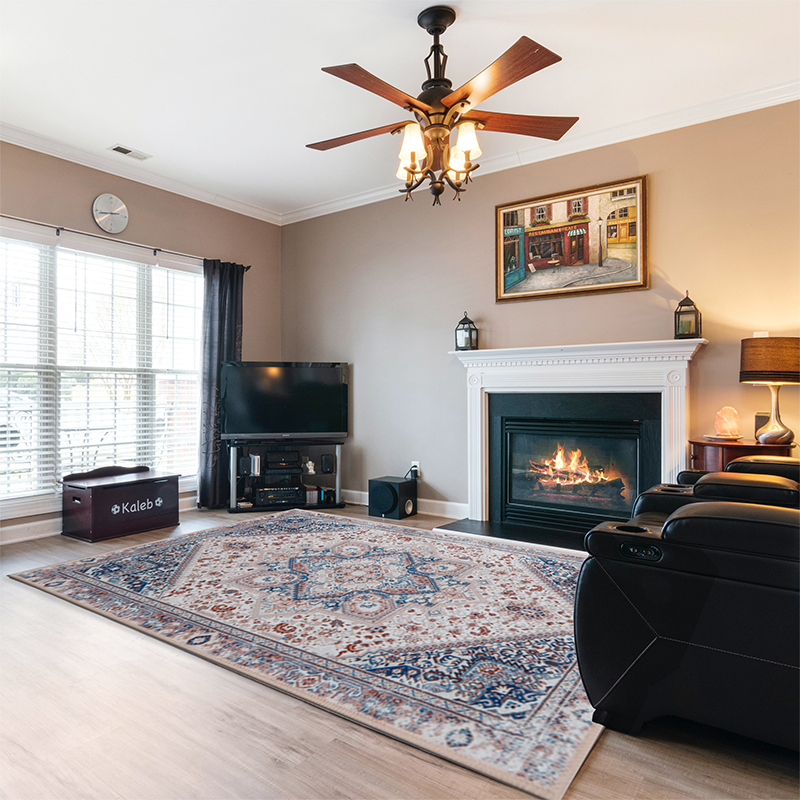
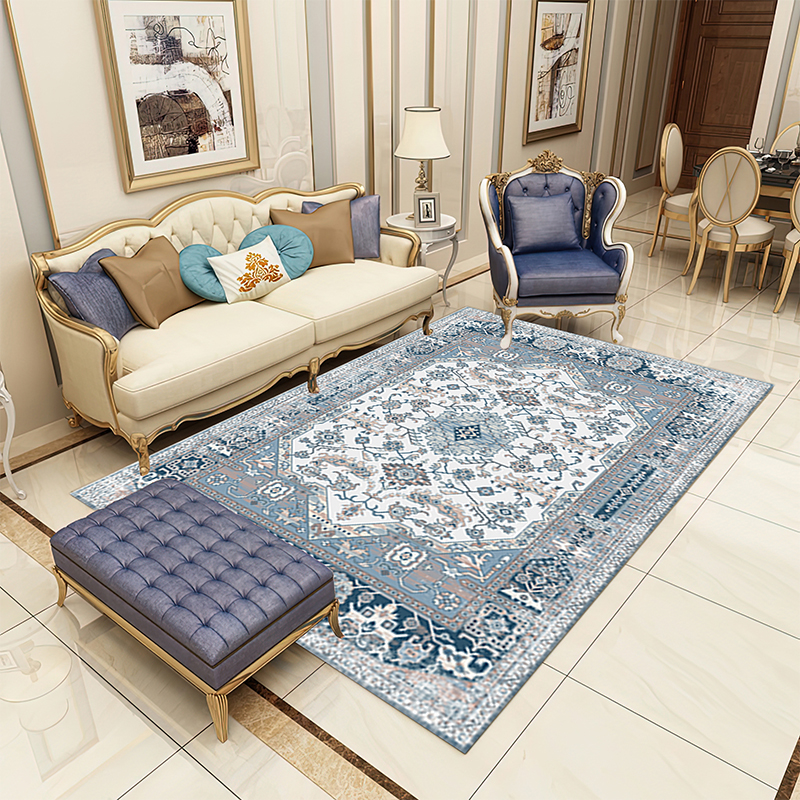
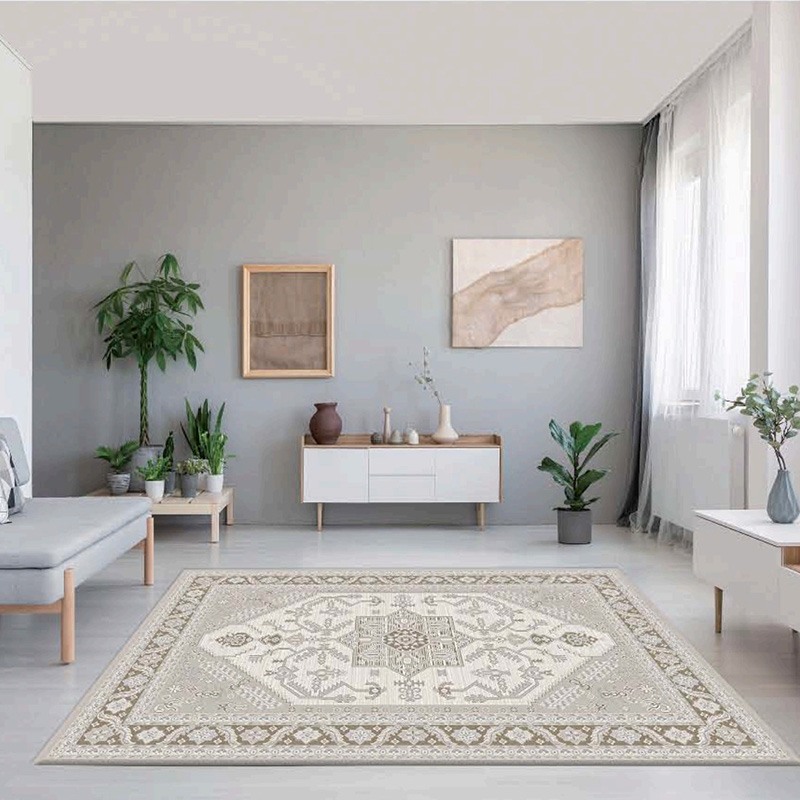
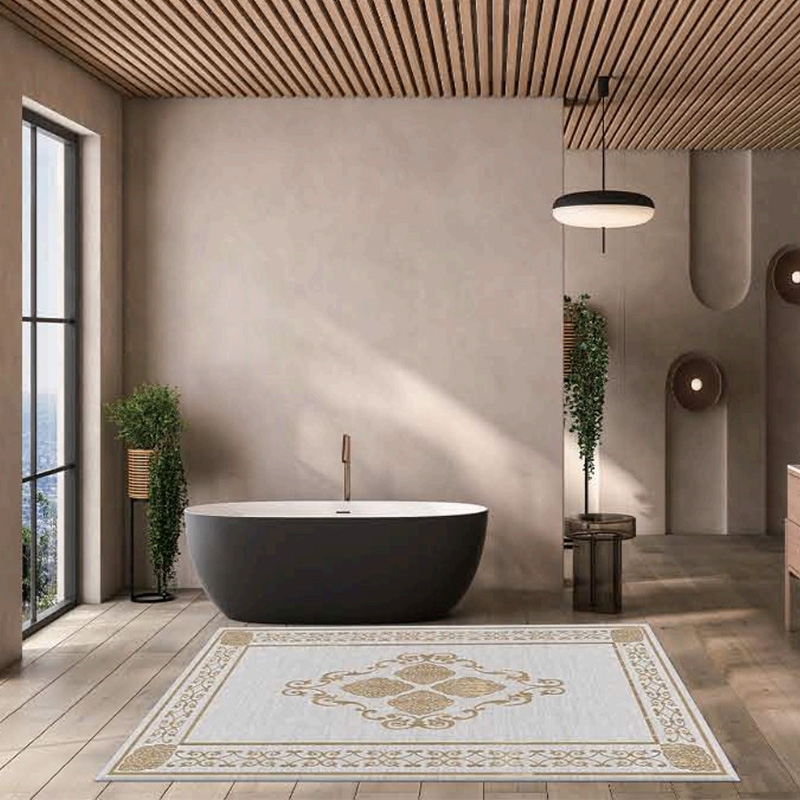
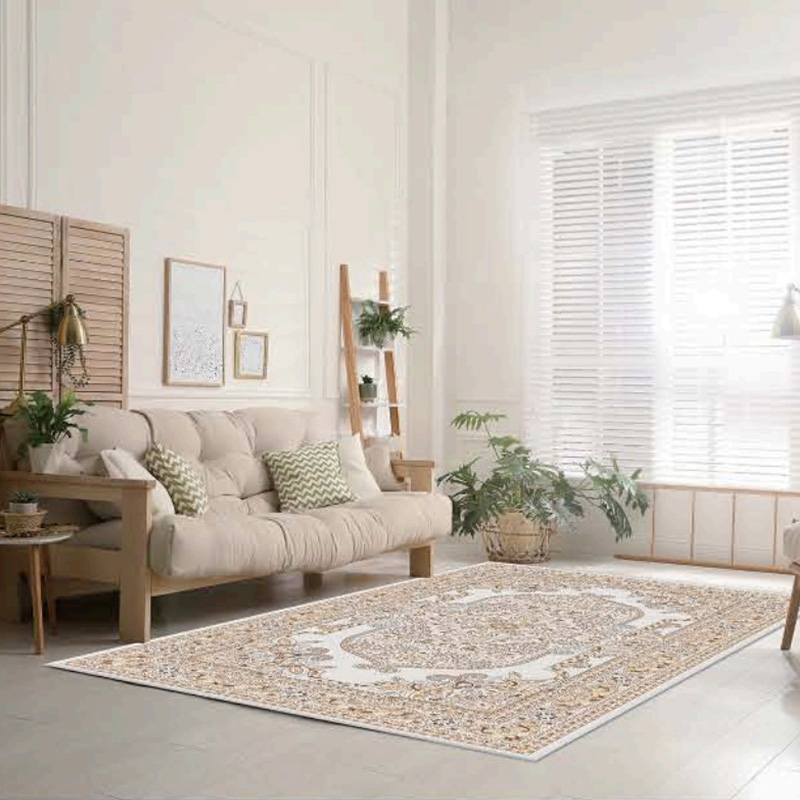
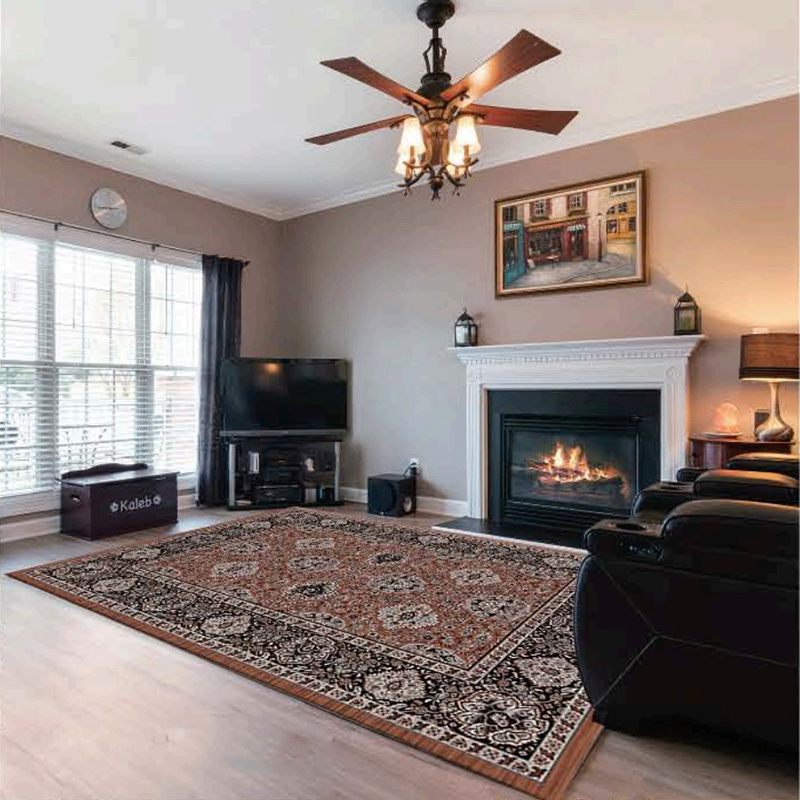
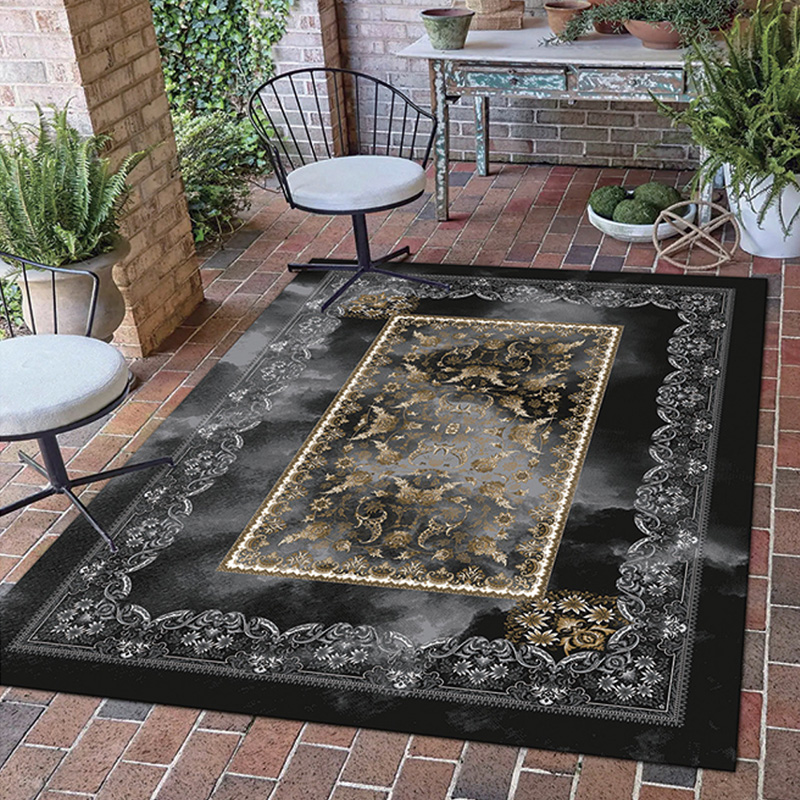
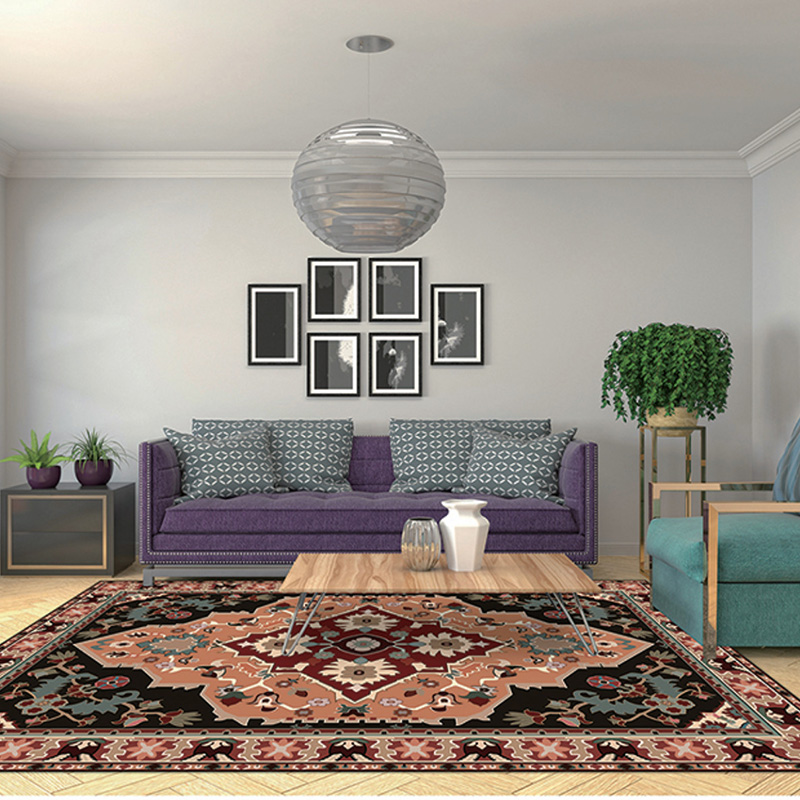
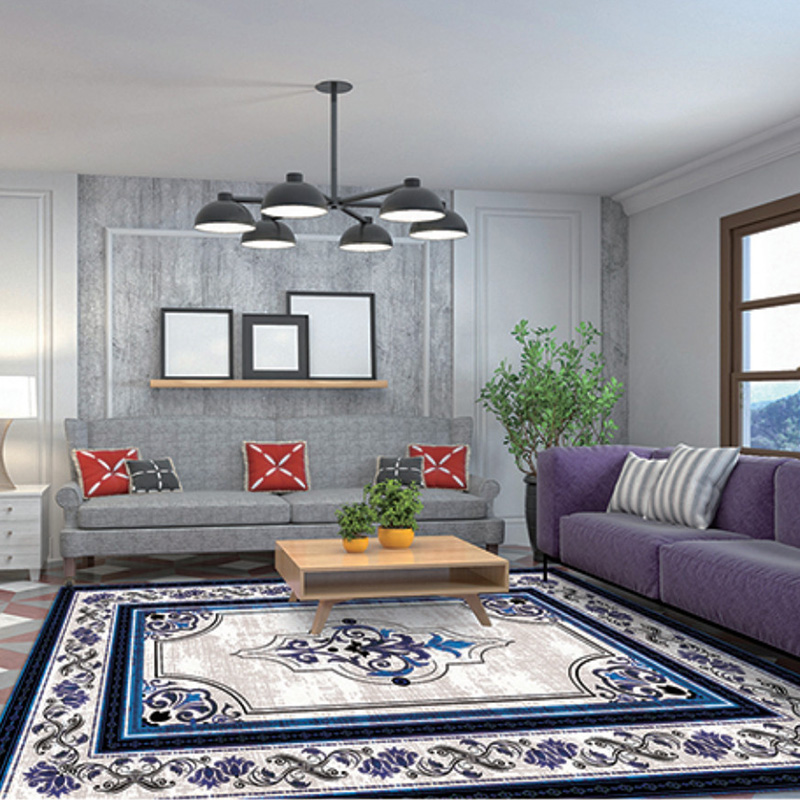
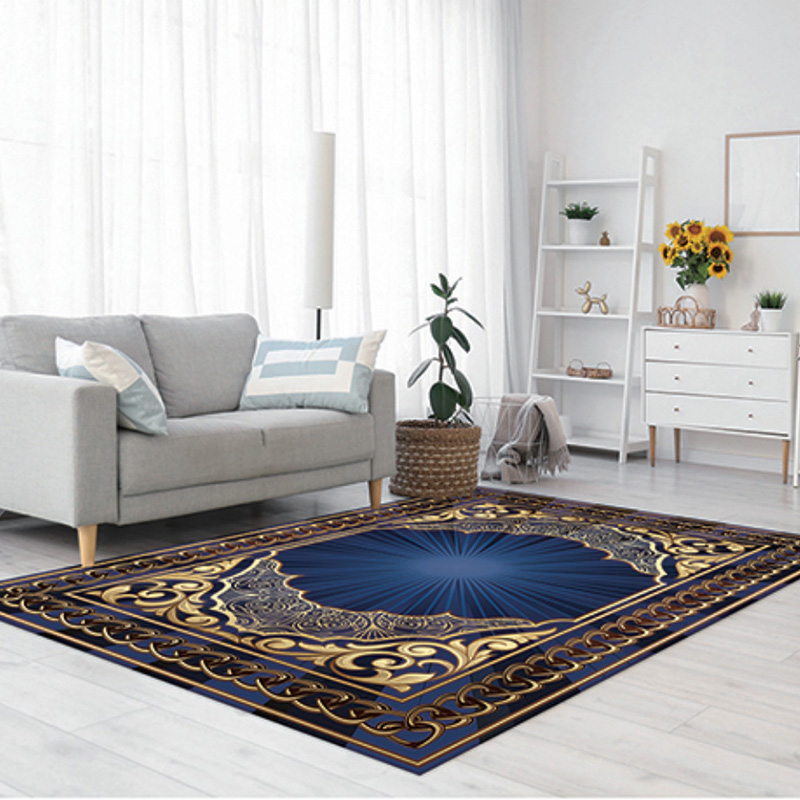
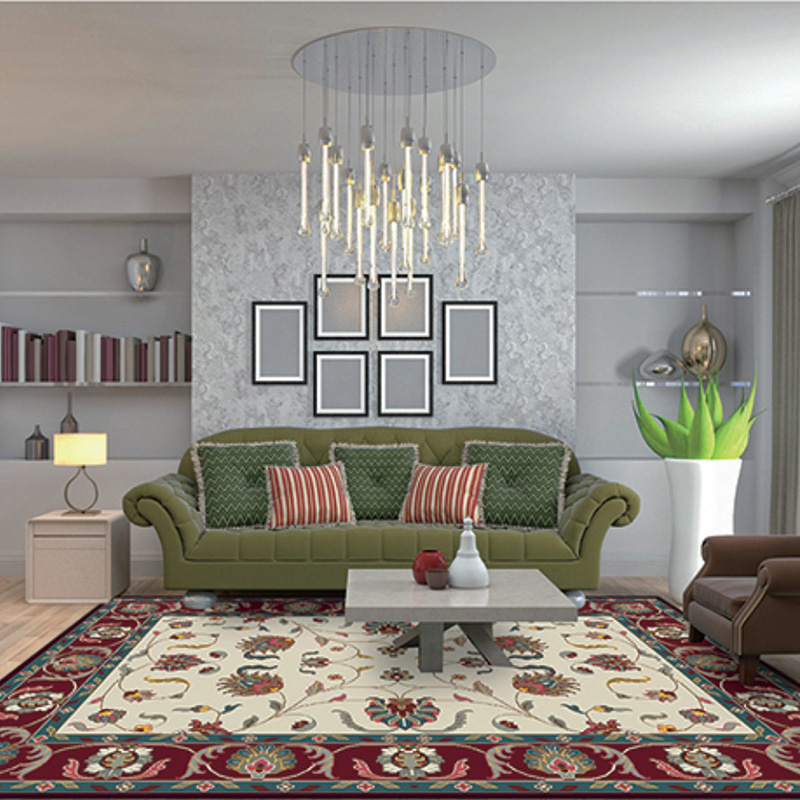
Washable Rugs have become a recognizable category in the home textile market. Their construction often combines textile surfaces with specialized backing materials, creating products intended for convenient household use. For manufacturers, developing this type of rug involves coordinating fiber selection, weaving or printing techniques, backing structures, and finishing processes.
Material Selection Determines Texture and Construction
The choice of textile material influences the appearance, softness, weight, and structure of a rug. Polyester, polypropylene, cotton, and microfiber are commonly used in different rug constructions.
Polyester is frequently selected for printed and woven rugs. It supports a variety of colors and patterns and can be processed into different surface textures.
Polypropylene is used in certain machine-made rugs because of its lightweight structure and processing flexibility. It can be incorporated into different pile constructions and decorative designs.
Cotton is often used in woven rugs and selected textile blends. Its natural fiber structure provides a different texture and appearance compared with synthetic materials.
Microfiber can create a soft surface with fine fibers. It is used in some low-pile and printed rug products.
Material combinations also allow manufacturers to adjust the surface characteristics and overall construction according to product specifications.
Weaving and Printing Create Different Surface Designs
Rug manufacturing methods vary according to the desired appearance, texture, and production requirements.
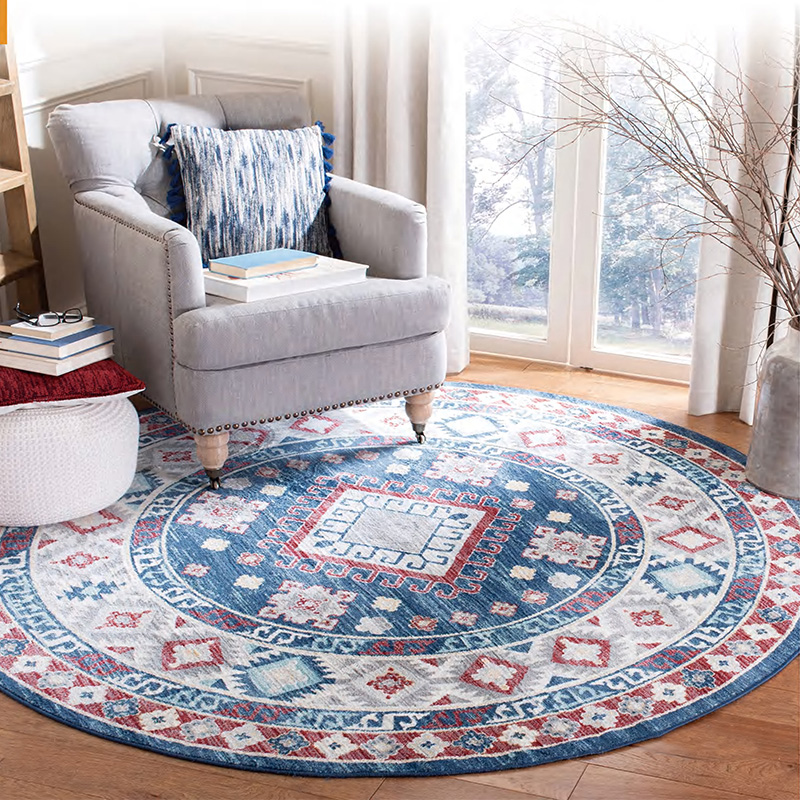
Machine weaving is commonly used to produce rugs with structured yarn arrangements. During production, warp and weft yarns are interlaced to form the textile surface. Different yarn thicknesses and weaving patterns create variations in texture and density.
Tufting is another manufacturing technique. Yarn is inserted into a backing material using specialized equipment, forming loops or cut piles. This method allows manufacturers to develop rugs with different pile heights and surface appearances.
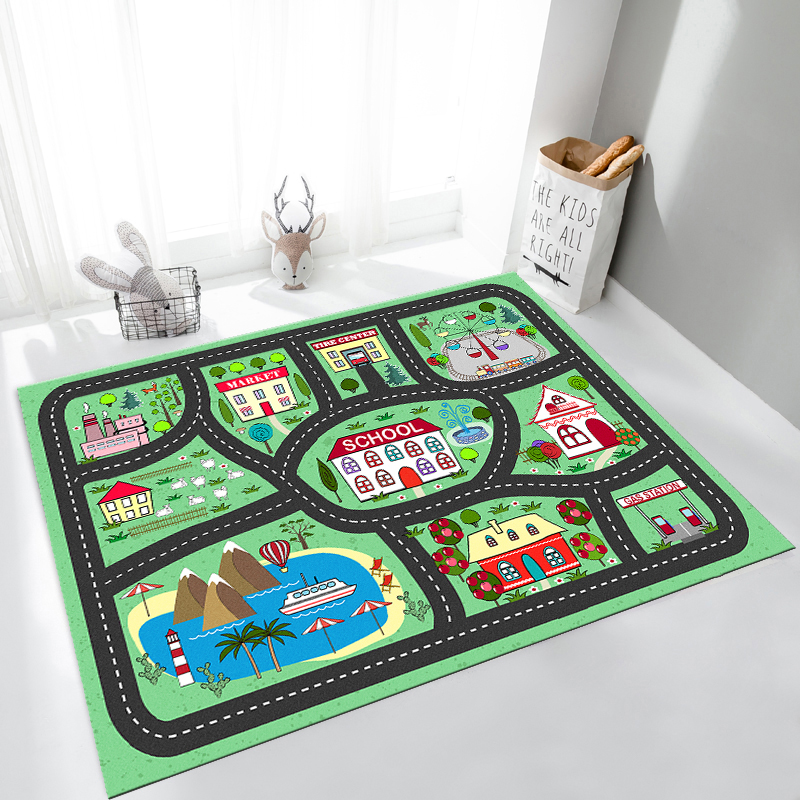
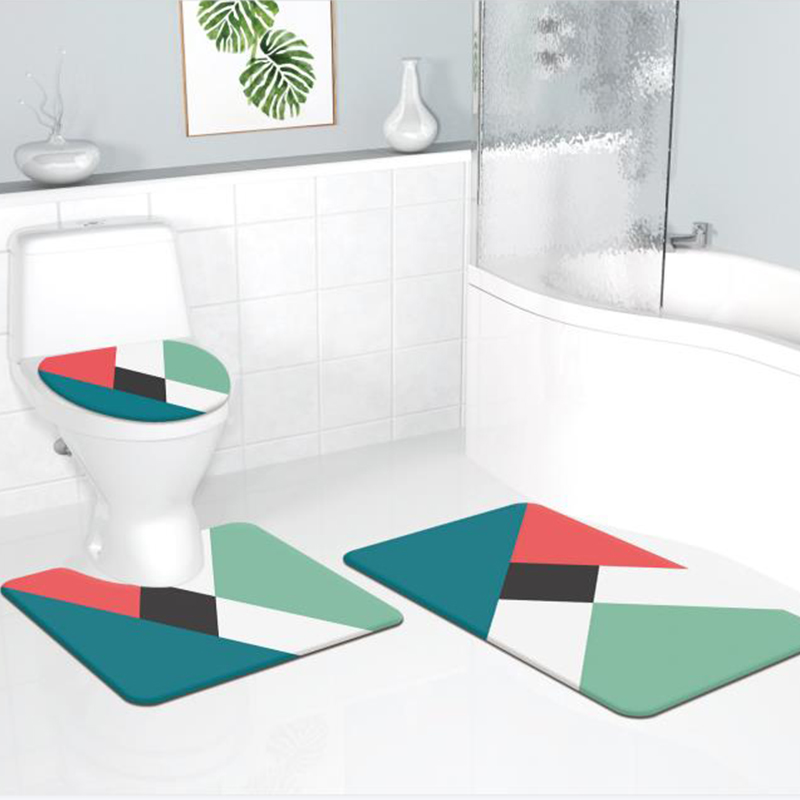
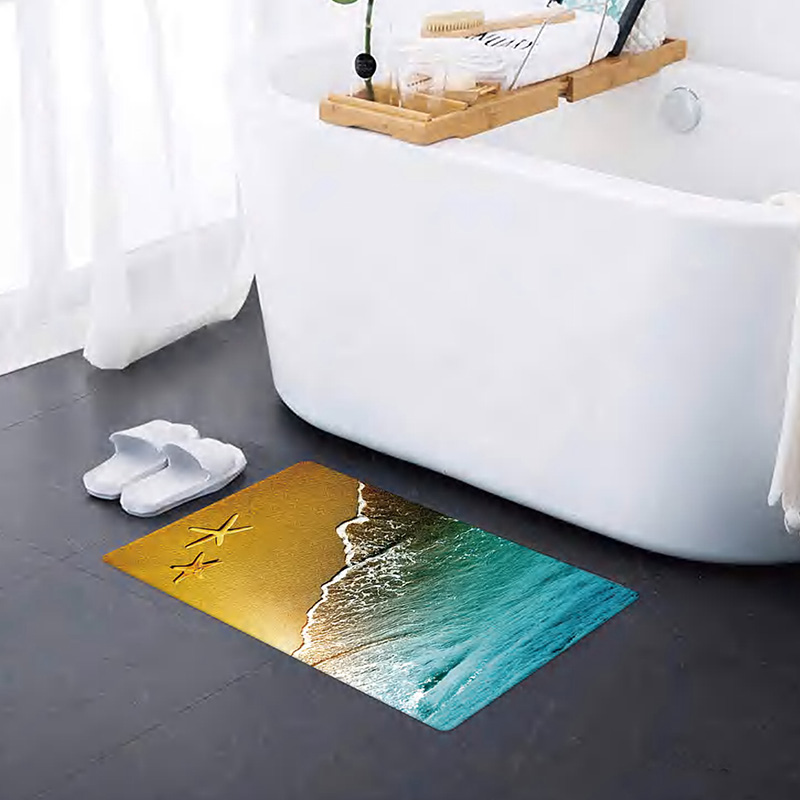
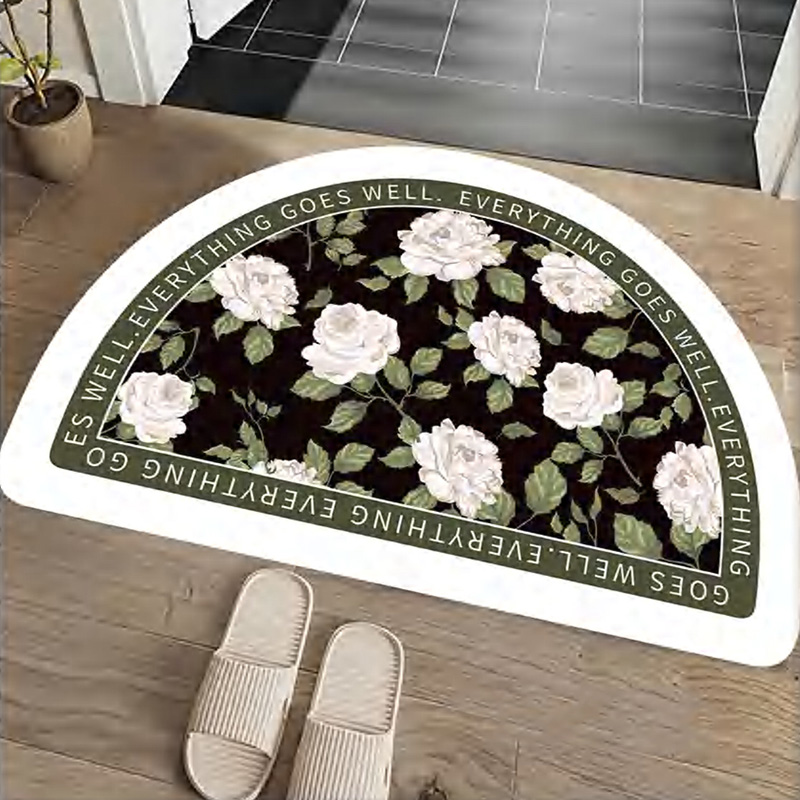
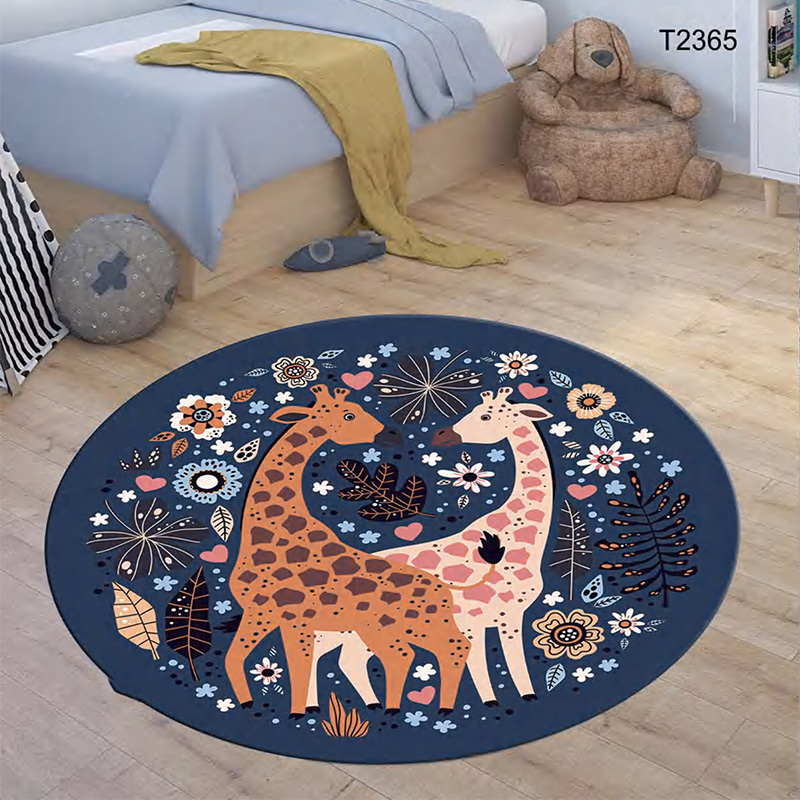
Digital printing offers additional design flexibility. Patterns and colors are applied to suitable textile surfaces using printing equipment. This process supports detailed graphics, geometric patterns, floral designs, and customized artwork.
For Washable Rugs, the selected surface construction needs to work with the backing structure and intended product use. Manufacturers may combine different techniques to create collections with varied appearances and specifications.
Customization Opportunities for Home Textile Brands
For overseas buyers, product differentiation often comes from combining suitable materials with distinctive patterns and dimensions.
Manufacturers may provide customization in rug size, shape, color, surface texture, pile height, backing material, and printed artwork. Buyers can also develop coordinated collections using the same design theme across different dimensions.
OEM and ODM cooperation can support private-label projects, including custom logos, product labels, packaging artwork, and exclusive pattern development.
A manufacturer with different textile production capabilities can help brands develop product lines for home furnishing retailers, online stores, hospitality suppliers, and interior decoration businesses.
Conclusion
Washable Rugs manufacturing brings together textile materials, weaving or printing techniques, backing structures, and finishing processes. Each element contributes to the product's appearance and intended application. For international home furnishing buyers, understanding these manufacturing details provides a practical starting point for developing rug collections that combine decorative variety with functional design.