 0
0
 Language
  英语
英语 阿拉伯语
阿拉伯语 德语
德语
Hard floors created the opening
The surge in hard flooring over the past decade set the stage. Wood, polished concrete, tile, vinyl plank — these materials took over because they're durable, they photograph well, and they're easier to keep clean than wall-to-wall carpet. Fair enough. But a long corridor finished entirely in pale oak or grey tile can feel a bit like walking through an airport terminal. Acoustically flat. Visually cold. Not unpleasant, exactly, but not particularly welcoming either.
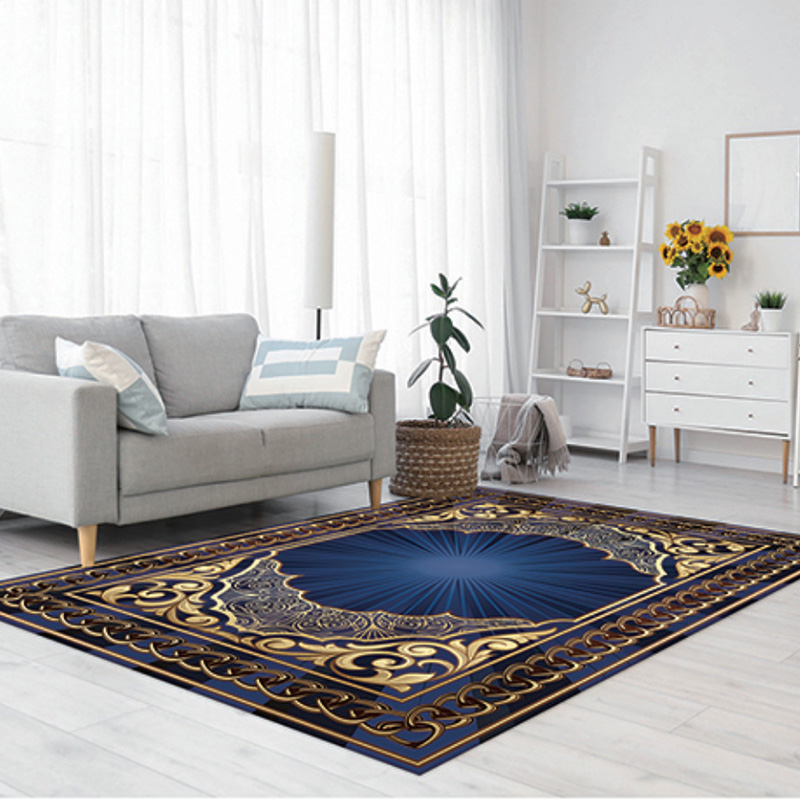
Carpet runners solve that specific problem without undoing everything the hard floor is doing. They introduce softness and texture in a controlled way — a strip of warmth running down the center of a hallway rather than covering the floor completely. The wood stays visible on either side. The runner does the work of making the space feel inhabited.
What a runner actually does to a narrow space
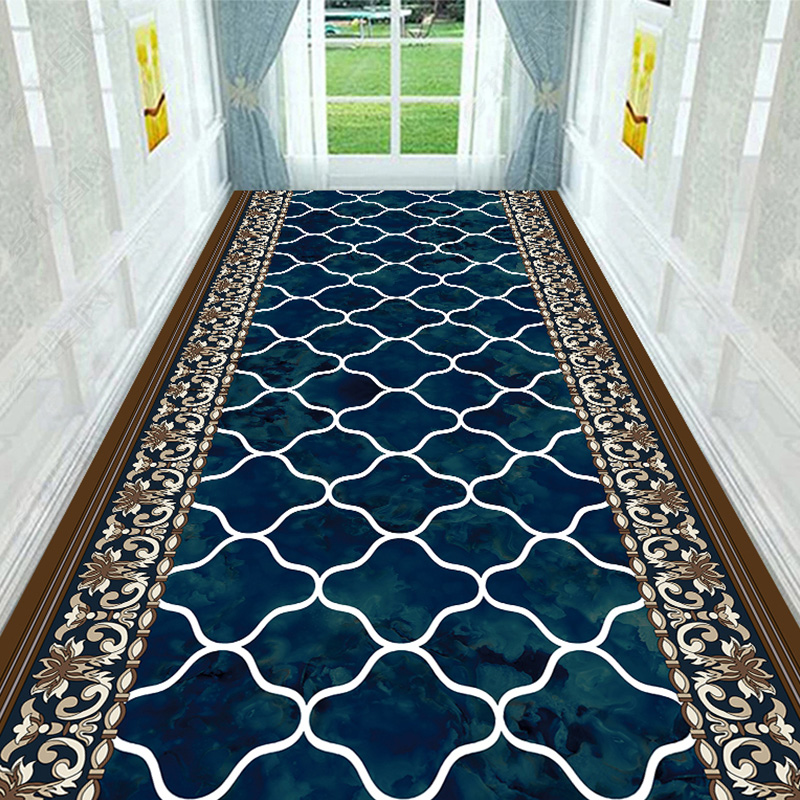
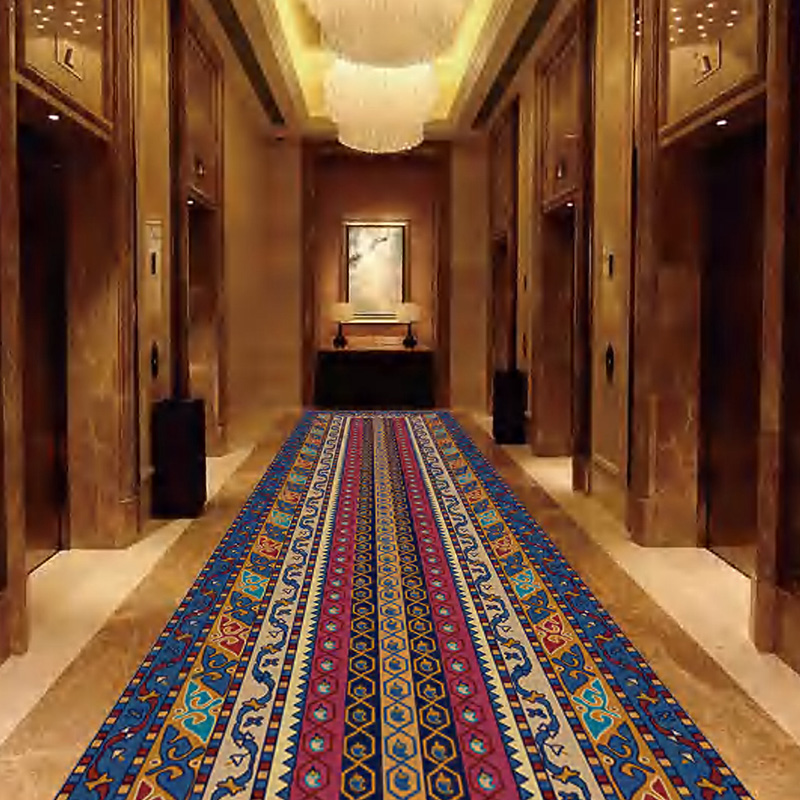
There's a spatial trick at play here that's worth understanding. A runner with a strong linear pattern — tight stripes, directional weave, geometric repeat — pulls the eye along its length, making a corridor read as longer than it physically is. Flip the logic: softer motifs and organic shapes break up that tunnel effect, which helps in hallways that feel more like a chute than a passage.
Designers talk about runners as visual connectors — a thread that links one room to the next without forcing a hard stop between them. Done well, a runner in a hallway makes the transition from front door to living room feel continuous rather than segmented. It's a subtle thing, but it changes the character of the whole space.
Material choices and what they actually mean day-to-day
Wool holds up well. That's not a new observation, but it bears repeating because wool runners in high-traffic hallways genuinely last longer than alternatives, and the fibers recover their shape between uses rather than compressing into a flat mat. They're not cheap, but they don't need replacing every couple of years either.
Polypropylene and polyester runners occupy a different position — easier to clean, more resistant to staining, and available at a wider range of price points. For households with dogs, young children, or both, the ability to wipe something down without ceremony is a real consideration. Blended constructions try to split the difference, pairing the texture and resilience of natural fibers with some of the practical advantages of synthetics.
Flat-weave runners have picked up a following partly because of their profile. They sit low to the floor, which means doors clear them without catching, and they don't create a raised edge that becomes a tripping point in a narrow space. In a minimalist interior, a flat-weave also reads more quietly — less visual mass, more like a detail than a statement.
Color and pattern in hallways that see real traffic
Earth tones are everywhere right now — warm neutrals, muted terracotta, sage, sand, charcoal. These colors work in hallways because they age gracefully alongside changing furniture and wall finishes. You don't have to replace the runner every time you repaint.
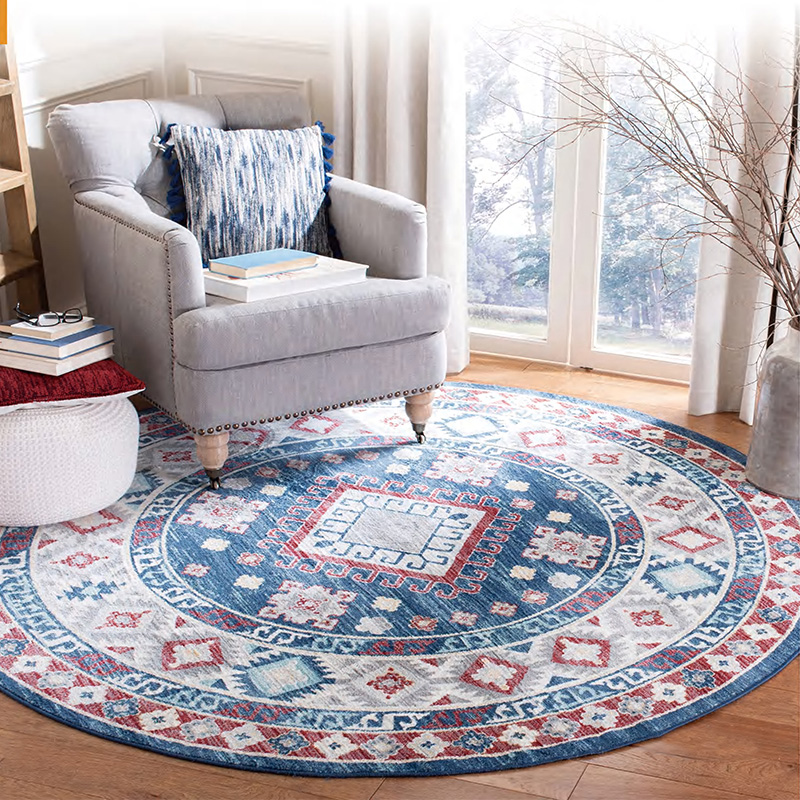
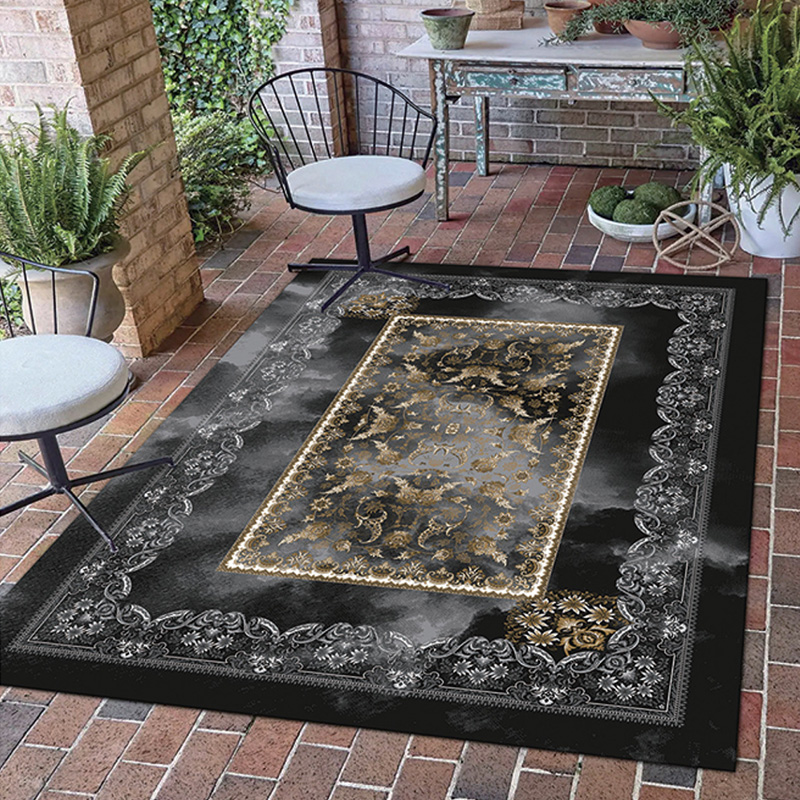
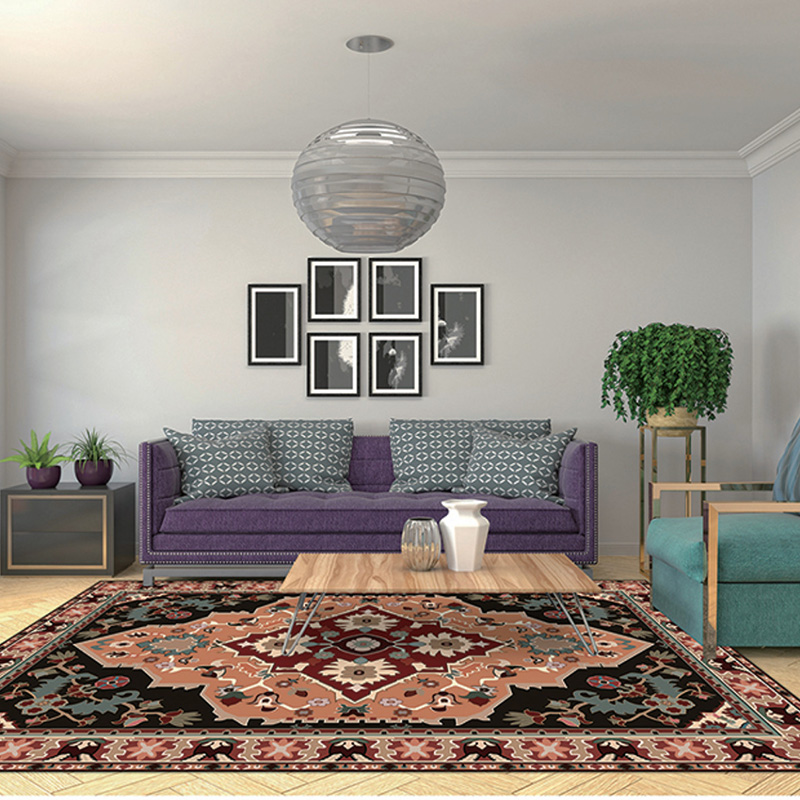
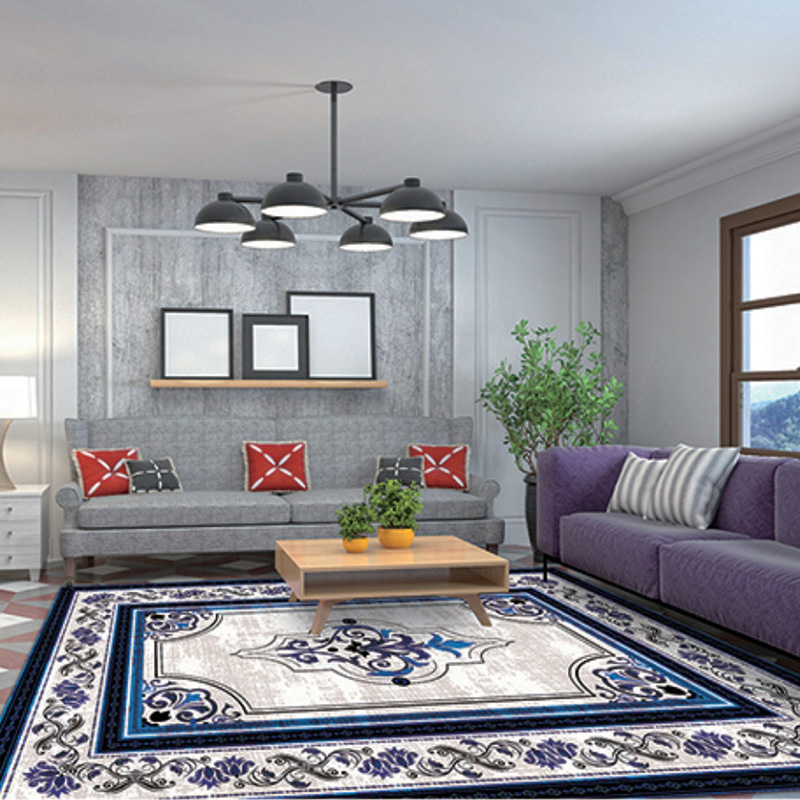
Patterned Carpet Runners make practical sense in high-traffic corridors for a less glamorous reason: they hide wear. A geometric repeat or a vintage medallion design naturally disguises the kind of low-level scuffing and compression that builds up in spaces people pass through dozens of times a day. A solid-color runner in the same spot tells a different story — every mark shows.